

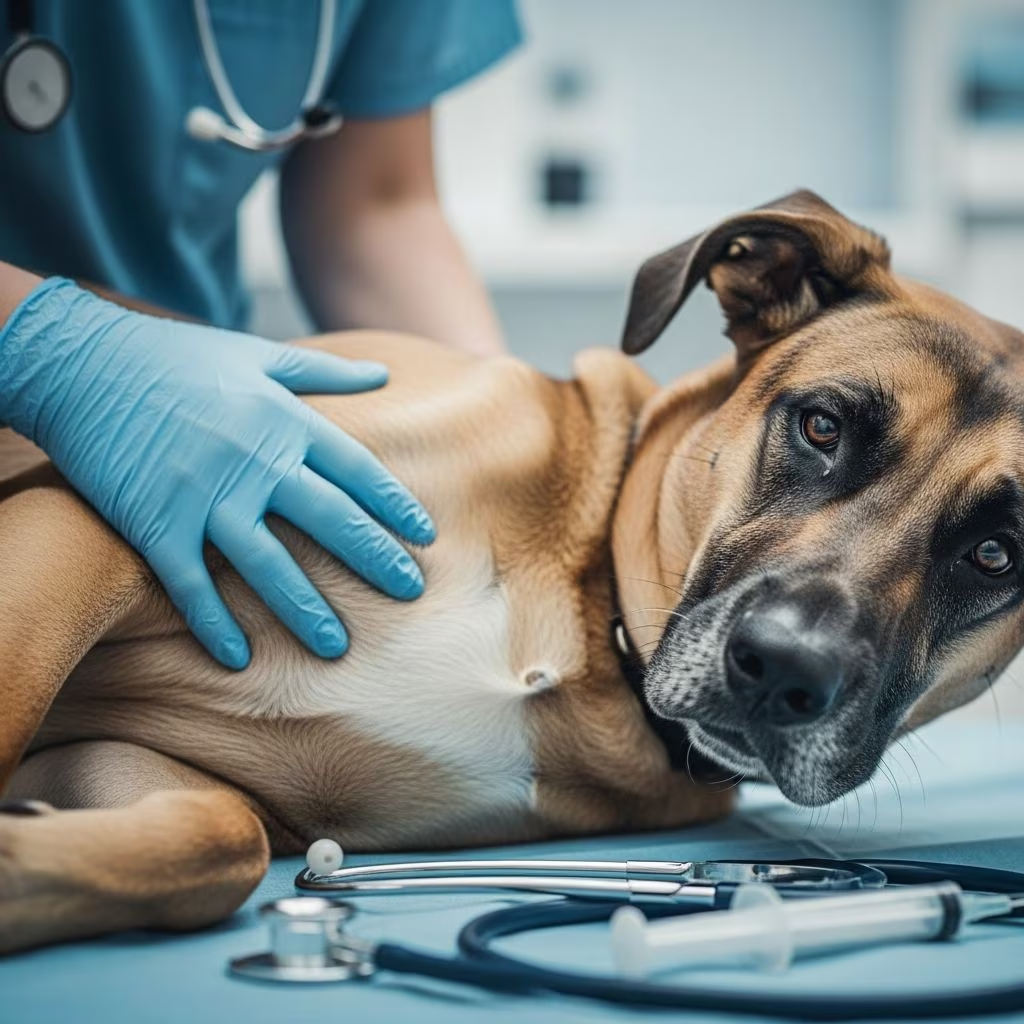
Gastric dilatation-volvulus, commonly known as bloat, strikes dogs suddenly and can prove fatal within hours if untreated. This condition occurs when a dog’s stomach fills rapidly with gas, food, or fluid and may rotate, cutting off blood flow to vital organs. Large and giant breeds face the highest danger, but awareness of symptoms and swift action can dramatically improve outcomes.
Decoding the Mechanics of Gastric Dilatation-Volvulus
Bloat begins as gastric dilatation, where the stomach expands due to trapped gases and contents. In severe cases, it progresses to volvulus, a twisting that traps the stomach in an unnatural position. This twist compresses major blood vessels, leading to shock, tissue death, and systemic collapse. Unlike simple indigestion, GDV demands immediate veterinary care because non-surgical relief is rare once twisting happens.
The stomach’s suspension in the abdomen by ligaments allows mobility for digestion, but weakening ligaments or rapid filling can trigger instability. Deep-chested anatomies exacerbate this vulnerability, as the elongated torso provides more space for rotation.
Breeds and Dogs Most Susceptible to This Emergency
Certain canine profiles carry elevated GDV risks. Deep-chested, large-breed dogs like Great Danes, German Shepherds, Saint Bernards, and Standard Poodles top the list, with purebreds showing 1.5 to 4.8 times higher incidence than mixed breeds. Older dogs, particularly those over seven years, face compounded dangers due to age-related ligament laxity.
- High-risk deep-chested giants: Great Dane, Irish Setter, Bloodhound
- Moderately susceptible: Labrador Retriever, Boxer, Doberman Pinscher
- Contributing traits: Family history of bloat, first-degree relatives affected
Genetic factors play a key role, prompting breeders to screen lineages rigorously. No dog is immune, but these groups warrant vigilant monitoring.
Critical Early Indicators You Can’t Ignore
GDV symptoms escalate rapidly, often within minutes of onset. Initial signs mimic milder issues, delaying recognition in some cases. Watch for:
- Unproductive retching or dry-heaving, producing only foam or saliva
- Restlessness, pacing, or inability to settle
- Distended, drum-like abdomen that’s painful to touch
- Excessive drooling, pale gums, or rapid shallow breathing
- Weakness, collapse, or signs of shock like cold extremities
A dog attempting to vomit without success signals urgency; this differs from routine nausea where expulsion occurs. Abdominal swelling may appear subtle at first but progresses to obvious bloating. Heart arrhythmias can follow, detectable via veterinary ECG.
Unraveling the Triggers Behind Bloat Episodes
While no single cause explains all GDV cases, multiple risk factors cluster in affected dogs. Behavioral and environmental elements often interplay with anatomy.
| Risk Factor | Description | Impact Level |
|---|---|---|
| Rapid eating | Swallowing air with food increases gas buildup | High |
| Large single meals | Overfilling stomach strains ligaments | High |
| Elevated bowls | Promotes faster intake and gulping | Moderate |
| Post-meal exercise | Vigorous activity jostles full stomach | Moderate |
| Stress or anxiety | “Hyper” or fearful dogs at greater risk | Moderate |
| Excessive water intake | Post-meal gulping dilutes and expands contents | Low-Moderate |
Diets high in fats listed early on labels correlate with higher GDV rates, possibly due to delayed gastric emptying. Stressful scenarios like boarding or travel amplify vulnerabilities.
Immediate Response: From Suspicion to Veterinary Doors
Never delay if bloat signs appear—survival hinges on speed. Call your vet or nearest emergency clinic immediately; describe symptoms precisely for triage preparation. While en route, keep the dog calm and upright to ease breathing, but avoid home remedies like induced vomiting, which worsen outcomes.
Veterinarians confirm GDV via physical exams, X-rays showing gas patterns, and bloodwork assessing shock. Time is critical: untreated GDV mortality exceeds 30%, dropping below 10% with prompt surgery.
Stabilization Techniques Before the Operating Table
Initial care focuses on life support. Intravenous fluids combat shock and restore organ perfusion. Pain relief and anti-nausea drugs ease distress.
- Trocarization: Needle insertion to vent gas, improving circulation
- Stomach tubing: Passing an orogastric tube to decompress if untwisted
- ECG monitoring: Detecting and treating arrhythmias
- Antibiotics: Preventing sepsis from tissue necrosis
These steps buy time for anesthesia safety, as GDV dogs rank high-risk for surgery.
Surgical Solutions and Long-Term Protection
Exploratory laparotomy untwists the stomach, assesses viability, and resects dead tissue. Splenectomy occurs if the spleen suffers damage. The cornerstone procedure, gastropexy, sutures the stomach to the abdominal wall, slashing recurrence risk from 80% to under 5%.
Laparoscopic options suit preventive cases, often combined with spay/neuter in young high-risk dogs. Post-op recovery involves ICU monitoring, gradual feeding, and activity restrictions.
Proven Strategies to Minimize GDV Threats
Prevention trumps cure for at-risk dogs. Implement these evidence-based changes:
- Divide daily rations into 2-3 smaller meals
- Use puzzle feeders or slow-eater bowls for gulpers
- Avoid raised bowls; feed at ground level
- Enforce 1-hour rest periods pre- and post-meals
- Manage stress with routine, calming aids, or training
- Consider prophylactic gastropexy for breeds like Great Danes
Regular vet checkups track ligament health in seniors.
FAQs: Answering Common Bloat Concerns
Can bloat resolve without surgery?
Simple dilatation without twist may decompress medically, but GDV invariably requires operation.
How quickly does bloat kill?
Untreated GDV can be fatal in 1-2 hours due to cardiovascular collapse.
Is bloat hereditary?
Yes, familial patterns exist; avoid breeding affected lines.
What breeds need gastropexy most?
Deep-chested giants like Great Danes and Mastiffs benefit earliest.
Does grain-free food prevent bloat?
No evidence supports this; focus on feeding habits instead.
Real-World Survival Stories and Key Takeaways
Many dogs thrive post-GDV with gastropexy, returning to active lives. Owners report peace of mind knowing recurrence odds plummet. Key lesson: Knowledge empowers action. Monitor high-risk pets closely, adjust lifestyles proactively, and act decisively on symptoms.
This emergency underscores pet ownership’s vigilance demands. By grasping bloat’s profile—from anatomy to aftercare—you position yourself to intervene effectively.
References
- Bloat in Dogs: Symptoms and Treatment — Festival Animal Clinic. Accessed 2026. https://festivalanimalclinic.com/blog/bloat-in-dogs/
- Gastric Dilatation-Volvulus (Bloat) — Veterinary Medical Center of CNY. Accessed 2026. https://vmccny.com/gastric-dilatationvolvulus-bloat/
- Bloat in Dogs — PetMD. Accessed 2026. https://www.petmd.com/dog/conditions/digestive/bloat-in-dogs
- Bloat in Dogs | Symptoms and Treatment of Bloat — Blue Cross. Accessed 2026. https://www.bluecross.org.uk/advice/dog/health-and-injuries/bloat-in-dogs
- Canine Bloat (GDV): Risk, Treatment, and Prevention — Animal Emergency & Specialty Center Parker. Accessed 2026. https://www.aescparker.com/blog/canine-bloat-gdv-risk-treatment-and-prevention
- Bloat: Gastric Dilatation and Volvulus in Dogs — VCA Animal Hospitals. Accessed 2026. https://vcahospitals.com/know-your-pet/bloat-gastric-dilatation-and-volvulus-in-dogs



