

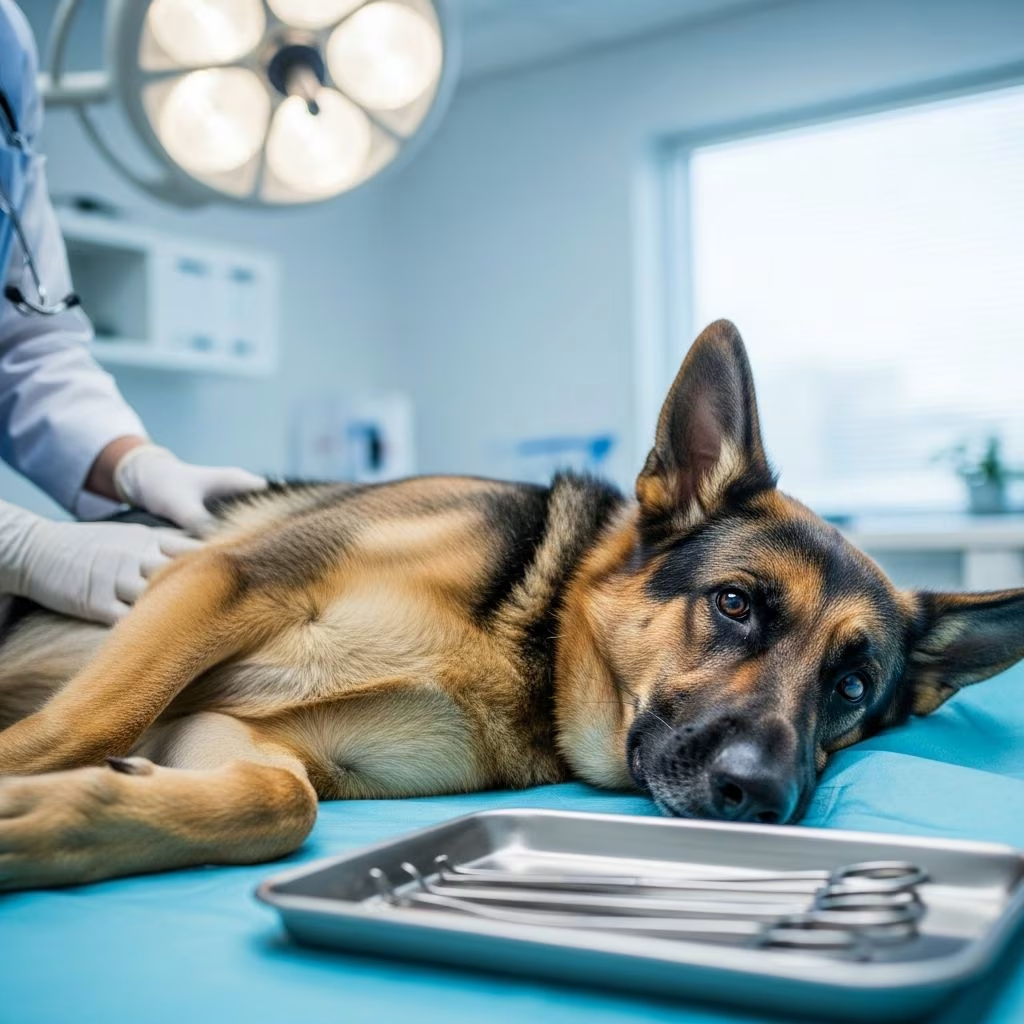
Gastric dilatation-volvulus (GDV), commonly known as bloat, represents one of the most urgent medical crises in veterinary care for dogs. This condition occurs when a dog’s stomach fills rapidly with gas, food, or fluid and may twist, cutting off blood flow and leading to shock or death if untreated. Large and giant breeds face the highest danger, with survival rates dropping sharply without immediate intervention.
Understanding the Mechanics of Bloat in Dogs
The stomach expands abnormally—a phase called gastric dilatation—trapping air and contents. In full GDV, the stomach rotates, typically between 90 and 360 degrees, compressing major blood vessels and halting circulation. This triggers systemic collapse as toxins build up and organs fail. Unlike simple indigestion, bloat escalates within hours, demanding emergency response.
Key physiological disruptions include:
- Blocked blood return to the heart from compressed veins.
- Reduced oxygen delivery to tissues, causing lactic acidosis.
- Potential rupture of the spleen or stomach wall from pressure.
While the precise trigger remains elusive, multifactorial elements converge, making vigilance essential for vulnerable pets.
Breeds and Dogs Most Vulnerable to GDV
Certain physical traits heighten susceptibility. Deep-chested breeds like Great Danes, Saint Bernards, Weimaraners, and Irish Setters top the risk list due to their anatomy, which allows stomach mobility. Dogs over 99 pounds, males, and seniors (over 7 years) show elevated odds. Genetic links appear in pedigreed lines, with first-degree relatives of affected dogs facing 2-4 times higher risk.
| Breed Category | Examples | Relative Risk |
|---|---|---|
| Giant Breeds | Great Dane, Mastiff | High |
| Large Deep-Chested | German Shepherd, Labrador | Moderate-High |
| Standard Poodles, Boxers | Medium-Large | Moderate |
Body condition matters too: both obese and underweight dogs suffer increased rates, compounded by temperament—nervous or high-strung personalities correlate with onset.
Critical Early Signs You Can’t Ignore
Bloat advances in stages, but owners often spot initial behavioral shifts. Watch for:
- Unproductive retching: Dog strains to vomit but produces only foam or bile.
- Restlessness and pacing: Inability to settle, whining, or seeking isolation.
- Abdominal swelling: Belly becomes taut and drum-like, especially on the left side.
- Pale gums and rapid breathing: Signs of shock as circulation falters.
- Weak pulse and collapse: Advanced indicators of cardiovascular strain.
These symptoms can mimic other issues like pancreatitis, but the combination—especially post-meal—signals bloat. Time is critical: from onset to irreversible damage spans 1-2 hours.
Proven Risk Factors and Triggers
Veterinarians identify behavioral and environmental contributors through studies. Common aggravators include:
- Rapid eating or gulping large meals, aerating the stomach.
- Elevated feeding bowls, once thought helpful but now linked to higher incidence.
- Vigorous exercise or play right after eating.
- High-fat dry kibble where oil tops early ingredient lists.
- Stressful settings, like boarding or competitions.
One analysis notes dogs eating from raised bowls face double the risk, while family history amplifies odds significantly. Age compounds vulnerability, with older dogs’ weaker ligaments permitting twist.
Emergency Response: First Steps for Owners
If bloat is suspected, rush to a 24/7 veterinary ER—do not wait for morning. Home remedies fail against GDV; delaying by even 30 minutes halves survival chances. En route, withhold food/water and note symptom timeline. At the clinic, expect rapid assessment: physical exam, X-rays confirming dilatation/volvulus, bloodwork for electrolytes and organ function, and ECG for arrhythmias.
Step-by-Step Veterinary Treatment Protocol
Treatment prioritizes stabilization before definitive repair. Here’s the typical sequence:
- Decompression: Insert stomach tube or needle (trocarization) to vent gas, easing pressure.
- Fluid therapy: Aggressive IV electrolytes combat shock and restore perfusion.
- Medications: Analgesics, anti-nausea drugs, and antibiotics prevent secondary infection.
- Surgical intervention: Once stable, laparotomy untwists the stomach, assesses necrosis, and performs gastropexy—tacking the stomach to the abdominal wall.
Gastropexy slashes recurrence from 80% to under 5%, often recommended prophylactically for high-risk breeds during spay/neuter. Post-op, dogs recover in ICU with monitoring for 48-72 hours. Success hinges on speed: early cases boast 80-90% survival; delayed ones drop below 50%.
Long-Term Recovery and Complications
Survivors need 10-14 days of restricted activity, small frequent meals, and follow-ups. Watch for arrhythmias (up to 50% develop them) or re-dilatation. Dilated cardiomyopathy risks rise post-GDV. Nutrition shifts to smaller portions, slower feeders, and low-fat diets aid healing.
Evidence-Based Prevention Strategies
Proactive measures cut incidence dramatically. Implement these:
- Feed management: Divide daily intake into 3-4 small meals; use puzzle toys or slow-feed bowls.
- Exercise timing: Wait 1-2 hours post-meal before activity.
- Breed-specific screening: Consider prophylactic gastropexy for giants.
- Weight control: Maintain ideal body score to bolster abdominal support.
- Stress reduction: Calming supplements or routines for anxious dogs.
Studies affirm: controlled feeding halves risk in predisposed breeds.
FAQs on Canine Bloat
Q: Can small dogs get bloat?
A: Rare, but possible in deep-chested mediums like Basset Hounds. Focus remains on larges/giants.
Q: Is bloat hereditary?
A: Yes, genetic clusters exist; avoid breeding affected lines.
Q: What if my dog retches but seems fine otherwise?
A: Monitor closely—early bloat can progress silently. Err toward vet check.
Q: How effective is gastropexy?
A: Prevents volvulus in 95% of cases, though dilatation may recur mildly.
Q: Cost of bloat treatment?
A: $3,000-$7,000 typically, covering surgery and ICU.
Real Owner Stories: Lessons from the Frontlines
Many guardians share tales of midnight ER dashes saving their Great Danes. One owner notes: after splitting meals and adding gastropexy, their dog thrived years bloat-free. These anecdotes underscore education’s power.
References
- Bloat in Dogs: Symptoms, Treatment & Prevention — CareCredit. 2023. https://www.carecredit.com/well-u/pet-care/bloat-in-dogs/
- Bloat in Dogs — PetMD. 2024-01-15. https://www.petmd.com/dog/conditions/digestive/bloat-in-dogs
- Gastric Dilatation-Volvulus (Bloat) — Veterinary Medical Center of CNY. 2023-05-10. https://vmccny.com/gastric-dilatationvolvulus-bloat/
- Bloat in Dogs — Blue Cross. 2024. https://www.bluecross.org.uk/advice/dog/health-and-injuries/bloat-in-dogs
- Signs, Symptoms, and Preventing Bloat in Dogs — GoodRx. 2023-11-20. https://www.goodrx.com/pet-health/dog/bloat-in-dogs
- Canine Bloat (GDV): Risk, Treatment, and Prevention — Animal Emergency & Specialty Center – Parker. 2024-02-01. https://www.aescparker.com/blog/canine-bloat-gdv-risk-treatment-and-prevention



