

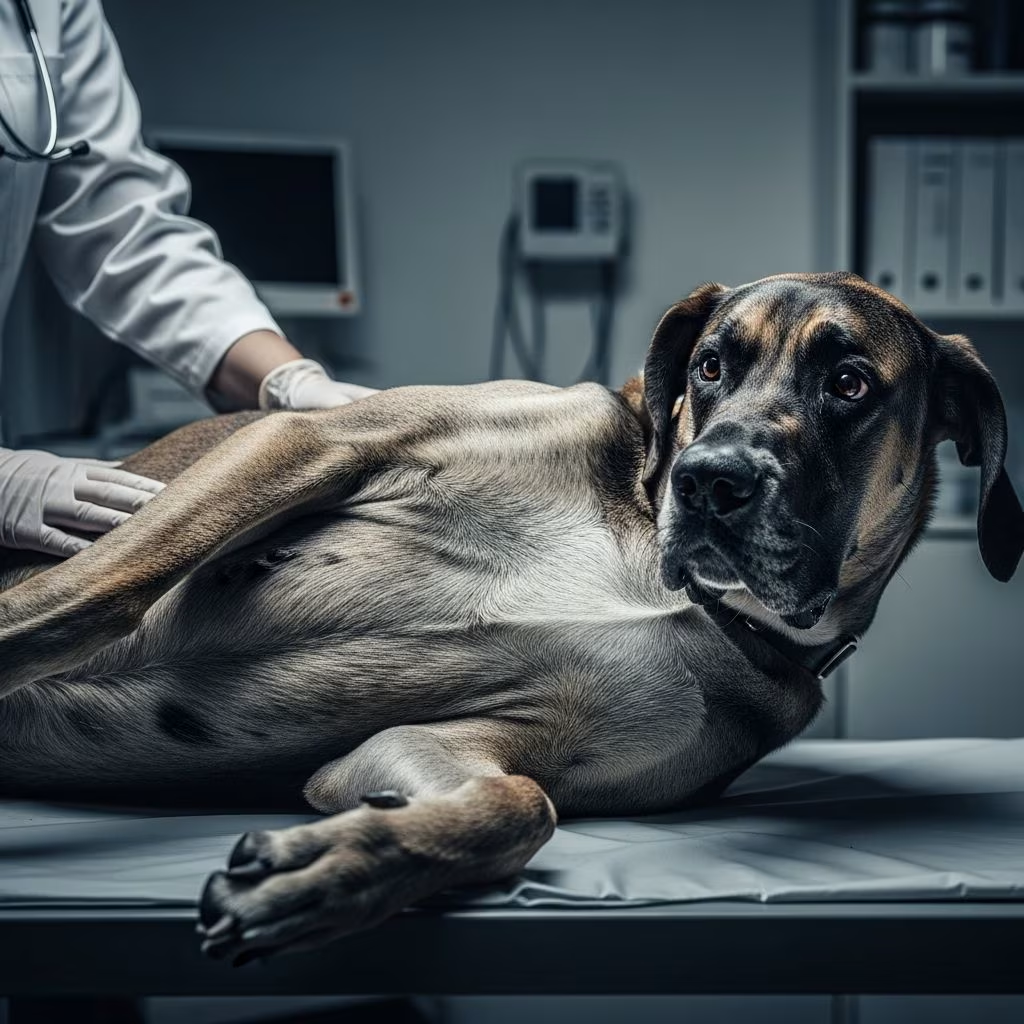
Gastric dilatation-volvulus, commonly known as bloat or GDV, strikes swiftly and can kill a dog within hours if untreated. This condition involves the stomach expanding with gas and food, then twisting, which cuts off blood flow and leads to shock.
Recognizing the Emergency: Key Symptoms of Bloat
Early detection is critical since bloat progresses rapidly. Dogs often display restlessness and pacing as initial signs, followed by a visibly swollen abdomen that feels tight or drum-like when gently pressed.
- Unproductive retching or dry heaving, where the dog strains to vomit but produces nothing
- Excessive drooling and foaming at the mouth
- Labored breathing or rapid panting due to abdominal pressure
- Pale gums, weakness, or collapse as shock sets in
- A distressed expression with attempts to lie down but inability to get comfortable
These symptoms typically appear 2-3 hours after eating, especially large meals, but can occur anytime.
Why Bloat Happens: Unraveling the Causes
The precise trigger for GDV remains unclear, but multiple factors increase susceptibility. The stomach dilates first from gas buildup, then rotates up to 360 degrees, trapping contents and impairing circulation.
Primary contributors include:
- Rapid eating or gulping large volumes of food and water
- Exercise immediately before or after meals
- Feeding dry kibble with fats or oils in the top ingredients
- Stressful environments or anxious temperaments
Physiological issues like slowed gut motility from prior illnesses can also play a role.
High-Risk Profiles: Breeds and Dogs Most Vulnerable
Certain dogs face elevated odds. Deep-chested, giant breeds top the list due to anatomical structure allowing stomach mobility.
| Breed Examples | Risk Multiplier | Other Factors |
|---|---|---|
| Great Dane, German Shepherd | High (1.5-4.8x average) | Large size >99 lbs |
| Standard Poodle, Irish Setter | Moderate-High | Male gender |
| Bloodhound, Boxer | Elevated | Age >7 years |
| Weimaraner, Labrador | Moderate | Family history |
Males, seniors, underweight or obese dogs, and those with bloat relatives are also prone. Purebreds show higher incidence than mixes.
Immediate Response: What to Do If You Suspect Bloat
Do not wait or attempt home remedies—rush to an emergency vet. Every minute counts; mortality exceeds 10-30% even with care.
- Call ahead to alert the clinic of a suspected GDV case.
- Transport calmly; avoid pressing the abdomen.
- Note recent eating, drinking, or activity for the vet.
Vets confirm via X-rays showing gas patterns and blood tests for shock indicators.
Critical Treatment Pathway: From Stabilization to Surgery
Treatment divides into stabilization, decompression, and surgery. Survival hinges on speed.
Phase 1: Stabilizing the Patient
- IV fluids and electrolytes to combat shock and restore organ perfusion
- Pain relief, anti-nausea meds, and antibiotics for tissue protection
- Oxygen support if breathing is compromised
- ECG monitoring for deadly arrhythmias from toxin release
Phase 2: Decompression
Trocarization inserts a needle to release gas, or a stomach tube passes via mouth.
Phase 3: Surgery (Essential for GDV)
Once stable, laparotomy untwists the stomach, removes necrotic tissue, and assesses spleen damage (often necessitating splenectomy). Gastropexy tacks the stomach to the abdominal wall, slashing recurrence from 80% to under 5%.
Post-op care spans days with monitoring, fluids, and gradual feeding.
Prevention Strategies: Lowering Your Dog’s Risk
Proactive steps can significantly reduce GDV odds, especially for at-risk dogs.
- Feed Management: Multiple small meals daily; use slow-feeder bowls to prevent gulping.
- Bowl Height: Ground-level bowls; elevated ones may increase risk.
- Exercise Timing: Wait 1-2 hours post-meal before vigorous activity.
- Diet Choices: Avoid kibble with fat/oil high on labels; consider soaked food.
- Proactive Gastropexy: Recommend during spay/neuter for high-risk breeds—preventive, not just reactive.
- Stress Reduction: Calm environments, routine, and anxiety management.
FAQs: Common Questions on Canine Bloat
Can bloat resolve without vet care?
No. Simple dilatation might pass, but GDV requires intervention; delay is fatal.
How quickly does bloat kill?
Untreated GDV leads to death in 1-2 hours from shock and organ failure.
Is gastropexy 100% preventive?
It prevents twisting (volvulus) but not initial dilatation; still highly effective.
Does breed size alone cause bloat?
No, but deep-chested giants have 20x higher risk than small breeds.
Can diet prevent bloat entirely?
Not entirely, but thoughtful feeding reduces factors like rapid intake.
Long-Term Outlook: Recovery and Monitoring
Survivors often thrive post-gastropexy, resuming normal lives. Watch for recurrence signs, maintain ideal weight, and schedule regular vet checks. Early gastropexy in puppies of susceptible breeds offers lifelong protection.
Owners report peace of mind knowing prevention trumps crisis response. Bloat’s shadow looms largest over unprepared households, but knowledge empowers action.
References
- Bloat in Dogs: Symptoms, Treatment & Prevention — CareCredit. 2023. https://www.carecredit.com/well-u/pet-care/bloat-in-dogs/
- Bloat in Dogs — PetMD. 2024. https://www.petmd.com/dog/conditions/digestive/bloat-in-dogs
- Gastric Dilatation-Volvulus (Bloat) — Veterinary Medical Center of CNY. 2023. https://vmccny.com/gastric-dilatationvolvulus-bloat/
- Canine Bloat (GDV): Risk, Treatment, and Prevention — Animal Emergency & Specialty Center – Parker. 2024. https://www.aescparker.com/blog/canine-bloat-gdv-risk-treatment-and-prevention
- Bloat in Dogs — Blue Cross. 2023. https://www.bluecross.org.uk/advice/dog/health-and-injuries/bloat-in-dogs
- What Is Bloat (GDV) In Dogs? — Vets Now. 2024. https://www.vets-now.com/pet-care-advice/gdv-bloat-in-dogs/



