

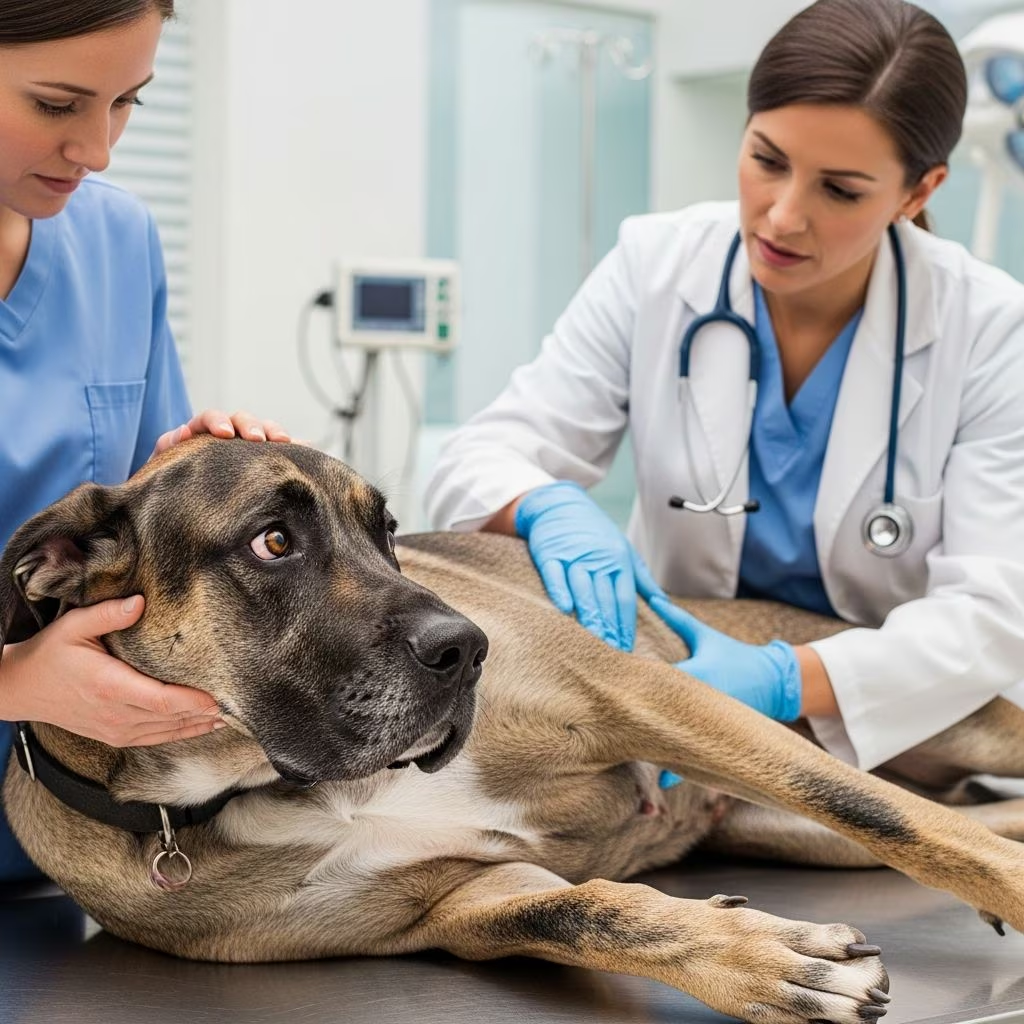
Gastric dilatation-volvulus (GDV), commonly known as bloat, represents one of the most acute and fatal conditions affecting dogs, particularly large and giant breeds. This emergency unfolds rapidly, with the stomach filling with gas and twisting on itself, cutting off blood flow and leading to shock within hours. Survival hinges on immediate veterinary intervention, as delays can prove lethal.
Decoding the Mechanisms of Bloat
Bloat begins when the stomach expands with air, food, or fluids, a phase termed gastric dilatation. In its most dangerous form, GDV, the distended stomach rotates, trapping contents and compressing vital blood vessels. This volvulus disrupts circulation, causing tissue death, toxin release, and systemic collapse. While the precise trigger remains elusive, multiple factors converge to heighten vulnerability.
- Stomach Expansion: Gas buildup from swallowed air or fermentation stretches the stomach walls.
- Twisting Action: Rotation at the esophageal and pyloric ends seals the stomach, escalating pressure.
- Systemic Fallout: Reduced blood return to the heart sparks arrhythmias and organ failure.
Breeds and Dogs Most Susceptible
Certain physical traits and genetics predispose dogs to bloat. Deep-chested, large-breed dogs face elevated risks due to anatomical configurations that facilitate stomach mobility and torsion.
| Breed | Risk Level | Key Factors |
|---|---|---|
| Great Dane | High | Deep chest, rapid growth |
| German Shepherd | Moderate-High | Genetic lines, size |
| Standard Poodle | Moderate | Slender torso |
| Bernese Mountain Dog | High | Large frame, hereditary |
| Irish Setter | Moderate | Chest conformation |
Males over 99 pounds, seniors, and those with familial histories amplify susceptibility. Purebreds show 1.5-4.8 times higher incidence than mixed breeds.
Recognizing Critical Early Symptoms
Owners must spot subtle cues before progression to collapse. Initial signs mimic milder distress but demand scrutiny.
- Unproductive retching or dry heaves, with no vomit expulsion.
- Restlessness, pacing, or futile attempts to lie comfortably.
- Enlarged, taut abdomen resembling a drum.
- Excessive drooling, pale gums, or rapid shallow breathing.
- Weakness, collapse, or anxious whining.
Advanced stages bring gum discoloration, erratic heartbeat, and coma. Time from onset to death can span just 1-2 hours.
Unraveling the Root Causes and Triggers
No single etiology explains GDV, but consistent risk modifiers emerge across studies. Behavioral and dietary habits play pivotal roles.
- Rapid Ingestion: Gulping food or water aerophagia leads to gas accumulation.
- Feeding Practices: Single large meals, elevated bowls, or high-fat dry kibble (fats in top ingredients).
- Activity Patterns: Vigorous exercise post-meal or before digestion settles.
- Physiological States: Obesity, underweight, stress, or prior gastrointestinal slowdowns.
- Environmental Stress: Anxious temperaments or boarding scenarios heighten odds.
One analysis linked oils like sunflower or animal fat in the first four kibble ingredients to increased GDV in high-risk breeds.
Immediate Veterinary Response Protocols
GDV constitutes a veterinary crisis; home remedies fail catastrophically. Rush to an emergency clinic for diagnostics via X-rays confirming dilatation or volvulus, blood panels, and ECG for cardiac monitoring.
- Stabilization: IV fluids combat shock, restoring organ perfusion.
- Decompression: Trocarization or tubing vents gas, easing pressure.
- Pain Control: Analgesics and anti-nausea agents alleviate suffering.
- Surgical Intervention: Laparotomy untwists the stomach, resects necrotic tissue, and performs gastropexy.
Gastropexy tethers the stomach to the abdominal wall, slashing recurrence from 80% to under 5%.
Surgical Solutions and Long-Term Outcomes
Once stabilized, surgery proves essential for GDV cases. Veterinarians manually reposition the stomach, excise dead sections, and secure it via gastropexy—preventive even in spay/neuter procedures for at-risk dogs.
Prognosis varies: simple bloat resolves with medical management, yielding near-100% survival. GDV surgery boasts 70-90% success if prompt, dropping sharply with delays. Post-op care spans days of monitoring for sepsis, arrhythmias, or re-dilatation.
Proactive Prevention Tactics for Owners
Armed with knowledge, owners can mitigate risks through targeted strategies.
- Split meals into 2-3 smaller portions daily, using slow-feeder bowls.
- Avoid raised dishes; feed at ground level.
- Select kibble sans high fats/oils in top ingredients; consider soaked food.
- Enforce 1-hour rest pre- and post-meal, eschewing play.
- Promote calm environments; manage stress for nervous dogs.
- Schedule prophylactic gastropexy for vulnerable breeds during routine surgeries.
Regular weight checks and genetic screening for breeding further bolster defenses.
FAQs on Dog Bloat
What breeds face highest bloat risk?
Great Danes, Saint Bernards, and Weimaraners top the list due to deep chests and size.
Can bloat resolve without surgery?
Simple dilatation may, via decompression and fluids, but volvulus mandates operation.
How quickly must I act on symptoms?
Minutes count; seek ER care immediately upon retching or abdominal swelling.
Does diet directly cause bloat?
Not solely, but gulping dry, fatty kibble correlates strongly.
Is gastropexy worthwhile for all large dogs?
Highly recommended for high-risk breeds to avert recurrence.
Navigating Recovery After a Bloat Episode
Survivors require vigilant aftercare: bland diets phased in, antibiotics against infection, and cardiac follow-ups. Monitor for recurrence signs, as even gastropexy doesn’t eliminate dilatation risk. Most dogs regain normalcy within weeks, but owners should adopt lifelong precautions.
References
- Bloat in Dogs: Symptoms, Treatment & Prevention — CareCredit. 2023. https://www.carecredit.com/well-u/pet-care/bloat-in-dogs/
- Bloat in Dogs — PetMD. 2024-01-15. https://www.petmd.com/dog/conditions/digestive/bloat-in-dogs
- Canine Bloat (GDV): Risk, Treatment, and Prevention — AESC Parker. 2023-08-20. https://www.aescparker.com/blog/canine-bloat-gdv-risk-treatment-and-prevention
- Gastric Dilatation-Volvulus (Bloat) — Veterinary Medical Center of CNY. 2024. https://vmccny.com/gastric-dilatationvolvulus-bloat/
- Bloat in Dogs | Symptoms and Treatment of Bloat — Blue Cross. 2023-11-10. https://www.bluecross.org.uk/advice/dog/health-and-injuries/bloat-in-dogs
- What Is Bloat (GDV) In Dogs? — Vets Now. 2024-02-05. https://www.vets-now.com/pet-care-advice/gdv-bloat-in-dogs/
- Bloat: Gastric Dilatation and Volvulus in Dogs — VCA Animal Hospitals. 2023. https://vcahospitals.com/know-your-pet/bloat-gastric-dilatation-and-volvulus-in-dogs



