

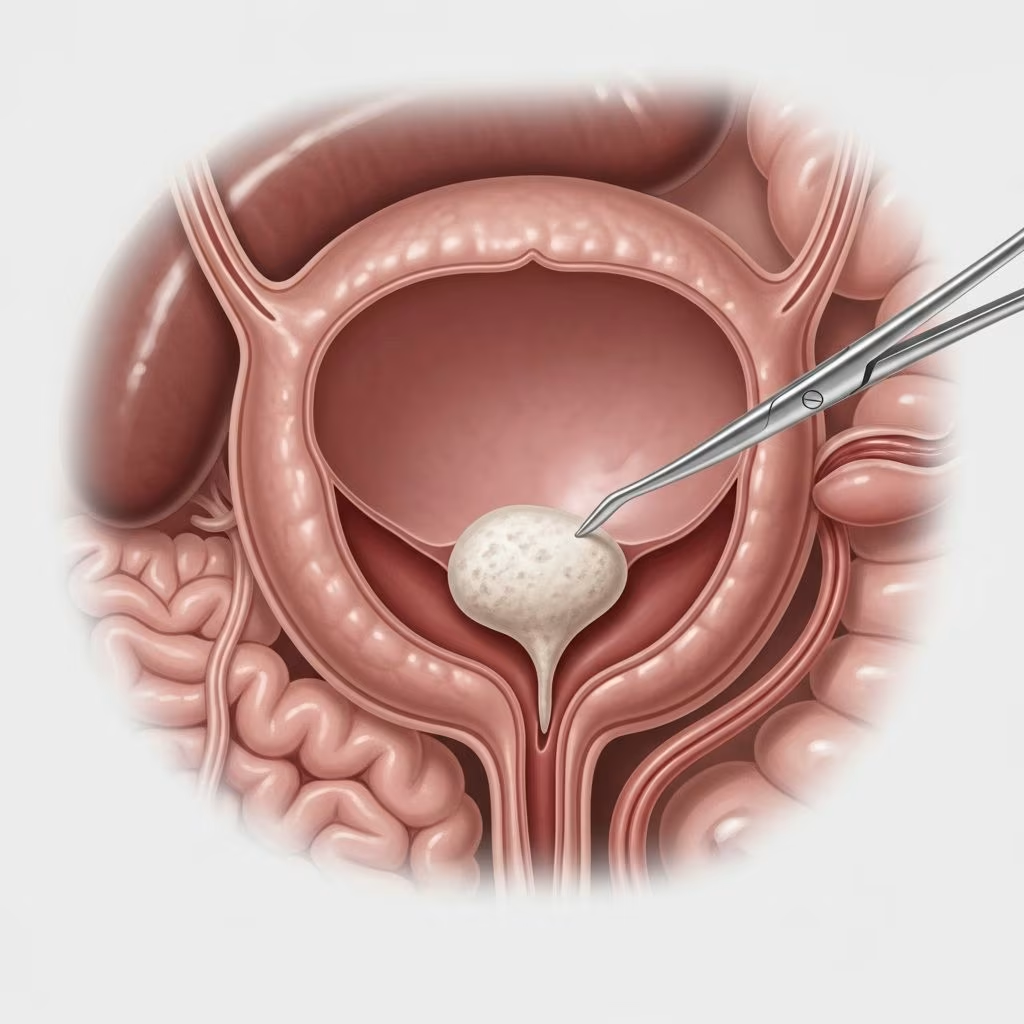
When a veterinarian diagnoses your dog with bladder stones, understanding the financial commitment becomes an essential part of treatment planning. Bladder stone formation in canines represents a common urological concern that demands prompt veterinary attention. The expenses associated with managing this condition extend far beyond the surgical procedure itself, encompassing diagnostic testing, pre-operative preparations, and post-operative care. Pet owners facing this diagnosis need comprehensive information to make informed decisions about their dog’s health while preparing their finances accordingly.
Initial Diagnostic Expenses: Building a Complete Picture
Before determining the most appropriate treatment strategy, veterinarians must conduct thorough diagnostic evaluations to assess your dog’s specific situation. These preliminary tests establish the foundation for all subsequent treatment decisions and represent significant but necessary costs.
Physical examination serves as the first step, typically costing between $40 and $80. During this assessment, veterinarians palpate the dog’s abdomen to detect larger stones manually. This initial consultation helps determine which additional diagnostic tools will provide the most useful information.
Laboratory analysis of urine represents the next diagnostic level, ranging from $30 to $100. This examination identifies crystal formations, pH imbalances, blood presence, and infection indicators that commonly accompany bladder stone development. The results provide critical information about stone composition and underlying metabolic factors.
Bacterial culture and sensitivity testing costs approximately $150 to $300 and determines whether bacterial infections contributed to stone formation. Many dogs with bladder stones develop concurrent urinary tract infections that require targeted antibiotic therapy during and after treatment.
Comprehensive blood evaluation typically expenses $100 to $200 and assesses overall health status while identifying metabolic imbalances like elevated calcium levels that predispose dogs to recurrent stone formation. This assessment becomes particularly important for surgical candidates to ensure anesthetic safety.
Advanced Imaging: Visualizing the Problem
Modern veterinary practice relies on sophisticated imaging techniques to locate, size, and characterize bladder stones before selecting treatment approaches.
Radiographic imaging costs $150 to $250 per image and visualizes stones as white circular formations within the bladder. X-rays effectively identify most stone types but may miss certain radiolucent (non-mineral) stones that don’t appear clearly on conventional radiographs.
Ultrasonographic examination represents a more detailed imaging option, ranging from $300 to $600. Ultrasound provides excellent visualization of bladder abnormalities, stone characteristics, and surrounding tissue health without radiation exposure. This imaging method often becomes essential when radiographs prove inconclusive.
Specialized contrast studies employ dye-based techniques to outline stones that don’t appear readily on standard radiographs. These advanced imaging procedures add to overall diagnostic costs but provide crucial information for treatment planning in complex cases.
Surgical Treatment: The Cystotomy Procedure
Surgical stone removal through cystotomy represents the most definitive treatment approach, particularly for large or numerous stones. This procedure involves creating an incision in the bladder wall, extracting calculi, and thoroughly flushing the urinary system.
The financial range for cystotomy extends from $1,500 to $4,000, with most cases falling between $1,500 and $3,500. The cost variation reflects several contributing factors:
- Dog size and body composition
- Stone quantity and complexity
- Geographic location and local veterinary pricing
- Anesthetic requirements and monitoring
- Post-operative hospitalization needs
- Surgeon experience and specialization level
Cystotomy offers the advantage of immediate stone removal and typically includes post-operative flushing of the entire urinary tract to eliminate residual fragments. Recovery time is generally quicker than expected, though dogs require careful monitoring during the initial healing phase.
Non-Surgical Treatment Alternatives
Not every bladder stone case requires surgery. Several non-invasive or minimally invasive options exist for appropriate candidates, offering significant cost savings.
Urohydropropulsion represents a non-surgical flushing technique suitable for smaller stones, particularly in female dogs. This procedure, costing between $400 and $800, involves introducing sterile saline into the bladder to propel small stones through the urethra. Success rates reach approximately 86.7% after two treatment attempts, making it an attractive option for qualifying candidates and providing substantial savings compared to surgical intervention.
Laser lithotripsy offers a middle-ground approach between traditional surgery and conservative flushing techniques. Ranging from $1,300 to $2,800, this procedure uses laser energy to fragment large stones into smaller pieces that can be removed surgically or passed naturally. This technology proves particularly valuable for large stones in male dogs where urohydropropulsion might prove ineffective.
Dietary dissolution therapy represents the most economical option for suitable stone types, costing only $40 to $80 per food case. This approach works specifically for struvite stones by altering urine chemistry to gradually dissolve existing calculi over several weeks or months. However, this method cannot dissolve calcium oxalate, urate, cystine, or silicate stones, limiting its applicability to specific stone compositions.
Understanding Treatment Cost Variations
| Treatment Option | Cost Range | Recovery Time | Best For |
|---|---|---|---|
| Cystotomy Surgery | $1,500–$4,000 | 2–4 weeks | Large or multiple stones |
| Urohydropropulsion | $400–$800 | 1–2 days | Small stones in females |
| Laser Lithotripsy | $1,300–$2,800 | 1–2 weeks | Large stones requiring fragmentation |
| Dietary Dissolution | $40–$80 per case | Ongoing | Struvite stones only |
Hidden Expenses: Planning for Complete Care
The surgical procedure itself represents only a portion of total treatment expenses. Pet owners must budget for numerous additional costs that frequently exceed initial surgical quotes.
Pre-operative preparation includes anesthetic assessment and pre-surgical bloodwork not covered in standard physical exams. These evaluations typically cost $150 to $300 depending on the veterinary facility.
Anesthesia and monitoring during cystotomy procedures incurs separate charges from the surgical fee itself. Anesthetic costs vary based on your dog’s weight and anesthetic protocol selected but typically range from $300 to $600.
Post-operative medications including antibiotics, pain management drugs, and any anti-inflammatory agents necessary for proper healing commonly cost $100 to $300 during the initial recovery period.
Hospitalization expenses for overnight observation or extended recovery supervision can reach $600 to $1,700 per night. Most dogs are discharged the same day after anesthetic recovery, but complex cases or dogs with underlying health conditions may require overnight care.
Follow-up examinations scheduled at two-week and six-week intervals typically cost $50 to $100 per visit and ensure proper healing and absence of complications.
Recurrence prevention may require dietary modifications or ongoing supplements specifically formulated to prevent future stone formation, adding monthly expenses of $30 to $60.
Evaluating Safety and Complication Risks
While cystotomy remains a common and generally safe procedure, understanding potential complications helps pet owners make informed decisions and budget for unexpected expenses.
Primary surgical risks include infection at the incision site, urinary tract complications, and anesthesia-related reactions. However, these complications occur infrequently when performed by experienced veterinarians using proper sterile technique and appropriate post-operative care protocols.
Male dogs may occasionally require additional procedures to restore normal urinary function if stones obstruct the urethra. These supplementary procedures, such as urethrostomy, can add $591 to $1,181 to total surgical costs.
Most dogs recover well with appropriate aftercare, resuming normal activity within 2–4 weeks. Proper wound care, restricted activity during initial healing, and compliance with post-operative medication regimens minimize complication risks significantly.
Financial Planning and Insurance Considerations
The substantial costs associated with bladder stone treatment make financial planning an important aspect of pet ownership. Pet insurance policies frequently cover emergency surgery including cystotomy procedures, potentially reimbursing 70–90% of eligible expenses depending on plan details and coverage limits.
Pet owners without insurance should consider several cost-management strategies: requesting itemized estimates before treatment begins, asking about payment plans or financing options, investigating veterinary surgical centers that may offer lower rates than specialty hospitals, and securing multiple quotes from different veterinary providers when time permits.
Recovery Timeline and Post-Treatment Monitoring
Understanding the recovery process helps pet owners plan for time away from work and budget for extended care needs. Most dogs return home within 24 hours of cystotomy surgery, though they require significant activity restriction for two weeks.
Initial recovery focuses on pain management and preventing complications at the surgical site. Dogs must wear protective collars to prevent licking the incision and should avoid running, jumping, or rough play that could stress healing tissues.
By week three, most dogs can gradually resume normal activity levels as tissues continue healing internally. Final surgical follow-up examinations at six weeks confirm complete healing before removing activity restrictions entirely.
Frequently Asked Questions About Bladder Stone Surgery Costs
What factors most significantly influence total surgery costs?
Stone size, quantity, and complexity represent primary cost drivers, along with geographic location and whether your veterinarian is a general practitioner or board-certified surgeon. Emergency versus planned procedures also affect pricing, as emergency treatments typically cost 20–40% more than scheduled surgeries.
Can pet insurance help manage these expenses?
Most comprehensive pet insurance policies cover unexpected surgery including cystotomy and related diagnostic procedures. Coverage typically reimburses 70–90% of eligible costs after meeting annual deductibles. Pre-existing conditions like documented bladder stones may not be covered under new policies, so early insurance enrollment provides important protection.
Are there ways to reduce overall treatment costs?
Selecting appropriate non-surgical treatments when suitable reduces expenses dramatically. Urohydropropulsion costs 75% less than surgery for qualifying candidates. Dietary dissolution for struvite stones offers the most economical long-term approach, though initial diagnosis costs remain constant.
How often do bladder stones recur after surgery?
Recurrence rates vary by stone composition, ranging from 3–10% for properly managed cases. Dietary modifications and preventive measures significantly reduce recurrence risk, potentially avoiding expensive repeat surgeries.
Should I seek a second opinion before committing to surgery?
Obtaining multiple veterinary opinions helps confirm diagnosis, explore all treatment options, and compare pricing. This approach requires modest additional expense for extra examinations but can provide confidence in treatment decisions and identify potential cost savings.
References
- How Much Does Bladder Stone Surgery Cost For Dogs? (2026) — Vety. 2026. https://vety.com/costs/dog-bladder-stones-surgery-cost
- Bladder Stones in Dogs [Types, Signs, Treatment, Cost] — Get Odie. 2024. https://getodie.com/blog/bladder-stones-in-dogs-types-signs-treatment-cost/
- How Much Does Dog Surgery Cost? — Lemonade Insurance. 2024. https://www.lemonade.com/pet/explained/dog-surgery-cost/
- Cystotomy in Dogs — PetMD. 2024. https://www.petmd.com/dog/procedure/cystotomy-in-dogs
- Bladder Stones in Dogs: Causes, Symptoms and Treatments — Care Credit. 2024. https://www.carecredit.com/well-u/pet-care/bladder-stones-dogs/
- Bladder Stones in Dogs | Everything You Need to Know — MetLife Pet Insurance. 2024. https://www.metlifepetinsurance.com/blog/pet-health/bladder-stones-in-dogs-everything-you-need-to-know/
- Urolithiasis Evaluation/Procedures Information and Estimate — University of Tennessee College of Veterinary Medicine. 2024. https://vetmed.tennessee.edu/wp-content/uploads/sites/4/UTCVM_Urolithiasis_Pre-Referral.pdf



