

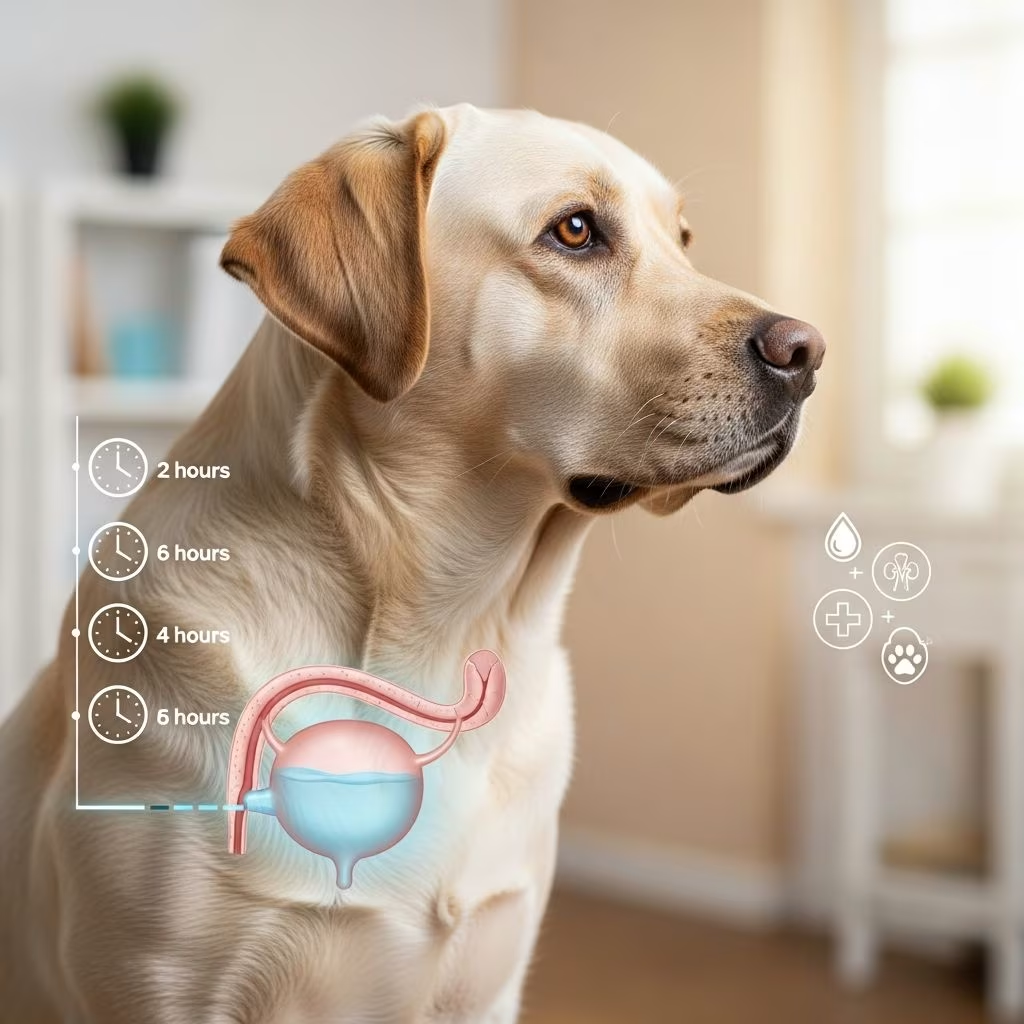
Understanding Your Dog’s Natural Urination Patterns
Dogs, like all mammals, have biological limitations regarding how long they can retain urine in their bladders. Understanding these natural patterns is essential for responsible pet ownership and recognizing potential health concerns. The duration a dog can go without urinating depends on multiple interconnected factors, including age, overall health status, individual physiology, and daily hydration levels.
A healthy adult dog typically urinates between four and six times per day, though this frequency can vary significantly based on individual circumstances. Most dogs demonstrate the ability to hold their urine for approximately eight to ten hours, though this should not be interpreted as an optimal practice. Puppies and senior dogs have considerably different urinary needs and capacities compared to dogs in their prime adult years.
Age-Related Variations in Bladder Control
The age of your dog plays a critical role in determining bladder capacity and control. Puppies, particularly those under six months of age, possess developing nervous systems and smaller bladder volumes. Young puppies typically require urination opportunities every two to three hours during their first few weeks, gradually extending to four-hour intervals as they approach three to four months of age.
Senior dogs, typically considered those over seven years old, often experience declining muscle tone and neurological efficiency related to bladder function. This physiological change can result in increased frequency of urination or occasional accidents despite the dog’s best efforts to maintain continence. Senior dogs may need to urinate more frequently than their younger counterparts, sometimes requiring bathroom breaks every six to eight hours rather than the longer intervals manageable by middle-aged adults.
Physiological Factors Influencing Urinary Retention
Several physiological characteristics determine how long an individual dog can comfortably retain urine:
- Bladder size: Larger dog breeds generally have larger bladders with greater storage capacity compared to toy breeds and small dogs
- Metabolism rate: Dogs with faster metabolisms process fluids more quickly, requiring more frequent elimination
- Kidney function: The efficiency of the kidneys in filtering waste affects how quickly the bladder fills
- Hydration status: Dogs consuming more water throughout the day produce more urine and require more frequent bathroom breaks
- Diet composition: Certain foods and dietary ingredients can influence urine concentration and bladder filling rates
- Overall health status: Chronic conditions or temporary illnesses can significantly impact normal urination patterns
Common Urinary Health Complications
When dogs cannot urinate normally or experience difficulties with bladder function, serious health complications can develop. Understanding these conditions helps owners recognize warning signs requiring immediate veterinary attention.
Urinary Tract Infections and Inflammation
Urinary tract infections (UTIs) represent one of the most prevalent urinary health issues affecting dogs of all ages. Bacteria entering the urinary system cause inflammation and irritation throughout the tract, leading to discomfort during urination. Dogs experiencing UTIs typically display frequent urination attempts, straining, and increased licking around the urinary opening. Some affected dogs may also exhibit blood in their urine or demonstrate visible signs of pain.
UTIs require veterinary diagnosis through urinalysis and appropriate antimicrobial treatment. Untreated infections can progress to the kidneys, resulting in more severe health consequences.
Urinary Obstruction and Blockages
Urinary obstructions represent a medical emergency requiring immediate veterinary intervention. When something blocks the urethra, urine cannot pass from the bladder, creating a potentially life-threatening situation. Male dogs are particularly susceptible to complete urethral obstructions due to their anatomically narrower urethras compared to females.
Kidney stones, also known as urinary calculi, constitute the most common cause of urethral blockage in dogs. These stone formations develop when minerals in the urine crystallize into rock-like structures. Certain dog breeds demonstrate genetic predispositions toward specific types of stones—Dalmatians are prone to forming urate calculi, while Yorkshire Terriers and Schnauzers with liver shunts commonly develop ammonium biurate calculi.
Additional causes of urinary obstruction include tumors, urethral plugs, scar tissue, and trauma. Dogs experiencing blockage typically strain to urinate, may whimper in pain, and show visible signs of distress. Some dogs produce only small amounts of urine, urinate in drips rather than strong streams, or take extended periods attempting to void.
Neurological Causes of Urinary Retention
Neurological conditions disrupting normal bladder function can impair a dog’s ability to urinate normally. The spinal cord and brain stem communicate essential signals controlling the micturition reflex—the coordinated process enabling urination.
Spinal cord injuries, lesions affecting the lumbosacral spine, and brain diseases can all disrupt this communication pathway. Dysautonomia, also known as Key-Gaskell syndrome, represents a specific neurological disease affecting nerves controlling bladder function. When these neurological pathways are compromised, dogs may experience either inability to urinate or involuntary urine leakage despite their conscious efforts to maintain continence.
Mechanical and Functional Obstructions
Beyond simple blockages, mechanical issues affecting urethra structure can impair normal urination. Strictures—areas where the urethral pathway becomes abnormally narrowed—can restrict urine flow. Urethral hypoplasia, an underdevelopment of the urethra present from birth, reduces the diameter available for urine passage.
Functional urinary retention occurs when the coordination between urethral relaxation and bladder contraction fails, even without physical obstruction. This condition, sometimes called reflex dyssynergia, can result from neurological dysfunction or represent an idiopathic condition without identifiable mechanical cause.
Signs of Urinary Problems Requiring Veterinary Evaluation
Pet owners should seek veterinary assistance when observing any of the following signs:
- Inability to urinate despite repeated attempts
- Straining, whimpering, or visible pain during urination
- Frequent urination but producing only small amounts
- Blood present in urine
- Abdominal tenderness, bloating, or distension
- Lethargy, vomiting, or loss of appetite
- Unusual behavioral changes or disinterest in normal activities
- Urinary incontinence or involuntary urine leakage
- Inability to maintain continence despite adequate bathroom opportunities
Diagnostic Approaches for Urinary Issues
When dogs present with urinary concerns, veterinarians employ multiple diagnostic tools to identify underlying causes. Urinalysis examines urine composition, identifying crystals, bacteria, blood, or other abnormalities. Imaging studies including radiographs and ultrasound visualize the bladder, urethra, and kidneys to identify stones, tumors, or structural abnormalities.
Blood work assesses kidney function and overall metabolic health, providing important context for urinary system dysfunction. In some cases, manual bladder expression or catheterization may be necessary both for diagnostic purposes and therapeutic relief of urinary retention. Neurological examination helps identify potential spinal cord or brain involvement affecting micturition control.
Urinary Incontinence: Involuntary Leakage and Storage Issues
Urinary incontinence differs fundamentally from urinary retention—it represents involuntary urine leakage despite the dog’s attempts to maintain continence. Urethral sphincter mechanism incompetence (USMI) represents the most common cause of urinary incontinence resulting from storage failure in dogs.
USMI frequently relates to hormone deficiency in spayed female dogs, termed hormone-responsive urethral incompetence. Neutered females lose estrogen production, which normally maintains urethral muscle tone and sensitivity. This hormonal withdrawal can result in gradual development of incontinence, sometimes years after the spaying procedure.
Additional causes of incontinence include bladder hypercontractility causing frequent small-volume leakage, anatomic abnormalities such as ectopic ureters, and mixed incontinence combining multiple dysfunction types. Stress-related factors and behavioral issues can also contribute to inappropriate urination, particularly in dogs experiencing anxiety or fear.
Lifestyle Management for Optimal Bladder Health
Beyond addressing medical conditions, owners can implement practical strategies supporting healthy urinary function:
- Regular bathroom schedules: Establish consistent times for outdoor bathroom breaks to prevent excessive urine retention
- Adequate hydration: Ensure access to fresh water while monitoring fluid intake for dogs with specific medical conditions
- Appropriate diet: Feed high-quality, balanced nutrition supporting kidney and urinary tract health
- Exercise and activity: Maintain regular physical activity stimulating normal bladder and bowel function
- Stress reduction: Minimize anxiety through environmental management and behavioral support
- Accessibility: Provide easy access to outdoor areas, particularly for senior dogs with mobility limitations
Frequently Asked Questions
How long can a healthy adult dog realistically hold urine?
A healthy adult dog can typically hold urine for eight to ten hours, though this represents the maximum capability rather than the optimal standard. Regular bathroom breaks every six to eight hours support better long-term bladder health.
Why do some dogs urinate more frequently than others?
Urination frequency varies based on age, breed size, diet, hydration levels, and individual metabolism. Additionally, medical conditions, medications, and behavioral factors can significantly influence urination patterns.
What constitutes an emergency requiring immediate veterinary care?
Complete inability to urinate, severe straining accompanied by pain, abdominal distension, and signs of systemic illness require emergency veterinary evaluation. Urinary blockages can become life-threatening within hours.
Can behavioral training improve urinary control?
While behavioral training can address some stress-related retention issues, medical causes require veterinary treatment. Training alone cannot resolve organic urinary disease or anatomic abnormalities.
Should I limit water intake if my dog has urinary problems?
Never restrict water intake without veterinary guidance. Adequate hydration actually supports urinary tract health by promoting regular flushing of the system. Veterinarians will provide specific recommendations based on individual diagnoses.
References
- Urinary Incontinence (Urethral Incontinence) in Dogs — VCA Animal Hospitals. https://vcahospitals.com/know-your-pet/urethral-incontinence-in-dogs
- Dog Not Peeing? Causes and When To Call Your Vet — PetMD. https://www.petmd.com/dog/symptoms/dog-not-peeing
- Urinary Obstruction in Dogs — American College of Veterinary Surgeons (ACVS). https://www.acvs.org/small-animal/urinary-obstruction-in-dogs/
- Inability to Urinate in Dogs – Symptoms, Causes, Diagnosis — Wag! https://wagwalking.com/condition/inability-to-urinate
- Urinary Obstruction or Functional Urinary Retention — DVM 360. https://www.dvm360.com/view/urinary-obstruction-or-functional-urinary-retention-proceedings
- Dog Not Peeing? Causes, Implications & Risks — Pawlicy Advisor. https://www.pawlicy.com/blog/dog-not-peeing/
- Disorders of Micturition in Dogs and Cats – Urinary System — Merck Veterinary Manual. https://www.merckvetmanual.com/urinary-system/noninfectious-diseases-of-the-urinary-system-in-small-animals/disorders-of-micturition-in-dogs-and-cats
- Why Won’t My Dog Pee? — North Kenny Veterinary Hospital. https://northkennyvet.com/blog/why-wont-my-dog-pee/



