

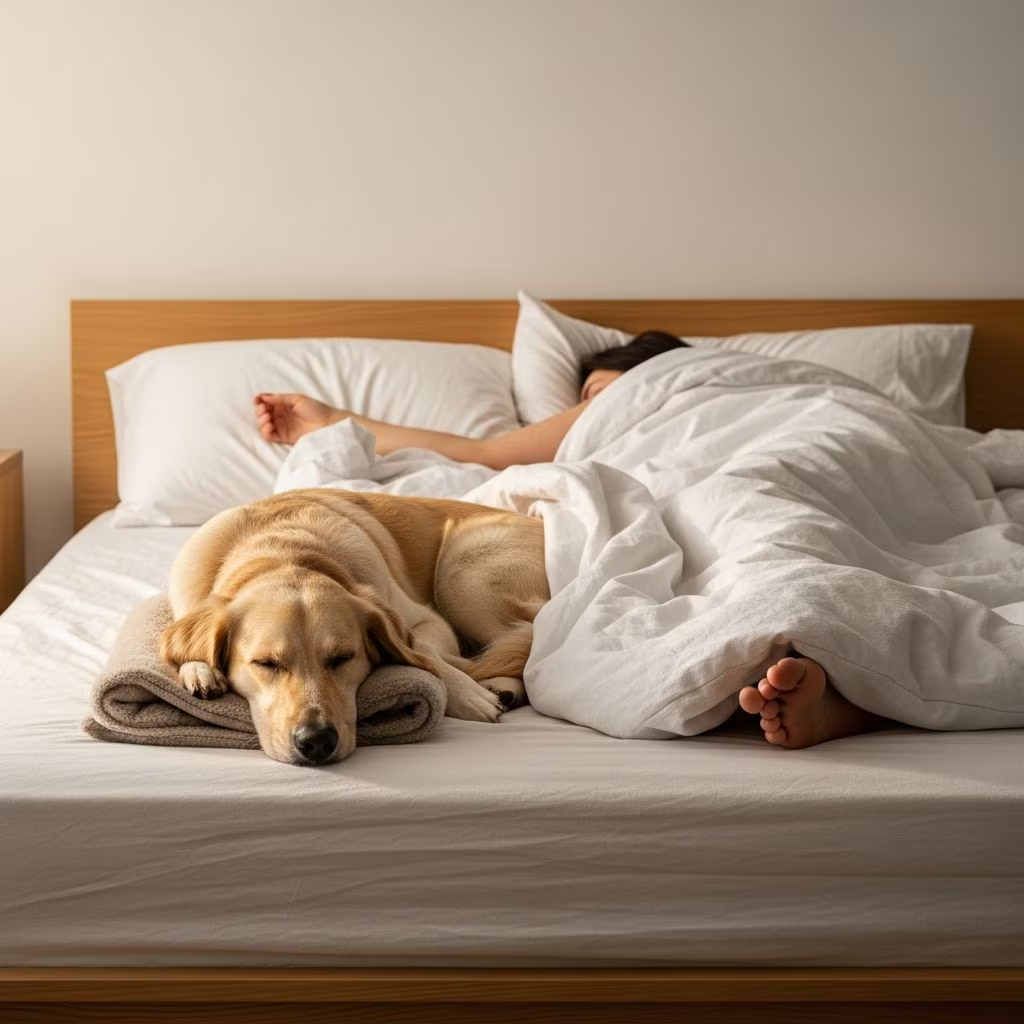
Inviting your dog to share your bed is a common practice among pet owners, offering companionship but also potential challenges. This decision hinges on lifestyle, health, and your dog’s behavior, with studies showing varied outcomes for sleep quality and emotional well-being.
Emotional and Psychological Advantages
Co-sleeping with your dog fosters a deeper emotional connection. Pet parents often report feeling more bonded when their dogs join them at night, leading to increased affection and easier training. This proximity extends quality time, allowing for relaxation and stress reduction through physical closeness.
- Enhanced Bonding: A 2021 Australian study found co-sleeping pet owners perceive stronger relationships with their dogs, promoting attentiveness and responsiveness.
- Stress Relief: Cuddling releases oxytocin, mirroring human interactions, which calms both parties after a long day.
- Mental Health Support: Sharing sleep space can alleviate depression symptoms, providing comfort akin to a living security blanket.
For many, this setup transforms bedtime into a ritual of mutual reassurance, strengthening the human-canine partnership.
Physical Comfort and Security Gains
Dogs provide natural warmth, especially valuable during colder months. Their body heat acts like a living heater, helping owners fall asleep faster and stay cozy. Additionally, many feel safer with a vigilant companion nearby, as dogs instinctively alert to unusual noises or intruders.
| Benefit | Description | Supporting Evidence |
|---|---|---|
| Warmth | Regulates body temperature for deeper sleep | Pet owners report quicker sleep onset |
| Security | Acts as a natural alarm system | Commonly cited by women for safety feelings |
| Sleep Aid | 46% sleep better with pets | American Academy of Sleep Medicine survey |
These perks make bed sharing appealing for solo sleepers or those in cooler climates, enhancing overall rest without mechanical aids.
Sleep Quality: What Research Reveals
Contrary to myths, co-sleeping doesn’t universally harm sleep. A Mayo Clinic study indicated minimal disruptions for most, with benefits often outweighing occasional interruptions like snores. Women sharing beds with dogs experienced less disturbance than those with cats, per Sleep Foundation data. However, light sleepers may notice impacts from dogs’ polyphasic cycles—multiple short sleep phases versus humans’ monophasic one.
Dogs average three sleep/wake cycles hourly, staying semi-alert, which can lead to twitching or repositioning. Yet, 46% of co-sleepers report improved sleep due to security and routine.
Potential Disruptions to Rest
Not all experiences are positive. Restless dogs can fragment human sleep through movement, snoring, or heat generation. Large breeds exacerbate this by claiming space, limiting stretching or rolling.
- Movement Interference: Fidgety sleepers wake owners multiple times nightly.
- Temperature Issues: Overheating common with thick-coated or big dogs, especially in summer.
- Noise Factors: Snoring, panting, or barking at shadows disrupt deep sleep stages.
Owners with insomnia or sensitivity might fare better with separate arrangements to prioritize uninterrupted rest.
Health and Hygiene Considerations
Allergies pose a key concern; dog dander, fur, and saliva trigger symptoms like sneezing or congestion in proximity.Outdoor adventures bring in dirt, pollen, and microbes, necessitating frequent bedding washes and grooming. Fleas, ticks, or parasites risk transfer, though regular vet care mitigates this.
For asthmatics or immunocompromised individuals, maintaining a clean sleep zone is crucial. Senior dogs may introduce incontinence risks, soiling sheets.
Behavioral Impacts on Training and Hierarchy
Bed sharing rarely causes dominance issues, per experts; it’s more about comfort than control. However, it can amplify resource guarding, where insecure dogs defend ‘their’ spot with growls. This stems from anxiety, not leadership assertion.
Puppies learn boundaries easier from crates, preventing habits like middle-of-bed demands. Consistent rules preserve training efficacy regardless of location.
Practical Tips for Harmonious Co-Sleeping
To optimize bed sharing:
- Establish Rules Early: Train ‘off’ commands to reclaim space.
- Groom Regularly: Brush and bathe to minimize allergens.
- Use Protective Layers: Waterproof mattress covers and washable blankets.
- Monitor Sleep Patterns: Track disruptions; adjust if needed.
- Consider Size: Small dogs suit tighter beds better than giants.
Hybrid options like dog beds beside yours balance benefits without full invasion.
Special Cases: Puppies, Seniors, and Multi-Pet Homes
Puppies benefit from crate training for housebreaking and independence, transitioning to bed later. Seniors with arthritis appreciate elevated, orthopedic beds nearby for joint relief.
In multi-dog or family homes, space management prevents chaos; designate spots to avoid guarding.
Alternatives to Full Bed Access
- Floor Beds: Elevated coolers for hot sleepers.
- Crate in Room: Security without sharing sheets.
- Foot of Bed: Compromise for cuddlers.
These maintain proximity’s emotional perks minus hygiene hassles.
Frequently Asked Questions
Does sleeping with my dog make them dominant?
No, experts from the American Kennel Club affirm it enhances bonds without hierarchy shifts.
Will it ruin my sleep?
Not typically; studies show most adapt well, though monitor personal tolerance.
Is it hygienic?
With grooming and laundry, yes—but allergies warrant caution.
What if my dog guards the bed?
Address underlying anxiety via training; it’s insecurity-driven.
Best for small vs. large dogs?
45% of owners prefer small dogs in bed due to space.
Making the Right Choice for Your Household
Weigh personal sleep needs against companionship desires. Trial periods help gauge fit, prioritizing mutual comfort. Consult vets for health-specific advice.
References
- The Pros and Cons of Letting Your Dog Sleep in Your Bed — Levoit. 2023. https://levoit.com/blogs/levoit-blog/letting-your-dog-sleep-in-your-bed
- The Pros & Cons of Letting Your Dog Sleep in Bed with You — Bil-Jac. 2023. https://www.bil-jac.com/the-dog-blog/posts/the-pros-cons-of-letting-your-dog-sleep-in-bed-with-you/
- Should Dogs Sleep in Bed? — Rover. 2023. https://www.rover.com/blog/should-dogs-sleep-in-bed/
- To Sleep or Not to Sleep: The Pros and Cons of Allowing Your Dog to Sleep in Your Bed — Vital Essentials. 2022-01-31. https://www.vitalessentials.com/raw-guide/to-sleep-or-not-to-sleep-the-pros-and-cons-of-allowing-your-dog-to-sleep-in-your-bed
- Should I Let My Dog Sleep With Me? — American Kennel Club. 2023. https://www.akc.org/expert-advice/advice/should-my-dog-sleep-with-me/
- Sleeping with Pets: Benefits and Risks — Sleep Foundation. 2023. https://www.sleepfoundation.org/animals-and-sleep/sleeping-with-pets
- Is it ok to share your bed with pets? — Animal Humane Society. 2023. https://www.animalhumanesociety.org/resource/it-ok-share-your-bed-pets



