

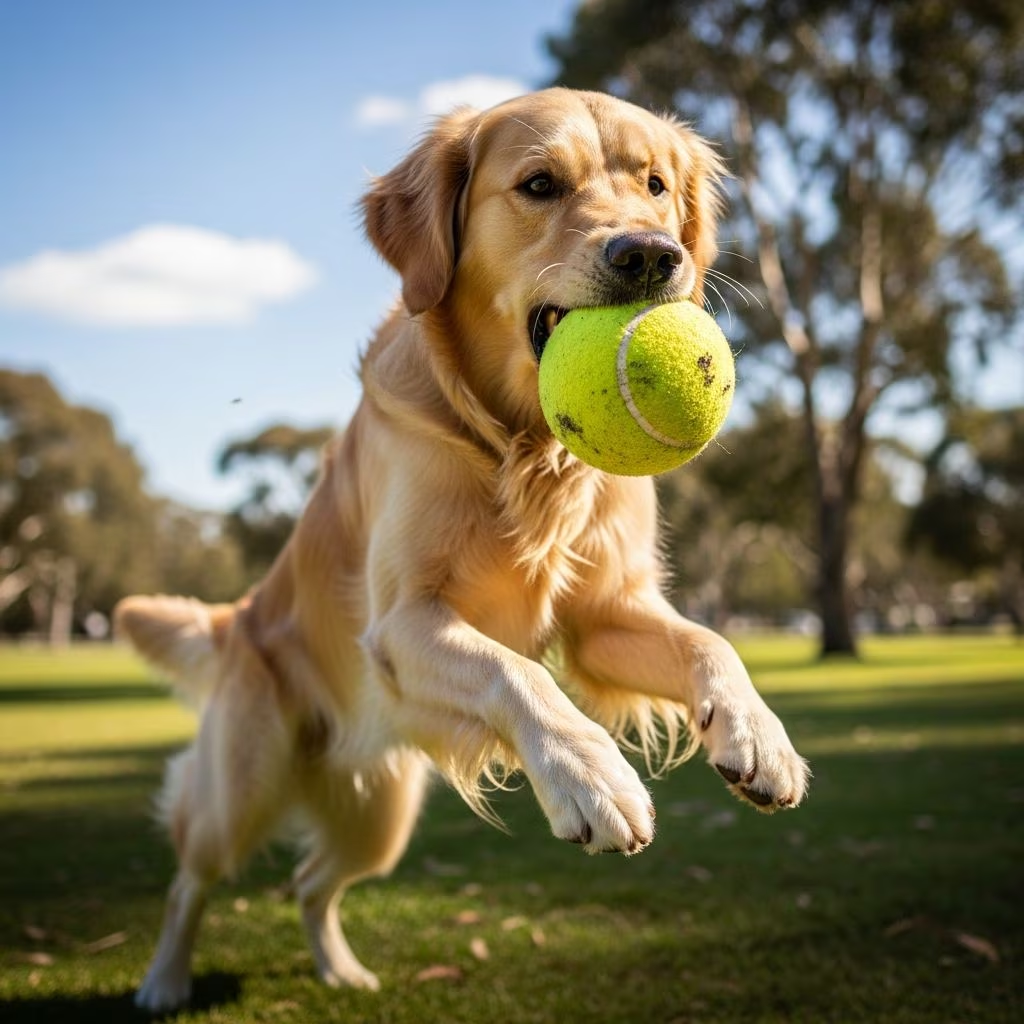
Anyone who has ever watched a dog’s eyes light up at the mere mention of “ball” understands the intensity of this particular obsession. From the moment a tennis ball appears, many dogs transform into enthusiastic, focused hunters willing to chase their prize with unwavering determination. This behavior is far from random or learned solely through domestication. Instead, it stems from deeply ingrained biological drives and neurological responses that have shaped canine behavior for thousands of years. Understanding what makes balls so irresistible to our furry companions reveals fascinating insights into dog psychology, evolution, and the complex relationship between our pets and the objects they cherish.
The Ancestral Connection: Prey Drive and Evolutionary Instincts
At the foundation of every dog’s ball obsession lies a powerful biological force inherited from their wild ancestors: the prey drive. Wolves and other canine predecessors survived by hunting, chasing, and capturing prey—a survival mechanism that shaped their entire existence. Although modern domestic dogs no longer need to hunt for survival, these instincts remain hardwired in their neural pathways, dormant yet ready to activate at a moment’s notice.
When a ball bounces or rolls across the ground, it triggers something primal within a dog’s consciousness. The erratic, unpredictable movement patterns of a ball closely mimic the escape tactics of real prey animals. A rabbit darting through grass, a bird taking flight, or a small rodent scurrying away all move in irregular, hard-to-predict patterns. When dogs see a ball exhibit similar characteristics—bouncing unpredictably, rolling in unexpected directions, and changing speed—their brains interpret this as a live target worthy of pursuit.
Certain breeds demonstrate this connection even more vividly than others. Retrievers, Spaniels, and Terriers were selectively bred over generations specifically for their hunting capabilities. Retrievers were developed to locate and bring back game birds. Spaniels were trained to flush out birds from dense vegetation. Terriers were bred to pursue small burrowing animals. This selective breeding concentrated prey-drive traits in these breeds, making them particularly susceptible to ball play enthusiasm.
The Neurochemical Reward System: Brain Chemistry and Pleasure
Beyond the surface-level excitement of chasing, ball play triggers sophisticated biochemical reactions within a dog’s brain that create genuinely pleasurable experiences. The reward centers in a dog’s brain become activated when interacting with balls, releasing neurochemicals that promote feelings of joy and satisfaction.
The primary players in this neurochemical symphony are endorphins and dopamine. Endorphins are natural mood elevators that reduce pain perception and create feelings of well-being. Dopamine is associated with motivation, pleasure, and reward anticipation. When a dog chases a ball, both of these chemicals flood their system, creating a cycle of positive reinforcement. The chase itself becomes intrinsically rewarding—the dog doesn’t need an external prize to feel satisfied; the act of pursuing and catching the ball generates internal pleasure signals.
This neurochemical response becomes particularly powerful when the chase culminates in success. The moment a dog catches or retrieves a ball, they experience an immediate rush of these feel-good chemicals. This creates what behavioral scientists call a “reward loop.” The dog learns that chasing the ball leads directly to positive sensations, which reinforces the desire to repeat the behavior. Over time, this loop can become so strong that some dogs develop what owners perceive as an obsession—they constantly seek opportunities to recreate that pleasurable neurochemical experience.
When owners provide praise, attention, or additional play after a successful retrieve, they amplify this neurochemical reward even further. The combination of internal chemical pleasure and external social validation creates an extraordinarily powerful motivation for ball play.
Textural Appeal and Chewing Satisfaction
Beyond the thrill of the chase, balls offer something equally important to many dogs: an appropriate object to chew. Dogs possess a fundamental instinctual need to chew that serves multiple psychological and physical purposes. Chewing provides oral stimulation, helps clean teeth, relieves anxiety, and fulfills part of the natural predatory sequence that remains encoded in canine behavior.
The predatory sequence in dogs includes several distinct phases: seeking, eye-locking, stalking, chasing, grabbing, killing, dissecting, and consuming. While modern dogs rarely engage in the complete sequence, the biological drive to experience these phases persists. Balls perfectly satisfy the grabbing and mouthing phases of this sequence. Their size, texture, and shape allow dogs to comfortably hold them in their mouths, and their durability (in the case of quality balls) permits extended chewing without immediate destruction.
Different ball types offer varying textural experiences. Tennis balls provide a fuzzy surface that many dogs find satisfying to chew. Rubber balls offer different resistance and texture. Some balls produce sounds when chewed or squeezed, adding auditory stimulation to the sensory experience. This variety ensures that balls remain engaging over extended periods, preventing the habituation that might occur with a static toy.
The Psychological Benefits of Ball Play
Ball play extends far beyond simple entertainment for dogs. Regular engagement with balls provides measurable psychological and emotional benefits that contribute to overall well-being.
Stress Reduction and Anxiety Management
Engaging in ball play significantly reduces stress and anxiety levels in dogs. When dogs participate in regular play sessions, they have healthy outlets for physical energy and psychological tension. Dogs that experience high stress often develop behavioral problems including excessive barking, destructive chewing, aggression, or compulsive behaviors. By providing consistent ball play opportunities, owners give their dogs constructive ways to process and release built-up tension.
The anxiety-reducing benefits extend to dogs with specific triggers or phobias. Some dogs become reactive around other dogs or unfamiliar stimuli. The intense focus required during ball play can help redirect attention away from anxiety-triggering situations, providing cognitive distraction during potentially stressful encounters.
Mental Stimulation and Cognitive Development
Ball play isn’t merely physical exercise; it engages a dog’s cognitive abilities in meaningful ways. When dogs encounter obstacles during retrieval—such as a ball rolling under a bush or getting stuck in vegetation—they must solve problems to successfully retrieve it. This problem-solving engagement keeps dogs mentally sharp and alert, preventing the cognitive decline that can accompany insufficient mental stimulation.
The unpredictability of ball trajectories constantly challenges dogs to predict and adjust their movements. Advanced problem-solving, spatial reasoning, and decision-making all activate during dynamic play. Dogs that receive regular cognitive stimulation through ball play demonstrate improved learning abilities, better retention of training, and enhanced overall mental agility.
Emotional Health and Confidence Building
Successful ball retrieval boosts a dog’s confidence and self-esteem. When a dog successfully catches a ball after an exciting chase, they experience a genuine sense of accomplishment. This positive reinforcement shapes their self-perception and contributes to emotional resilience. Dogs that regularly experience success during play develop greater confidence in other contexts, which can translate to improved behavior in training, socialization, and everyday interactions.
Bonding and Social Connection Through Play
When owners engage in ball play with their dogs, they create more than just a physical activity—they establish shared experiences that strengthen emotional bonds. Ball play serves as a bonding opportunity that enhances the human-animal relationship through shared joy and companionship.
Every throw of a ball communicates something to a dog: “I want to spend time with you.” “I enjoy your company.” “Let’s create something fun together.” Dogs perceive this activity as quality time with their most important person or people. The anticipation they build while watching their owner prepare to throw, the excitement during the chase, and the moment of reunion when they return with the ball all strengthen the emotional connection between human and canine.
The praise and encouragement owners typically provide during ball play further reinforce positive associations with bonding. When owners celebrate their dog’s successful retrieves with excitement and affection, they’re not just rewarding the behavior—they’re communicating love and approval.
Beyond one-on-one bonding, ball play in parks and dog-friendly areas serves as a socialization tool, allowing dogs to encounter other canines during shared activity. Dogs playing in groups often learn appropriate social behaviors, develop confidence in unfamiliar environments, and build positive associations with other dogs.
Immediate Gratification and Reward Feedback
Balls are unique toys because they provide instant, tangible feedback for effort expended. The moment a dog chases and catches a tennis ball, they immediately experience both the physical success and the associated neurochemical rewards. This immediate gratification is crucial for maintaining motivation and reinforcing the behavior.
Compare this to many other toys that don’t offer such clear consequences. A stuffed animal simply sits there; knocking it around doesn’t provide obvious “success” signals. A ball, however, requires active pursuit and culminates in a clear moment of capture. This built-in feedback loop makes ball play inherently more engaging than many alternative toy options.
The sensory feedback intensifies the experience. The squeak of a ball being caught, the feeling of the ball’s texture in their mouth, the rebound as their teeth press into rubber—all these sensory inputs add layers to the rewarding experience. Some balls are specifically designed with squeakers or other sound-producing elements that enhance this immediate feedback.
Early Associations and Learned Preferences
Dogs that are introduced to ball play early in life develop strong positive associations between the activity and pleasure. Most puppies encounter balls during their first weeks in their new homes, during the critical period when they’re forming foundational associations with toys, activities, and people.
This early introduction creates what behavioral scientists call “imprinting”—a powerful, lasting association between the stimulus (ball) and the positive feelings that accompany it (joy, bonding, reward chemicals). Even dogs that might not have an inherent genetic predisposition toward intense ball play can develop enthusiasm through these early positive experiences.
Furthermore, every positive interaction during ball play reinforces and strengthens these associations. Over months and years, the accumulated positive experiences create deep-seated preferences that become defining aspects of a dog’s personality.
Breed-Specific Variations in Ball Enthusiasm
While most dogs enjoy ball play to some degree, the intensity and nature of this enjoyment varies significantly by breed. The selective breeding practices that created specific dog breeds intentionally concentrated certain traits, including prey drive and retrieving instincts.
| Breed Category | Typical Ball Enthusiasm | Reason |
|---|---|---|
| Retrievers | Extremely High | Bred specifically to retrieve game birds; strong genetic predisposition for fetch |
| Spaniels | Very High | Developed for flushing and retrieving; intense prey drive focus |
| Terriers | Very High | Bred to pursue small animals; strong chase and grab instincts |
| Hound Breeds | Moderate to Variable | May prefer scent-tracking activities; retrieving instinct less developed |
| Companion/Toy Breeds | Moderate | Bred for companionship rather than hunting; ball interest varies individually |
It’s important to note that individual variation exists within all breeds. Some Retrievers may have lower-than-average ball enthusiasm, while some dogs from traditionally non-retrieving breeds may develop intense ball obsessions. Genetics provides a foundation, but experience, training, and individual personality all influence final behavior.
Frequently Asked Questions About Dog Ball Obsession
Why do some dogs seem obsessed with balls while others show minimal interest?
Differences in ball enthusiasm stem from several factors: genetic predisposition (breed history), early experiences during puppyhood, individual personality traits, and the specific types of balls available. Dogs with strong retriever genetics and early positive ball experiences typically develop stronger obsessions. However, any dog can learn to enjoy balls through positive associations and consistent play.
Are there benefits to limiting ball play if a dog becomes too obsessed?
While ball play offers tremendous benefits, excessive obsession can sometimes indicate underlying anxiety or become compulsive. If a dog becomes fixated on balls to the exclusion of other activities or shows signs of anxiety when balls aren’t available, consulting with a veterinary behaviorist may help identify whether the obsession masks other issues. Moderate, controlled ball play is ideal.
Can all dogs learn to enjoy ball play through training?
While most dogs can learn to enjoy ball play with proper training and positive reinforcement, inherent prey drive differences mean some dogs will always show more enthusiasm than others. Patience, consistency, and finding the specific ball types that appeal to individual dogs can help develop interest, but genetic predisposition plays a significant role.
What types of balls work best for different dogs?
Tennis balls appeal to many dogs for their fuzzy texture and squeakable properties. Rubber balls in various sizes offer different sensations. Balls with treat-dispensing features add another engagement layer. The ideal ball depends on individual preference, mouth size, chewing intensity, and play style. Observing which balls your dog gravitates toward provides insight into their preferences.
Conclusion
The seemingly simple dog obsession with balls actually reflects profound biological, neurological, and psychological principles. From ancient predatory instincts inherited from wolf ancestors to modern neurochemical reward systems, from textural chewing satisfaction to emotional bonding opportunities, balls engage dogs on multiple levels simultaneously. Understanding these underlying reasons deepens our appreciation for our dogs’ enthusiasm and helps us provide better play experiences that support their physical health, mental well-being, and emotional development. The next time you watch your dog’s eyes light up at the sight of a ball, you’re witnessing millennia of evolution, sophisticated brain chemistry, and the powerful human-canine bond all converging in a moment of pure joy.
References
- Why Do Dogs Love Balls? 5 Vet-Approved Reasons for Their Instinct — Dogster. https://www.dogster.com/dog-behavior/why-do-dogs-love-balls
- The Psychology Behind Why Dogs Love Balls So Much — He and Boo. https://www.hemandboo.co.uk/the-psychology-behind-why-dogs-love-balls-so-much-2/
- Why Do Dogs Like Balls? Understanding the Canine Obsession with Fetch — Houndsy. https://www.houndsy.com/blogs/modern-tails/why-do-dogs-like-balls-understanding-the-canine-obsession-with-fetch
- Why Do Dogs Love Tennis Balls? — Bottletree Animal Hospital. https://bottletreeanimalhospital.com/blog/why-do-dogs-love-tennis-balls/



