

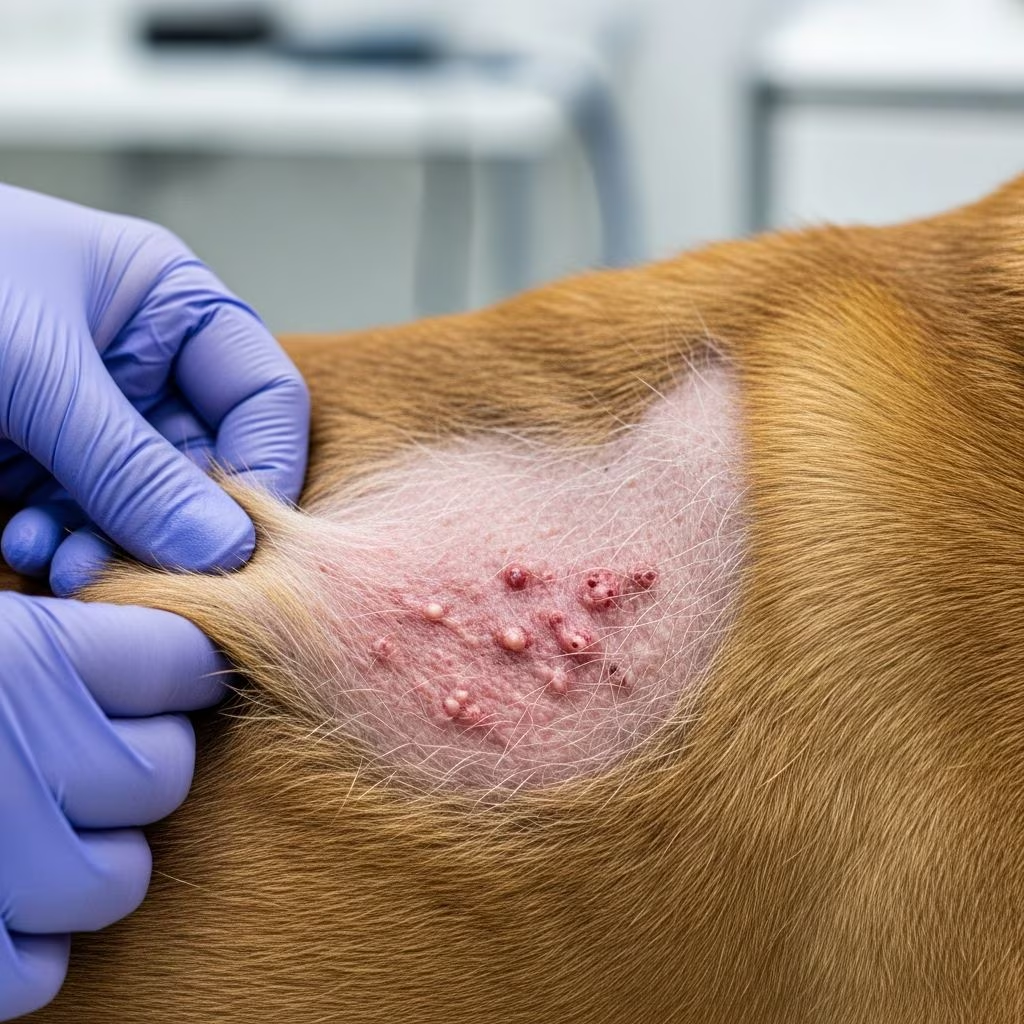
Bacterial skin infections represent one of the most frequently encountered dermatological conditions in canine veterinary practice. These superficial infections, primarily caused by opportunistic bacteria, affect dogs of all ages but demonstrate a notably higher prevalence in puppies and young animals. Understanding the clinical presentation, underlying mechanisms, and appropriate therapeutic interventions can help pet owners recognize problems early and work effectively with their veterinarian to resolve these uncomfortable conditions.
Understanding the Nature of Canine Bacterial Skin Infections
Bacterial skin infections in dogs are superficial infections that primarily affect the outermost layers of the epidermis. The most common causative agent is Staphylococcus bacteria, particularly coagulase-positive staphylococci, which naturally inhabit the skin and nasal passages of healthy dogs. These infections occur when bacteria that normally exist in balance on the skin proliferate excessively, typically triggered by disruption of the skin barrier or compromised immune defenses.
The pathophysiology of these infections involves a delicate equilibrium between bacterial colonization and the host’s protective mechanisms. When this balance shifts in favor of bacterial growth, clinical disease manifests. Young puppies are particularly susceptible due to their developing immune systems, which have not yet encountered the diverse microbial challenges that mature canine immune responses have learned to manage.
Clinical Manifestations and Observable Signs
Recognizing the clinical signs of bacterial skin infection allows pet owners to seek timely veterinary intervention. The presentation varies depending on infection severity and individual dog characteristics.
Initial Presentation
The infection typically begins as a localized inflammatory response characterized by redness and irritation. Affected areas frequently appear as itchy rashes that can develop on any part of the dog’s body, particularly regions lacking substantial hair coverage. The initial discomfort is usually mild, with affected dogs exhibiting increased scratching and licking behavior in response to the irritation.
Progressive Lesion Development
As the bacterial proliferation continues, characteristic lesions develop. These lesions progress through several stages:
- Pustule Formation: Raised, fluid-filled bumps emerge on the skin surface, often containing purulent material. These lesions may appear individually or in clusters and typically concentrate on the face, paws, and areas prone to mechanical trauma.
- Pustule Rupture: When infected puppies scratch or bite at lesions, pustules readily rupture, releasing bacterial-laden fluid and potentially spreading infection to adjacent skin areas. This self-trauma can intensify pain and discomfort, particularly in more severe cases.
- Crust Formation: Following pustule drainage, the body’s natural healing response involves forming protective crusts. While this represents an attempt to isolate the infection, these crusts can themselves become secondarily infected, complicating recovery.
Systemic Signs
Beyond localized skin changes, infected dogs may exhibit behavioral and systemic alterations. Lethargy and decreased appetite frequently accompany bacterial skin infections, reflecting the systemic inflammatory response and discomfort. Depression, weight loss, and general malaise indicate that the infection is affecting the dog’s overall wellness. In more severe presentations, the combination of extensive skin involvement and systemic effects can significantly compromise quality of life.
Underlying Causes and Predisposing Factors
While bacterial skin infections appear on the surface, the underlying causes typically involve disruption of normal skin defenses or immune compromise. Understanding these factors helps explain why some dogs develop infections while others do not.
Immune System Vulnerabilities
A compromised immune system represents one of the most significant predisposing factors. Puppies, whose immune systems remain underdeveloped and unexposed to numerous pathogens, demonstrate heightened susceptibility. Similarly, adult dogs experiencing immune compromise from systemic illness, nutritional deficiencies, or chronic stress become vulnerable to opportunistic bacterial overgrowth.
Skin Barrier Disruption
Any process that damages the skin barrier facilitates bacterial invasion and proliferation. Physical trauma from scratching, biting, or rough play creates entry points for bacteria. Parasitic infestations—particularly flea and tick infections—cause itching-induced skin damage and can introduce pathogenic organisms through contaminated bite sites.
Environmental and Hygiene Factors
Poor hygiene and unclean living conditions create environments where bacterial concentrations increase. Inadequate grooming practices allow bacteria to accumulate on the skin surface, and contaminated bedding, toys, and other objects facilitate bacterial transmission. Urine scalding—chronic irritation from prolonged contact with urine—compromises skin integrity and allows bacterial colonization.
Allergic and Dermatologic Conditions
Underlying allergies, whether food-related or environmental, trigger inflammatory responses that weaken skin defenses. Mange and other parasitic dermatological conditions similarly compromise skin health and predispose to secondary bacterial infection. Additionally, hormonal imbalances affecting the endocrine system can impair immune function and skin health.
Diagnostic Approach and Confirmation
Veterinary diagnosis of bacterial skin infections typically begins with clinical examination. However, confirming the diagnosis and identifying the specific causative organism guides more effective treatment selection.
Culture and sensitivity testing provides definitive identification of the bacterial organism and determines which antibiotics will prove most effective against the specific strain. This laboratory approach is particularly valuable when infections prove resistant to initial treatment attempts or when the infection recurs. Sensitivity testing prevents the unnecessary use of broad-spectrum antibiotics and helps combat the growing problem of antibiotic resistance in bacterial pathogens.
Treatment Strategies and Therapeutic Options
Treatment approaches vary based on infection severity, extent of involvement, and underlying causative factors. A tiered approach often proves most effective.
Mild Infections
In cases where infection remains limited and localized, treatment may be conservative. Many cases of canine bacterial skin infection are self-limiting and resolve spontaneously within weeks. For these mild cases, veterinarians may recommend topical interventions without systemic antibiotics:
- Anti-itch creams to reduce discomfort and minimize trauma from scratching
- Medicated shampoos containing antiseptic or antibacterial agents to limit bacterial proliferation and support healing
Topical therapy with appropriate antiseptic solutions containing ingredients such as benzoyl peroxide, chlorhexidine, or sulfur with salicylic acid can be applied once or twice weekly for three to four weeks. Regular bathing with medicated formulations helps prevent bacterial overgrowth while allowing the immune system to resolve the infection.
Moderate to Severe Infections
When infections involve larger skin areas, multiple lesion sites, or demonstrate minimal response to topical therapy alone, systemic antibiotic therapy becomes necessary. Oral antibiotics administered as tablets or injections represent the standard approach:
- Cephalexin: A first-generation cephalosporin commonly prescribed for canine bacterial skin infections
- Clindamycin: An effective alternative demonstrating good skin penetration
- Erythromycin: Another suitable option for treating resistant or persistent infections
Typical courses of systemic antibiotics extend for six to eight weeks, providing sufficient duration to eliminate the infection and prevent recurrence. Pet owners must complete the full prescribed course even if visible improvement occurs, as premature discontinuation can lead to antibiotic resistance development and infection recurrence.
Topical antibiotic ointments complement systemic therapy, directly targeting affected areas with concentrated antimicrobial activity. The combination of systemic and topical approaches accelerates recovery and reduces the likelihood of treatment failure.
Resistant or Complicated Cases
Some infections prove resistant to standard antibiotic protocols, particularly when caused by methicillin-resistant bacterial strains. These challenging cases may require:
- Multiple rounds of antibiotic therapy, sometimes with different agents or combinations
- Extended medicated bathing protocols with surgical scrubs containing 2% chlorhexidine
- Targeted treatment of underlying conditions that perpetuate bacterial overgrowth
Complementary Care and Home Management
Successful treatment extends beyond pharmaceutical interventions. Proper home care significantly influences recovery rates and prevents recurrence.
Environmental Hygiene
Maintaining clean, dry, padded bedding prevents bacterial recontamination and reduces environmental bacterial loads. Regular laundering of bedding, toys, and other items the affected dog contacts helps eliminate potential sources of reinfection. Ensuring the dog’s living space remains clean and dry creates an environment that supports healing.
Grooming and Bathing Protocols
Regular grooming and bathing with appropriate medicated shampoos represent essential components of comprehensive treatment. These practices remove surface bacteria, reduce skin irritation, and support the skin’s natural healing processes. Bathing frequency recommendations vary based on the specific medicated product and veterinary guidance.
Preventing Complications
Owners should prevent further scratching and trauma to affected areas. E-collars may be necessary in cases where the dog’s self-trauma significantly impedes healing. Minimizing exposure to triggering factors—such as contact allergens or parasite exposure—prevents exacerbation of existing infections.
Frequently Asked Questions
How long does bacterial skin infection typically persist in dogs?
Timeline varies by severity and treatment approach. Mild cases may resolve spontaneously within weeks, while moderate to severe infections typically require six to eight weeks of antibiotic therapy. Some resistant cases may require longer treatment duration or multiple therapeutic courses.
Can these infections spread to other animals or humans?
While staphylococcal bacteria are ubiquitous in the environment, canine-specific strains rarely transmit to humans. However, infected dogs can spread bacteria to other animals through contaminated objects and direct contact, making environmental sanitation important in multi-pet households.
Are there preventive measures for high-risk dogs?
Regular parasite prevention, appropriate grooming practices, and prompt treatment of any skin injuries reduce infection risk. Maintaining optimal nutrition to support immune function and managing underlying allergic conditions also help prevent bacterial overgrowth.
What happens if treatment is discontinued prematurely?
Early discontinuation of prescribed antibiotics allows surviving bacteria to repopulate and can lead to antibiotic resistance development. This complicates future treatment and may require alternative antibiotics or extended therapy durations.
How serious are canine bacterial skin infections?
Most cases are not life-threatening and respond well to appropriate treatment, though they cause significant discomfort. However, untreated infections can spread extensively, lead to secondary complications, and cause systemic illness if bacteria enter deeper tissue layers.
Long-term Outlook and Prevention
With appropriate veterinary care and consistent home management, most dogs recover completely from bacterial skin infections without long-term complications. The key to success involves prompt recognition, accurate diagnosis, complete adherence to prescribed treatment protocols, and identification and management of underlying predisposing factors.
Prevention focuses on maintaining skin integrity through regular grooming, preventing parasitic infestations, managing allergic conditions, and providing optimal nutrition to support immune function. For puppies, allowing their immune systems to mature while providing a clean, safe environment minimizes infection risk. In adult dogs, managing chronic conditions that compromise immune function reduces bacterial infection recurrence.
References
- Uncovering & Managing Impetigo in Puppies: A Comprehensive Guide — Animal Friends Dermatology. 2024-03-15. https://www.animalfriendsdermatology.com/site/blog/2024/03/15/uncovering-managing-impetigo-puppies
- Understanding What is Impetigo in Dogs — Pet Honesty. https://www.pethonesty.com/blogs/blog/understanding-what-is-impetigo-in-dogs
- What is Impetigo in Dogs? — Canna-Pet. https://canna-pet.com/articles/what-is-impetigo-in-dogs/
- Pyoderma in Dogs — VCA Animal Hospitals. https://vcahospitals.com/know-your-pet/pyoderma-in-dogs
- Treating Resistant Skin Infections in Dogs — Today’s Veterinary Practice. https://todaysveterinarypractice.com/dermatology/treating-resistant-skin-infections-in-dogs/
- Slideshow: Skin Problems in Dogs — WebMD Pets. https://www.webmd.com/pets/dogs/ss/slideshow-skin-problems-in-dogs



