

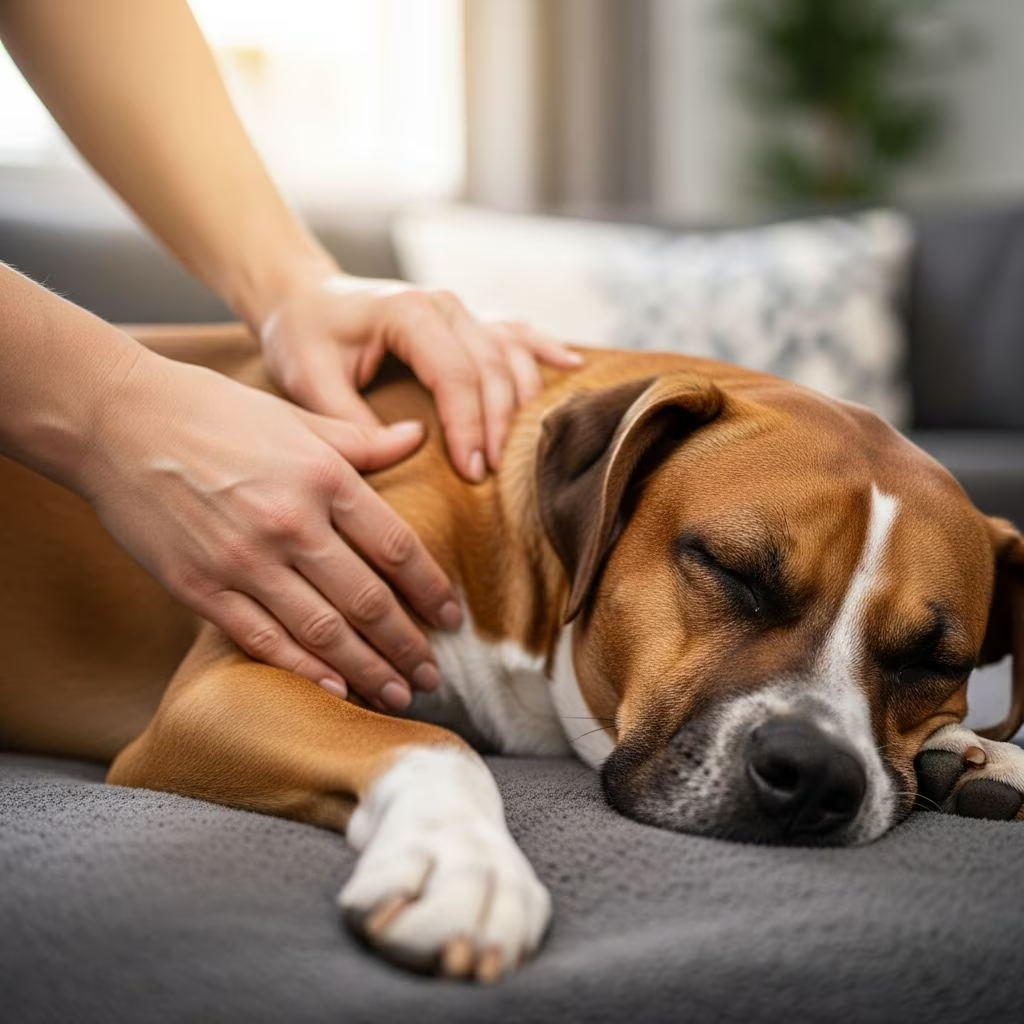
Your dog’s back and spine form the structural foundation supporting mobility, comfort, and overall physical function. Just as humans benefit from therapeutic massage, dogs can experience significant improvements in their musculoskeletal health through targeted massage techniques. Whether your canine companion is aging, recovering from an injury, or simply needs support for daily activity, understanding proper massage methods can enhance their quality of life and strengthen your bond through healing touch.
Understanding the Physiological Foundation of Canine Massage
Massage works on your dog’s body at multiple physiological levels. When hands apply pressure to muscle tissue, circulation increases throughout the affected areas, delivering oxygen-rich blood to cells that need it most. This improved blood flow supports the natural healing processes and maintains healthy tissue function. Beyond circulation, massage stimulates the nervous system in beneficial ways—research demonstrates that dogs receiving regular massage sessions show lower cortisol levels, the primary stress hormone, indicating genuine physiological relaxation.
The musculoskeletal system responds particularly well to consistent, gentle pressure. Healthy muscles maintain firmness while remaining pliable and responsive. Over time, muscles can develop tension patterns, creating tight, rope-like bundles that restrict movement and cause discomfort. Therapeutic massage addresses these contracted fibers directly, gradually releasing tension and restoring normal muscle function. For dogs experiencing age-related changes, previous injuries, or chronic conditions affecting mobility, massage serves as a complementary approach to support overall wellness alongside veterinary care.
The Foundational Long-Stroke Technique
Before exploring specialized massage methods, establishing a foundation technique creates the optimal state for your dog’s body to relax and respond. This approach involves smooth, continuous strokes that follow the natural direction of hair growth.
How to perform foundational strokes:
- Position your dog comfortably on a soft surface, either lying on their side or in a naturally relaxed position
- Begin at the head or shoulder area, using your entire palm rather than just fingertips
- Apply uniform pressure throughout your hand and fingers, creating consistent contact across a wide surface area
- Slowly glide your hand downward along the back toward the tail in one continuous motion
- Maintain pressure throughout the stroke to smooth the hair, skin, and underlying muscles simultaneously
- Always work in the direction hair naturally grows—from head toward tail
- Start with gentle pressure; as your dog becomes accustomed to the technique, you can gradually increase hand weight
- Repeat this foundational stroke approximately four to five times to establish relaxation
This technique serves multiple purposes simultaneously. It promotes relaxation in the nervous system, allowing your dog to transition into a receptive state. The directional pressure helps stimulate blood circulation, and the continuous motion soothes both physical tissue and emotional anxiety. Think of this approach as the preparation phase that readies your dog’s body and mind for deeper therapeutic work.
Lateral Muscle Release Through Cross-Fiber Work
While foundational strokes work along the length of muscle fibers, cross-fiber techniques apply pressure perpendicular to muscle fiber orientation. This perpendicular approach unlocks contracted fibers and releases muscular tension that linear strokes alone cannot address.
Executing cross-fiber massage technique:
- Begin one inch behind your dog’s shoulder blades, at the midpoint along the spine
- Position your fingerpads on firm muscle tissue approximately one inch to the side of the backbone
- Press lightly downward into the muscle layer, maintaining steady contact
- Curl your fingertips slowly, rolling the underlying tissue toward your palm
- The movement should feel similar to gathering fabric between your fingers
- Once you’ve gently rolled tissue toward the spine, slowly uncurl your fingerpads to return to the starting position
- Work methodically along the entire side of the spine from shoulders toward the hindquarters
- Repeat the sequence on the opposite side of the backbone by repositioning your body or turning your dog
- Move slowly throughout, adjusting pressure based on your dog’s comfort signals
As you develop sensitivity through practice, you’ll learn to distinguish between healthy, relaxed muscle tissue and problematic tension. Healthy muscles feel firm but responsive, maintaining natural elasticity. Tight, tense muscles present as harder, sometimes forming distinct rope or string-like bundles beneath your fingertips. These tension patterns often indicate soreness, but the slow, deliberate cross-fiber movement gradually softens and releases knotted tissue. Pay attention to your dog’s responses—subtle shifts in breathing, muscle relaxation, or changes in body position provide feedback about what your dog’s body needs.
Segmental Spinal Awareness Technique
A specialized approach adapted from human therapeutic massage involves conscious, individual contact with each vertebral segment. This method proves particularly valuable for maintaining optimal spinal function in active dogs and providing comfort to dogs experiencing hindquarter weakness or spinal sensitivity.
This technique works by gently touching and acknowledging each vertebra along the spine, segment by segment. The methodical progression seems to relax and reprogram the intricate muscles, tendons, and ligaments connecting each bone. For dogs with age-related spine changes, calcification, or previous spinal injuries, this approach offers advantages that more vigorous massage techniques cannot provide. When a dog’s back is genuinely sore, traditional massage methods might cause discomfort or create anxiety. The segmental technique’s gentle, specific contact avoids triggering pain while still delivering therapeutic benefit.
Performing segmental spinal massage:
- Have your dog lie comfortably on their side
- Starting at the neck, gently place your fingertips on one vertebra
- Apply minimal pressure—think of this as gentle awareness rather than forceful manipulation
- Hold contact for a few seconds, allowing the area to relax
- Move methodically down the spine, touching each vertebral segment
- Progress at a slow pace, spending several seconds on each segment
- Work the entire length of the spine from neck to lower back
- Maintain consistent, light contact throughout the process
- Repeat the sequence if your dog remains relaxed and receptive
Comprehensive Health Benefits of Canine Massage Therapy
| Benefit Category | Primary Effects | Ideal For |
|---|---|---|
| Pain Management | Releases endorphins; reduces inflammation in muscle and joint tissue | Dogs with arthritis, post-injury recovery, age-related stiffness |
| Circulation Enhancement | Increases blood flow; improves oxygen delivery to tissues | Senior dogs, sedentary dogs, rehabilitation cases |
| Stress Reduction | Lowers cortisol levels; triggers parasympathetic (relaxation) response | Anxious dogs, fearful dogs, dogs experiencing behavioral stress |
| Mobility Support | Maintains flexibility; improves movement patterns and proprioception | Working dogs, active dogs, dogs with mobility challenges |
| Recovery Support | Reduces muscle compensation patterns; supports healing after surgery or injury | Post-operative dogs, injured dogs, dogs in physical rehabilitation |
Research substantiates these benefits through measurable outcomes. A significant study examining 527 dogs with chronic musculoskeletal problems found that pet parents reported substantially reduced pain severity scores following massage therapy sessions. Studies demonstrate that massage increases blood flow, reduces inflammation, and stimulates the release of endorphins—the body’s natural pain-relief chemicals. Beyond immediate physical effects, massage strengthens the lymphatic system, helping eliminate toxins and supporting immune function.
Adapting Massage for Individual Dog Needs
Every dog presents unique physical circumstances requiring thoughtful technique adaptation. Senior dogs experiencing arthritis benefit from gentle, sustained pressure focusing on major muscle groups in the thighs, glutes, and shoulders. These areas accumulate tension as dogs compensate for joint stiffness. Working dogs and athletic canines benefit from massage preventing muscle imbalances and supporting recovery from intense physical activity.
Dogs recovering from surgery or injury require specialized consideration. Veterinarians can recommend specific techniques appropriate for your dog’s particular condition—some areas might require absolute avoidance during early recovery phases. However, a whole-body approach often proves most effective, as dogs naturally shift weight and stress to uninjured areas, creating muscular compensation patterns throughout their body. Addressing these compensation patterns supports more complete recovery.
Anxious or fearful dogs might initially resist touch-based therapies. Beginning with the backstroke technique—gentle stroking along either side of the spine, specifically avoiding direct backbone contact—provides a non-threatening introduction to therapeutic touch. The gentle, one-directional movement calms the nervous system without triggering the intensity some dogs perceive in deeper techniques.
Creating the Optimal Massage Environment
Successful massage sessions require thoughtful environmental preparation. Select a quiet, comfortable space where your dog can relax without interruption or external stressors. Soft, even surfaces—such as dog beds, cushions, or yoga mats—provide comfort while allowing you to work effectively. Ensure the room temperature remains comfortable, as massage may cause mild drowsiness and temperature sensitivity.
Timing matters significantly. Sessions immediately after meals or vigorous exercise might feel uncomfortable for your dog. Instead, schedule massage during naturally calm periods—perhaps early morning, late afternoon, or before bedtime. Start with shorter sessions of five to ten minutes, gradually extending duration as your dog becomes more receptive. Pay attention to your dog’s signals: gentle sighing, relaxed positioning, and softened facial expression indicate positive reception, while tension, avoidance, or restlessness suggest you should pause or adjust technique.
Recognizing When Professional Support is Appropriate
While learning basic massage techniques provides real benefits, professional certified canine massage therapists bring specialized training and clinical expertise. Professional assessment identifies specific problem areas, dysfunctional patterns, and underlying issues that might escape untrained observation. For dogs with complex conditions, significant injury, or chronic pain, combining your home technique practice with periodic professional sessions often produces the best outcomes.
Always consult with your veterinarian before beginning massage therapy, particularly if your dog has existing health conditions, recent surgery, or chronic pain. Your vet can identify any contraindications and provide specific guidance tailored to your dog’s individual circumstances.
Frequently Asked Questions
- How often should I massage my dog?
- For generally healthy dogs, one to three sessions weekly provides meaningful benefits. Dogs recovering from injury or managing chronic conditions might benefit from more frequent sessions; discuss appropriate frequency with your veterinarian or professional massage therapist.
- What signs indicate my dog is enjoying the massage?
- Dogs enjoying massage typically display relaxed body posture, soft facial expressions, gentle sighing, and may fall asleep. Some dogs lean into your hands, indicating comfort and receptiveness to pressure.
- Can massage harm my dog if done incorrectly?
- Gentle, thoughtful massage as described in these techniques is unlikely to cause harm. However, overly vigorous pressure, aggressive techniques, or massage on areas with acute injury could cause discomfort. Always start gently and adjust based on your dog’s responses.
- Is massage appropriate for puppies?
- Very gentle techniques can benefit puppies, helping establish positive associations with touch. However, puppies have developing skeletal systems; avoid intense pressure on growth plates and consult your vet about appropriate techniques for young dogs.
- Can massage replace veterinary treatment?
- No. Massage serves as a complementary therapy supporting overall wellness and comfort, but it does not replace veterinary diagnosis and treatment for health conditions. Use massage alongside, not instead of, professional veterinary care.
Building a Sustainable Massage Practice
Developing consistent massage skills requires practice and attention. Begin by mastering foundational long-stroke techniques until they feel natural and relaxing for both you and your dog. Once comfortable, gradually incorporate cross-fiber work and segmental techniques. Record subtle observations about your dog’s responses, tissue quality, and areas of particular tension, building a personalized map of your dog’s musculoskeletal needs over time.
Remember that massage represents an investment in your relationship with your dog. The quiet, focused time spent together communicates care and attention while delivering tangible physical benefits. As you develop sensitivity through your fingertips, you’ll discover how massage becomes a conversation between you and your dog’s body—a dialogue of healing touch that strengthens both physical health and emotional connection.
References
- Back Massage Techniques for Dogs — Whole Dog Journal. Accessed March 2026. https://www.whole-dog-journal.com/care/back-massage-techniques-for-dogs/
- The Role of Canine Massage in Pet Wellness — UAH Veterinary Clinic. https://www.uah-vet.com/the-role-of-canine-massage-in-pet-wellness/
- The Benefits of Canine Massage: How and Why to Massage Your Dog — TopDog Health. https://topdoghealth.com/the-benefits-of-canine-massage-how-and-why-to-massage-your-dog/
- Using Canine Massage to Enhance Your Dog’s Well-Being — Wisdom Panel. https://www.wisdompanel.com/en-us/blog/canine-massage
- Benefits of Clinical Canine Massage — K9 Massage UK. https://www.k9-massage.co.uk/canine-massage/benefits-clinical-canine-massage/
- The Benefits of Canine Massage – Dog Health — Halo Collar. https://www.halocollar.com/blog/dog-health/benefits-of-canine-massage/
- The Surprising Benefits of Dog Massage — K9U Chicago. 2023. https://k9uchicago.com/blog/surprising-benefits-of-dog-massage/



