

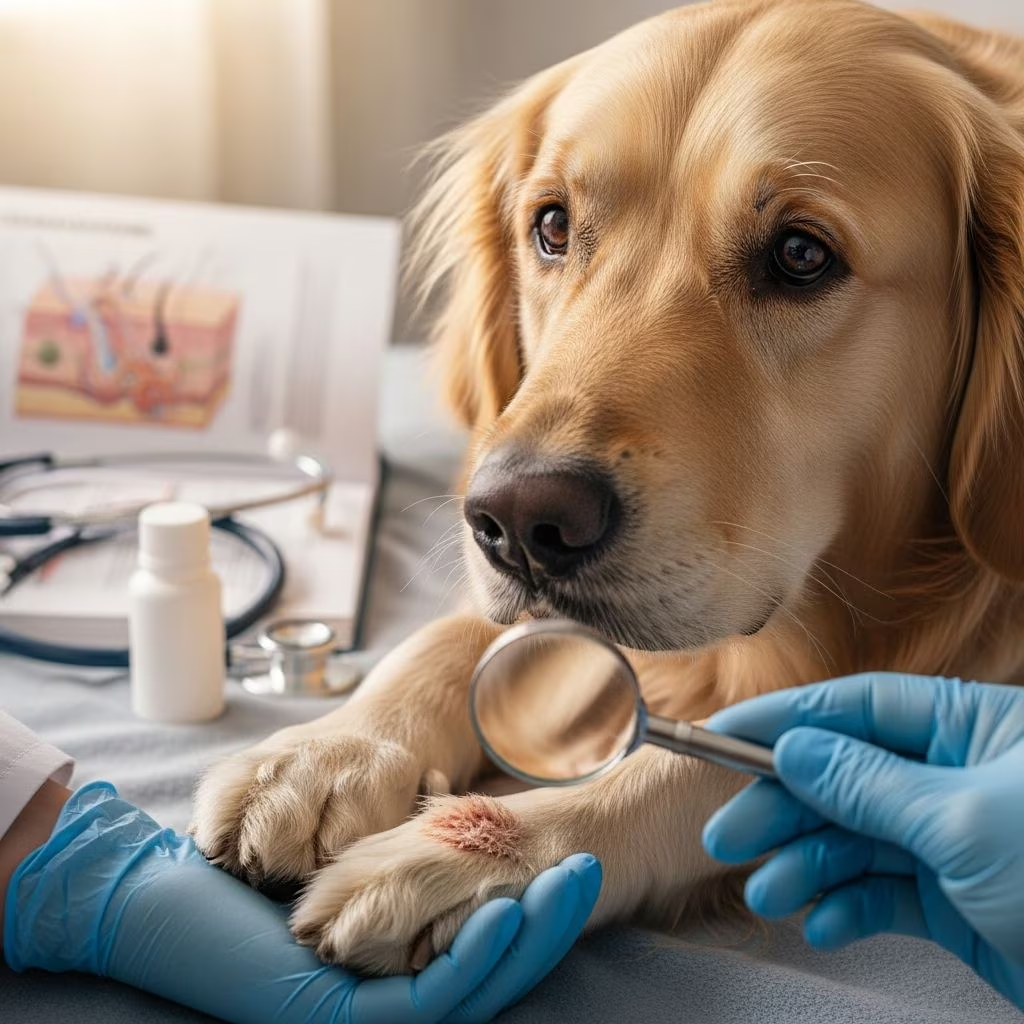
Canine atopic dermatitis (CAD) represents one of the most prevalent chronic skin conditions in dogs, characterized by intense itching and inflammation triggered by environmental allergens. This genetically influenced disorder affects the skin’s protective barrier, leading to repeated flare-ups that can significantly impact a dog’s quality of life.
The Fundamentals of CAD: What Every Owner Should Know
At its core, CAD is a progressive, relapsing inflammatory disease where dogs develop hypersensitivity to common substances in their surroundings. Unlike fleeting irritations, it stems from a combination of genetic vulnerabilities and external triggers, resulting in disrupted skin integrity and immune overreactions.
Dogs with CAD often exhibit a compromised epidermal barrier, allowing allergens to penetrate more easily. This dysfunction, coupled with dysregulated immune responses involving IgE antibodies, sets off a chain reaction of itchiness and secondary issues like infections.
Common Triggers Behind the Itch
Environmental factors play a starring role in CAD. Pollen from trees, grasses, and weeds, along with dust mites, mold spores, and dander, are frequent culprits. These allergens enter through the skin rather than being inhaled, distinguishing canine reactions from human ones.
- Pollen: Seasonal spikes in spring, summer, or fall can worsen symptoms.
- Dust and Storage Mites: Persistent indoor allergens thriving in bedding and carpets.
- Mold Spores: Damp environments promote growth, leading to year-round issues.
- Insect Bits and Dander: Less common but contributory in multi-pet households.
Food sensitivities can mimic or compound CAD, necessitating careful differentiation during diagnosis.
Recognizing the Signs: Early Symptoms and Progression
The hallmark of CAD is unrelenting pruritus, or itchiness, prompting dogs to lick, chew, or rub affected areas excessively. Initial signs often appear between 3 months and 6 years of age, starting mildly but intensifying over time.
Key body regions include the face, ears, paws, armpits, groin, and abdomen. Owners might notice:
- Reddened skin and hair loss from constant scratching.
- Saliva staining on paws or light fur turning reddish-brown.
- Recurrent ear infections with waxy, odorous discharge.
- Moist hot spots, crusting, or scabs from self-trauma.
As the condition advances, skin may thicken (lichenification), darken, and develop a greasy, musty smell due to overproduction of sebum and secondary yeast or bacterial overgrowth.
| Stage | Symptoms | Common Areas Affected |
|---|---|---|
| Early | Mild itching, slight redness | Paws, ears, face |
| Moderate | Intense scratching, hair loss, odor | Axillae, groin, abdomen |
| Advanced | Thickened skin, chronic infections | Entire body, elbows, hocks |
Genetic and Breed Predispositions
Certain breeds face higher risks due to inherited skin barrier defects and immune tendencies. Shar-Peis, Bulldogs, Retrievers, and Terriers top the list, though any dog can develop CAD.
Research highlights mutations in genes like filaggrin, which impair the skin’s lipid matrix, facilitating allergen invasion. Environmental exposures early in life may further sensitize genetically prone pups.
Diagnostic Approaches: Ruling Out Mimics
Diagnosing CAD involves excluding other pruritic conditions such as flea allergies, food hypersensitivities, mange, or endocrine disorders like hypothyroidism. Veterinarians use a multi-step process:
- History and Clinical Exam: Assessing itch patterns, seasonality, and lesion distribution.
- Skin Scrapings and Cytology: Checking for parasites, bacteria, or yeast.
- Elimination Diets: To rule out food triggers over 8-12 weeks.
- Intradermal or Serum Testing: Identifying specific environmental allergens, though not always definitive.
No single test confirms CAD; it’s a diagnosis of exclusion combined with characteristic features.
Treatment Strategies: Relieving Itch and Restoring Skin Health
Management focuses on breaking the itch-scratch cycle, preventing infections, and addressing root causes. A multimodal approach yields the best outcomes.
Topical Therapies
Regular bathing with hypoallergenic shampoos containing chlorhexidine or ceramides rebuilds the skin barrier and removes allergens. Humectants like oatmeal soothe inflammation.
Pharmacological Options
- Antihistamines: Variable efficacy; best as adjuncts.
- Corticosteroids: Potent itch relief but short-term due to side effects.
- Apoquel (Oclacitinib): Targets itch signaling pathways rapidly.
- Cytopoint (Lokivetmab): Monoclonal antibody neutralizing IL-31, the primary itch mediator, lasting 4-8 weeks.
Immunotherapy: Long-Term Allergy Desensitization
Allergen-specific immunotherapy (ASIT) customizes vaccines from test-identified triggers, administered via injections or sublingual drops. Up to 70% of dogs show improvement, reducing medication needs.
Antimicrobials for Secondary Infections
Pyoderma, Malassezia dermatitis, or otitis require targeted antibiotics, antifungals, or ear cleaners. Early intervention prevents chronicity.
Preventive Measures and Lifestyle Adjustments
Proactive steps minimize flares:
- Wipe paws and belly after outdoor time to remove pollen.
- Use air purifiers and frequent laundry for dust mite control.
- Maintain flea prevention year-round.
- Feed skin-supportive diets rich in omega-3 fatty acids.
- Avoid known contact irritants like certain grasses or chemicals.
Monitoring for flare factors—fleas, diet changes, or stress—allows swift adjustments.
FAQs on Canine Atopic Dermatitis
Is CAD curable?
No, but it can be effectively managed with consistent care, often achieving remission-like states.
Can diet alone fix my dog’s allergies?
Diet rules out food allergies but rarely resolves environmental CAD; combine with other therapies.
How soon do treatments work?
Cytopoint acts within 24 hours; immunotherapy may take months.
Are natural remedies effective?
Some like fatty acid supplements aid mildly; consult vets before relying solely on them.
Does breed matter for treatment success?
Response varies; brachycephalic breeds may need more aggressive management due to skin folds.
Long-Term Prognosis and When to Seek Specialist Care
With diligent multimodal therapy, most dogs lead comfortable lives. Refer to a veterinary dermatologist for refractory cases or frequent infections. Regular check-ups track progress and adjust protocols.
Owners play a pivotal role: observing changes, adhering to treatments, and fostering environments that support skin health. Early intervention preserves skin integrity and prevents complications.
References
- Current Knowledge on Canine Atopic Dermatitis — PMC – NIH. 2022-06-01. https://pmc.ncbi.nlm.nih.gov/articles/PMC9204668/
- Dog Skin Allergies: Causes, Symptoms, and Treatment — PetMD. Accessed 2026. https://www.petmd.com/dog/general-health/dog-skin-allergies
- Dog Skin Allergies: Canine Atopic Dermatitis — Small Door Veterinary. Accessed 2026. https://www.smalldoorvet.com/learning-center/medical/atopic-dermatitis-in-dogs
- Canine Atopic Dermatitis — University Parkway Veterinary Clinic. Accessed 2026. https://www.universityparkwayvet.com/services/pet-dermatology/canine-atopic-dermatitis.html
- Inhalant Allergies (Atopy) in Dogs — VCA Animal Hospitals. Accessed 2026. https://vcahospitals.com/know-your-pet/inhalant-allergies-atopy-in-dogs
- Canine Atopic Dermatitis (Environmental Allergy) in Dogs — MedVet. Accessed 2026. https://www.medvet.com/atopic-disease-dogs/
- Canine Atopic Dermatitis — Merck Veterinary Manual. 2024-09. https://www.merckvetmanual.com/integumentary-system/atopic-dermatitis/canine-atopic-dermatitis



