

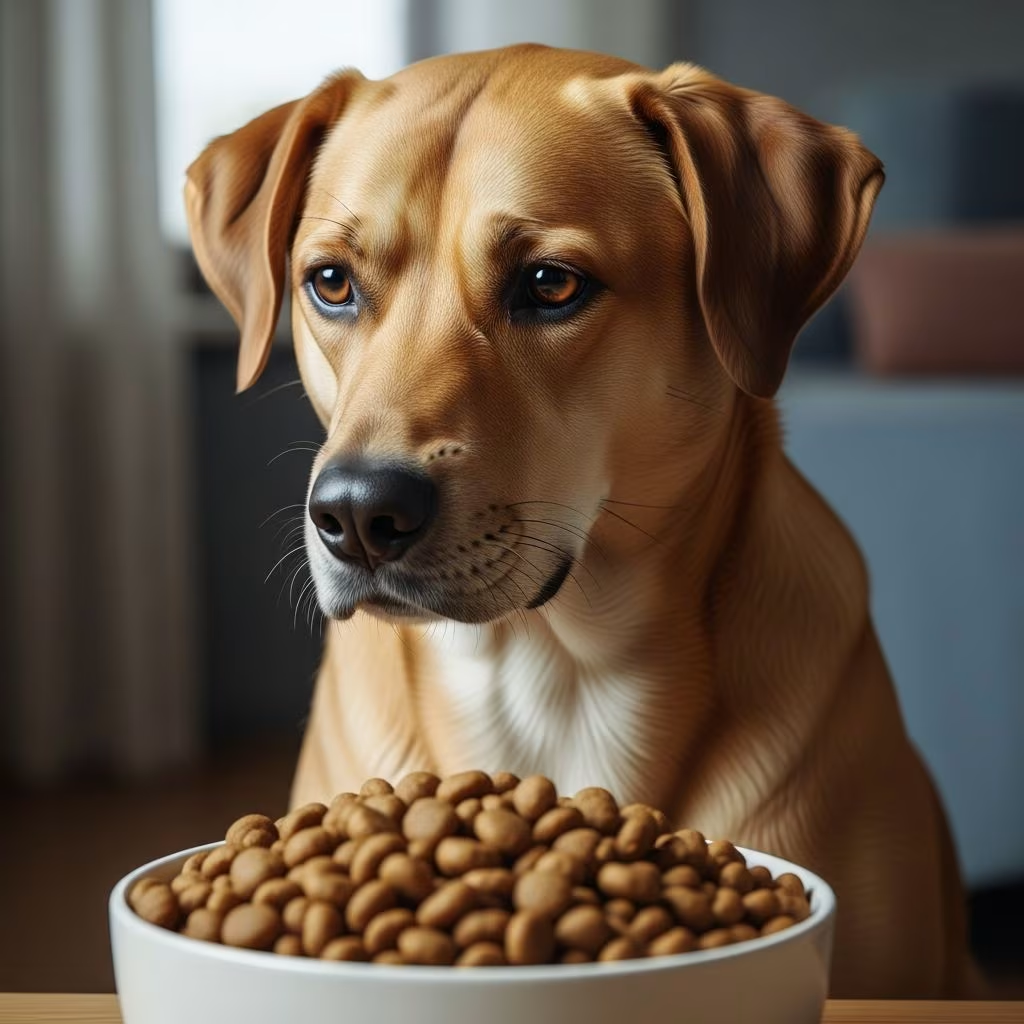
When your dog suddenly turns away from their bowl of kibble, it can be concerning and frustrating for pet owners. Dry dog food refusal represents one of the most common feeding challenges veterinarians address, yet the underlying causes vary significantly from one dog to another. Understanding the reasons behind this behavior is essential for identifying appropriate solutions and ensuring your companion receives adequate nutrition.
Identifying the Root Cause of Kibble Rejection
The first step in addressing your dog’s reluctance to eat dry food involves determining what has changed in their feeding routine or health status. Dogs typically enjoy their meals and maintain consistent appetite patterns unless something significant shifts. By systematically evaluating potential causes, you can narrow down the issue and implement targeted interventions.
Oral Health Complications and Eating Discomfort
One of the most frequently overlooked reasons for kibble refusal involves dental and oral health problems. Dogs experiencing tooth pain, gum disease, or mouth injuries find chewing hard kibble significantly more uncomfortable than consuming softer alternatives. These dental issues can range from broken or infected teeth to gum disease and oral injuries sustained from accidents.
Observable signs of oral discomfort include:
- Excessive drooling or pawing at the mouth
- Avoidance of chewing on one side of the mouth
- Visible swelling of the gums or jaw
- Persistent bad breath beyond typical dog odor
- Bleeding from the mouth
Senior dogs face heightened vulnerability to dental problems as their teeth weaken with age. If you observe any of these indicators, scheduling a veterinary dental examination becomes crucial. Your veterinarian can identify underlying dental disease and recommend appropriate treatment, which may resolve appetite issues once oral pain is addressed.
The Impact of Food Quality and Freshness
Dogs possess significantly more sensitive olfactory abilities than humans, allowing them to detect spoiled food that appears perfectly acceptable to us. Stale, moldy, or expired kibble becomes immediately unpalatable to your dog, even if the food looks normal in the bowl. Storage conditions directly influence food longevity, as inadequate container sealing allows kibble to absorb moisture and develop mold growth that remains invisible to the human eye.
To maintain food freshness, follow these storage protocols:
- Store kibble in airtight containers rather than partially opened bags
- Check expiration dates regularly and discard outdated food
- Keep dry food in cool, dry locations away from excessive heat or humidity
- Transfer opened canned food to refrigeration within one hour and use within twenty-four hours
- Periodically open a fresh bag to verify the kibble’s odor and texture
Kibble quality variations can also affect palatability. Some manufacturers adjust recipes without announcing changes, potentially introducing ingredients your dog finds less appealing or difficult to digest. Trying a different flavor or brand occasionally helps identify whether food quality contributes to appetite loss.
Nutritional Intolerances and Digestive Dysfunction
Dogs can develop food sensitivities or allergies to ingredients they previously consumed without issue. These intolerances manifest when dogs stop eating normally and may exhibit concurrent symptoms including vomiting, diarrhea, or intestinal discomfort. Certain kibble formulations contain numerous additives, preservatives, synthetic ingredients, and byproducts that accumulate in the digestive system over time.
Beyond simple allergies, gastrointestinal disorders like colitis, inflammatory bowel disease, irritable bowel syndrome, and pancreatitis can cause sudden appetite loss. Parasitic infections also contribute to reduced interest in food. When you suspect digestive complications, your veterinarian may recommend an elimination diet to identify problematic ingredients. This involves systematically removing and reintroducing foods to pinpoint the culprit causing digestive distress.
Age-Related Changes in Sensory Perception
As dogs transition into their senior years, their senses of taste and smell naturally diminish in acuity. This sensory decline reduces their ability to appreciate dry kibble’s subtle flavors and aromas. Additionally, senior dogs may experience decreased digestive efficiency, making it harder to process hard, dry foods. The expansion of kibble as it absorbs stomach fluids can create sensitivity in aging digestive systems.
Senior dogs benefit from modified feeding approaches that account for these age-related changes. Adding moisture through warm water, switching to higher-quality kibble with more robust flavoring, or transitioning to wet food alternatives can accommodate their changing needs.
Behavioral and Preference-Related Factors
Some dogs naturally exhibit pickier eating habits than others, a tendency often apparent even during puppyhood. Other dogs develop selective eating patterns over time as their preferences evolve. When dogs regularly experience tastier alternatives such as wet food, treats, or table scraps, they begin anticipating more exciting meal options and lose enthusiasm for plain dry kibble.
Dogs eating treats while refusing regular meals typically prefer the higher palatability and softer texture of alternative foods. Breaking this cycle requires patience and consistency. Avoid supplementing with additional treats or table scraps while your dog adjusts to their primary diet. Gradually reduce alternative food options to help your dog reappreciate their regular kibble.
Practical Strategies for Increasing Kibble Consumption
Once you’ve identified the underlying cause of kibble refusal, several evidence-based techniques can enhance your dog’s interest in eating. These methods work by increasing food palatability through sensory enhancement and gradual adjustment periods.
Adding Moisture and Temperature Manipulation
One of the simplest and most effective interventions involves pouring warm (not boiling) water over kibble and allowing it to soak for several minutes. This softens the kibble’s texture, making it easier to chew and digest while intensifying the aroma that triggers appetite. The soaking process also mimics the moisture content of wet food, which many dogs find more appealing.
For canned food, gentle warming to body temperature in the microwave significantly enhances the food’s smell and palatability. Always stir warmed canned food thoroughly and test the temperature with your finger before serving to prevent mouth burns.
Incorporating Nutritious Toppers and Mix-Ins
Strategic additions to kibble can dramatically improve its appeal without compromising nutritional balance. Safe options for most dogs include:
- Boneless, skinless boiled chicken
- Plain bone broth
- Plain yogurt
- Salmon oil
- Cooked vegetables like sweet potato or carrots
- Eggs
These additions enhance flavor complexity and provide sensory stimulation that plain kibble alone cannot offer. Start with small portions to avoid overfeeding while you assess your dog’s response.
Environmental and Feeding Modifications
Sometimes the problem lies not with the food itself but with the feeding environment. Attempting these adjustments may resolve appetite issues:
- Feeding your dog separately from other household pets to reduce competition or distraction
- Using different bowl materials or shapes to find preferences
- Adjusting bowl height to a more comfortable position for eating
- Placing a few kibble pieces directly on the floor next to the bowl
- Establishing a consistent feeding schedule at the same time daily
Gradual Dietary Transitions
When introducing new kibble brands or flavors, transition over seven to ten days by gradually mixing increasing portions of new food with decreasing amounts of previous food. This approach allows your dog’s digestive system to adapt while giving you time to monitor for adverse reactions. Abrupt dietary changes frequently cause gastrointestinal upset, further discouraging eating.
When Medical Intervention Becomes Necessary
Persistent kibble refusal lasting more than twenty-four hours warrants veterinary evaluation, particularly when accompanied by other symptoms. Your veterinarian can perform comprehensive examinations to identify dental disease, digestive disorders, food allergies, or other underlying health conditions.
Situations requiring immediate veterinary attention include:
- Simultaneous occurrence of appetite loss with vomiting or diarrhea
- Weight loss despite attempting multiple dietary interventions
- Visible signs of dental disease or oral discomfort
- Behavior changes suggesting illness or pain
- Refusal to eat treats or any food items
Addressing Overfeeding and Portion Confusion
Sometimes the issue involves your dog simply receiving too much food throughout the day. Treats, table scraps, and generous portions can create a situation where your dog feels genuinely satiated by mealtime. Food packaging recommendations typically overestimate actual nutritional requirements for the average dog. Maintaining a written record of all food and treats your dog consumes helps identify whether excess feeding explains reduced kibble intake.
Consult your veterinarian about appropriate portion sizes based on your dog’s age, weight, activity level, and metabolic rate. They can provide personalized feeding recommendations ensuring your dog maintains optimal body condition.
Evaluating Higher-Quality Kibble Options
Premium kibble formulations with natural, recognizable ingredients may appeal more to dogs rejecting standard commercial options. High-quality dry foods emphasize whole proteins, minimal additives, and grain-free formulations that suit various digestive sensitivities. While premium options typically cost more, they may resolve appetite issues by providing ingredients your dog finds naturally more palatable and digestible.
Frequently Asked Questions
Can I safely transition from dry kibble to wet food entirely?
Yes, wet food provides complete nutrition for most dogs and can replace dry kibble permanently. However, wet food offers less dental benefits than kibble. Maintain regular dental care through professional cleanings and chewing activities if you switch entirely to wet food.
How long should I wait before visiting the vet about appetite loss?
Contact your veterinarian if your dog refuses food for longer than twenty-four hours. Shorter refusal periods lasting just one meal occasionally occur without concern, but persistent appetite loss indicates underlying issues requiring professional evaluation.
Is picky eating a sign of serious illness?
Selective eating of treats while refusing kibble typically reflects preference or behavioral issues rather than serious illness. However, when appetite loss accompanies other symptoms like lethargy, vomiting, or diarrhea, medical assessment becomes important.
Can I use wet food as a temporary solution while addressing underlying issues?
Absolutely. Wet food serves as a bridge while you identify and treat the root cause of kibble refusal. Once dental or digestive issues are resolved, you can gradually reintroduce dry kibble mixed with wet food.
References
- Reasons why my dog won’t eat their food — The Royal Kennel Club. 2024. https://www.royalkennelclub.com/health-and-dog-care/health-dog-care/health/health-and-care/a-z-of-health-and-care-issues/reasons-why-my-dog-won-t-eat-their-food/
- My Dog Won’t Eat Kibble Or Dry Food Anymore: What To Do — Portland Pet Food Company. 2024. https://portlandpetfoodcompany.com/pages/my-dog-wont-eat-kibble-or-dry-food-anymore
- Dog Stopped Eating Dry Food? How to Make It More Appealing — Pooch & Mutt. 2024. https://www.poochandmutt.co.uk/blogs/nutrition/dog-stopped-eating-dry-food-make-more-appealing
- 12 Tips and Tricks for Getting A Picky Dog to Eat Their Food — The Honest Kitchen. 2024. https://www.thehonestkitchen.com/blogs/pet-tips-training/tips-getting-your-pet-eat-food-dont-like
- Why is my dog not eating and what can I do? — Small Door Veterinary. 2024. https://www.smalldoorvet.com/learning-center/what-to-do/dog-wont-eat
- 8 Reasons Why Your Dog Is Eating Treats But Not Their Food — Arvada Veterinary Hospital. 2024. https://arvadavethospital.com/blog/8-reasons-why-your-dog-is-eating-treats-but-not-their-food/
- Dog Not Eating? Possible Causes and Appetite Solutions — WebMD Pets. 2024. https://www.webmd.com/pets/dogs/dog-not-eating-possible-causes-and-appetite-solutions



