

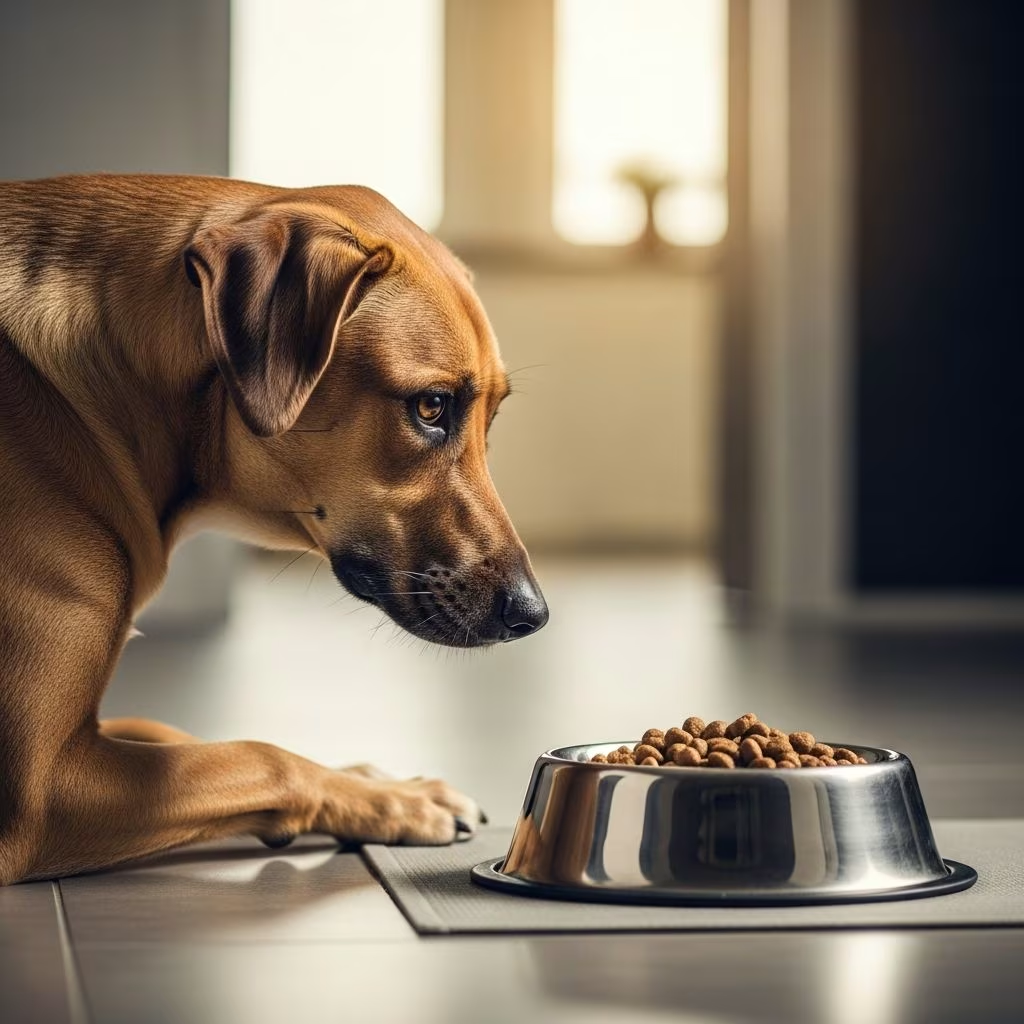
Dogs, like their human companions, can develop complex issues related to food intake and eating habits. These conditions range from complete refusal of meals to excessive consumption or ingestion of inappropriate items. Understanding these disorders is crucial for pet owners to ensure their dog’s well-being and prevent serious health complications.
Understanding Appetite Loss in Dogs
Appetite loss, often termed anorexia in veterinary terms, differs significantly from the human psychological condition. In dogs, it primarily indicates a physical or behavioral reluctance to eat rather than distorted body image concerns. This can manifest as true anorexia, where the dog shows no interest in food, or pseudo-anorexia, where hunger exists but physical barriers prevent consumption.
True anorexia stems from systemic issues that diminish the desire for food, while pseudo-anorexia involves mechanical problems like dental pain or swallowing difficulties. Owners might notice their dog turning away from the bowl despite visible hunger cues, such as whining or pacing.
Key Symptoms to Watch For
- Consistent refusal of food for over 24-48 hours
- Gradual weight loss and muscle wasting
- Lethargy and reduced activity levels
- Associated signs like vomiting, diarrhea, or dehydration
- Behavioral changes, including isolation or irritability
These symptoms warrant immediate veterinary attention, especially in puppies or senior dogs, where rapid deterioration can occur.
Physical Causes Behind Reduced Eating
Many cases of appetite suppression in dogs trace back to tangible health problems. Dental diseases top the list, with conditions like gingivitis, periodontal disease, or fractured teeth causing excruciating pain during chewing. Dogs may drop food from their mouths or paw at their face in discomfort.
Oral abnormalities, including salivary gland infections, mouth tumors, or foreign objects lodged in the throat, further complicate eating. Gastrointestinal blockages from swallowed items or inflammatory diseases like esophagitis create nausea and aversion. Systemic illnesses such as kidney failure, infections, or toxicities from ingesting poisons also suppress appetite through widespread malaise.
| Condition | Symptoms | Potential Impact |
|---|---|---|
| Dental Disease | Bleeding gums, bad breath, drooling | Painful chewing leading to pseudo-anorexia |
| GI Blockage | Vomiting, abdominal pain, constipation | Complete food refusal |
| Infections/Toxicity | Fever, lethargy, tremors | True anorexia with systemic signs |
Behavioral and Environmental Triggers
Not all eating refusals have a medical origin. Stress from household changes, such as new pets or relocations, can trigger temporary anorexia. Chronic anxiety or past traumas, akin to PTSD in humans, may cause dogs to lose interest in meals. Even unappealing food—due to recent diet switches or excessive treats—can lead to pickiness.
High temperatures reduce appetite as dogs conserve energy, and certain medications list nausea as a side effect. Pain from non-oral sources, like arthritis, indirectly affects eating by making it hard for dogs to access their bowls.
Excessive Eating and Related Behaviors
On the opposite spectrum, some dogs exhibit insatiable hunger. Overeating often links to ancestral survival instincts, where scarce resources prompted rapid consumption. Modern pet parents may unwittingly contribute by free-feeding or offering calorie-dense treats, paving the way for obesity and related issues like diabetes or joint strain.
Coprophagia: The Feces-Eating Habit
This repulsive behavior affects up to 25% of dogs, particularly puppies mimicking maternal cleaning instincts. Nutritional gaps, boredom, or gastrointestinal parasites might drive it. While not always harmful, it spreads parasites and signals underlying deficiencies.
Bolting Food and Risks
Dogs that inhale meals—common in shelter survivors or competitive littermates—risk bloat, choking, or regurgitation. This rapid eating, or “scoffing,” stems from fear of food scarcity and requires interventions like puzzle feeders.
Pica: Craving Non-Nutritive Items
Pica involves consuming inedible objects like dirt, socks, or rocks, often indicating anemia, boredom, or compulsive tendencies. It poses severe dangers, including intestinal obstructions requiring surgery.
Rare but Serious: Bulimia-Like Patterns
Though uncommon, some dogs gorge then vomit, mirroring bulimia. Anxiety or extreme hunger fuels this cycle, leading to malnutrition and esophageal damage if unchecked.
How Veterinarians Diagnose These Issues
Diagnosis begins with a thorough history, noting onset, duration, and concurrent symptoms. Physical exams check for oral lesions, abdominal tenderness, or dehydration. Blood tests reveal infections, organ dysfunction, or hormonal imbalances like hypothyroidism. Imaging such as X-rays or ultrasounds identifies blockages or tumors. In behavioral cases, food trials or elimination diets help pinpoint allergies.
Differentiating true from pseudo-anorexia is pivotal: offering soft, warmed food or hand-feeding tests willingness.
Treatment Strategies for Appetite Disorders
Tailored plans address root causes. Dental extractions or antibiotics resolve oral pain, restoring normal eating. For GI issues, fluids, anti-nausea drugs, or surgery prove effective. Nutritional support via appetite stimulants like mirtazapine or syringe feeding prevents starvation.
Behavioral modifications include stress reduction through routine, enrichment toys, and professional training. Slow feeders combat bolting, while balanced diets correct coprophagia. In severe pica cases, supplements for deficiencies or anti-anxiety meds may be prescribed.
Prevention Tips for Pet Owners
- Maintain regular dental check-ups and oral hygiene
- Introduce diet changes gradually
- Monitor for stress and provide ample exercise
- Use portion control to avoid overfeeding
- Secure environment to prevent access to toxins or trash
When to Seek Emergency Care
Rush to the vet if anorexia persists beyond 24 hours in small breeds or 48 in large ones, accompanied by vomiting blood, severe lethargy, or collapse. Pica-induced blockages demand immediate intervention to avert perforation.
FAQs on Dog Eating Disorders
Will my dog starve itself to death?
Dogs rarely self-starve without an underlying issue; prolonged refusal signals serious illness needing prompt care.
Can stress alone cause anorexia?
Yes, acute stress can suppress appetite temporarily, but chronic cases require ruling out medical causes.
How do I stop my dog from eating poop?
Address parasites, improve diet, supervise outdoors, and use deterrents; consult a vet for persistent cases.
Is pica always a nutritional problem?
No, it can stem from boredom, anxiety, or compulsion, though deficiencies play a role.
What if my puppy won’t eat?
Puppies dehydrate quickly; seek vet help within 12-24 hours, as it may indicate infection or parasites.
By staying vigilant, owners can mitigate these disorders effectively, promoting longer, healthier lives for their canine friends.
References
- Do I Have An Anorexic Dog? Signs of Eating Disorders in Dogs — Rover.com. 2023. https://www.rover.com/blog/anorexia-in-dogs/
- Anorexia in Dogs — VCA Animal Hospitals. 2024-02-01. https://vcahospitals.com/know-your-pet/anorexia-in-dogs
- Can Dogs Have Eating Disorders? — Festival Animal Clinic. 2023-10-15. https://festivalanimalclinic.com/blog/can-dogs-have-eating-disorders/
- Pet Eating Problems: Why Won’t My Dog Eat? — Case Hospital. 2023-01-15. https://www.casehospital.com/site/blog/2023/01/15/why-dog-eat
- My dog won’t eat, what should I do? — Vets Now. 2024. https://www.vets-now.com/pet-care-advice/my-dog-wont-eat/



