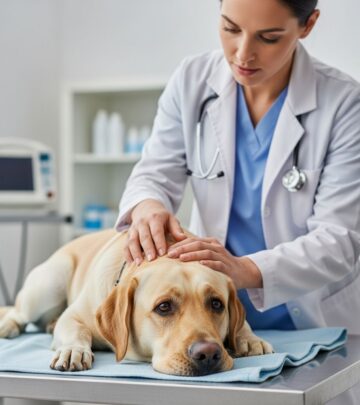
Canine Anesthesia Recovery: Timeline and What to Expect
Understanding your dog's post-operative anesthesia recovery window
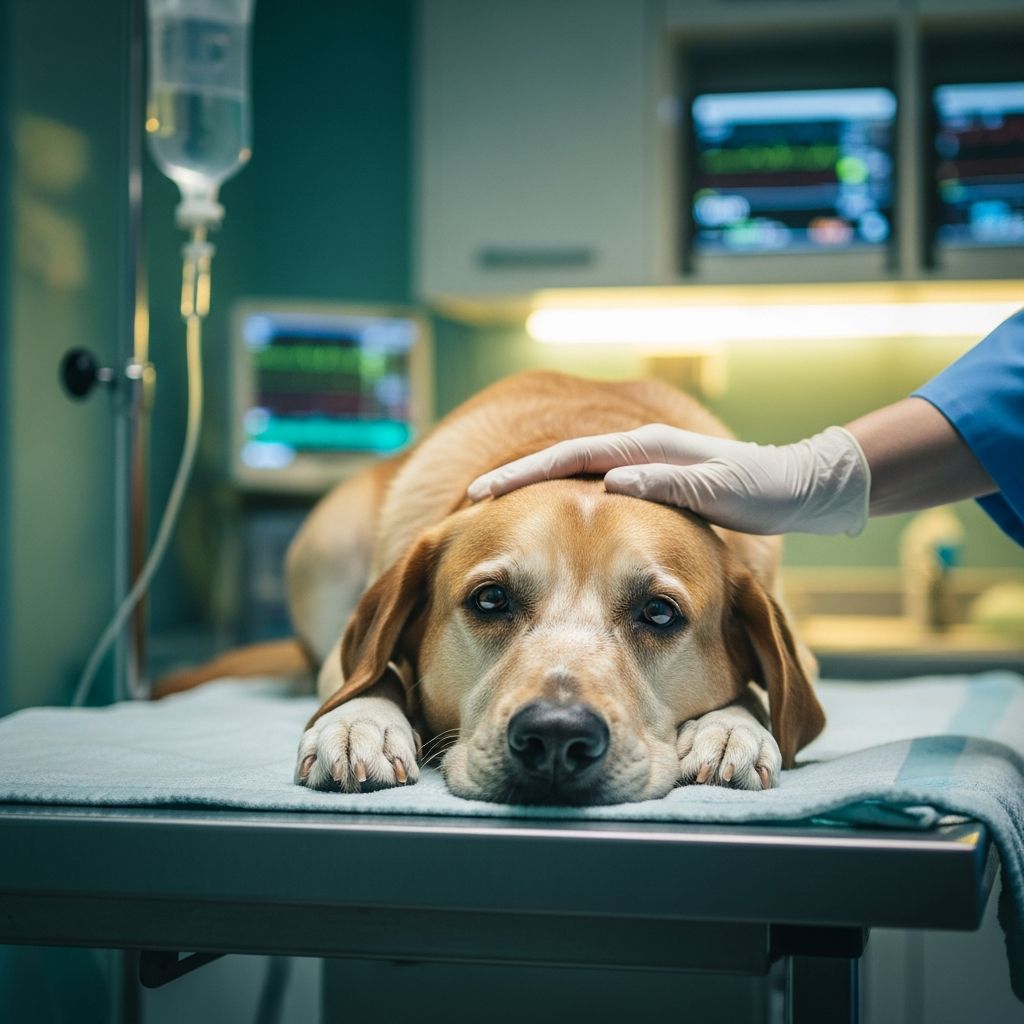
When your dog undergoes surgery or a dental procedure, understanding the recovery process is essential for providing appropriate care during the critical hours that follow. Anesthesia is a controlled state of unconsciousness that allows veterinarians to perform necessary medical procedures without causing pain or distress to your pet. However, the effects of these medications don’t disappear instantly once the procedure concludes. Pet owners need to recognize that recovery involves multiple phases, each with distinct characteristics and potential side effects.
The Anesthesia Recovery Timeline
The journey from anesthetized to fully alert involves several overlapping stages that typically span 12 to 24 hours after your dog comes home. Understanding this timeline helps you anticipate your dog’s behavior and recognize when something might warrant veterinary attention.
Initial Recovery Phase (First Few Hours)
Your dog will begin waking up immediately after the surgical procedure concludes. This awakening period can range from a few minutes to a couple of hours, depending on the specific anesthetic agents used and the complexity of the procedure. During this time, your veterinary team continues monitoring vital signs closely to ensure your dog emerges safely from unconsciousness. Most dogs are discharged once they’ve regained basic alertness and can walk with minimal assistance, but significant drowsiness typically persists.
Extended Recovery Period (12 to 24 Hours)
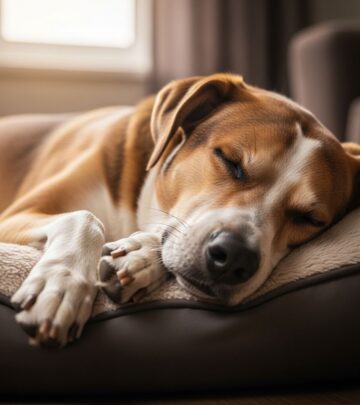
The window between your dog’s arrival home and full return to normal behavior represents the most critical observation period. Many dogs experience sleepiness or fatigue throughout this entire timeframe. Your dog may appear less responsive than usual, move sluggishly, or spend most of the day resting. This extended drowsiness stems from both the anesthetic agents and any sedatives or anti-anxiety medications your veterinarian administered before the procedure.
Understanding Medication Metabolism in Dogs
Your dog’s body processes different anesthetic components at varying rates, which explains why recovery isn’t instantaneous. The injectable and gaseous anesthetic agents used during surgery are metabolized relatively quickly and typically clear your dog’s system by discharge time. However, additional medications complicate this picture.
Sedatives and anti-anxiety medications represent a different category. These drugs can linger in your dog’s body much longer than the primary anesthetics, causing lingering effects that persist 12 to 24 hours after returning home. Pain management medications, known as analgesics, are designed to provide relief for 8 to 12 hours following administration. These overlap with remaining sedation effects, creating a period where your dog experiences combined influences from multiple drug classes.
Common Post-Operative Symptoms and Behaviors
Recognizing normal recovery symptoms versus warning signs is crucial for responsible post-operative care. Several behavioral and physical changes are entirely expected during the 24 to 48-hour recovery window.
Behavioral Changes
- Excessive sleepiness or drowsiness persisting throughout the day
- Disorientation or confusion, particularly in the first few hours home
- Reduced appetite or complete disinterest in food for several hours
- Whining or vocalization, often indicating disorientation rather than pain
- Startle responses to sudden noises or movements
Physical Manifestations
- Unsteady or wobbly gait that gradually improves as hours pass
- Dilated pupils from pain medications
- Mild drooling or difficulty swallowing temporarily
Sedatives and anti-anxiety medications contribute significantly to these behavioral changes. Dogs may seem uncoordinated, display an unstable walking pattern, or react with heightened sensitivity to environmental stimuli. These effects typically resolve within the 12 to 24-hour window as the medications metabolize.
Distinguishing Normal Whining from Pain-Related Distress
Post-operative whining can alarm pet owners, but understanding its cause helps determine whether your dog needs additional intervention. Dogs often whine during early recovery simply because they feel disoriented or dysphoric—a state of unease caused by medication aftereffects. This type of whining typically subsides within 30 to 60 minutes of arriving home.
However, excessive whining or crying that continues beyond this initial period may signal genuine pain rather than medication-related discomfort. If your dog’s vocalization doesn’t improve within the first hour home, contact your veterinary clinic to discuss whether additional pain management might be appropriate. Your veterinarian can help determine whether your dog needs an adjusted pain medication dose or if the current regimen is adequate.
Digestive System Recovery After Anesthesia
One of the most frequently misunderstood aspects of post-operative recovery involves your dog’s gastrointestinal function. Anesthesia slows the forward movement of your dog’s digestive system, a process known as peristalsis. This natural response to anesthesia combines with another factor to create extended bathroom delays.
Pre-operative fasting requirements, which typically last at least 12 hours before the procedure, mean your dog’s stomach is empty when surgery begins. An empty digestive tract combined with temporarily slowed peristalsis means your dog may not have a bowel movement until 48 to 72 hours after returning home. This delay is completely normal and expected—not a cause for concern unless accompanied by other symptoms like vomiting or extreme discomfort.
Appetite typically returns gradually. Don’t be surprised if your dog shows little interest in food for several hours after coming home. Once interest returns, offer small amounts of their regular diet rather than large meals. Many veterinarians recommend offering water-soaked kibble or bland options initially to ease the transition back to normal eating.
Pain Management During Recovery
Your veterinarian likely prescribed pain medication to help manage post-operative discomfort. Analgesics are specifically designed to relieve pain for 8 to 12 hours following administration. These medications may cause some mild secondary effects, such as drowsiness or pupil dilation, but these side effects are typically minimal compared to the benefit of pain relief.
Administering pain medication as prescribed is important for several reasons. Adequate pain control helps your dog rest comfortably, which accelerates healing. Additionally, dogs in uncontrolled pain may overexert themselves, potentially compromising surgical outcomes. Follow your veterinarian’s instructions precisely regarding medication timing and dosage.
Monitoring for Complications
While most dogs recover uneventfully, knowing warning signs that warrant immediate veterinary attention is essential. Contact your veterinary hospital if your dog exhibits any of the following:
- Unusually sluggish behavior that doesn’t improve as hours pass
- Inability to arouse your dog with normal stimulation
- Persistent vomiting or inability to keep food or water down
- Excessive bleeding from the surgical site
- Signs of infection around the incision
- Difficulty breathing or unusual breathing patterns
- Uncontrolled pain despite medication administration
- Seizures or unusual neurological symptoms
If your dog appears particularly strange after anesthesia or you cannot rouse them easily, contact the hospital immediately for specific guidance. Veterinary professionals can often assess whether your dog’s presentation represents normal recovery variation or a complication requiring intervention.
Environmental Considerations During Recovery
Creating an appropriate recovery environment significantly influences your dog’s healing. The period immediately following anesthesia demands careful monitoring and a calm setting.
Recommended Setup
- Provide a quiet area away from household activity and other pets
- Use non-slip flooring to prevent falls while your dog’s coordination is compromised
- Place food, water, and bathroom facilities within easy reach
- Limit stair climbing for dogs recovering from extensive procedures
- Avoid strenuous play or exercise for the recommended duration
- Keep children and other animals from disturbing your resting dog
Your dog’s coordination may be compromised during recovery, particularly in the first 12 hours. Slippery floors, stairs, or obstacles increase injury risk. Create a confined, safe space where your dog can rest without navigating challenging terrain.
Frequently Asked Questions About Anesthetic Recovery
Q: How quickly will my dog return to normal activity?
A: Typically, dogs return to their normal selves as soon as they wake up, but it can take up to 24 hours for complete normalization. Most dogs show dramatic improvement within 12 hours, with full recovery by the 24-hour mark.
Q: Should I be concerned if my dog doesn’t eat immediately after coming home?
A: No. Reduced appetite is expected after anesthesia. Wait several hours before offering small amounts of food. Your dog’s appetite will return gradually as the anesthetic effects wear off.
Q: How long before my dog can resume normal exercise?
A: Always follow your veterinarian’s post-operative instructions regarding activity restrictions. Most dogs need restricted activity for 7 to 14 days following surgery, but the anesthesia-related restrictions typically end within 24 hours.
Q: Is it normal for my dog to seem disoriented or confused?
A: Yes. Disorientation is a common and expected side effect during the first few hours of recovery as your dog’s cognitive function returns to normal after anesthesia.
Q: What should I do about my dog’s bathroom schedule during recovery?
A: Take your dog outside frequently, but expect delayed bowel movements. Don’t be alarmed if your dog doesn’t have a bowel movement until 48 to 72 hours post-procedure.
Key Takeaways for Post-Operative Success
Understanding anesthesia recovery helps you provide the best possible care for your dog during the vulnerable hours following surgery. Recovery is a predictable process with typical timelines and common symptoms. Most dogs experience 12 to 24 hours of lingering effects before returning completely to normal. By recognizing normal recovery symptoms, maintaining appropriate monitoring, creating a safe environment, and following your veterinarian’s post-operative instructions precisely, you maximize your dog’s chances for successful healing and minimize complications. When in doubt about your dog’s recovery progress, always contact your veterinary clinic for guidance.
References
- How Long Does Anesthesia Last in Dogs? — Whole Dog Journal. https://www.whole-dog-journal.com/health/how-long-does-anesthesia-last-in-dogs/
- Anesthesia for Dogs — VCA Animal Hospitals. https://vcahospitals.com/know-your-pet/anesthesia-for-dogs
- Association between anesthesia duration and outcome in dogs with acute thoracolumbar intervertebral disk herniation — National Center for Biotechnology Information (NCBI). https://pmc.ncbi.nlm.nih.gov/articles/PMC7379036/
- Anesthesia For Dogs: What Every Dog Owner Should Know — VRA Veterinary Hospital. https://www.vravet.com/site/blog/2022/12/30/anesthesia-for-dogs-what-every-dog-owner-should-know
- Understanding Dog Anesthesia — Loch Haven Veterinary Hospital. https://www.lochhavenvet.com/services/dog-wellness/dog-anesthesia
- What You Need To Know About Veterinary Anesthesia — Marina Hills Veterinary Hospital. https://www.marinahillsvet.com/services/surgical-procedures/anesthesia
- When your pet needs anesthesia — American Veterinary Medical Association (AVMA). https://www.avma.org/resources-tools/pet-owners/petcare/when-your-pet-needs-anesthesia
Similar Articles





Read full bio of medha deb