

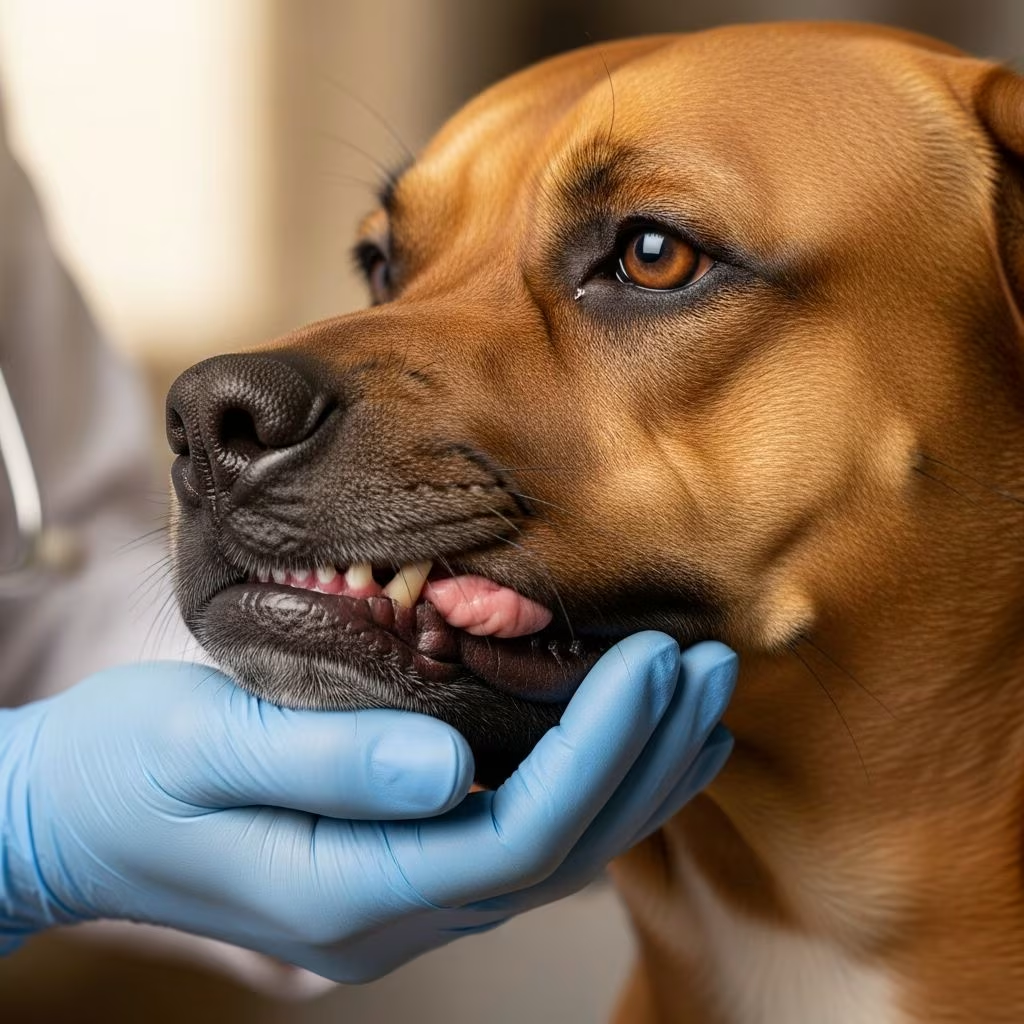
Anemia in dogs is a condition where the body lacks sufficient healthy red blood cells or hemoglobin to carry oxygen effectively throughout the body. This leads to fatigue and other health issues, often signaling an underlying problem that requires prompt veterinary attention.
Understanding the Basics of Anemia in Canines
Red blood cells are vital for transporting oxygen from the lungs to tissues and organs. When their numbers drop below normal, dogs experience oxygen deprivation, impacting energy levels and overall vitality. Veterinarians classify canine anemia based on how the body responds in red blood cell production post-loss: regenerative types show bone marrow compensation via reticulocytes, while non-regenerative indicate suppressed production.
Early detection through routine blood work can prevent complications, as anemia rarely stands alone but accompanies diseases like infections or cancers.
Primary Categories of Anemia Affecting Dogs
Canine anemia falls into distinct types, each with unique mechanisms and triggers. Recognizing these helps tailor effective interventions.
Blood Loss Anemia
This occurs from acute or chronic hemorrhage, depleting red blood cells faster than replacement. Common culprits include trauma from accidents, surgical complications, gastrointestinal ulcers, or heavy parasite burdens like hookworms that feed on intestinal blood.
- External injuries: Cuts, fights, or vehicle accidents causing visible bleeding.
- Internal bleeding: Tumors, rodenticides disrupting clotting, or coagulopathies.
- Parasitic drain: Fleas in severe infestations or ticks transmitting diseases.
Non-Regenerative or Aplastic Anemia
Here, the bone marrow fails to produce adequate red blood cells, leading to persistent low counts. Triggers encompass kidney failure impairing erythropoietin hormone, bone marrow suppression from chemotherapy, toxins like zinc or estrogen, and viral assaults such as parvovirus.
This type demands addressing the root suppression to restore marrow function.
Hemolytic Anemia
Red blood cells are prematurely destroyed, either by immune system errors (IMHA) or non-immune factors like onion toxicity, phosphorus imbalance, or hereditary defects. Spherocytes on blood smears often confirm immune-mediated cases.
Other Specialized Forms
Methemoglobinemia arises from genetic quirks or toxins like acetaminophen, rendering hemoglobin dysfunctional for oxygen binding.
Common Triggers Behind Anemia in Dogs
Beyond types, numerous factors precipitate anemia. Here’s a breakdown:
| Category | Examples | Impact |
|---|---|---|
| Parasites | Hookworms, fleas, ticks | Blood loss and disease transmission |
| Infections | Distemper, Lyme disease | Suppress production or cause hemolysis |
| Chronic Illnesses | Kidney disease, hypothyroidism, Cushing’s | Hormonal disruption of marrow |
| Toxins/Meds | Ibuprofen, chemotherapy, poisons | Destroy cells or marrow toxicity |
| Cancer | Lymphoma, hemangiosarcoma | Bleeding tumors or marrow infiltration |
| Nutrition | Iron/vitamin deficiencies | Impaired cell synthesis |
Breeds like Greyhounds may show physiologic lower red cell counts, mimicking mild anemia without pathology.
Recognizing Symptoms Early: Key Signs to Watch
Symptoms emerge gradually or suddenly, depending on onset speed. Owners often notice behavioral shifts first.
- Lethargy and weakness: Reduced play, reluctance to exercise, sleeping more.
- Pale mucous membranes: Gums, tongue, or inner ears appear white or gray instead of pink.
- Rapid or labored breathing: Panting at rest to compensate for low oxygen.
- Increased heart rate: Bounding pulse felt on limbs.
- Appetite loss and weight decline: Secondary to systemic illness.
- Other indicators: Icterus (yellowing), bloody stool/urine, collapse in severe cases.
Mild cases might evade notice until blood tests during checkups reveal issues.
Diagnostic Approaches for Accurate Assessment
Vets employ a multi-step process to pinpoint anemia and its cause.
- Physical exam: Check gums, heart rate, lymph nodes, abdomen for masses.
- Complete blood count (CBC): Measures packed cell volume (PCV), hemoglobin; assesses reticulocytes.
- Blood smear: Detects parasites, abnormal cells like spherocytes.
- Biochemical profile: Evaluates organ function, electrolytes.
- Further tests: Fecal analysis for parasites, imaging (ultrasound/X-ray), bone marrow aspirate if needed.
PCV below 35-45% (breed-dependent) flags anemia; regenerative shows reticulocytosis.
Treatment Strategies: Tailored to the Cause
No universal cure exists; therapy targets the underlying issue while supporting the dog.
- Stabilization: IV fluids for hydration, oxygen therapy if hypoxic.
- Blood products: Transfusions for severe cases (PCV <15-20%), packed red cells preferred.
- Parasite control: Dewormers, flea/tick preventives.
- Immunosuppressants: Steroids for IMHA, alongside antibiotics to prevent secondary infections.
- Specific therapies: Surgery for bleeding tumors, chelation for toxins, dialysis for kidney support.
- Nutritional aids: Iron-rich diets, B-vitamins, folate for production support.
Prognosis varies: acute blood loss often resolves well, while marrow diseases may need lifelong management.
Preventive Measures and Home Care Tips
Proactive steps reduce anemia risks.
- Regular vet visits with blood screening for at-risk dogs (seniors, breeds prone to IMHA).
- Year-round parasite prevention, especially in endemic areas.
- Avoid toxins: No human meds, secure rodenticides.
- Balanced nutrition: High-quality kibble meeting AAFCO standards.
- Monitor for ticks post-outdoors; prompt removal.
At home, track energy, gum color; seek care if changes appear.
Frequently Asked Questions (FAQs)
Can anemia in dogs be cured completely?
Depends on cause; treatable blood loss or parasites often yes, chronic conditions managed ongoing.
How much does a blood transfusion cost for dogs?
Varies by clinic/location; typically $500-$1500 including monitoring.
Is anemia contagious between dogs?
No, but shared parasites or infections can spread risks.
What foods help with dog anemia?
Lean meats, eggs, liver for iron; consult vet before supplements.
When is anemia an emergency?
Collapse, white gums, breathing distress—rush to vet.
Armed with this knowledge, dog owners can act decisively, improving outcomes for their companions.
References
- Anemia in Dogs: Causes, Symptoms and Treatments — Madison Park Veterinary Hospital. 2023-06-30. https://www.madisonparkvet.com/site/blog/2023/06/30/anemia-dogs-causes-symptoms-treatments
- Anemia in Dogs: Causes, Symptoms and Treatments — Northeast Veterinary Hospital. 2021-02-12. https://www.northeast-vet.com/site/pet-care-blog-plains-vet/2021/02/12/anemia-in-dogs-causes-symptoms-treatments
- Types, Causes & Symptoms of Anemia in Dogs — PetVet Care Centers. 2021-05-31. https://www.petvetcarecenters.com/site/blog/2021/05/31/anemia-in-dogs
- Symptoms, Causes & Treatment of Anemia in Dogs — Four Paws House Calls Clovis. 2023-04-15. https://www.fphclovis.com/site/blog/2023/04/15/symptoms-causes-treatment-anemia-dogs
- Understanding Canine Anemia: Causes, Symptoms, and Treatment — Express Vets. N/A. https://www.expressvets.com/blog/understanding-canine-anemia-causes-symptoms-and-treatment
- Anemia in Dogs — Midtown Veterinary Practice. N/A. https://midtownveterinarypractice.com/blog/anemia-in-dogs/



