

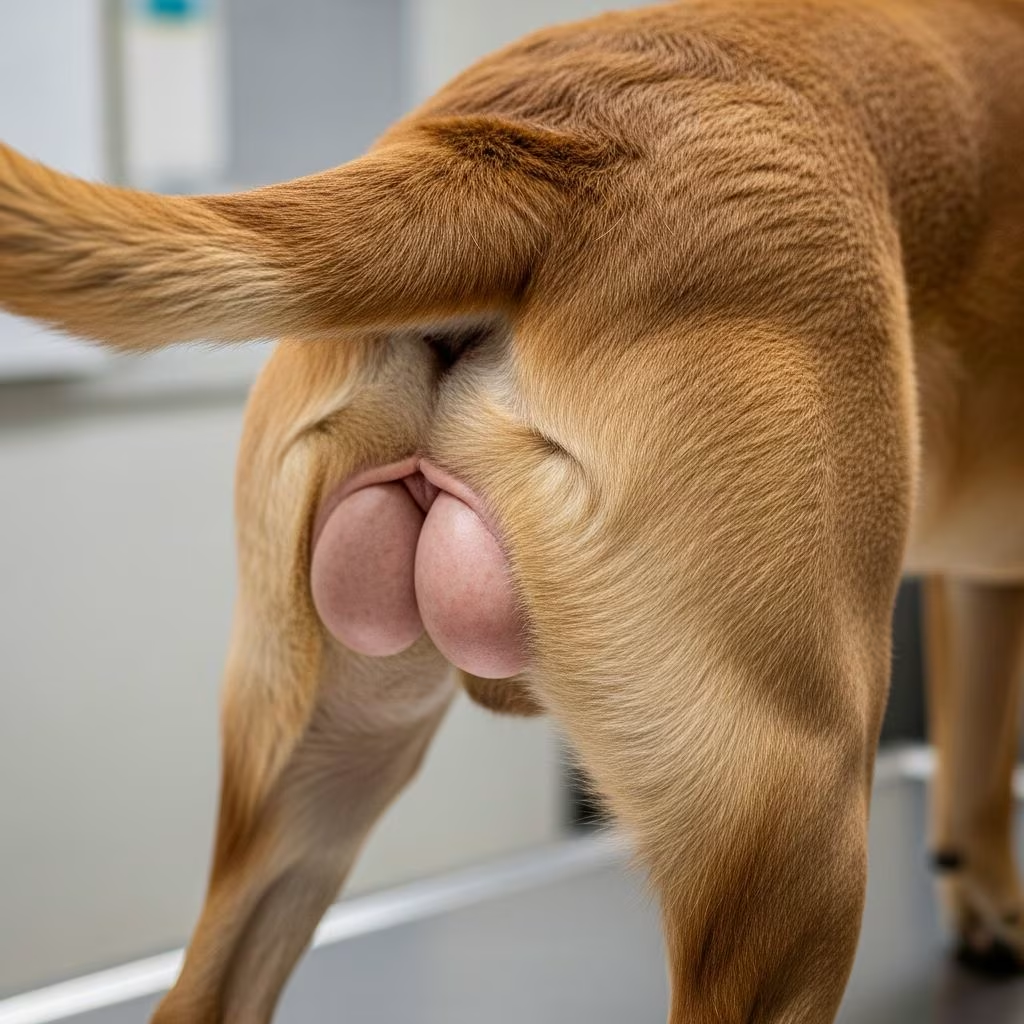
Dogs possess two small sacs near their anus known as anal sacs or anal glands, which produce a strong-smelling fluid for scent communication. These structures typically empty during defecation but can lead to health issues if they fail to do so naturally.
The Anatomy and Location of Anal Sacs
Anal sacs are positioned at the 4 and 8 o’clock positions around the anus, embedded within the anal sphincter muscles and just beneath the skin. Each sac is oval-shaped, roughly pea-sized in most dogs, though size varies by breed—larger in giants and smaller in toys. They connect to the anus via narrow ducts that open near the surface, allowing fluid release.
The sacs are lined with sebaceous glands that secrete an oily, pungent substance ranging from yellow-brown to gray in color. This fluid accumulates until pressure from passing stool compresses the sacs, expelling it onto the feces. In healthy dogs, this process occurs seamlessly with every bowel movement, preventing buildup.
Natural Purpose and Functions
The primary role of anal sac secretions is territorial marking and individual identification among dogs. The unique odor signals information like sex, health status, age, and dominance, which other dogs detect during sniffing greetings. Some theories suggest the fluid may also lubricate hard stools, aiding passage, though scent communication is the most supported function.
Stress or fear can trigger involuntary expression, explaining the sudden fishy smell from frightened dogs. In the wild, this would reinforce social hierarchies or deter threats, but domestic dogs rarely rely on it beyond basic communication.
Factors Influencing Anal Sac Function by Breed and Size
While anatomy is consistent across dogs, variations in sac size, position, and surrounding muscle affect emptying efficiency. Larger breeds with strong sphincter tone, like athletic working dogs, often self-express well due to robust pelvic muscles compressing the sacs fully.
Smaller or sedentary breeds face higher risks from weaker muscles and softer stools that fail to provide sufficient pressure. For instance, hounds like Beagles may have more ventral (lower) sac positioning, complicating natural expression and leading to frequent issues.
| Breed Size | Typical Sac Traits | Expression Risk |
|---|---|---|
| Toy/Small | Smaller sacs, weaker tone | High impaction risk |
| Medium | Moderate size/position variance | Moderate |
| Large/Giant | Larger sacs, strong muscles | Low, if active |
Conformation plays a role too: brachycephalic breeds or those with tight tails (e.g., Bulldogs) have obstructed access, while poor posture from hip/knee problems hinders squatting.
Recognizing Signs of Anal Sac Disorders
Most dogs never experience problems, but when sacs don’t empty, symptoms emerge. Common indicators include:
- Scooting: Dragging rear on floors or carpets to relieve pressure.
- Excessive licking or biting: At the anal area due to irritation.
- Foul odor: Persistent fishy or rotten smell from the hindquarters.
- Swelling or pain: Visible lumps, tenderness when touched, or reluctance to sit.
- Blood or discharge: From ruptured sacs or infections.
These signs often start subtly but worsen if ignored, progressing from discomfort to serious infections.
Common Anal Sac Conditions and Their Progression
Anal sac issues typically follow a sequence from impaction to severe complications:
- Impaction: Thickened fluid blocks ducts, causing enlargement and discomfort. Often due to low-fiber diets producing soft stools.
- Infection: Bacteria enter trapped fluid, leading to inflammation, pus, and fever.
- Abscess: Pus buildup creates painful swelling; may burst externally, draining foul material.
- Rupture: Internal bursting causes fistulas, severe pain, and potential sepsis if untreated.
- Tumors: Rare, but chronic issues raise risk of sac adenocarcinoma.
Early intervention prevents escalation; veterinary exams confirm via digital expression or imaging.
Prevention Strategies for Healthy Anal Sacs
Proactive care minimizes problems. Key approaches include:
- Diet optimization: High-fiber foods (e.g., pumpkin, veggies) firm stools for better pressure. Avoid grain-free diets linked to softer feces.
- Exercise: Promotes muscle tone and regular, firm defecation.
- Weight management: Obesity weakens sphincters; lean dogs squat effectively.
- Hydration and posture: Ensure water intake; correct conformational issues like tail pocket cleaning.
Breed-specific monitoring helps: small hounds may need monthly checks, while giants rarely do.
Professional Treatments and Management
Vets manually express sacs externally (gentle squeeze) or internally (digital via rectum) under sedation if painful. Frequency varies: one-time for acute cases, scheduled for chronics.
For infections/abscesses, antibiotics, flushing, or surgery (marsupialization) resolve issues. Chronic cases may require flushing diets, probiotics, or rarely, total sac removal—effective but alters scent marking.
Home expression is possible for experienced owners but risks injury; professionals recommend vet visits.
Home Care Tips and When to Call the Vet
Monitor for signs weekly. At home:
- Wipe anal area gently post-defecation.
- Add fiber gradually (1 tsp canned pumpkin/day).
- Encourage deep squats during potty breaks.
Seek immediate care for swelling, blood, lethargy, or non-stop scooting. Untreated ruptures lead to life-threatening infections.
FAQs on Dog Anal Sac Health
Q: Do all dogs need anal glands expressed?
A: No, healthy dogs with firm stools self-express naturally. Routine expression isn’t necessary unless issues arise.
Q: Why do small breeds have more problems?
A: Weaker muscles and smaller stools provide less compression, leading to buildup.
Q: Can diet alone fix anal sac issues?
A: Often yes for mild cases; fiber bulks stool for better emptying. Consult vets for persistent problems.
Q: Is anal sac removal safe?
A: Yes, for recurrent cases; dogs adapt well without scent complications indoors.
Q: How often should I check my dog’s rear?
A: Weekly visual/smell checks suffice; more if breed-prone.
Long-Term Outlook and Breed Considerations
With proper management, most dogs thrive. Track diet, activity, and symptoms in a journal. Breeds like Chihuahuas, Dachshunds, or Bulldogs warrant vigilance due to anatomy.
Understanding these sacs empowers owners to prevent discomfort, ensuring happy, tail-wagging companions.
References
- Comparative Anal Gland Anatomy in Dogs by Breed and Size — Seaweed for Dogs. 2023. https://seaweedfordogs.com/pages/comparative-anal-gland-anatomy-in-dogs-by-breed-and-size
- Structure and Function of Anal Glands in Dogs — PetPlace.com. 2024. https://www.petplace.com/article/dogs/pet-health/structure-and-function-of-anal-glands-in-dogs
- Anal Sac Disease — WSU Veterinary Teaching Hospital. 2021-12-03. https://hospital.vetmed.wsu.edu/2021/12/03/anal-sac-disease/
- Those Glands in the Rear: Everything You Don’t Want to Know — Scenthound. 2020-06-05. https://www.scenthound.com/dogblog/2020/6/5/anal-glands-everything-you-dont-want-to-know-but-should
- Anal Glands in Dogs: Everything You Need to Know — American Kennel Club. 2023. https://www.akc.org/expert-advice/vets-corner/anal-gland-disease-in-dogs/



