
Canine Anal Sacs: Complete Guide
Understand your dog's anal sacs, from normal function to common problems and expert care strategies for optimal health.
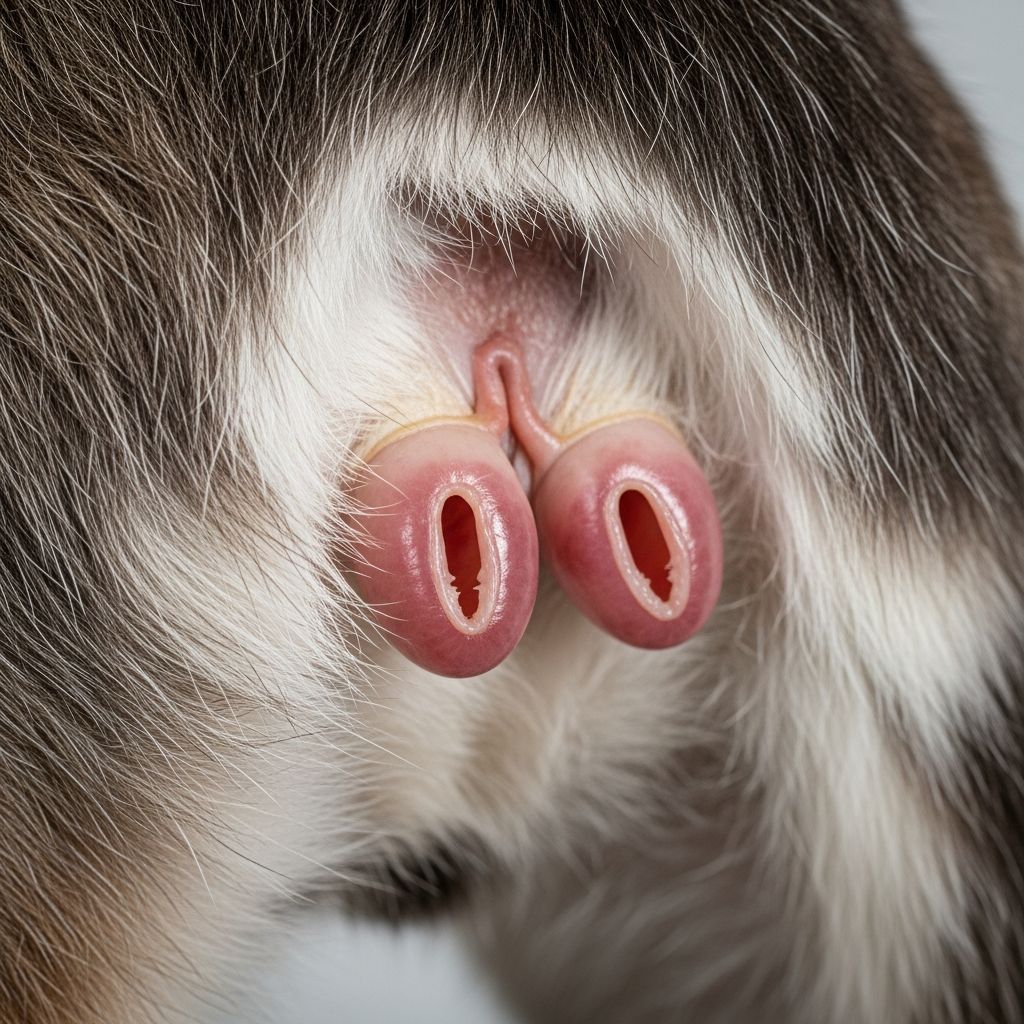
Anal sacs, often referred to as anal glands, play a subtle yet vital role in a dog’s communication and daily physiology. These small structures, located near the anus, produce distinctive secretions that most dogs express naturally during defecation. When functioning properly, they require no intervention, but issues like impaction or infection can cause discomfort and noticeable symptoms. This guide delves into their anatomy, functions, potential disorders, management options, and preventive measures to help owners maintain their pets’ rear-end health.
The Anatomy of Dog Anal Sacs
Dogs possess two small, oval-shaped sacs positioned symmetrically on either side of the anus, typically at the 4 and 8 o’clock positions when viewed as a clock face. These sacs are embedded within the anal sphincter muscles, just beneath the skin, and connect to the anus via narrow ducts. Lined with sebaceous glands, they generate an oily, pungent fluid that varies in color from yellow-brown to gray. The sacs’ size correlates with the dog’s breed and body mass: pea-sized in small breeds and larger in giants.
The surrounding sphincter muscles are crucial, as they compress the sacs during bowel movements, facilitating fluid release onto the stool surface. In healthy dogs, this process occurs seamlessly with firm feces providing the necessary pressure. Variations exist across breeds; for instance, dogs with strong pelvic musculature, common in athletic large breeds, empty more efficiently than those with weaker tone in toy or sedentary varieties.
Natural Functions and Purpose
The primary role of anal sac secretions is olfactory communication. Each dog’s fluid carries a unique scent profile, signaling identity, sex, health status, and age to other canines during greetings or territorial marking. This explains why dogs avidly sniff rear ends upon meeting. Additionally, the fluid may lubricate passage of hard stools or serve as a fear response, releasing involuntarily under stress to produce a fishy odor.
Under normal conditions, sacs empty partially with each defecation, preventing buildup. Firm stool is key, as soft feces fail to generate sufficient pressure. In wild ancestors, this mechanism aided pack dynamics and survival, a trait retained in domestic dogs despite reduced need for territorial disputes.
Common Disorders and Health Issues
While many dogs never experience problems, certain factors predispose others to anal sac diseases. Impaction tops the list, where thick fluid accumulates due to inadequate natural expression, leading to gland enlargement and irritation. Infections often follow, typically bacterial, causing inflammation. Untreated, these progress to abscesses—pus-filled swellings that may rupture, draining foul material.
Tumors represent rarer, severe complications. Symptoms universally include scooting (dragging the rear on floors), excessive licking or biting at the anus, foul odors, swelling, pain, and reluctance to sit. Small breeds, overweight dogs, and those with soft diets face higher risks due to poor sphincter tone or insufficient stool pressure.
Recognizing Symptoms Early
- Scooting behavior: Frequent dragging of hindquarters across carpets or grass signals discomfort from full sacs.
- Foul smells: Persistent fishy or rotten odors from the rear, especially post-defecation.
- Licking and chewing: Obsessive attention to the anal area indicates irritation.
- Visible swelling: Red, inflamed lumps near the anus or bloody discharge from ruptures.
- Behavioral changes: Pain-avoidance like tail tucking, whining during defecation, or aggression when touched.
Owners should monitor during routine petting or baths. Early detection prevents escalation from impaction to surgery-requiring abscesses.
Diagnosis and Veterinary Assessment
Vets diagnose via physical exam, manually expressing sacs to check fluid consistency, color, and volume. Digital rectal exams assess duct patency and sphincter tone. For infections or abscesses, cytology or cultures identify pathogens. Imaging like ultrasound detects tumors or deep impactions. Breed-specific anatomy, such as deep positioning in brachycephalics, may complicate access, requiring careful manipulation.
Treatment Options for Anal Sac Problems
Treatment escalates with severity:
| Condition | Treatment | Follow-up |
|---|---|---|
| Impaction | Manual expression by vet; warm compresses; stool firmers | Re-check in 2-4 weeks |
| Infection | Antibiotics; flushing; pain relief | Culture test post-treatment |
| Abscess | Drainage; antibiotics; e-collar to prevent licking | Wound monitoring |
| Recurrent/Chronic | Infusion therapy; dietary changes; surgery (sac removal) | Lifelong management |
Manual expression involves gentle external or internal pressure to expel contents, ideally by professionals to avoid trauma. For chronic cases, surgical excision (anal sacculectomy) offers permanent relief but risks incontinence. Home attempts risk injury, so vet guidance is essential.
Breed and Size Influences on Anal Sac Health
Anatomy varies by size class, impacting disease susceptibility.
- Toy/Small Breeds (e.g., Chihuahuas, Dachshunds): Weaker sphincters lead to frequent impactions; sacs smaller but relatively harder to empty.
- Medium Breeds (e.g., Beagles): Balanced tone; issues arise with obesity or soft stools.
- Large/Giant (e.g., Labs, Great Danes): Strong muscles aid expression; problems rarer unless conformation issues like hip dysplasia affect posture.
- Brachycephalics (e.g., Bulldogs): Tight tails/skin folds obstruct ducts; hygiene challenges heighten infection risk.
Conformation traits like docked tails or short legs alter squatting, reducing pressure on sacs. Proactive checks suit high-risk groups.
Prevention Strategies for Healthy Sacs
Proactive steps minimize issues:
- Diet Optimization: High-fiber foods promote firm stools; add pumpkin or psyllium for bulk.
- Exercise Regimen: Daily activity strengthens sphincters and encourages complete defecation.
- Weight Control: Obesity weakens muscles; maintain ideal body condition.
- Hydration and Probiotics: Support gut health for consistent stool quality.
- Routine Vet Checks: During annual exams, request gland evaluation for at-risk dogs.
Avoid routine home expressions, as they weaken natural mechanisms over time.
Home Care Tips and When to Seek Help
Monitor stool firmness and rear hygiene. Clean tail pockets in folded-skin breeds to prevent bacterial entry. If symptoms appear, avoid DIY fixes; schedule vet visits promptly. Post-expression, apply pet-safe wipes for cleanliness. For recurring cases, discuss infusions—sterile fluid injected to dilate ducts and promote drainage.
FAQs on Canine Anal Sacs
Do all dogs need their anal sacs expressed?
No, healthy dogs with firm stools self-express naturally. Routine manual emptying is unnecessary and can cause dependency.
Why do small dogs have more anal gland issues?
Weaker sphincter muscles and softer stools from small-breed diets hinder expression, leading to buildup.
Can diet alone fix anal sac problems?
Diet helps by firming stools but doesn’t address anatomical or infectious causes; combine with vet care.
Is anal sac surgery safe?
Generally yes for chronic cases, with low incontinence risk in experienced hands, but it’s a last resort.
How often should vets check anal sacs?
Annually for most; monthly for breeds prone to impaction.
Long-Term Management for Chronic Cases
Dogs with persistent issues benefit from tailored plans: prescription diets, supplements like omega-3s for anti-inflammation, or scheduled expressions. Track symptoms in a journal for vet insights. Emerging therapies like laser flushing show promise for infections. Owners of high-risk breeds should partner closely with vets for customized protocols.
Understanding anal sacs empowers proactive care, reducing discomfort and vet bills. Most dogs thrive without intervention, but vigilance ensures quick resolution when needed.
References
- Comparative Anal Gland Anatomy in Dogs by Breed and Size — Seaweed for Dogs. 2023. https://seaweedfordogs.com/pages/comparative-anal-gland-anatomy-in-dogs-by-breed-and-size
- Structure and Function of Anal Glands in Dogs — PetPlace.com. 2022-10-15. https://www.petplace.com/article/dogs/pet-health/structure-and-function-of-anal-glands-in-dogs
- Anal Sac Disease — WSU Veterinary Teaching Hospital. 2021-12-03. https://hospital.vetmed.wsu.edu/2021/12/03/anal-sac-disease/
- Those Glands in the Rear: Everything You Don’t Want to Know (but Should) — Scenthound. 2020-06-05. https://www.scenthound.com/dogblog/2020/6/5/anal-glands-everything-you-dont-want-to-know-but-should
- Anal Glands in Dogs: Everything You Need to Know — American Kennel Club. 2023. https://www.akc.org/expert-advice/vets-corner/anal-gland-disease-in-dogs/
Similar Articles








Read full bio of Sneha Tete




