

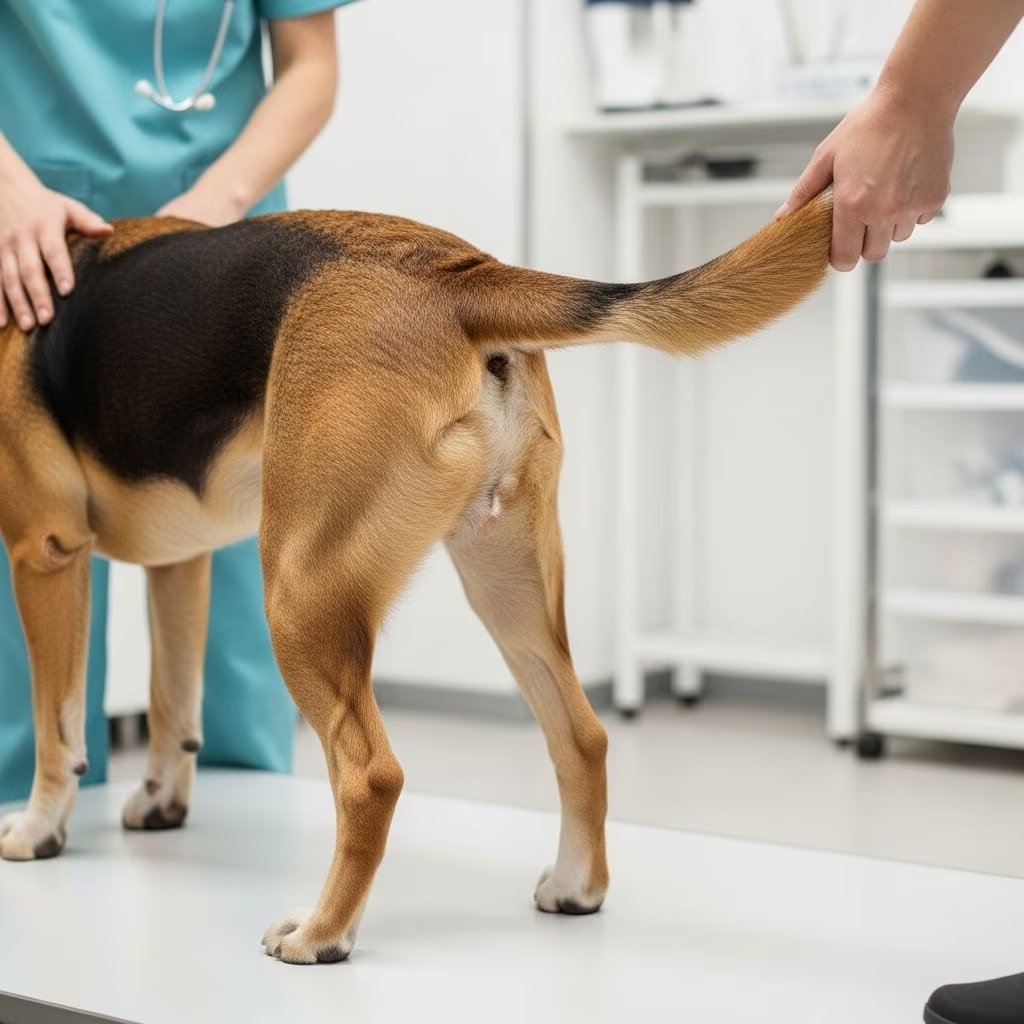
Canine anal sacs, often referred to as anal glands, play a key role in a dog’s natural communication and bodily functions. These small structures, located near the anus, produce a distinctive fluid that typically empties during defecation. Understanding their anatomy, purpose, and potential problems empowers pet owners to support their dogs’ well-being effectively.
The Anatomy of Anal Sacs in Dogs
Anal sacs are paired glands positioned symmetrically around the anus, generally at the 4 and 8 o’clock positions when viewed from the rear. Each sac connects to the anus via a narrow duct, and they are lined with sebaceous glands that secrete a thick, odorous fluid. In healthy dogs, these sacs remain small—about the size of a pea in most breeds—but can vary by size and body type.
The surrounding anal sphincter muscles and pelvic structure influence sac function. Larger breeds often have stronger muscle tone, aiding natural expression, while smaller dogs may face challenges due to weaker tone or anatomical variations. Duct size also matters; narrower ducts in toy breeds can lead to blockages more readily.
- Sac Location: Internal, just beneath the skin, not visible externally.
- Duct Openings: Small pores near the anus for fluid release.
- Fluid Characteristics: Oily, pungent, brown or yellowish, unique to each dog.
Natural Role and Function
These sacs primarily serve as scent markers. The fluid coats feces during bowel movements, allowing dogs to identify one another through smell. This territorial signaling is instinctual, helping dogs communicate presence and status.
Additional theories suggest the fluid lubricates the anus for smoother defecation or carries pheromones for social introductions. In wild canids, such scents aid pack dynamics, a trait retained in domestic dogs despite reduced need. Normally, firm stools provide the pressure needed for complete emptying, preventing buildup.
Variations Across Breeds and Sizes
While all dogs possess anal sacs, differences in breed size, conformation, and activity levels affect their performance. Small and toy breeds, like Chihuahuas or French Bulldogs, often have smaller sacs with tighter ducts, increasing impaction risk. Larger breeds, such as Labradors, benefit from robust musculature that promotes better expression.
| Breed Size | Typical Sac Traits | Common Challenges |
|---|---|---|
| Toy/Small | Smaller sacs, narrow ducts | Higher impaction risk, weaker sphincter tone |
| Medium | Moderate size, variable position | Occasional issues if sedentary |
| Large/Giant | Larger capacity, strong muscles | Rare problems unless obese |
Hounds like Beagles may have ventrally positioned sacs, requiring more frequent attention, while screw-tailed breeds face physical obstructions from tail conformation. Docked tails reduce minor stimulation but rarely cause primary issues.
Recognizing Signs of Trouble
When sacs fail to empty, fluid accumulates, causing discomfort. Common indicators include:
- Scooting: Dragging rear on floors or carpets to self-relieve pressure.
- Excessive Licking: Frequent attention to the anal area.
- Foul Odor: Persistent fishy or skunky smell from the rear.
- Swelling or Redness: Visible inflammation around the anus.
- Behavioral Changes: Irritability, whining, or biting at the tail base.
Soft stools from poor diet exacerbate problems by lacking sufficient pressure for expression. Obesity weakens muscles, while allergies or infections can inflame ducts.
Causes Behind Anal Sac Issues
Several factors contribute to dysfunction:
- Dietary Imbalances: Low-fiber diets produce loose stools, hindering expression.
- Anatomical Factors: Deep sac positioning or narrow ducts impede flow.
- Lifestyle: Sedentary habits reduce muscle tone; docked or curly tails block access.
- Health Conditions: Infections, abscesses, or allergies cause swelling and blockages.
Chronic cases may lead to infections requiring antibiotics or, rarely, surgical removal.
Professional Expression Techniques
Veterinarians or groomers perform manual expression safely. The process involves:
- Positioning the dog comfortably, often standing or on a table.
- Locating glands externally at 4 and 8 o’clock.
- Applying gentle, steady digital pressure to expel fluid via ducts.
- Cleaning the area to prevent irritation.
Internal expression uses a gloved finger for stubborn cases but requires expertise to avoid injury. Frequency varies: monthly for prone dogs, as-needed for others. Home expression suits experienced owners but risks improper technique.
Preventive Strategies for Healthy Sacs
Proactive care minimizes issues:
- High-Fiber Diet: Pumpkin, sweet potatoes, or supplements firm stools.
- Exercise: Promotes muscle tone and regular defecation.
- Weight Management: Obesity strains the anal region.
- Hydration: Ensures proper stool consistency.
- Routine Checks: Vet exams during grooming or wellness visits.
Supplements like omega-3s may reduce inflammation, though evidence varies. Monitor for early signs to intervene promptly.
When Surgery Becomes Necessary
For recurrent infections or unresolvable impactions, surgical options include duct ablation or sac removal. These are last resorts, preserving function in most cases through conservative management.
FAQs on Canine Anal Sac Care
What does anal sac fluid smell like?
Typically fishy, skunky, or metallic, varying by diet and health.
Can I express my dog’s sacs at home?
Possible with training, but consult a vet first to learn proper method and avoid harm.
How often should glands be checked?
Every 1-3 months for at-risk breeds; annually for others.
Do all dogs need expression?
No, healthy dogs with firm stools self-express naturally.
Is scooting always a gland issue?
Often, but rule out parasites, allergies, or hip pain with a vet visit.
Long-Term Monitoring and Vet Partnerships
Regular veterinary oversight ensures early detection. Track symptoms in a journal, noting diet changes or stool quality. Collaborate with professionals for tailored plans, enhancing your dog’s quality of life.
By grasping anal sac dynamics, owners foster preventive habits that sidestep discomfort and expense. Balanced nutrition, activity, and vigilance form the cornerstone of success.
References
- Comparative Anal Gland Anatomy in Dogs by Breed and Size — Seaweed for Dogs. 2023. https://seaweedfordogs.com/en-us/pages/comparative-anal-gland-anatomy-in-dogs-by-breed-and-size
- Anal Glands — Berlin Animal Hospital. 2024-01-15. https://www.berlinah.com/blog/anal-glands/
- Those Glands in the Rear: Everything You Don’t Want to Know — ScentHound. 2020-06-05. https://www.scenthound.com/dogblog/2020/6/5/anal-glands-everything-you-dont-want-to-know-but-should
- Why Do Dogs Have Anal Glands? — Union Lake Pet Services. 2023. https://unionlakepetservices.com/blog/why-do-dogs-have-anal-glands
- It’s All About Those Anal Glands — Warren House Vets. 2024. https://warrenhousevets.com/its-all-about-those-anal-glands/
- Dog Anal Glands | Vet Explains — YouTube (Veterinary Channel). 2023-05-10. https://www.youtube.com/watch?v=ozcdv-0FZSQ
- Anal Sac Diseases — Cornell University College of Veterinary Medicine. 2025-01-01. https://www.vet.cornell.edu/departments-centers-and-institutes/riney-canine-health-center/canine-health-information/anal-sac-diseases



