

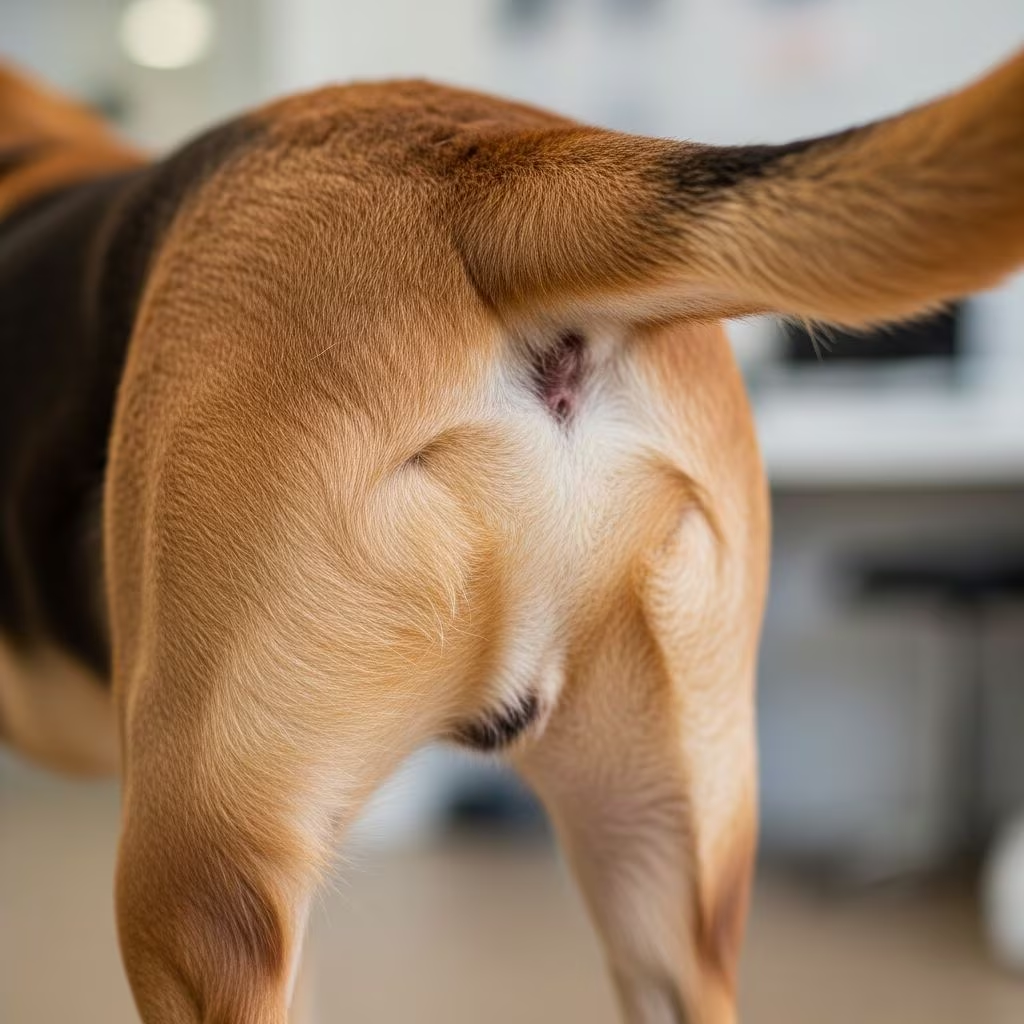
Dogs possess small sacs near their anus known as anal sacs or glands, which produce a distinctive fluid for scent marking. These structures typically empty during defecation, but when they fail to do so, they can lead to pain, infections, and behavioral changes that alert owners to underlying issues.
The Anatomy and Purpose of Dog Anal Sacs
Anal sacs are paired structures situated at the 4 and 8 o’clock positions around the anus, just beneath the skin and embedded within the anal sphincter muscles. Each sac connects to the anus via a narrow duct that opens near the anocutaneous junction. Lined with apocrine and sebaceous glands, they secrete a thick, odorous liquid ranging from yellowish-brown to gray in color, unique to each dog for identification purposes.
The primary role of these secretions is territorial marking and social communication. As firm stool passes through the rectum, it compresses the sacs, expelling small amounts of fluid onto the feces. This natural process allows dogs to leave scent signatures in their environment. Stress or fear can also trigger involuntary release, explaining the sudden fishy smell from a frightened pet.
Size variations exist based on breed and body weight. Larger breeds have proportionally bigger sacs, while toy breeds feature smaller ones, roughly pea-sized when empty. The surrounding sphincter muscles—external (voluntary) and internal (autonomic)—aid in controlled expression.
Why Anal Sacs Fail to Empty Properly
Normally, healthy anal sacs self-express with every bowel movement, but several factors disrupt this. Soft or loose stools from poor diet fail to generate sufficient pressure, leading to buildup. Sedentary lifestyles weaken sphincter tone, particularly in small or overweight dogs, resulting in incomplete emptying.
Breed predispositions play a role due to anatomical differences. Small hounds like Beagles often have sacs positioned more ventrally, making expression harder. Terriers and other compact breeds with weaker pelvic muscles face higher risks. Conformation issues, such as hip dysplasia affecting squatting posture, exacerbate problems.
Other contributors include allergies causing inflammation, obesity reducing mobility, and dehydration leading to dry feces. Over time, accumulated fluid thickens, blocks ducts, and fosters bacterial growth, progressing from impaction to infection or abscesses.
Recognizing Symptoms of Anal Sac Disorders
Early detection hinges on observing behavioral shifts. The classic sign is scooting, where dogs drag their rear across floors or grass to relieve pressure. Excessive licking or biting at the anal area follows, often causing hair loss or redness.
- Fishy or foul odor emanating from the rear
- Difficulty or pain during defecation, with straining or tail tucking
- Swelling or visible lumps near the anus
- Lethargy, appetite loss, or fever in severe cases
- Blood or pus discharge from ruptured abscesses
Owners might notice these during routine grooming or play. Small breeds show symptoms sooner due to gland size relative to body mass. Ultrasound reveals normal sacs as oval, hypoechoic structures with hyperechoic foci; abnormalities include thickened walls or gas pockets.
Breed-Specific Vulnerabilities and Risk Factors
Not all dogs face equal risks. Here’s a breakdown:
| Breed Size | Typical Traits | Impaction Risk |
|---|---|---|
| Toy/Small | Small sacs, weak sphincter tone | High |
| Medium | Variable positioning | Moderate |
| Large/Giant | Strong muscles, deeper sacs | Low |
Chihuahuas, Dachshunds, and Bulldogs top lists for issues due to anatomy. Active, lean dogs with high-fiber diets fare better.
Home Management and Prevention Strategies
Proactive care reduces vet visits. Increase dietary fiber with pumpkin, sweet potatoes, or supplements to firm stools and promote expression. Encourage exercise to build muscle tone—daily walks suffice for most.
Soluble fibers like psyllium husk absorb water, bulking feces. Probiotics support gut health, indirectly aiding sacs. Maintain ideal weight; obesity strains the hindquarters. Regular grooming reveals early signs.
DIY Expression: Proceed with Caution
Some owners learn gentle external manual expression using gloved fingers at 4/8 positions, squeezing toward the anus. However, improper technique risks injury. Consult a vet first, especially for novices. Internal methods require professionals.
Veterinary Interventions for Anal Sac Problems
When home efforts fail, vets diagnose via rectal exam or ultrasound. Initial treatment empties sacs, followed by antibiotics for infections or anti-inflammatories for pain.
Recurrent cases may need flushing under sedation. Abscesses require drainage and sometimes surgery. For chronic issues, options include:
- Chemical ablation with alcohol injections
- Sac resection (removal) as a last resort
Post-op recovery involves e-collars and stool softeners. Success rates exceed 90% for most procedures.
Advanced Diagnostics: Ultrasound and Beyond
Ultrasound provides non-invasive views: normal sacs appear ellipsoidal with hypoechoic content speckled by echoes. Size correlates with weight; cats differ with rounder shapes. This guides therapy precision.
Long-Term Wellness for Anal Sac Health
Holistic approaches integrate diet, exercise, and monitoring. Annual vet checks catch subclinical issues. Hydration ensures moist stools. Avoid over-expression, which dilates ducts.
Breeders select against conformational flaws. Owners of at-risk breeds budget for grooming services offering expression.
Frequently Asked Questions (FAQs)
What causes a dog to scoot its butt?
Scooting indicates full anal sacs irritating the area, often from impaction. Other causes include parasites or allergies, but sacs are common.
Can diet alone fix anal gland problems?
Diet helps by firming stools, but severe cases need vet intervention. High-fiber intake prevents many issues.
Is anal sac surgery safe for dogs?
Yes, when indicated. Complications are rare with skilled surgeons; most dogs recover fully.
How often should anal sacs be checked?
Monthly at home for prone breeds; during vet visits otherwise. Don’t express routinely unless advised.
Do all small dogs have anal sac issues?
No, but they are predisposed due to anatomy. Lifestyle mitigates risks.
References
- Comparative Anal Gland Anatomy in Dogs by Breed and Size — Seaweed for Dogs. 2023. https://seaweedfordogs.com/pages/comparative-anal-gland-anatomy-in-dogs-by-breed-and-size
- Ultrasound Morphology of Presumed Normal Anal Sacs in Dogs and Cats — PMC (NCBI). 2024-05-15. https://pmc.ncbi.nlm.nih.gov/articles/PMC11171023/
- Anal Gland Conditions — Animal Surgical Center of Michigan. 2024. https://www.animalsurgicalcenter.com/anal-gland-conditions
- Structure and Function of Anal Glands in Dogs — PetPlace.com. 2023-08-10. https://www.petplace.com/article/dogs/pet-health/structure-and-function-of-anal-glands-in-dogs
- Dog Anal Glands: Common Problems, Treatment, and Prevention — PetMD. 2025-02-20. https://www.petmd.com/dog/general-health/dog-anal-glands
- Anal Sac Diseases — Cornell University College of Veterinary Medicine. 2024. https://www.vet.cornell.edu/departments-centers-and-institutes/riney-canine-health-center/canine-health-information/anal-sac-diseases



