

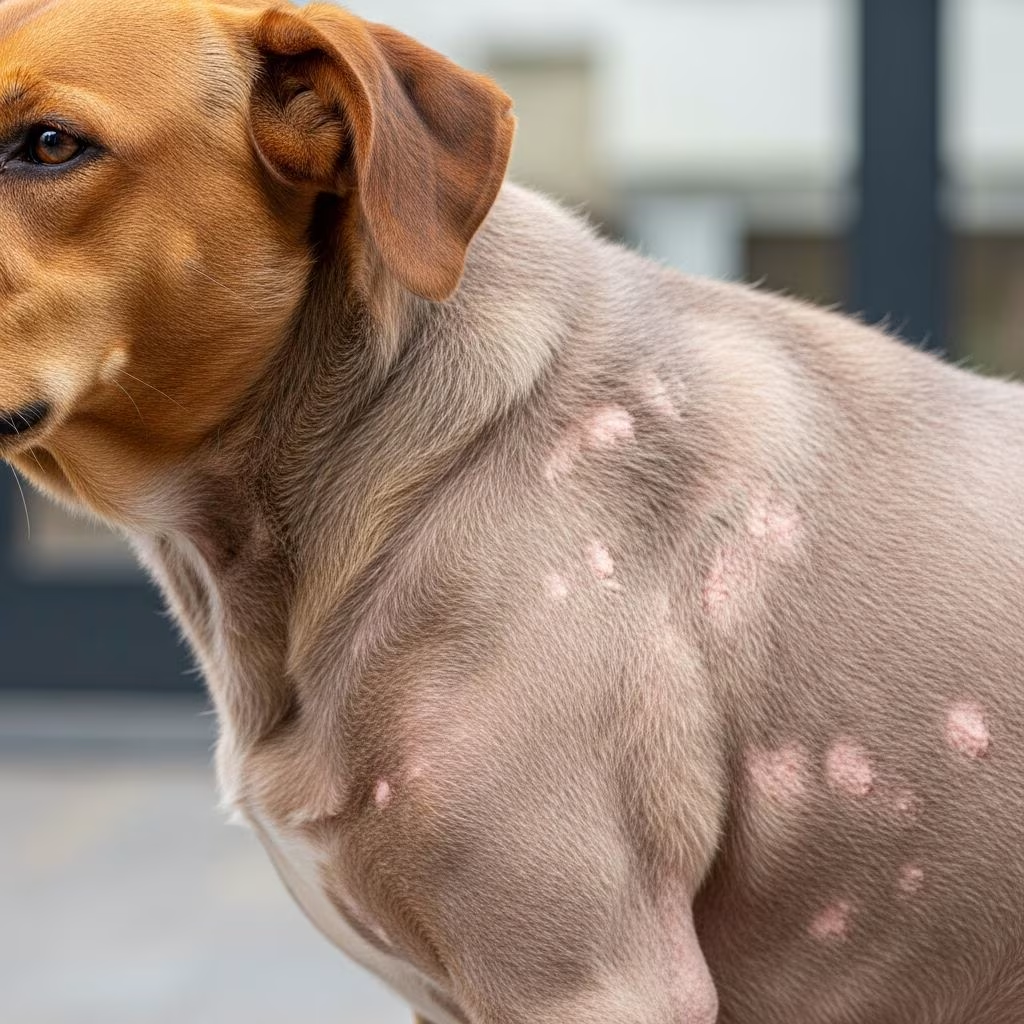
Hair loss in dogs, medically known as alopecia, represents one of the most common dermatological concerns veterinarians encounter in clinical practice. While some degree of shedding is entirely normal and expected in most dog breeds, excessive or patchy hair loss often signals an underlying health issue that warrants professional evaluation. This condition manifests differently depending on its root cause, affecting dogs of all ages, breeds, and sizes. Understanding the varied triggers of canine alopecia and the available treatment options empowers dog owners to recognize problematic patterns early and seek appropriate veterinary care.
Recognizing the Clinical Presentation of Hair Loss
Dogs experiencing alopecia present with a spectrum of visible and sometimes invisible symptoms that vary based on the underlying etiology. The most obvious sign is the presence of bald patches or areas where hair has thinned considerably, which may appear localized to specific body regions or develop in a more generalized pattern across the dog’s body. Beyond simple hair absence, affected dogs frequently exhibit other dermatological changes that provide important diagnostic clues.
Physical manifestations of hair loss often include visible skin inflammation characterized by redness, swelling, and sometimes the development of raised bumps known as papules or pustules. In more severe cases, owners may notice crusted or scabbed areas, oozing discharge, or even open sores and blisters on the skin surface. Some dogs develop noticeable changes in skin texture, with areas becoming flaky, dry, or thickened. The presence of hair thinning rather than complete baldness may be less dramatic but equally indicative of underlying pathology requiring investigation.
It is important to note that while some causes of hair loss produce significant itching and scratching behavior, other conditions cause alopecia without notable pruritus. This distinction becomes crucial during veterinary evaluation, as itching-related hair loss often points toward different diagnostic categories than non-pruritic alopecia. Additionally, the pattern of hair loss—whether it affects both sides of the body symmetrically or appears randomly distributed—provides valuable diagnostic information.
Primary Disease Categories Behind Canine Hair Loss
Hair loss in dogs stems from an extensive array of potential causes, broadly categorized into infectious, parasitic, allergic, endocrine, genetic, and environmental factors. Identifying the specific underlying cause represents the essential first step in developing an effective treatment strategy, as different etiologies require distinctly different therapeutic approaches.
Parasitic and Infectious Origins
External parasites rank among the most frequent culprits behind canine hair loss. Fleas represent the leading parasitic cause, with flea allergy dermatitis affecting particularly sensitive dogs where even a single flea bite triggers intense inflammatory responses and consequent hair loss, especially around the tail, belly, and inner thigh regions. Mites, responsible for mange, cause not only hair loss but also thickened skin and secondary infections. Other ectoparasites including ticks and lice contribute to hair loss through direct damage and the allergic reactions they provoke.
Fungal infections such as ringworm (tinea) cause distinctive circular patches of hair loss accompanied by flaky, compromised skin. Bacterial skin infections, collectively termed pyoderma, produce red, inflamed, pus-filled skin lesions that damage hair follicles and result in alopecia. Yeast infections (candida) develop when naturally occurring skin yeast becomes overgrown, leading to fungal-mediated hair loss. These infectious causes frequently require specific antimicrobial treatments to resolve completely.
Allergic Reactions and Sensitivities
Allergies represent another major category of alopecia in canine patients. Dogs can develop allergic reactions to dietary components, environmental allergens such as pollen, or parasites themselves, with allergic manifestations frequently resulting in scratching, chewing, and consequent hair damage and loss. Food allergies may necessitate dietary modification through hypoallergenic or limited-ingredient diets, while environmental allergies might require antihistamine therapy or environmental management.
Endocrine and Hormonal Dysfunction
Hormonal imbalances represent particularly important diagnostic considerations, especially in middle-aged and older dogs. Cushing’s disease (hyperadrenocorticism), caused by excessive cortisol production, commonly affects dogs aged six years and older and produces symmetric hair loss along with increased drinking, eating, urination, panting, and a characteristic pot-bellied appearance. Hypothyroidism, resulting from insufficient thyroid hormone production, causes hair thinning alongside lethargy and weight gain. These endocrine disorders often affect specific breeds including Bulldogs, Dobermans, Greyhounds, and Dachshunds, which carry genetic susceptibility to hormonal dysfunction.
Genetic and Breed-Related Factors
Some breeds genetically predispose toward alopecia or develop breed-specific conditions causing hair loss. Certain hairless breeds naturally exhibit minimal hair growth, while other breeds show genetic susceptibility to various endocrine disorders or inherit alopecia areata-like conditions. Understanding a dog’s breed predisposition helps veterinarians narrow diagnostic possibilities and anticipate potential future concerns.
Nutritional and Environmental Contributors
Poor nutrition, vitamin deficiencies, and inadequate dietary protein or essential fatty acids compromise coat health and can result in hair loss. Environmental factors including stress, pressure sores from prolonged lying, trauma, and exposure to exogenous hormones (including human hormone replacement therapy products) can disrupt normal hair growth cycles. Pregnancy and nursing may also trigger temporary excessive shedding.
Diagnostic Evaluation and Assessment
Veterinary diagnosis of canine alopecia requires a systematic approach combining clinical observation with appropriate diagnostic testing. The history provided by the owner—including onset timing, progression pattern, concurrent symptoms, and any triggering factors—guides the diagnostic process. Veterinarians examine the skin and hair microscopically, may culture samples to identify infections, and frequently recommend blood work to evaluate thyroid function and cortisol levels when endocrine disease is suspected.
Treatment Strategies and Management Approaches
Management of canine alopecia necessarily varies based on underlying cause, though most treatment plans combine multiple therapeutic modalities to achieve optimal outcomes.
Pharmacological Interventions
Medical treatments depend on the identified etiology. Parasitic infestations require monthly flea and tick preventatives to eliminate existing infestations and prevent recurrence. Allergic conditions respond to antihistamines, corticosteroids, or dietary modifications depending on the allergen source. Fungal and bacterial infections necessitate antifungal or antibiotic medications, often including specialized shampoos. Endocrine disorders such as hypothyroidism require hormone replacement therapy, while Cushing’s disease typically receives medication management since surgical tumor removal carries significant risk.
Topical and Dermatological Care
Topical treatments form crucial components of alopecia management. Therapeutic dips, medicated shampoos, and hydrating sprays and rinses support healing and comfort. Reducing bathing frequency prevents further skin irritation, while antibacterial or antifungal shampoos address infectious causes. The application of recovery cones or Elizabethan collars prevents self-trauma from licking and scratching, which significantly impedes healing and promotes secondary infections.
Dietary and Nutritional Support
Comprehensive nutrition supporting skin and coat health represents an essential component of alopecia management. Diets rich in omega-3 fatty acids, quality protein, and essential vitamins promote hair growth and skin integrity. Hypoallergenic or limited-ingredient diets help identify and eliminate dietary triggers in dogs with food allergies. In some cases, nutritional supplementation with melatonin or omega fatty acids provides additional support.
Behavioral and Environmental Modifications
For stress-related hair loss, environmental enrichment through interactive toys, puzzle feeders, regular exercise, and mental stimulation reduces anxiety-driven self-trauma. Behavioral modification, sometimes combined with anti-anxiety medications or calming supplements, addresses the psychological component of stress-related alopecia. Removing environmental triggers such as flea exposure and maintaining a clean living space supports recovery.
Comprehensive Treatment Table
| Alopecia Cause | Primary Symptoms | Recommended Treatment Approach | Expected Timeline |
|---|---|---|---|
| Flea Infestation | Intense scratching, hair loss around tail and belly, red bumps | Monthly parasite preventatives, medicated shampoos | 2-4 weeks |
| Fungal Infection (Ringworm) | Circular hair loss patches, flaky skin | Antifungal medications, specialized shampoos | 4-8 weeks |
| Bacterial Infection | Red, oozing lesions, pustules, crusting | Antibiotics, antibacterial shampoos, recovery cone | 3-6 weeks |
| Hypothyroidism | Symmetric hair loss, lethargy, weight gain | Thyroid hormone replacement therapy | 6-12 weeks |
| Cushing’s Disease | Symmetric hair loss, increased thirst/urination, pot belly | Medication management, hormone therapy | Variable |
| Food Allergies | Itching, hair loss, skin inflammation | Hypoallergenic diet trial, antihistamines | 4-12 weeks |
Frequently Asked Questions About Canine Hair Loss
When should I be concerned about my dog’s shedding?
While normal shedding varies by breed and season, excessive hair loss—particularly when accompanied by bald patches, skin lesions, itching, or other symptoms—warrants veterinary evaluation. Any hair loss pattern that deviates from your dog’s normal shedding cycle merits professional assessment.
Can I treat my dog’s hair loss at home?
Home management can support professional treatment through regular brushing to distribute natural oils and remove loose hair, maintaining a clean living environment, and providing appropriate nutrition. However, definitive diagnosis and treatment of underlying causes requires veterinary expertise. Attempting home treatment without identifying the root cause may allow conditions to worsen.
How long does it take to see improvement after starting treatment?
Recovery timelines vary significantly depending on the underlying cause, ranging from 2-4 weeks for parasitic infections to several months for endocrine disorders or severe fungal infections. Consistent adherence to treatment protocols and environmental management significantly influences outcomes.
Is canine alopecia contagious?
Some causes of alopecia, particularly ringworm and other fungal infections, can transmit to other animals and humans. Bacterial and parasitic causes may spread between animals in close contact. Allergic, hormonal, and genetic causes are not contagious.
What role does breed play in hair loss?
Certain breeds show genetic predisposition toward specific endocrine disorders causing alopecia, including Bulldogs, Dobermans, Greyhounds, and Dachshunds. Some breeds are naturally hairless or have coat characteristics affecting normal shedding patterns. Understanding breed-specific predispositions helps guide preventive care and early intervention strategies.
Prevention and Long-Term Management
Preventing canine alopecia involves maintaining consistent parasite prevention through monthly flea and tick preventatives, providing a balanced, nutritious diet rich in omega-3 fatty acids and quality protein, and managing stress through appropriate exercise and mental enrichment. Regular grooming, typically twice weekly brushing, helps identify skin problems early and removes excess loose hair. Annual veterinary wellness exams become increasingly important as dogs age, particularly for breeds predisposed to hormonal disorders, allowing early detection and intervention for conditions like Cushing’s disease and hypothyroidism.
Owners should remain vigilant for changes in their dog’s coat condition and be prepared to pursue veterinary evaluation when hair loss patterns deviate from normal. Early intervention typically results in faster recovery and better outcomes compared to delayed treatment of progressive conditions. Maintaining thorough medical records documenting the onset, progression, and characteristics of any hair loss assists veterinarians in making accurate diagnoses and developing targeted treatment strategies.
References
- Hair Loss in Dogs: Causes, Symptoms, and Treatment — PetMD. Accessed February 2026. https://www.petmd.com/dog/conditions/skin/hair-loss-dogs-causes-symptoms-and-treatment
- Hair Loss (Alopecia) in Dogs — Merck Veterinary Manual. Accessed February 2026. https://www.merckvetmanual.com/dog-owners/skin-disorders-of-dogs/hair-loss-alopecia-in-dogs
- Hair Loss in Dogs: Signs, Symptoms, and Treatments — American Kennel Club. Accessed February 2026. https://www.akc.org/expert-advice/health/hair-loss-in-dogs/
- Alopecia in Dogs: How to Treat Canine Hair Loss — GoodRx Pet Health. Accessed February 2026. https://www.goodrx.com/pet-health/dog/alopecia-in-dogs-causes-treatment
- Why Is Your Pet Losing Hair? Causes & Solutions for Dogs & Cats — Oakdale Veterinary Clinic. Accessed February 2026. https://oakdalevet.com/why-is-your-pet-losing-hair-causes-solutions-for-dogs-cats/
- Hair Loss Patches in Dogs – Causes & What To Do — Englewood Veterinary Clinic. Accessed February 2026. https://www.vrcc.com/site/blog/2023/01/15/hair-loss-dog
- Hair Loss in Pets: How to Spot and Treat the Problem — Lebanon Animal Hospital. Accessed February 2026. https://lebanonanimalhospital.com/hair-loss-in-pets-how-to-spot-and-treat-the-problem/



