

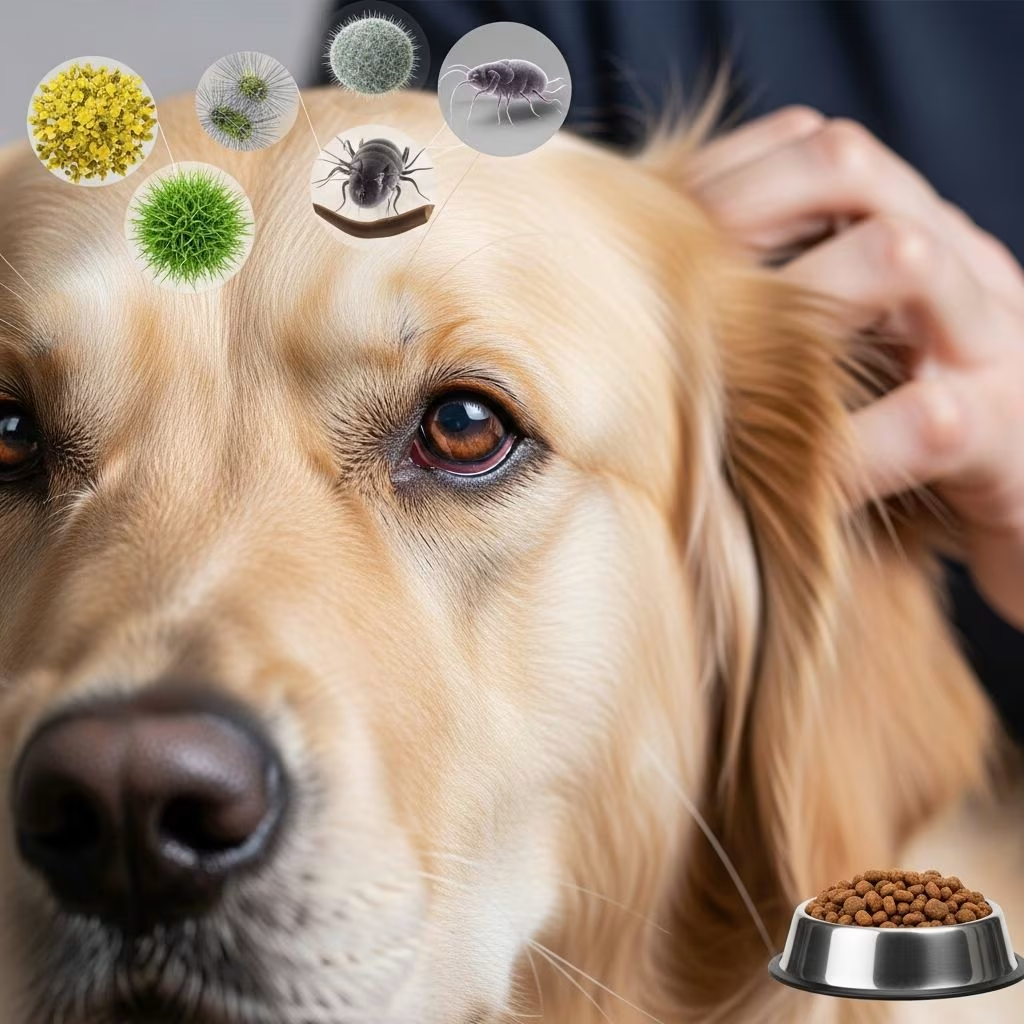
Allergies represent one of the most prevalent health concerns affecting dogs today, with research indicating that over 15% of dogs experience allergic reactions during their lifetime. Unlike humans, who typically exhibit allergies through sneezing and respiratory symptoms, dogs primarily manifest allergic responses through dermatological complications—specifically skin irritation, excessive scratching, and ear infections. This fundamental difference makes canine allergies particularly challenging to identify and manage without proper veterinary guidance. Pet owners often struggle to distinguish between normal grooming behavior and pathological scratching, delaying diagnosis and treatment of their dog’s underlying allergic condition.
The Three Primary Allergy Categories in Dogs
Veterinary professionals recognize three distinct categories of allergies in canines, each with unique characteristics and treatment approaches. Understanding these classifications helps pet owners work more effectively with their veterinarians to develop targeted management strategies.
Environmental and Seasonal Allergies
Environmental allergies, medically termed atopy or canine atopic dermatitis, represent the most commonly diagnosed form of canine allergy. These conditions develop when dogs become genetically sensitized to airborne allergens present in their surroundings. Pollen, mold spores, dust particles, and other environmental factors trigger immune responses that manifest primarily through skin symptoms rather than respiratory distress. Certain breeds demonstrate increased susceptibility to developing environmental allergies, including Chinese Shar-Peis, Wirehaired Fox Terriers, Golden Retrievers, Dalmatians, Boxers, Boston Terriers, Labrador Retrievers, Lhasa Apsos, Scottish Terriers, Shih Tzus, and West Highland White Terriers. However, any dog breed, including mixed breeds, can develop environmental allergies regardless of genetic predisposition.
Dogs typically first exhibit symptoms of atopy between 6 months and 3 years of age. While many dogs experience seasonal manifestations of environmental allergies—particularly during spring and fall when pollen counts rise—others develop year-round symptoms that persist throughout all seasons. The progression from seasonal to perennial allergies is relatively common, with initially seasonal cases frequently evolving into chronic year-round conditions.
Flea-Related Allergic Responses
Flea allergy dermatitis (FAD) constitutes an extreme hypersensitivity to flea saliva rather than a reaction to the flea bite itself. Notably, flea saliva represents the single most common allergen affecting dogs. The distinction between normal flea bite reactions and true FAD is significant: most dogs experience only minor localized irritation from flea bites, whereas FAD-affected dogs mount a severe allergic response to even a single bite. This heightened sensitivity means that dogs with FAD can develop severe itching and skin inflammation from flea exposure that would not bother non-allergic dogs. The intense scratching and self-trauma resulting from FAD frequently leads to secondary bacterial infections and significant hair loss, particularly in the tail-base region.
Food-Related Allergic Reactions
Food allergies develop when a dog’s immune system overreacts to specific protein or carbohydrate components within their diet. These allergic responses can develop at virtually any age and often involve the most commonly used pet food ingredients. The primary culprits include beef, chicken, lamb, eggs, dairy products, soy, wheat, and corn. Unlike environmental allergies with clear seasonal patterns, food allergies typically produce consistent symptoms year-round. Clinical manifestations of food allergies encompass not only dermatological signs but also gastrointestinal disturbances and, in some cases, respiratory difficulties. Some veterinarians hypothesize that \”leaky gut\” conditions—which cause intestinal tract inflammation—may predispose dogs toward food allergy development.
Recognizing Allergic Symptoms in Dogs
Early symptom recognition significantly improves treatment outcomes and reduces the duration and severity of allergic suffering. Dogs communicate their allergic distress through various behavioral and physical manifestations.
Cutaneous Manifestations
The most conspicuous sign of canine allergies involves excessive scratching and biting at the coat and skin surface. This behavior often intensifies during peak allergen seasons and may concentrate on specific anatomical regions including paws, facial areas, and ears. The constant self-trauma from scratching frequently progresses to red, inflamed, or infected skin, with initial redness potentially advancing to painful hot spots—moist, infected lesions that expand rapidly without intervention.
Compulsive paw licking represents another hallmark sign of canine allergies, particularly in dogs with environmental sensitivities. During outdoor activities and walks, paws accumulate allergens, leading to concentrated itching between toes and on paw pads. Excessive licking produces saliva staining that discolors light-colored fur to pink or brown hues. Affected paw pads frequently appear reddened, sometimes accompanied by crusts, scales, or distinctive odors resulting from secondary infections.
Chronic allergic responses trigger hair loss and excessive shedding that extends beyond normal seasonal patterns. The combination of constant scratching, persistent licking, and ongoing inflammation damages hair follicles, resulting in patchy baldness and generalized fur thinning. The sides, belly, elbows, and groin areas often show bald spots with brown discoloration in areas subjected to intensive licking.
Auricular and Ocular Symptoms
Allergic dogs frequently develop ear-related symptoms stemming from inflammation of the inner ear structures. Long-term or recurrent ear infections may represent the only clinical sign in some allergic dogs. Eye involvement manifests as conjunctivitis—redness, itching, swelling, and watering of the eye area. Dogs may demonstrate obvious discomfort by scratching or rubbing their facial regions against furniture or carpeting.
Behavioral Indicators
Beyond direct scratching and licking, dogs express allergic discomfort through characteristic behavioral patterns. \”Boot scooting\”—the behavior of dragging the rear end along ground surfaces—frequently indicates anal gland inflammation associated with allergies, often accompanied by excessive licking of the anal area. Pronounced face rubbing on furniture, carpets, or with paws suggests facial itching from allergen contact, sometimes creating wounds or hair loss around the eyes and muzzle.
Systemic and Gastrointestinal Signs
While less common than dermatological symptoms, allergies occasionally produce respiratory signs including sneezing, coughing, or wheezing. Food allergies specifically may trigger chronic vomiting, diarrhea, or poor appetite.
Anatomical Distribution of Allergic Symptoms
Allergic responses in dogs consistently target specific body regions more frequently than others. The most commonly affected areas include the paws (especially between toes), face and muzzle, inner and outer ear surfaces, abdomen and groin region, armpits, tail base, and inner thighs.
Environmental Allergen Sources and Household Contributors
Understanding potential allergen sources within the home environment enables pet owners to implement targeted avoidance strategies. Dust mites represent year-round allergen sources but often proliferate during humid seasons when mite populations increase. These microscopic organisms inhabit bedding, upholstery, and carpeting, subsisting on shed skin cells. Storage mites specifically affect dogs through contaminated pet food, bedding materials, and treats. Unlike house dust mites, storage mites thrive directly within dog food and can trigger allergic reactions in dogs without pre-existing environmental sensitivities.
Beyond biological allergens, household chemical products including cleaning chemicals, fabric softeners, air fresheners, and various scented products can irritate already compromised sensitive skin or trigger additional allergic reactions.
Seasonal Versus Chronic Allergic Patterns
Allergic severity and duration vary significantly among affected dogs. Some dogs experience mild seasonal symptoms confined to specific periods, allowing them to remain medication-free for much of the year. Conversely, other dogs suffer from severe and consistent symptoms producing ongoing challenges for medical management. Unfortunately, initially seasonal allergies frequently progress to chronic year-round conditions as dogs age.
Diagnostic Considerations and Professional Guidance
The presence of multiple simultaneous allergies complicates diagnostic efforts significantly. A dog may simultaneously suffer from environmental allergies, food allergies, and flea allergies, making precise identification of specific causative agents challenging. Recurrent skin and ear infections often signal underlying allergic disease requiring professional investigation rather than treating infections in isolation. Veterinary professionals can perform allergy testing, elimination diets, and other diagnostic procedures to identify specific allergens affecting individual dogs.
Managing Multiple Allergic Conditions
Effective allergy management frequently requires multimodal approaches addressing multiple contributing factors simultaneously. For environmental allergies, management strategies may include controlling itching through medication, regular bathing to reduce allergen load, and improving coat hygiene. Food allergies respond primarily to strict avoidance of identified offending allergens. Flea allergy dermatitis prevention emphasizes rigorous flea control measures to eliminate exposure to the allergenic trigger.
Key Takeaways for Pet Owners
- Over 15% of dogs experience allergies during their lifetime, with skin symptoms being the primary manifestation
- Three primary allergy categories affect dogs: environmental/seasonal allergies, flea allergies, and food allergies
- Excessive scratching, paw licking, and ear infections represent the most common allergic signs
- Certain breeds show increased predisposition to allergies, though any dog can develop allergies
- Environmental allergies typically emerge between 6 months and 3 years of age
- Flea saliva represents the single most common allergen affecting dogs
- Food allergies may develop at any age and often involve common protein sources
- Secondary skin and ear infections frequently complicate primary allergic conditions
- Professional veterinary diagnosis and management significantly improve outcomes
Frequently Asked Questions About Canine Allergies
At what age do dogs typically develop allergies?
While allergies can theoretically develop as early as 8 months to 1 year of age, environmental allergies most commonly first appear between 6 months and 3 years of age. However, dogs can develop food allergies at virtually any point throughout their lives.
Can any dog breed develop allergies?
Yes, although certain breeds including Golden Retrievers, Labrador Retrievers, Boxers, and several terrier breeds show increased susceptibility, any dog—regardless of breed or mixed heritage—can develop allergies.
How is flea allergy dermatitis different from normal flea bite reactions?
Most dogs experience only minor localized irritation from flea bites, whereas dogs with flea allergy dermatitis mount a severe hypersensitivity response to flea saliva, often from just a single bite.
Can dogs have multiple types of allergies simultaneously?
Yes, dogs frequently suffer from multiple concurrent allergies such as both environmental and food allergies, which complicates diagnostic efforts and management strategies.
What foods most commonly trigger allergic reactions in dogs?
The most frequent food allergens include beef, chicken, eggs, corn, wheat, soy, dairy products, and lamb.
Conclusion
Canine allergies represent a complex and multifaceted health condition affecting a substantial portion of the dog population. The predominance of dermatological manifestations—scratching, skin inflammation, and ear infections—differentiates canine allergic responses from human presentations. Recognizing symptom patterns, understanding the three primary allergy categories, and maintaining vigilance regarding potential allergen exposure enables pet owners to work collaboratively with veterinary professionals toward effective management. Early identification and intervention significantly reduce suffering and improve quality of life for allergic dogs throughout their lives.
References
- Dog Seasonal Allergies: Complete Guide for Pet Parents (2025) — Liesse Animal Clinic. 2025. https://www.liesseanimalclinic.ca/post/dog-seasonal-allergies-complete-guide-for-pet-parents-2025
- Allergies in Dogs — VCA Animal Hospitals. https://vcahospitals.com/know-your-pet/allergy-general-in-dogs
- A Pet Owner’s Guide to Allergies in Dogs and Cats — Advanced Veterinary Medical Center. https://advancedvmc.net/a-pet-owners-guide-to-allergies-in-dogs-and-cats/
- Allergies in Dogs – Dog Owners — Merck Veterinary Manual. https://www.merckvetmanual.com/dog-owners/skin-disorders-of-dogs/allergies-in-dogs
- Complete Pet Owner Allergy Guide — Nextmune Laboratories. https://go.nextmune.com/hubfs/Complete%20Pet%20Owner%20Allergy%20Guide%20compressed-1.pdf
- The Canine Skin Allergy Journey — Nextmune Laboratories UK. https://nextmunelaboratories.co.uk/news/navigating-the-canine-skin-allergy-journey/
- When Do Allergies Start in Dogs — Herbsmith Inc. https://www.herbsmithinc.com/a-comprehensive-guide-to-dog-allergies/



