

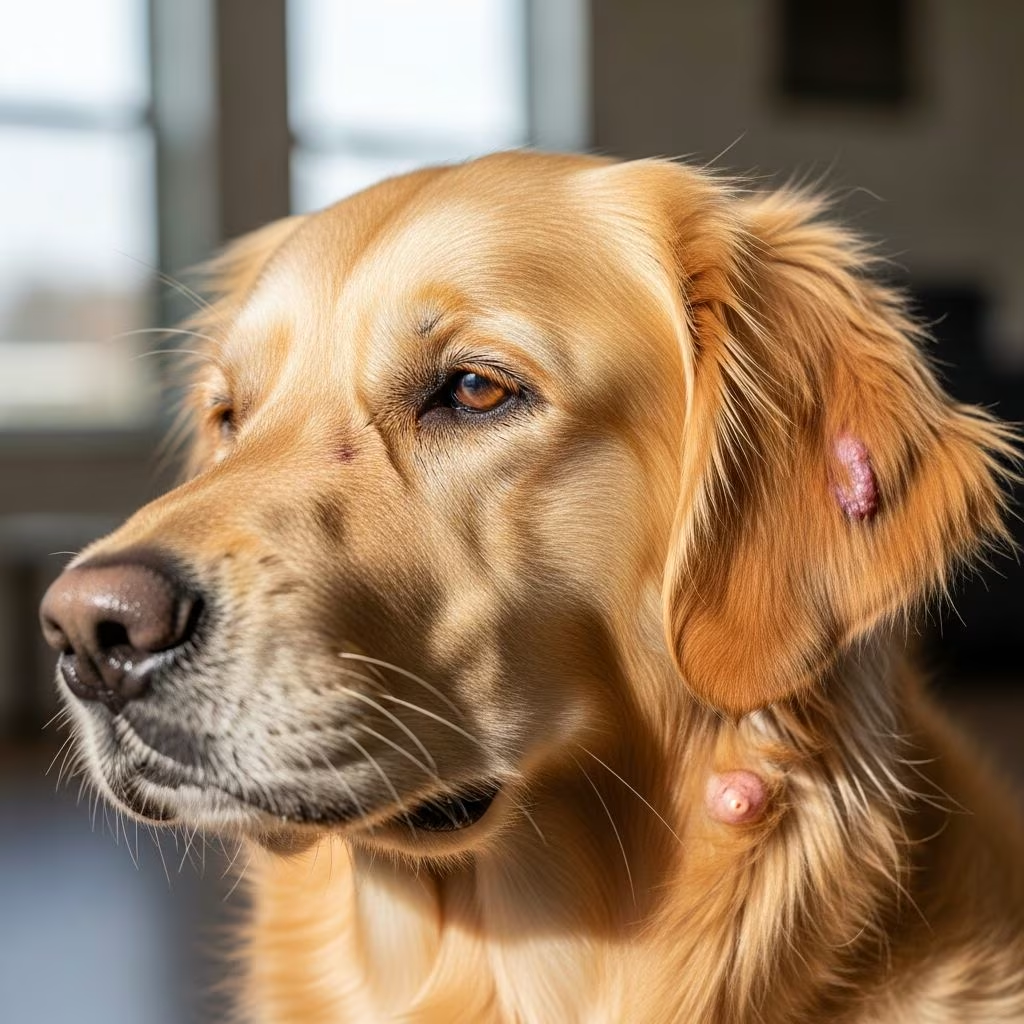
Dogs frequently suffer from allergies that manifest as persistent discomfort, making it essential for owners to recognize and address these conditions promptly. These immune responses to various triggers can significantly impact a dog’s quality of life if unmanaged.
Recognizing the Signs of Allergies in Dogs
The primary indicator of allergies in dogs is intense itching, which prompts excessive scratching, licking, or chewing, often targeting the paws, belly, ears, and face. This behavior can escalate to hair loss, red inflamed skin, and secondary infections in the skin or ears. Gastrointestinal symptoms like vomiting or diarrhea may appear in cases of food sensitivities, while some dogs exhibit respiratory issues such as sneezing or wheezing.
- Itchy skin: Constant rubbing against furniture or floors.
- Paw issues: Licking or chewing leading to reddened, scaled pads.
- Ear problems: Recurrent infections with odor and discharge.
- Coat changes: Bald patches, especially on the back, tail base, or flanks.
- Eye irritation: Redness, swelling, or excessive tearing.
These symptoms often worsen seasonally or year-round depending on the allergen exposure, highlighting the need for vigilant observation.
Primary Categories of Dog Allergies
Allergies in dogs fall into three main groups: environmental (atopic dermatitis), flea-related, and food-based, each with distinct characteristics and triggers.
Environmental Allergies (Atopy)
Atopic dermatitis arises from airborne substances like pollen from trees, grasses, and weeds, as well as indoor culprits such as dust mites, molds, and dander. Symptoms typically emerge between 6 months and 3 years of age and may be seasonal or perennial. Breeds like Golden Retrievers, Labrador Retrievers, Shar-Peis, and Terriers show higher susceptibility, though any dog can be affected. Affected areas include the face, ears, paws, and underbelly, leading to self-trauma and infections.
Flea Allergy Dermatitis (FAD)
This is the most prevalent skin condition in dogs, triggered by proteins in flea saliva. Even a single bite can provoke severe reactions, causing intense itching at the rump, tail base, and hindquarters. Owners might spot flea dirt—dark specks resembling pepper—that turns red when wet, indicating digested blood. Prompt flea control is crucial to prevent escalation.
Food Allergies
Unlike common misconceptions, food allergies stem from proteins like beef, chicken, dairy, eggs, soy, wheat, or corn rather than grains alone. They can develop at any age and often present with year-round itching, ear infections, or digestive upset. Inflammation in the gut may exacerbate sensitivities, mimicking other allergy types.
Factors Influencing Allergy Development
Genetics play a key role, with certain breeds predisposed due to inherited immune traits. Environmental exposure, diet consistency, and gut health contribute as well. Puppies rarely show signs before 6-12 months, but older dogs can develop new sensitivities.
| Allergy Type | Common Triggers | Peak Onset Age | Predisposed Breeds |
|---|---|---|---|
| Environmental | Pollen, dust mites, molds | 6 months-3 years | Retriever, Terrier breeds |
| Flea | Flea saliva proteins | Any age | All breeds |
| Food | Beef, dairy, grains | Any age | No specific breed |
Diagnostic Approaches for Accurate Identification
Veterinarians employ a systematic process to pinpoint allergens. Initial exams rule out parasites via skin scrapings or flea combing. For food allergies, an 8-12 week elimination diet using novel proteins (e.g., duck or fish) or hydrolyzed formulas tests responses. Environmental allergies require intradermal skin testing or blood serum analysis to identify specific IgE antibodies. Ruling out fleas first is vital, as they can confound results.
- Physical exam: Assess skin, ears, and overall condition.
- Flea check: Microscopic evaluation of combings.
- Diet trial: Strict hypoallergenic food with no treats.
- Allergy testing: Skin or blood for atopy.
Treatment Strategies for Relief
Management combines avoidance, symptom control, and long-term desensitization. No cure exists, but tailored plans improve comfort dramatically.
Immediate Symptom Relief
Medicated shampoos with oatmeal, chlorhexidine, or antiseptics soothe skin during baths every 1-2 weeks. Topical sprays, mousses, or creams provide interim aid. Antihistamines or essential fatty acids offer mild relief, while short-term steroids or Apoquel curb severe itching.
Flea Prevention Essentials
Monthly topicals, orals, or collars eradicate fleas on the dog and environment. Treat all pets and vacuum diligently.
Dietary Management
Hypoallergenic diets resolve food issues in most cases. Transition gradually and monitor for improvement.
Advanced Immunotherapy
For atopy, custom vaccines from test results—via injections or sublingual drops—desensitize over months, reducing reliance on drugs in 60-80% of cases.
Preventive Measures and Home Care
Regular grooming removes allergens; wipe paws post-walks. Air purifiers and frequent washing of bedding combat indoor triggers. Maintain flea preventives year-round. Holistic supports like omega-3 supplements bolster skin barriers.
- Wipe down with hypoallergenic wipes after outdoor time.
- Use HEPA filters for dust control.
- Feed balanced diets rich in skin-supporting nutrients.
- Monitor for early signs to intervene quickly.
Common Misdiagnoses and Pitfalls
Allergies mimic mange, yeast infections, or hormonal issues. Secondary bacterial or yeast overgrowth complicates pictures, requiring cytology. Incomplete flea control or diet trials with cheats lead to false negatives.
Prognosis and Long-Term Outlook
With consistent management, most dogs achieve good control. Early intervention prevents chronic changes like thickened skin. Regular vet follow-ups adjust plans as needed.
Frequently Asked Questions (FAQs)
Can puppies have allergies?
Allergies rarely appear before 6 months but can start up to 3 years or later.
Are grain-free diets always better for allergic dogs?
No; proteins like beef or chicken are common culprits, not just grains.
How long does an elimination diet take?
Typically 8-12 weeks for reliable results.
Is immunotherapy safe?
Yes, with veterinary oversight; it’s a proven, drug-sparing option.
Can allergies be cured?
Not cured, but effectively managed for minimal symptoms.
References
- Allergies in Dogs: Symptoms, Causes, and Treatment – PetMD — PetMD, Leigh Burkett, DVM. 2023. https://www.petmd.com/dog/general-health/food-allergies-vs-seasonal-allergies-dogs
- A Pet Owner’s Guide to Allergies in Dogs and Cats — Advanced Veterinary Medical Center. 2024. https://advancedvmc.net/a-pet-owners-guide-to-allergies-in-dogs-and-cats/
- Allergies in Dogs – Dog Owners – Merck Veterinary Manual — Merck & Co., Inc. 2024-02-28. https://www.merckvetmanual.com/dog-owners/skin-disorders-of-dogs/allergies-in-dogs
- Allergies in Dogs | VCA Animal Hospitals — VCA Animal Hospitals. 2024. https://vcahospitals.com/know-your-pet/allergy-general-in-dogs
- Complete Pet Owner Allergy Guide — Nextmune. 2023. https://go.nextmune.com/hubfs/Complete%20Pet%20Owner%20Allergy%20Guide%20compressed-1.pdf?hsLang=en-gb
- A Comprehensive Guide to Dog Allergies — HerbSmith Inc. 2023. https://www.herbsmithinc.com/a-comprehensive-guide-to-dog-allergies/



