
Canine Adenovirus Type 2 (CAV-2): Symptoms, Treatment & Prevention
Complete guide to CAV-2 in dogs: understand symptoms, diagnosis, treatment options, and prevention strategies.
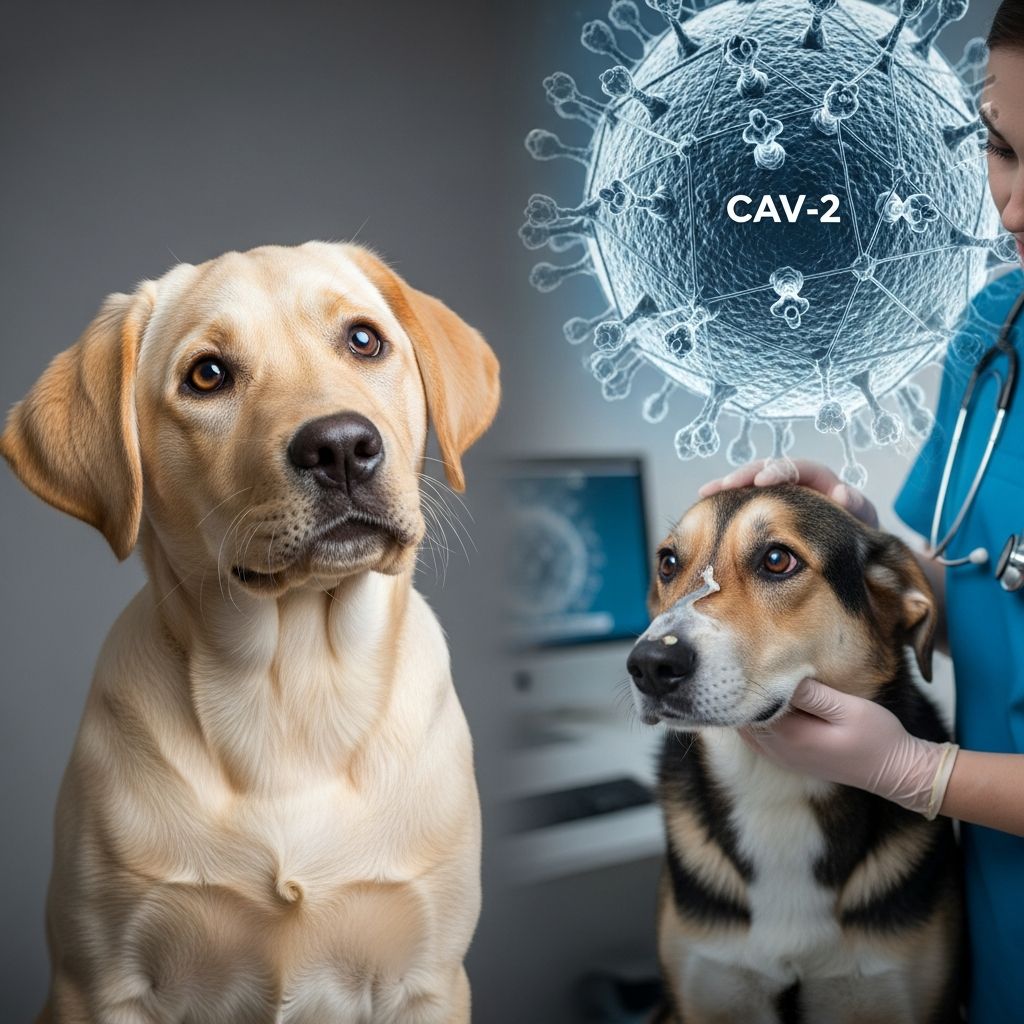
Canine Adenovirus Type 2 (CAV-2): A Comprehensive Guide for Dog Owners
Canine adenovirus type 2 (CAV-2) is a highly contagious respiratory virus that affects dogs of all ages and breeds. This DNA virus is commonly associated with infectious canine tracheobronchitis, more commonly known as ”kennel cough.” Understanding this disease, its symptoms, transmission methods, and prevention strategies is essential for responsible dog ownership and maintaining the health and wellbeing of your canine companions.
CAV-2 spreads rapidly in environments where dogs congregate, such as boarding facilities, grooming salons, dog parks, and training classes. The virus can be transmitted through direct contact with infected dogs or through exposure to contaminated respiratory secretions. This guide provides dog owners with detailed information about CAV-2, helping them recognize symptoms early, understand treatment options, and implement effective preventive measures.
Understanding Canine Adenovirus Type 2
What is CAV-2?
Canine adenovirus type 2 is a DNA virus that primarily affects the respiratory tract of dogs. It is one of the most common infectious agents associated with kennel cough, a condition characterized by a persistent, dry cough in affected animals. While CAV-2 is primarily a respiratory pathogen, it can occasionally cause systemic symptoms in young puppies or immunocompromised dogs.
The virus belongs to the Adenoviridae family and is distinct from canine adenovirus type 1 (CAV-1), which causes infectious canine hepatitis. However, the CAV-2 vaccine provides cross-protection against both types of adenovirus, making it an invaluable tool in canine disease prevention.
Transmission and Risk Factors
CAV-2 spreads directly from dog to dog through infected respiratory secretions expelled during coughing and sneezing. The virus can also be transmitted through contact with contaminated feces or urine. Dogs at highest risk of exposure include those frequenting boarding kennels, grooming facilities, dog parks, and training classes where they encounter other dogs regularly.
The incubation period for CAV-2 is approximately 3 to 10 days from the time of exposure. During this period, infected dogs may shed the virus without displaying obvious symptoms, making it easy for the disease to spread unknowingly within dog communities.
Clinical Symptoms and Signs
Primary Respiratory Symptoms
Dogs infected with CAV-2 typically exhibit respiratory symptoms that can range from mild to severe. The most characteristic sign is a persistent, dry, hacking cough that often sounds harsh and painful. This cough results from inflammation of the trachea and bronchi caused by the viral infection.
Common clinical signs of CAV-2 infection include:
– Dry, hacking cough (often the most prominent symptom)- Retching and gagging- Sneezing- Coughing up white, foamy discharge- Watery or mucopurulent nasal discharge- Mild depression and lethargy- Decreased appetite- Low-grade fever- Conjunctivitis (inflammation of the eyes) in some cases- Difficulty breathing in severe cases
Symptom Progression
Most cases of CAV-2 infection are self-limiting, meaning they resolve without treatment over time. However, the duration and severity of symptoms can vary significantly depending on the individual dog’s immune status and overall health condition.
In young puppies or immunocompromised dogs, CAV-2 infection can progress to more serious complications such as pneumonia. Severe pneumonia cases may result in significant respiratory distress, requiring emergency veterinary intervention. Dogs with severe infections may also experience systemic symptoms including fever, inappetence, and lethargy.
Diagnosis of Canine Adenovirus Type 2
Clinical Diagnosis
Veterinarians typically diagnose CAV-2 infection based on clinical signs and patient history. The characteristic dry, hacking cough combined with a history of exposure to other dogs—such as a recent visit to a grooming salon, boarding facility, or dog park—is often sufficient for presumptive diagnosis.
During physical examination, veterinarians will listen to the lungs with a stethoscope to evaluate respiratory sounds and rule out pneumonia or other complications. They will also assess the dog’s overall health status and hydration level.
Laboratory Testing
While specific laboratory testing for CAV-2 exists, it is rarely performed in routine practice. When laboratory confirmation is necessary, veterinarians may utilize serology (blood antibody tests), virus isolation, or polymerase chain reaction (PCR) testing to confirm the diagnosis definitively.
Laboratory testing is most useful in cases where the diagnosis is unclear or when documenting the specific causative agent is important for epidemiological purposes, such as in boarding facilities or kennels.
Treatment Options
Supportive Care as Primary Treatment
Currently, no specific antiviral medications or cures exist for canine adenovirus type 2. Treatment focuses entirely on supportive care measures aimed at allowing the dog’s immune system to fight the infection naturally while managing symptoms and preventing complications.
The cornerstone of CAV-2 treatment includes:
– Maintaining proper hydration through fluid administration- Providing complete rest to allow the body to direct energy toward fighting the infection- Ensuring adequate nutrition with easily digestible foods- Isolation from other dogs to prevent spreading the virus- Regular monitoring of vital signs and overall health status
Symptomatic and Preventive Medications
Veterinarians frequently prescribe antibiotics to prevent or treat secondary bacterial infections that may develop during or after viral infection. Secondary bacterial infections are particularly common in cases where the viral infection causes significant airway inflammation and damage.
Anti-inflammatory medications may be administered to reduce inflammation in the respiratory tract, thereby alleviating cough severity and improving comfort. These medications help ease the painful irritation causing the persistent hacking cough.
In severe cases, dogs may require hospitalization for close monitoring by veterinary professionals. Hospitalized dogs receive intravenous fluid therapy to maintain proper hydration and electrolyte balance, particularly if they are unable to drink adequate water due to illness or if they are experiencing vomiting or diarrhea.
Managing Complications
While rare, some dogs develop complications such as pneumonia or secondary bacterial infections that require more aggressive treatment. Dogs developing pneumonia may need additional respiratory support and broader-spectrum antibiotics chosen based on culture results when possible.
Dogs with severe systemic symptoms may benefit from anti-inflammatory medications to manage fever and general malaise. Close monitoring of organ function, particularly liver and kidney function, is important in severely affected animals.
Prevention Through Vaccination
The CAV-2 Vaccine
Vaccination is the most effective way to prevent canine adenovirus type 2 infection. The CAV-2 vaccine is considered a core vaccine, meaning it is recommended for all dogs regardless of lifestyle. This vaccine protects against both canine adenovirus type 1 (which causes infectious canine hepatitis) and type 2 through cross-protection.
Live, attenuated CAV-2 vaccines are preferred over CAV-1 vaccines because they have minimal tendency to produce corneal opacities or uveitis and do not shed virus in urine. These properties make CAV-2 vaccines particularly safe and effective.
Vaccination Schedule and Protocol
Puppies should receive their initial vaccination series beginning at 6 to 8 weeks of age, with boosters administered at regular intervals as recommended by the veterinarian. Initial puppy vaccinations typically consist of multiple doses given 2-4 weeks apart until the puppy reaches 14-16 weeks of age.
After completing the initial series, dogs require regular booster vaccinations to maintain immunity. The specific booster schedule may vary based on the vaccine product used and individual veterinary recommendations, but typically involves annual or triennial boosters depending on the formulation.
Vaccination Effectiveness and Limitations
While vaccination significantly reduces the incidence and severity of CAV-2 infections in vaccinated populations, it is important to understand that vaccination does not provide absolute protection. Vaccinated dogs can still contract CAV-2, but vaccination substantially reduces symptom severity and duration of illness.
Vaccination has been instrumental in dramatically reducing the prevalence of serious adenovirus infections in canine populations over recent decades. Dogs with current vaccination status typically experience milder symptoms if infected, recovery is faster, and complications are less likely to develop.
Managing Your Dog’s Environment
Isolation Protocols
Dogs diagnosed with CAV-2 infection should be isolated from other dogs to prevent viral transmission. This isolation is particularly important during the first two weeks of illness when the dog is most contagious. Separate food and water bowls, bedding, and toys should be maintained to reduce contamination risks.
Handlers should practice good hygiene, washing hands thoroughly after handling an infected dog and before contact with other dogs. Contaminated materials should be properly disinfected or discarded.
Environmental Considerations
Limiting exposure to high-risk environments is an important prevention strategy. During outbreaks or in communities with high CAV-2 prevalence, owners should minimize visits to boarding facilities, dog parks, and grooming salons. If visits are necessary, ensuring that the facility maintains strict hygiene protocols and vaccination requirements for all dogs is essential.
Frequently Asked Questions About CAV-2
Q: How long does it take for CAV-2 symptoms to appear after exposure?
A: The incubation period for CAV-2 is typically 3 to 10 days from the time of initial viral exposure. During this period, infected dogs may shed virus without displaying obvious symptoms.
Q: Can my vaccinated dog still get CAV-2?
A: Yes, vaccinated dogs can still contract CAV-2, although this is less common. However, vaccination significantly reduces symptom severity, shortens the duration of illness, and decreases the likelihood of complications developing.
Q: Is CAV-2 fatal to dogs?
A: CAV-2 is rarely fatal in healthy adult dogs. Most cases are self-limiting and resolve without treatment. However, young puppies, elderly dogs, or those with compromised immune systems face higher risks of severe complications such as pneumonia.
Q: How long should I keep my dog isolated after diagnosis?
A: Dogs should be isolated for at least two weeks after symptom onset or until symptoms completely resolve, as they remain contagious during this period. Consult with your veterinarian for specific guidance based on your dog’s individual situation.
Q: Can humans get CAV-2 from infected dogs?
A: No, CAV-2 is species-specific and does not infect humans. You cannot contract this virus from your dog.
Q: What should I do if my dog shows signs of CAV-2?
A: Contact your veterinarian promptly if your dog develops a persistent cough, especially if combined with other symptoms such as nasal discharge or lethargy. Early evaluation helps rule out other conditions and ensures appropriate supportive care begins promptly.
Q: Are certain dog breeds more susceptible to CAV-2?
A: CAV-2 can affect dogs of all breeds and ages. However, puppies, elderly dogs, and those with underlying health conditions may experience more severe symptoms.
Q: Is there any specific treatment that cures CAV-2?
A: No specific cure exists for CAV-2. Treatment focuses entirely on supportive care measures to manage symptoms and allow the immune system to clear the virus naturally.
Conclusion
Canine adenovirus type 2 is a common respiratory virus affecting dogs worldwide, particularly those in multi-dog environments. While the disease itself is typically self-limiting in healthy adult dogs, understanding its transmission, recognizing symptoms early, and implementing preventive measures through vaccination are crucial for minimizing its impact on canine populations.
Vaccination remains the most effective prevention strategy, providing substantial protection while reducing symptom severity in breakthrough infections. By maintaining appropriate vaccination schedules, practicing good hygiene, and knowing when to seek veterinary care, dog owners can effectively protect their pets from CAV-2 and other serious infectious diseases.
References
- Infectious Canine Hepatitis — Merck Veterinary Manual. 2024. https://www.merckvetmanual.com/infectious-diseases/infectious-canine-hepatitis/infectious-canine-hepatitis
- Understanding Adenovirus in Dogs: Vital Info & Prevention — PetsCare. 2024. https://www.petscare.com/news/post/canine-adenovirus-symptoms-treatment-prevention
- Canine Adenovirus Type 2 — Merck Animal Health USA. 2024. https://www.merck-animal-health-usa.com/condition/canine-adenovirus-type-2/
- Canine Adenovirus (CAV-1 & CAV-2): A Guide for Pet Owners — Noble Vet Clinic. 2024. https://noblevetclinic.com/blog/canine-adenovirus-type-1-type-2
- Canine Adenovirus Type 2 Disease in Dogs — VetLexicon. 2024. https://www.vetlexicon.com/canis/internal-medicine/articles/canine-adenovirus-type-2-disease/
- Canine Adenovirus Type 2 — Brandt Veterinary Services. 2024. https://brandtvetservices.com/component/zoo/item/canine-adenovirus-type-2?Itemid=101
- Canine Adenovirus — BloomingPaws Clinic, Resort, and Spa. 2024. https://bloomingpaws.net/canine-adenovirus/
Similar Articles








Read full bio of Sneha Tete




