

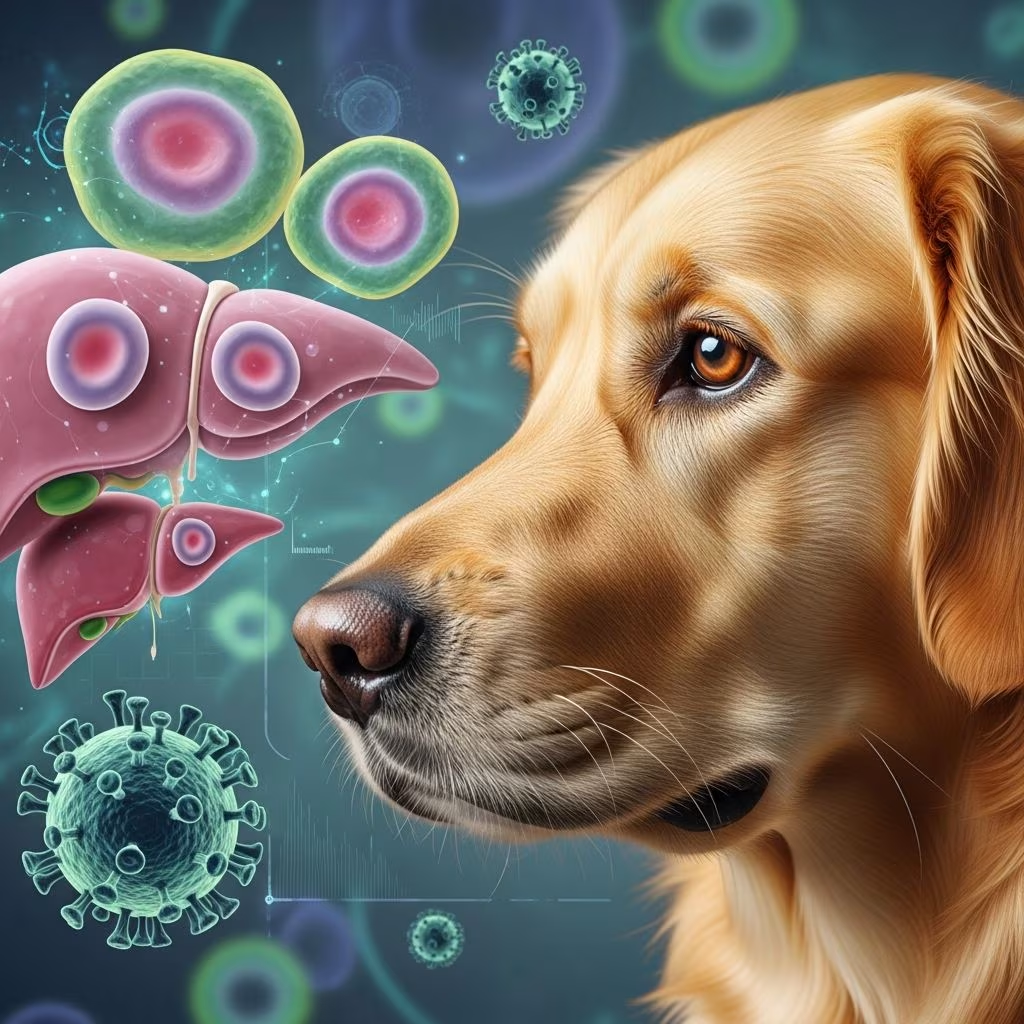
Infectious canine hepatitis, primarily triggered by canine adenovirus type 1 (CAV-1), poses a significant threat to canine health worldwide. This acute viral illness targets vital organs, leading to severe inflammation and potential long-term complications. While vaccination has drastically reduced its prevalence, unvaccinated dogs remain vulnerable. Understanding this condition empowers pet owners and veterinarians to act swiftly.
Understanding the Viral Culprit Behind Canine Hepatitis
The pathogen responsible is CAV-1, a DNA virus from the Adenoviridae family. It primarily affects the vascular endothelium, liver, kidneys, spleen, and lungs. Unlike many viruses, CAV-1 spreads efficiently through direct contact with infected saliva, urine, or feces, or via contaminated environments. Recovered dogs can shed the virus in urine for up to six months, prolonging transmission risks.
Wildlife like coyotes, foxes, wolves, bears, and skunks also serve as reservoirs, facilitating zoonotic-like spread in endemic areas. The virus enters via mucous membranes or broken skin, incubating for 4-9 days before clinical signs emerge. Its affinity for endothelial cells triggers vasculitis, hemorrhages, and organ damage, distinguishing it from other hepatic disorders.
Recognizing Early Warning Signs in Your Dog
Symptoms vary by disease severity and host age, with puppies under six months at highest risk. Initial signs mimic mild flu: sudden **fever** (up to 104-106°F), lethargy, and appetite loss. As vasculitis progresses, dogs exhibit abdominal tenderness, vomiting, and bloody diarrhea.
Severe manifestations include petechial hemorrhages (red spots on gums, skin), bruising, and spontaneous bleeding from gums or nose. Edema swells the head, neck, and trunk, sometimes enlarging tonsils. Tachycardia disproportionate to fever signals advancing illness. Jaundice appears rarely in prolonged cases, despite profound liver involvement.
- Fever and lethargy: First indicators, often with depression.
- Gastrointestinal distress: Vomiting, hemorrhagic diarrhea, thirst increase.
- Hemorrhagic features: Bruising, bleeding gums, petechiae.
- Edema and pain: Facial/neck swelling, abdominal guarding.
- Ocular changes: Conjunctivitis progressing to ‘blue eye’ post-recovery.
In terminal stages, seizures, incoordination, or coma may occur, with mortality reaching 10-30%.
Diagnostic Approaches for Accurate Identification
Veterinarians rely on history, clinical signs, and lab confirmation. Abrupt onset with bleeding strongly suggests CAV-1, but differentials include leptospirosis, rat poison toxicity, or other coagulopathies. Bloodwork reveals leukopenia during fever, thrombocytopenia, prolonged clotting times (PT/PTT), elevated liver enzymes (ALT/AST), and proteinuria.
Definitive diagnosis uses PCR on blood/swabs, ELISA for antigens, or serology for antibodies. Necropsy shows ‘paintbrush’ hemorrhages, centrilobular liver necrosis, and intranuclear inclusions. Corneal clouding (‘blue eye’) arises from immune complexes 7-10 days post-infection, confirming exposure.
| Test | Key Findings | Significance |
|---|---|---|
| Complete Blood Count | Leukopenia, thrombocytopenia | Indicates viral suppression and coagulopathy |
| Coagulation Panel | Prolonged PT/PTT, high fibrin products | Correlates with hemorrhage severity |
| Liver Enzymes | Elevated ALT/AST | Reflects hepatocellular damage |
| PCR/ELISA | Positive for CAV-1 | Ante-mortem confirmation |
Supportive Treatment Strategies for Affected Dogs
No antiviral cure exists; management focuses on stabilization and immune support. Hospitalization is standard for severe cases, providing IV fluids to combat dehydration and hypoalbuminemia. Balanced crystalloids with dextrose address electrolyte imbalances and energy needs.
Coagulopathy demands plasma or whole blood transfusions; anticoagulants like heparin may be used cautiously. Broad-spectrum antibiotics prevent secondary bacterial invasions, especially with hemorrhagic enteritis. Nutritional support via feeding tubes ensures caloric intake amid anorexia.
For hepatic encephalopathy, lactulose and ampicillin reduce ammonia. Ocular sequelae receive topical glucocorticoids, atropine, and light protection. Monitoring includes serial bloodwork and fluorescein staining to rule out ulcers.
Potential Complications and Long-Term Effects
Survivors face immune-mediated issues: chronic glomerulonephritis causes proteinuria and kidney failure; uveitis or persistent corneal edema impairs vision. ‘Blue eye’ typically resolves in 10-14 days but may recur. Rarely, neurologic signs persist.
Mortality skews high in puppies due to immature immunity. Even mild cases can evolve into disseminated intravascular coagulation (DIC), with clotting times mirroring prognosis.
Vaccination: The Cornerstone of Prevention
Modified-live CAV-2 vaccines cross-protect against CAV-1 without causing disease, forming a core component of puppy protocols. Administer at 6-8 weeks, boosting at 12-16 weeks and annually. Maternal antibodies wane by 16 weeks, making early vaccination critical.
Vaccinated populations show near-elimination of outbreaks. Unvaccinated adults risk severe disease. Core vaccines also cover distemper, parvovirus, and parainfluenza for comprehensive immunity.
Preventive Measures for Pet Owners
Avoid contact with unknown dogs’ waste; disinfect fomites with bleach (1:30 dilution). Isolate sick animals. Puppies require quarantine until fully vaccinated. Boarders and breeders must verify vaccination status.
Frequently Asked Questions (FAQs)
Is infectious canine hepatitis contagious to humans?
No, CAV-1 is canine-specific and poses no zoonotic risk.
What causes ‘blue eye’ in recovering dogs?
Immune complexes deposit in the cornea, causing temporary edema; it usually self-resolves.
Can older dogs get this disease?
Yes, though less severely; vaccination gaps heighten risk.
How long is a recovered dog infectious?
Up to 6-9 months via urine shedding.
Is treatment always successful?
Supportive care yields 70-90% survival in adults; puppies fare worse.
References
- Infectious Hepatitis (Adenovirus) in Dogs — VCA Animal Hospitals. 2023. https://vcahospitals.com/know-your-pet/hepatitis-adenovirus-infection-in-dogs
- Infectious Canine Hepatitis – Dog Owners — MSD Veterinary Manual. 2024-02-01. https://www.msdvetmanual.com/dog-owners/disorders-affecting-multiple-body-systems-of-dogs/infectious-canine-hepatitis
- Infectious canine hepatitis in dogs — Joii Pet Care. 2023. https://www.joiipetcare.com/blogs/infections-and-parasites/infectious-canine-hepatitis-in-dogs
- Infectious Canine Hepatitis — Merck Veterinary Manual. 2024. https://www.merckvetmanual.com/infectious-diseases/infectious-canine-hepatitis/infectious-canine-hepatitis
- Infectious Canine Hepatitis — PMC – NIH. 2020-04-07. https://pmc.ncbi.nlm.nih.gov/articles/PMC7151783/



