

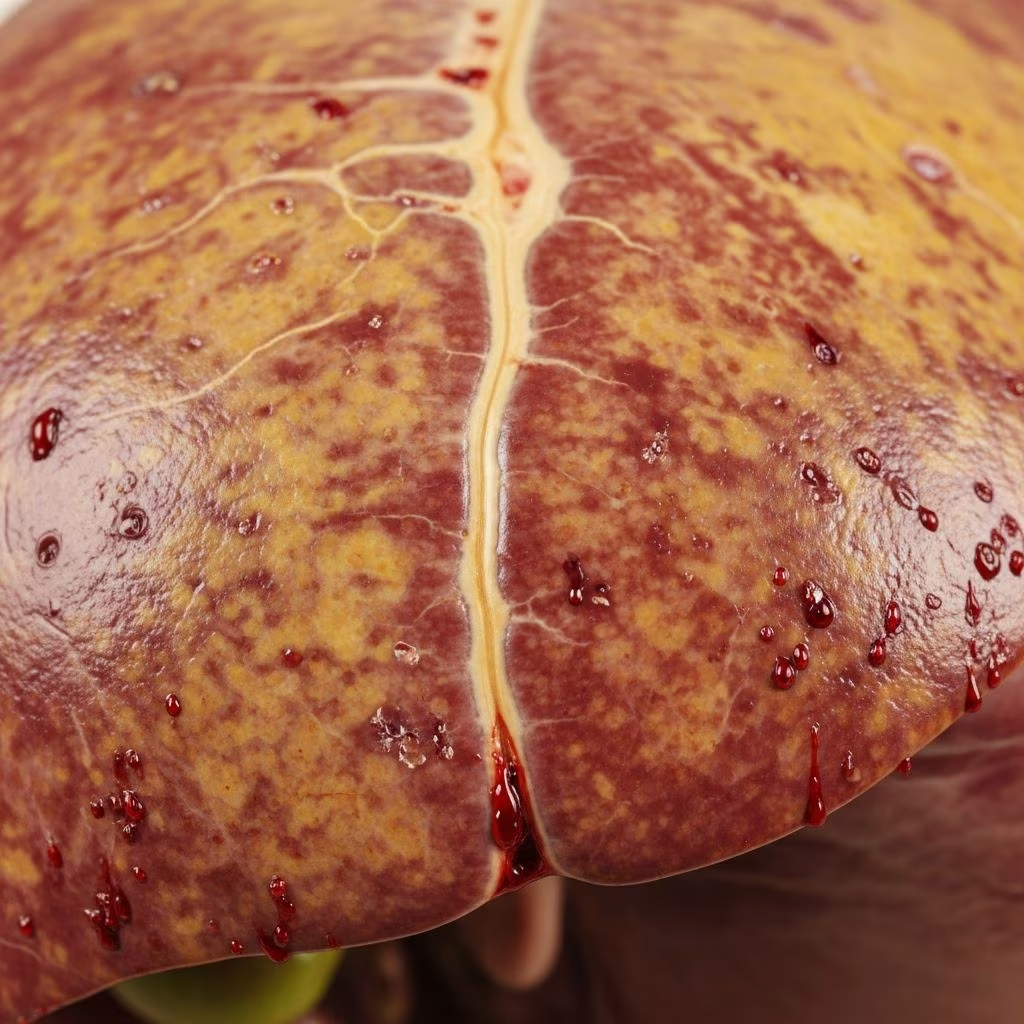
Canine adenovirus hepatitis, commonly known as infectious canine hepatitis (ICH), is a highly contagious viral illness primarily targeting the liver, blood vessels, and other vital organs in dogs. Caused by canine adenovirus type 1 (CAV-1), this disease poses significant risks especially to unvaccinated puppies and young dogs, with symptoms ranging from mild fever to life-threatening complications like bleeding disorders and organ failure.
The Nature and Origins of Canine Adenovirus Hepatitis
This viral infection stems from CAV-1, a resilient pathogen that thrives in various environments. Unlike many viruses, CAV-1 can persist outside a host for extended periods, making environmental contamination a key concern. The virus primarily invades endothelial cells lining blood vessels, leading to widespread inflammation and damage that extends to the liver, kidneys, spleen, and lungs.
Historically, ICH was a major cause of mortality in canine populations before widespread vaccination programs. Today, outbreaks are rare in vaccinated communities but remain a threat in areas with low immunization rates or among strays. The virus’s ability to cause subclinical infections means carriers can spread it unknowingly.
How the Virus Spreads Among Dogs
Transmission occurs mainly through direct contact with infected bodily fluids. Dogs ingest the virus via urine, feces, saliva, or nasal secretions from affected animals. Recovered dogs continue shedding CAV-1 in their urine for up to six months, creating a prolonged risk window.
Indirect spread happens through contaminated food bowls, bedding, or shared spaces. Puppies nursing from infected mothers can acquire it via milk, while aerosolized droplets from coughs enable respiratory transmission in close quarters. High-risk environments include kennels, dog parks, and shelters where multiple dogs congregate.
- Oral-fecal route: Most common, via contaminated ground or waste.
- Direct contact: Nose-to-nose greetings or shared toys.
- Vertical transmission: From dam to pups during birth or nursing.
Recognizing Early Warning Signs
Symptoms appear abruptly, often 4-9 days post-exposure. Initial signs mimic a flu: elevated temperature (up to 104°F), lethargy, and reduced appetite. Dogs may show thirstiness, eye redness, and watery discharges from eyes and nose.
As the disease progresses, severity escalates. Abdominal tenderness signals liver involvement, accompanied by vomiting, bloody diarrhea, and jaundice (yellowing of gums and skin). Swelling around the head and neck, petechial hemorrhages on mucous membranes, and neurological signs like seizures indicate advanced vasculitis and coagulopathy.
| Stage | Common Symptoms |
|---|---|
| Early/Mild | Fever, apathy, conjunctivitis, mild discharge |
| Moderate | Vomiting, diarrhea, enlarged tonsils, lymph nodes |
| Severe | Bleeding tendencies, jaundice, edema, collapse |
Puppies under six months face the highest mortality, with rates up to 30% in untreated cases. Adults may recover but risk chronic issues.
Diagnostic Approaches for Accurate Identification
Veterinarians rely on clinical presentation—sudden onset with hemorrhagic signs—for initial suspicion. Confirmatory tests include PCR on blood, urine, or swabs to detect viral DNA; ELISA for antigen presence; and serology measuring antibody titers.
Bloodwork reveals leukopenia, elevated liver enzymes (ALT, AST), prolonged clotting times, and hypoalbuminemia. Liver biopsies, though invasive, show characteristic centrilobular necrosis and intranuclear inclusions. Imaging like ultrasound assesses organ swelling and fluid accumulation.
- PCR/ELISA: Rapid, sensitive for active infection.
- Serology: Useful for exposure history.
- Histopathology: Gold standard postmortem.
Supportive Treatment Strategies
No antiviral cure exists; management focuses on symptom relief and immune support. Hospitalization is standard for moderate-severe cases, providing IV fluids to combat dehydration, electrolyte imbalances, and hypovolemia.
Blood products (plasma, whole blood) address coagulopathy and disseminated intravascular coagulation (DIC). Broad-spectrum antibiotics prevent secondary bacterial invasions, especially in GI hemorrhage cases. Nutritional support via feeding tubes ensures caloric intake amid anorexia.
For eye complications like corneal edema (“blue eye”), topical steroids, atropine, and light protection alleviate discomfort. Hepatic encephalopathy may require lactulose and anti-emetics.
- Fluid resuscitation with crystalloids and dextrose.
- Coagulation support via transfusions.
- Antibiotics for opportunists.
- Eye ointments for uveitis.
Potential Complications and Long-Term Effects
Survivors face immune-mediated sequelae. “Blue eye” arises from antigen-antibody complexes in the cornea, resolving in weeks but causing temporary vision blur. Glomerulonephritis leads to proteinuria and chronic kidney disease.
Lingering liver fibrosis or persistent shedding heightens reinfection risks. Mortality hovers at 10-30%, highest in pups. Regular monitoring post-recovery includes bloodwork and urinalysis.
Prevention Through Vaccination and Hygiene
Vaccination is the cornerstone, using modified-live CAV-2 strains that cross-protect against CAV-1 without causing disease. Core vaccine protocols start at 6-8 weeks, with boosters every 3 years.
Hygiene curbs spread: Disinfect with bleach (1:30 dilution), isolate suspects, and avoid high-risk areas for unvaccinated dogs. Quarantine new pets for 2-4 weeks.
Living with Recovery: Ongoing Care Tips
Post-discharge, monitor for relapse. Low-protein diets support liver health; supplements like SAMe or milk thistle aid regeneration (vet-approved). Annual check-ups track kidney function.
Owners should note behavioral changes or renewed discharges promptly. Most recover fully, enjoying normal lifespans with vigilance.
Frequently Asked Questions (FAQs)
Is canine hepatitis contagious to humans?
No, CAV-1 is species-specific to dogs.
Can older dogs get ICH?
Yes, though milder; vaccination gaps increase risk.
How long does blue eye last?
Typically 7-21 days; treat symptoms.
Is ICH fatal?
10-30% mortality untreated; vaccination prevents most cases.
What if my dog misses boosters?
Revaccinate promptly; titer tests assess immunity.
References
- Infectious Hepatitis (Adenovirus) in Dogs — VCA Animal Hospitals. 2023. https://vcahospitals.com/know-your-pet/hepatitis-adenovirus-infection-in-dogs
- Infectious Canine Hepatitis – Dog Owners — Merck Veterinary Manual. 2023-10-15. https://www.merckvetmanual.com/dog-owners/disorders-affecting-multiple-body-systems-of-dogs/infectious-canine-hepatitis
- Infectious Canine Hepatitis — MSD Veterinary Manual. 2024. https://www.msdvetmanual.com/infectious-diseases/infectious-canine-hepatitis/infectious-canine-hepatitis
- Infectious Canine Hepatitis — PMC – NIH. 2020-04-01. https://pmc.ncbi.nlm.nih.gov/articles/PMC7151783/
- Adenovirus 1 in Dogs — PetMD. 2023. https://www.petmd.com/dog/conditions/infectious-parasitic/c_dg_canine_hepatitis



