

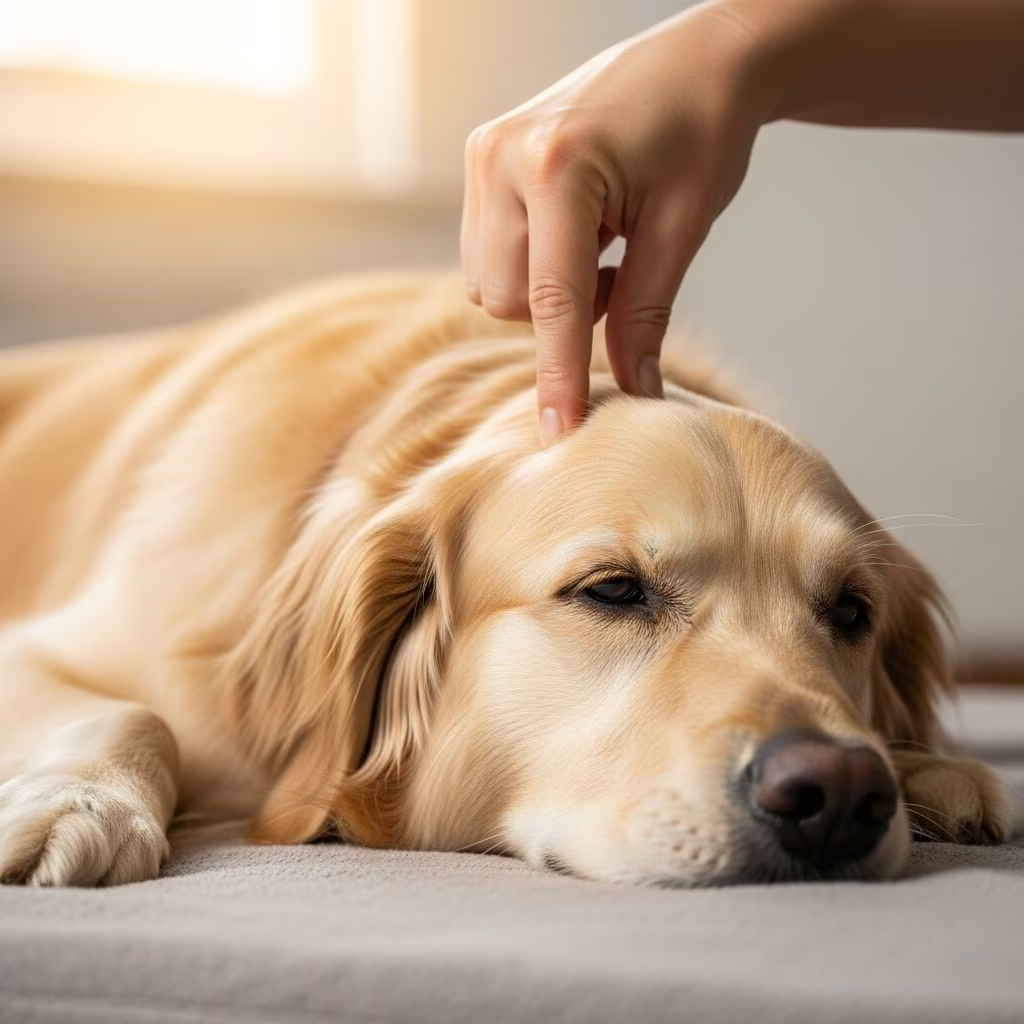
Acupressure offers dog owners a powerful, non-invasive way to support their pet’s health by applying targeted pressure to specific body points. This ancient practice, adapted for modern veterinary care, stimulates natural healing processes, reduces discomfort, and improves quality of life without needles or medications.
Understanding Acupressure and Its Roots in Canine Care
Rooted in traditional Chinese medicine, acupressure targets meridians—energy pathways in the body—to balance vital energy known as Qi. For dogs, this translates to enhanced blood flow, muscle relaxation, and release of natural painkillers like endorphins. Unlike acupuncture, which uses fine needles, acupressure relies on finger pressure, making it accessible for home use by trained owners or professionals.
Research supports its efficacy: a study on dogs with neurological and musculoskeletal issues found acupressure-related techniques significantly lowered pain scores and boosted locomotion, especially in musculoskeletal cases. This positions acupressure as a key component in multimodal therapy plans for chronic conditions.
Key Benefits of Acupressure for Your Dog’s Health
Regular sessions can address multiple issues, from physical aches to emotional stress. Here’s a breakdown of primary advantages:
- Pain Relief: Stimulates endorphin release to manage arthritis, post-surgical pain, and injuries.
- Enhanced Mobility: Improves joint function and reduces inflammation in hips, knees, and spine.
- Better Circulation: Boosts oxygen delivery and toxin removal for faster recovery.
- Digestive Aid: Regulates gut motility, easing bloating, diarrhea, and nausea.
- Anxiety Reduction: Promotes calming hormones like serotonin for stressed or nervous dogs.
- Immune Support: Strengthens defenses and aids skin healing in allergies or hotspots.
Clinical trials confirm these effects, with 78-84% of arthritic dogs showing mobility gains from similar acupoint stimulation. For chronic pain, it often reduces medication needs, preserving organ health long-term.
Essential Acupressure Points for Common Dog Ailments
Focus on these proven points, located symmetrically on both body sides. Use firm, circular pressure for 30-60 seconds per point, 2-3 times daily. Always observe your dog’s response—stop if discomfort arises.
| Point Name | Location | Primary Benefits | Best For |
|---|---|---|---|
| ST36 (Stomach 36) | Outer front leg, below knee, in muscle depression | Boosts energy, digestion; reduces nausea | Gut issues, fatigue |
| BL40 (Bladder 40) | Back of rear knee, center of tendon | Eases back/leg pain, inflammation | Arthritis, hip dysplasia |
| LU1 (Lung 1) | Chest, behind shoulder blade top | Supports breathing, immunity | Respiratory allergies |
| GV20 (Governing Vessel 20) | Top of head, between ears | Calms mind, relieves stress | Anxiety, seizures |
| SP6 (Spleen 6) | Inner rear leg, above ankle bone | Balances hormones, aids detox | Skin issues, weakness |
Combine points into short sessions: for arthritis, pair BL40 and ST36; for anxiety, GV20 with gentle full-body strokes.
Step-by-Step Guide to Performing Acupressure at Home
Preparation is key for safe, effective sessions. Start in a quiet space with your dog relaxed—perhaps after a walk or meal.
- Assess Readiness: Check for wounds, acute swelling, or fever. Consult a vet for underlying conditions.
- Warm Up: Gently stroke from head to tail for 2-3 minutes to relax muscles.
- Apply Pressure: Use thumb or fingers with steady, moderate force—like pressing a doorbell. Hold or circle slowly.
- Monitor Feedback: Positive signs include sighs, leaning in, or licking lips. Adjust if dog pulls away.
- Cool Down: End with light petting. Sessions last 10-20 minutes, 3-5 times weekly.
Practice consistency yields results within 1-2 weeks. Track improvements in a journal for mobility or appetite changes.
Integrating Acupressure with Veterinary Treatments
Acupressure complements conventional care, enhancing outcomes in rehab, chemo support, or senior wellness plans. Vets often recommend it post-surgery to speed lymphatic drainage and pain control, as seen in cases like a German Shepherd’s forelimb repair.
For best results, pair with weight management, hydrotherapy, or meds. Studies show combined approaches outperform solo therapies for musculoskeletal pain. Always inform your vet to avoid interactions.
Safety Considerations and When to Seek Professional Help
While safe for most dogs, acupressure isn’t a cure-all. Avoid in cases of cancer, fractures, or pregnancy without guidance. Puppies under 8 weeks or aggressive dogs may need pro supervision.
Signs to pause: increased panting, yelping, or avoidance. Seek a certified veterinary acupressurist via organizations like the International Veterinary Acupuncture Society for training.
Real-World Success: Case Studies and Owner Experiences
Dogs with osteoarthritis often regain stair-climbing ability after 4-6 weeks. One trial noted significant HCPI drops (P=0.003) in musculoskeletal patients. Owners report calmer, more playful pets, with reduced limping in hip dysplasia cases.
For digestive woes, ST36 stimulation normalized bowels in IBS-afflicted dogs. Respiratory benefits appear in allergy seasons, easing coughs via LU1.
Building a Routine: Tips for Long-Term Wellness
Make acupressure habitual: morning energizers with ST36, evening wind-downs with GV20. Use treats to encourage participation. Advanced users explore meridian maps for full-body balance.
Combine with diet tweaks—anti-inflammatory foods amplify effects. Monitor via vet check-ups to quantify gains like VAS scores.
Frequently Asked Questions (FAQs)
Is acupressure safe for all dogs?
Yes, for most healthy dogs, but consult a vet for chronic illnesses. It’s gentle and non-invasive.
How soon do results show?
Many notice relief in days; full benefits in 1-4 weeks with consistency.
Can I learn from videos?
Yes, but pair with certified courses for accuracy. Hands-on practice refines technique.
Does it replace vet meds?
No, it supports them, often reducing doses safely.
What if my dog resists?
Start shorter, use favorites spots. Patience builds trust.
References
- Effect of acupuncture on pain and quality of life in canine neurological and musculoskeletal diseases — PMC/NCBI. 2017-08-01. https://pmc.ncbi.nlm.nih.gov/articles/PMC5556488/
- The power of acupressure: Unlocking healing potential for your dog — Gentle Dog Canine Massage. Accessed 2026. https://www.gentledogcaninemassage.com/post/the-power-of-acupressure-unlocking-healing-potential-for-your-dog
- The Healing Touch: Canine Acupressure for Anxiety, Pain Relief, and Whole-Body Wellness — The Balanced Canine. Accessed 2026. https://www.thebalancedcanine.co.uk/articles/the-healing-touch-canine-acupressure-for-anxiety-pain-relief-and-whole-body-wellness-at-home
- Five Health Benefits of Acupuncture for Dogs — Voorhees Veterinary Center. 2024-03-22. https://www.voorheesvet.com/site/blog/2024/03/22/five-health-benefits-acupuncture-dogs
- Health Benefits of Acupuncture for Dogs — Laguna Canyon Veterinary. 2023-01-06. https://www.lagunacanyonvet.com/site/blog/2023/01/06/6-health-benefits-dog-acupuncture
- Why You Should Teach Your Clients to Use Acupressure — OnlinePetHealth. Accessed 2026. https://onlinepethealth.com/why-you-should-teach-your-clients-to-use-acupressure/
- Acupuncture/Acupressure for Dogs — VCA Animal Hospitals. Accessed 2026. https://vcahospitals.com/know-your-pet/acupuncture-acupressure-for-dogs



