

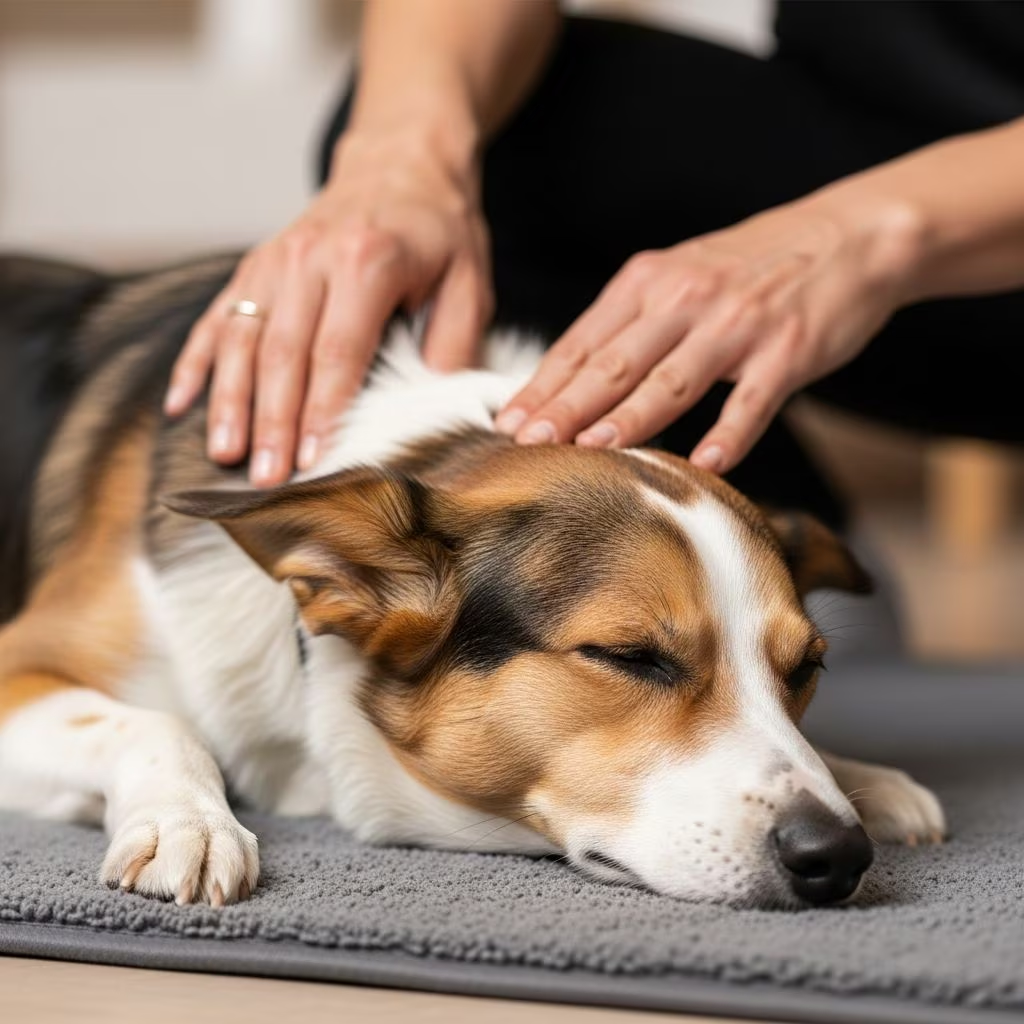
Many owners of exuberant, high‑energy dogs wish for a way to help their pets settle without relying solely on exercise or medication. Canine acupressure offers a gentle, non‑invasive approach that can complement training and lifestyle management by encouraging relaxation, reducing stress, and supporting better emotional regulation. When practiced correctly, this form of touch therapy can help even the most energetic dogs feel calmer and more balanced.
What Is Canine Acupressure?
Canine acupressure is based on the same underlying principles as human acupressure and acupuncture: the idea that the body contains pathways of energy, often referred to as meridians, and that applying pressure to specific points along these pathways can influence physical and emotional states. Instead of using needles, a practitioner or an owner applies gentle but firm pressure with fingers, thumbs, or palms to carefully chosen points on the dog’s body.
In veterinary and integrative medicine, acupuncture has been shown to stimulate the release of natural pain‑relieving and anti‑inflammatory substances, improve circulation, and modulate the nervous system, which supports healing and comfort. Acupressure, which targets the same point system, uses touch rather than needles, making it more accessible for caregivers to learn and apply at home under appropriate guidance.
- Uses gentle pressure on specific body points.
- Based on traditional meridian or energy‑pathway concepts.
- Non‑invasive and drug‑free when used correctly.
- Often combined with massage, behavior work, and medical care.
Why High‑Energy Dogs May Benefit
High‑energy dogs are often described as “on the go,” easily excitable, or difficult to settle. While much of this behavior is normal for their breed or temperament, persistent over‑arousal can contribute to anxiety, reactivity, and difficulty learning or focusing. Acupressure can be particularly helpful when excess energy is linked to underlying tension, stress, or mild over‑stimulation.
Research on acupuncture in dogs has shown measurable reductions in pain and improvements in mobility and quality of life, especially in animals with musculoskeletal or neurological conditions. These findings support the idea that stimulating specific body points can influence the nervous system and hormone balance, which in turn may help modulate arousal and emotional responses. While large‑scale clinical trials on acupressure specifically for behavior are limited, the physiological effects observed with acupuncture suggest that acupressure can play a supportive role in calming high‑energy dogs.
By helping to reduce physical tension and nervous system arousal, acupressure sessions can create a more receptive mental state. This makes it easier to reinforce calm behaviors, build focus, and strengthen the bond between dog and owner.
How Acupressure Influences Behavior and Arousal
The mechanisms by which acupressure may help calm a dog are both physiological and psychological:
- Nervous system modulation: Stimulation of certain points appears to influence the autonomic nervous system, helping shift a dog from a state of heightened arousal toward a more relaxed, parasympathetic mode.
- Endorphin release: Pressure on acupoints can trigger the release of endorphins and other neurotransmitters that naturally reduce discomfort and promote a sense of well‑being.
- Improved circulation: Better blood flow can help alleviate muscle tightness and localized discomfort that may contribute to restlessness.
- Positive association with touch: Regular, calm hand contact helps dog and owner build trust and reinforces a sense of safety.
While acupressure is not a substitute for behavior training or medical care, it can be a valuable adjunct that helps reduce baseline stress, making a dog more receptive to learning and less prone to explosive reactions.
Key Principles for Safe Practice
Before using canine acupressure, it is important to understand several guiding principles to ensure safety and effectiveness:
Consult a Professional First
Always discuss your dog’s behavior and health with a veterinarian or a qualified veterinary acupuncturist, especially if the dog has a medical condition, is on medication, or is recovering from injury or surgery. Acupressure should not replace veterinary care; it is best used as part of a broader management plan.
Use Gentle, Consistent Pressure
Canine acupressure is typically performed with light to moderate fingertip pressure, held for several seconds to a minute. The goal is to stimulate the point without causing discomfort. A dog may lean into the pressure, relax, or even fall asleep, which are positive signs. If the dog pulls away, whines, or seems tense, reduce pressure or discontinue that area.
Limit Session Duration
Short, frequent sessions are often more effective than long, infrequent ones. Five to ten minutes once or twice a day may be sufficient, especially for energetic or easily over‑stimulated dogs. Use acupressure when the dog is already somewhat calm, such as after a short walk or during a quiet evening routine.
Combine With Calming Contexts
Integrate acupressure into low‑arousal environments. For example, practice in a quiet room, after a potty break or a brief training session, or during a grooming routine. This helps the dog associate the touch with relaxation rather than excitement.
Common Acupressure Points for Calming
Professional veterinary acupuncturists and bodywork practitioners often highlight several points that support relaxation and nervous system regulation. Below are examples of locations and general purposes; these should be used as general guidance only and not as a complete treatment protocol. Always seek hands‑on training or a professional demonstration before working extensively on specific points.
Yin‑Tang–Equivalent Point (Forehead Area)
One commonly used calming location is a point located in the center of the forehead, between the eyes, in the indentation sometimes called the “third eye” area. In canine work, caregivers are often taught to gently rest the thumb or finger in this small bony depression.
- May help quiet a busy mind and support focus.
- Often used before or during training sessions to improve mental readiness.
- Best applied with soft, steady pressure for 10–30 seconds, repeated as tolerated.
Deep Chest Points (Near Sternum)
Several calming points lie along the midline of the chest, close to the sternum. These areas are associated with respiratory and emotional regulation in traditional frameworks. Gentle, circular pressure over this zone can encourage slower breathing and a sense of stability.
- Aid in easing anxiety and supporting deep, rhythmic breathing.
- Use only light pressure; avoid pressing into the trachea or ribs.
- Combine with slow, quiet verbal cues such as “Easy” or “Soft.”
Hindleg Support Points (Behind the Knee)
A point located at the back of the knee, along the crease of the hind leg, is frequently used to help with relaxation, joint comfort, and overall tension release. This area is often targeted in musculoskeletal and pain‑related protocols, but it can also contribute to a generalized sense of relief and ease.
- May help release muscle tension in active dogs.
- Use fingertip pressure behind the stifle joint, avoiding bony prominences.
- Hold for 10–20 seconds or until the dog visibly relaxes.
Foreleg and Shoulder Zones
Areas around the front legs and shoulders can also be used to support calm and comfort. These regions are often worked through gentle massage combined with brief point stimulation. Many dogs instinctively rest their heads in a person’s lap or against a supportive surface, which naturally engages these areas.
- Can help reduce tension built up from running or pulling.
- Encourage the dog to stand or lie in a relaxed posture during the session.
- Be mindful of any pre‑existing joint or muscle issues.
Integrating Acupressure Into Daily Life
For high‑energy dogs, one‑off acupressure sessions are less effective than consistent, gentle routines woven into everyday activities. Owners can maximize benefit by pairing acupressure with other calming practices.
Before Training or Focus Exercises
Using brief acupressure work before shaping attention or practicing commands can help a dog settle into a learning mindset.
- Wait until the dog is somewhat calm, perhaps after a short walk.
- Apply light pressure to a few key points for 1–2 minutes.
- Follow with a short training or enrichment session to reinforce calm engagement.
During Transition Moments
Acupressure can be especially helpful during transitions that commonly trigger excitement or worry, such as before or after grooming, vet visits, or when company arrives.
- Start the session 10–20 minutes before the anticipated event.
- Use consistent routine and verbal cues to signal “time to relax.”
- Combine with slow stroking or chin scratches to deepen the calming effect.
As Part of Bedtime or Wind‑Down Time
Coupling acupressure with the evening routine can help signal that it is time to settle.
- Perform a short session in the dog’s resting area.
- Use dim lighting and quiet background noise.
- End with a gentle “good night” or settling cue your dog recognizes.
Combining Acupressure With Other Strategies
Acupressure works best when it is part of a broader approach to managing high‑energy behavior. The most effective programs typically combine physical outlets, mental stimulation, and emotional support.
Exercise and Enrichment
Dogs need appropriate outlets for their energy. Structured walks, fetch, controlled agility‑style games, and sniffing activities can all reduce over‑arousal and make calming techniques more effective.
- Match the intensity and duration of exercise to the dog’s age and fitness.
- Use controlled, patterned games instead of chaotic play when possible.
- Always follow energetic sessions with a calm–down period that may include acupressure.
Training and Structure
Clear structure and predictable routines help high‑energy dogs feel safer and more confident.
- Teach calm behaviors such as “settle,” “down‑stay,” or “focus” on cue.
- Use positive reinforcement for waiting, sitting, and relaxed body language.
- Pair acupressure with these cues to strengthen the association with calmness.
Environmental Management
Managing the environment reduces unnecessary triggers for over‑excitement.
- Use baby gates, crates, or quiet rooms to limit constant stimulation.
- Introduce visitors or new experiences gradually.
- Provide appropriate chew toys or puzzle feeders to redirect energy.
Precautions and When to Avoid Acupressure
While acupressure is generally gentle, there are situations where extra caution or professional guidance is essential.
- Acute injury or illness: Do not focus on areas of obvious pain, swelling, or recent trauma without veterinary or professional input.
- Skin or coat issues: Avoid applying pressure directly over open sores, hot spots, or inflamed skin.
- Behavioral sensitivity: Dogs with extreme fear or aggression should be evaluated by a veterinary behaviorist; acupressure should be introduced very gradually.
- Post‑surgical or post‑procedure care: Follow veterinary instructions regarding manipulation of certain body regions.
If your dog shows persistent discomfort, aggression, or unusual reactions to touch, discontinue the session and seek veterinary or professional advice.
Sample Short Routine for Calming
The following is an example of a brief, home‑based acupressure routine designed to help calm a high‑energy dog. This is intended as a general illustration and should be adapted to your dog’s comfort and tolerance.
| Step | Action | Duration |
|---|---|---|
| 1. Prepare | Choose a quiet, comfortable area and ensure the dog has had a short potty break. | 1–2 minutes |
| 2. Forehead Point | Place your thumb or finger gently between the eyes in the small depression and hold steady pressure. | 10–20 seconds |
| 3. Chest Area | Use light circular motions along the center of the chest near the sternum. | 15–30 seconds |
| 4. Hindleg Point | Apply gentle fingertip pressure behind the knee on both hind legs. | 10–15 seconds per leg |
| 5. Soft Massage | Follow with light stroking along the spine and shoulders until the dog relaxes. | 1–2 minutes |
Repeat this routine once or twice a day or before known high‑arousal events, always adjusting to your dog’s individual response.
FAQs: Common Questions About Canine Acupressure
Can I do canine acupressure at home without training?
Yes, in many cases, but with important caveats. Basic, gentle routines can be learned from reputable sources, instructional videos, or in‑person sessions with a qualified practitioner. However, for complex medical or behavioral issues, or when working on specific acupuncture points, professional guidance is strongly recommended.
How long does it take to see results?
Some dogs show subtle signs of relaxation after a few sessions, while others may take several days or weeks of consistent use to exhibit noticeable changes. Acupressure should be viewed as a supportive tool rather than an immediate fix.
Can acupressure replace behavior training or medication?
No. Acupressure complements behavior training, environmental management, and, when indicated, veterinary‑prescribed medications. It should not be used as a standalone solution for severe anxiety, aggression, or medical conditions.
Is acupressure safe for puppies and older dogs?
When performed gently and appropriately, acupressure can be safe for many age groups. However, puppies have developing bodies and seniors may have underlying health issues, so it is best to consult a veterinarian or certified canine acupressure practitioner before beginning a regular program.
What should I do if my dog resists acupressure?
If your dog pulls away, growls, or seems tense, reduce pressure or stop the session. You can instead focus on general massage or simple grooming while gradually reintroducing light point work. Patience and positive reinforcement are key.
Final Thoughts
Managing a high‑energy dog can feel like a constant



