

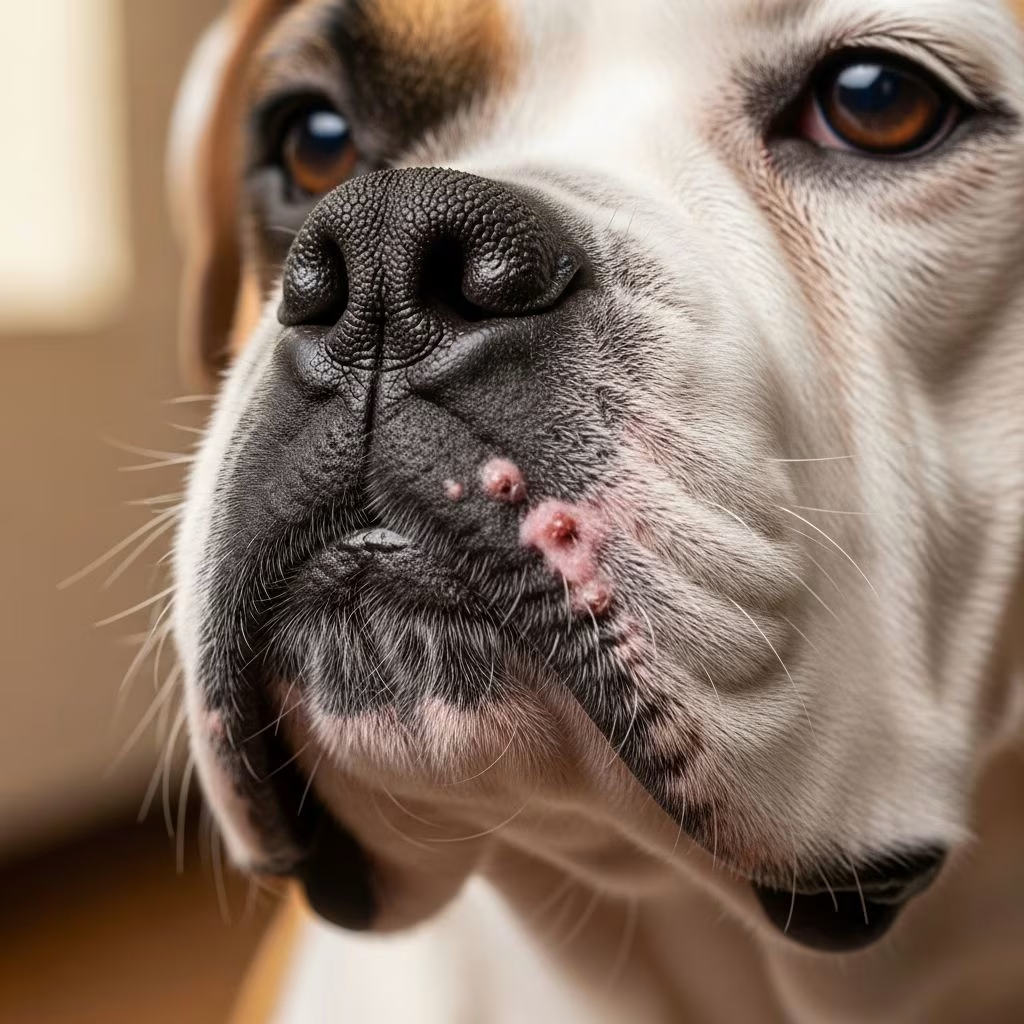
Understanding Canine Acne
Just like humans, dogs can develop acne, a common skin condition that affects many canines across different breeds and ages. Canine acne, also known as dog pimples, appears as small red bumps, whiteheads, or pustules on the skin surface. While this condition is often considered minor, understanding its causes, symptoms, and treatment options can help pet owners provide their dogs with appropriate care and prevent complications.
The most common sites for canine acne are the chin, muzzle, and lips, though these pimple-like lesions can appear anywhere on a dog’s body. Many dog owners may mistake these bumps for flea bites or other skin conditions, but proper diagnosis and treatment from a veterinarian can ensure your dog receives the right care.
What Causes Canine Acne?
The underlying cause of canine acne is not fully understood, but veterinarians have identified several contributing factors that lead to its development.
Hair Follicle Trauma and Damage
Many cases of canine acne are triggered by trauma to the skin of the chin or muzzle. This trauma can cause hairs to break off near the skin’s surface, leading to inflammation in the hair follicle and eventual rupture. When the hair follicle ruptures, its contents are released into the surrounding skin, creating further inflammation since the contents of the hair follicles are recognized as foreign by the surrounding tissues. Common sources of trauma include rough play, chewing behavior, rubbing against rough surfaces, and scratching.
Clogged Hair Follicles
When excess oily sebum (a substance produced by the sebaceous glands) mixes with dead skin cells, they can clog hair follicles, causing blackheads, whiteheads, and bumps. Poor grooming habits can exacerbate this issue by allowing dirt, oils, and bacteria to accumulate on a dog’s skin.
Bacterial and Fungal Infections
Although the inflammation associated with canine acne is often sterile (non-infected) in the early stages, bacteria can easily colonize damaged skin and lead to infection. The most common bacterium involved is Propionibacterium acnes, which produces enzymes that break down sebum into fatty acids and trigger inflammation. Secondary bacterial infections, often caused by Staphylococcus pseudintermedius, can lead to swollen and sometimes painful pimples.
Genetics and Breed Predisposition
Some dogs are genetically predisposed to have more acne than others. Certain breeds, especially short-coated breeds like Boxers, English Bulldogs, and Rottweilers, are more prone to dog acne. It’s believed that abnormal follicular keratinization—a condition where skin cells don’t shed properly—contributes to acne in these dogs.
Allergies and Skin Sensitivities
Dogs with food allergies often have very itchy skin and can develop acne-like pimples on their faces and feet. Environmental allergens can also trigger breakouts, particularly around the mouth and face. Contact dermatitis from frequent rubbing against irritants like scratched plastic bowls can irritate the skin and trigger acne on a dog’s chin.
Other Contributing Factors
Additional conditions that may contribute to canine acne include:
– Demodicosis (mite infestations)- Malassezia dermatitis (yeast infections)- Autoimmune disorders affecting skin health- Dermatophytosis (ringworm)- Hormonal imbalances
Recognizing Symptoms of Canine Acne
Identifying canine acne early can help prevent complications and allow for prompt treatment. The symptoms of canine acne are usually localized to the chin and lips but can appear elsewhere on the body.
Common Clinical Signs
The typical symptoms include:
– Papules (small, red, pimple-like skin lesions)- Pustules (small yellow skin lesions filled with pus)- Blackheads and whiteheads on the skin- Mild itchiness around the lesions- Small bumps less than 1/4 inch in size
Severe Symptoms
In more severe cases, dog owners may notice:
– Ulcerated lesions with or without discharge- Pain or tenderness when the affected area is touched- Extremely red or irritated skin- Scarring from repeated lesions- Hair loss in the affected areas
If your dog exhibits any of these symptoms, especially if they persist or worsen, consult your veterinarian for proper diagnosis and treatment recommendations.
How Is Canine Acne Treated?
The good news is that canine acne is treatable, and several effective options are available to help your furry friend recover.
Topical Treatments
The most common treatment for canine acne is topical benzoyl peroxide. This product helps to flush out the hair follicle and reduce bacterial contamination. In mild cases, benzoyl peroxide alone may be sufficient to resolve canine acne; in more severe cases, long-term benzoyl peroxide may be used to decrease the likelihood of recurrence.
Other topical treatment options include:
– Antibacterial shampoos and washes that kill bacteria on your dog’s skin- Salicylic acid products, a common chemical found in many over-the-counter acne medications- Retinoids, which are effective but can dry out the skin, so use with care- Topical sprays such as Vetericyn Plus to provide soothing relief
Oral Medications
For more severe cases, your veterinarian may recommend oral medications, including:
– Antibiotics to treat bacterial infections (typically prescribed for 2-3 weeks)- Antifungal medications if fungal infections are present- Anti-inflammatory medications to reduce inflammation- Steroids for short-term use only; long-term use can affect your dog’s adrenal glands
Pet owners should monitor their dogs when administering oral antibiotics, as they can sometimes cause digestive upset, such as diarrhea.
Behavioral Modifications
Your veterinarian may suggest behavioral therapy to help your dog avoid injuring the affected area from rough play or rubbing their face on rough surfaces. Additionally, your vet may recommend how to properly clean the infected area to prevent secondary infections.
Home Care and Prevention Strategies
Beyond professional veterinary treatment, several home care strategies can support recovery and prevent future acne breakouts.
Regular Grooming and Hygiene
Regular grooming on a consistent schedule—not too often but also not infrequently—can keep dirt and bacteria from accumulating. Clean the area around your dog’s muzzle, face, and skin folds regularly with a gentle cleanser designed for sensitive skin. Avoid using harsh soaps or chemicals that may irritate your dog’s skin further. Once a week, apply an antibacterial treatment to help prevent future acne breakouts.
Dietary Adjustments
Consider feeding your dog specialized dog food designed for canines with sensitive skin, as it can provide the nutrients necessary to maintain a healthy coat. Skin supplements may also help support skin health and reduce acne flare-ups. If your dog has food allergies, a blood test can help your veterinarian determine the specific allergens to avoid.
Environmental Modifications
Identify and minimize trauma-causing behaviors and activities that may trigger acne breakouts. Watch for damaging behavior such as using their muzzle to root in the dirt or regular face scratching. Replace scratched or rough plastic bowls with smooth alternatives to prevent contact dermatitis. Reduce your dog’s exposure to known environmental allergens when possible.
Product Selection
Regular use of veterinarian-recommended products like medicated wipes, shampoos, or 2% benzoyl peroxide cream can help keep flare-ups at bay. Switch to hypoallergenic grooming products and avoid using harsh chemicals or fragrances that may irritate your dog’s skin.
Treatment Prognosis and Timeline
The prognosis for long-term resolution of canine acne is fair, but individual cases vary considerably. Some dogs respond quickly to treatment within a few weeks, while others may require six or more weeks of consistent care. In some cases, acne may recur or leave long-term scarring on the affected areas.
The duration and severity of treatment depend on factors such as the underlying cause, your dog’s breed predisposition, and how quickly you initiate treatment. Mild cases may resolve with topical benzoyl peroxide alone, while severe cases may require a combination of topical and oral medications along with behavioral modifications.
When to Consult Your Veterinarian
While mild cases of canine acne may be managed at home, it’s important to consult your veterinarian if:
– The acne persists for more than two weeks- Lesions become increasingly red, swollen, or painful- You notice signs of infection such as discharge or odor- Your dog exhibits severe itching or behavioral changes- The condition is affecting your dog’s quality of life- You’re unsure about the diagnosis or appropriate treatment
Your veterinarian can perform a physical examination and may recommend blood work or microscopic examination of the skin and hair follicles to rule out other diseases and determine the underlying cause.
Frequently Asked Questions About Canine Acne
Q: Can canine acne be contagious to other dogs?
A: Canine acne itself is not contagious, though underlying infections may spread. Keep affected dogs separated during grooming to prevent cross-contamination.
Q: Is canine acne painful for my dog?
A: Mild acne may cause slight discomfort, while severe cases with ulcerated lesions or infections can be painful. Proper treatment helps alleviate pain and discomfort.
Q: How long does it take to treat canine acne?
A: Treatment duration varies from a few weeks for mild cases to six or more weeks for severe cases. Consistent application of treatment is essential for best results.
Q: Can I use human acne products on my dog?
A: Some human acne products contain ingredients safe for dogs, but always consult your veterinarian before using any human product on your pet’s skin.
Q: Does canine acne leave permanent scars?
A: In severe or long-standing cases, canine acne may leave permanent scarring. Early treatment and proper care help minimize scarring risk.
Q: Can I prevent canine acne completely?
A: While complete prevention isn’t always possible, especially in genetically predisposed breeds, proper grooming, diet, and environmental management can significantly reduce the risk.
References
- Dog Acne – PetMD — PetMD. https://www.petmd.com/dog/conditions/skin/c_dg_acne
- Pimple-Like Bump on Your Dog? Dog Acne Symptoms & Treatment — Purina. https://www.purina.com/articles/dog/health/skin-fur-ears/dog-acne-pimples
- Dog Acne: Causes, Symptoms, and Solutions — Total.Vet. https://total.vet/dog-acne/
- Acne in Dogs – Causes, Treatment and Associated Conditions — Vetster. https://vetster.com/en/conditions/dog/acne
- Acne in Dogs (Canine Acne) — VCA Animal Hospitals. https://vcahospitals.com/know-your-pet/acne-in-dogs
- Dog Acne: Causes, Symptoms, and Treatment — Wag!. https://wagwalking.com/condition/acne



