

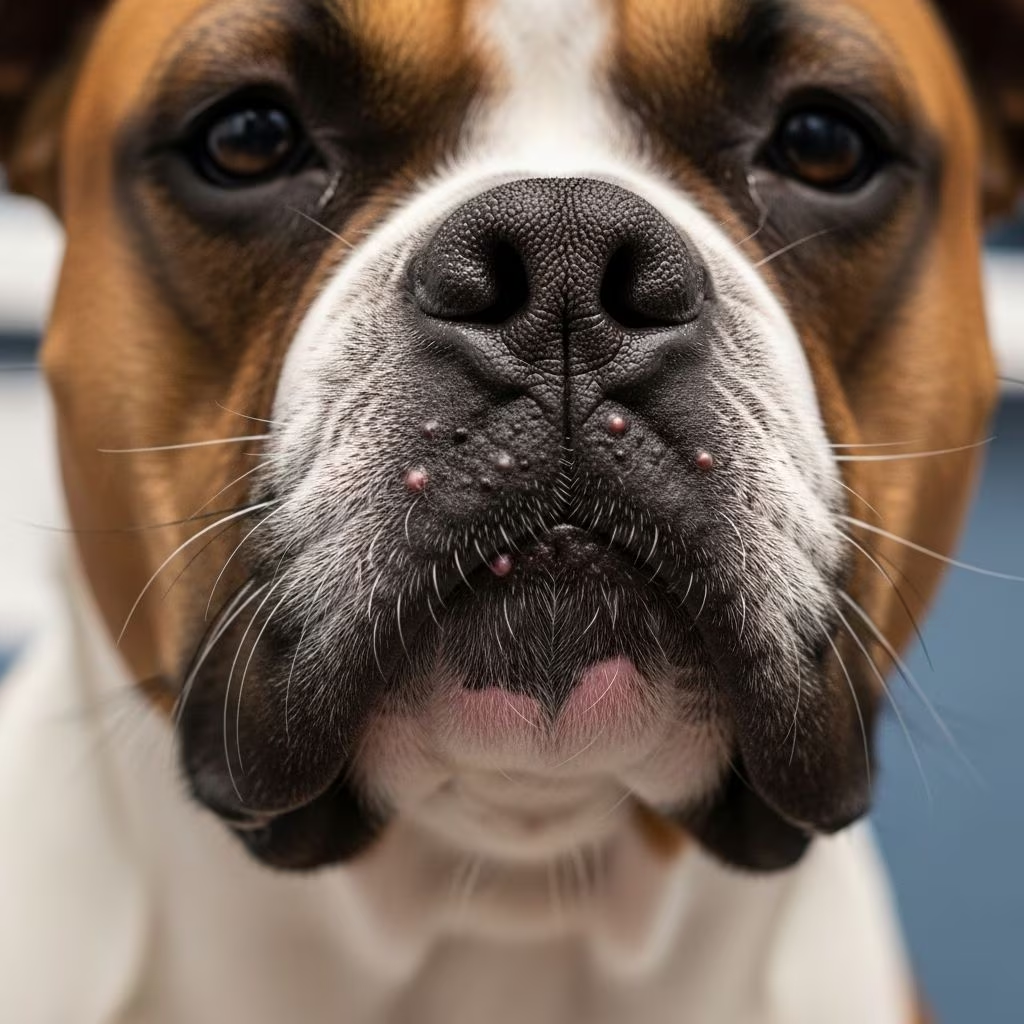
Dogs can develop acne similar to humans, often appearing as small bumps or pimples primarily on the chin, lips, or muzzle. This condition arises from blocked hair follicles and can range from mild irritation to painful infections if untreated.
Recognizing the Signs of Dog Acne
Early detection helps manage canine acne effectively. Common indicators include small red papules, whiteheads, blackheads, or pus-filled pustules concentrated around the mouth area. In advanced cases, lesions may ulcerate, ooze discharge, or cause noticeable pain and swelling. Dogs might rub their face excessively or show discomfort during meals due to irritated skin.
- Red, inflamed bumps on the chin or lips
- White or black pustules
- Crusts or scabs from scratching
- Swelling or tenderness in affected areas
- Occasional hair loss around lesions
These symptoms typically affect young dogs during puberty but can occur at any age, especially in predisposed breeds.
Primary Triggers Behind Canine Skin Bumps
Several factors contribute to the development of acne in dogs, often involving a mix of environmental, genetic, and physiological elements. Excess sebum production clogs follicles, trapping dead skin cells and debris.
Overactive Sebaceous Glands
Sebaceous glands produce oil to protect the skin, but overproduction leads to greasy buildup. This is common in puppies as hormones surge during growth.
Bacterial and Fungal Involvement
Bacteria like Propionibacterium acnes or Staphylococcus pseudintermedius thrive in blocked pores, causing inflammation. Secondary yeast infections, such as Malassezia dermatitis, can exacerbate the issue.
Physical Trauma and Irritants
Rough play, rubbing against hard surfaces, or contact with plastic bowls irritates the skin, damaging follicles and inviting infection. Short-muzzled breeds like Boxers and Bulldogs are particularly susceptible due to skin folds.
| Common Causes | Description | At-Risk Groups |
|---|---|---|
| Clogged Follicles | Oil and debris block pores | All ages, esp. puppies |
| Genetics | Breed predisposition | Boxers, Bulldogs, Rottweilers |
| Trauma | Scratching or rubbing | Active or playful dogs |
| Infections | Bacterial/yeast overgrowth | Dogs with poor hygiene |
Underlying Health Factors
Allergies to food or environment, hormonal imbalances like Cushing’s disease, or parasites such as demodex mites can manifest as acne-like bumps. Abnormal keratinization, where skin cells fail to shed properly, also plays a role in chronic cases.
Effective Strategies for Managing Dog Acne
Treatment focuses on cleaning the skin, reducing inflammation, and addressing infections. Always consult a veterinarian before starting any regimen to rule out serious conditions.
Topical Therapies
Benzoyl peroxide is a cornerstone treatment, flushing follicles and combating bacteria. Use vet-recommended shampoos, wipes, or gels at 2-3% concentration, applied 1-2 times daily. Other options include chlorhexidine cleansers or retinoids for stubborn cases.
- Benzoyl peroxide: Clears debris, antibacterial
- Medicated wipes: Quick daily cleansing
- Hypoallergenic shampoos: Gentle oil removal
Systemic Medications
For severe infections, oral antibiotics (e.g., cephalexin) or antifungals are prescribed for 2-3 weeks. Anti-inflammatories or short-term steroids reduce swelling, but monitor for side effects like gastrointestinal upset.
Supportive Home Care
Switch to stainless steel bowls to minimize irritation. Gently clean the muzzle daily with warm water and approved wipes. Use an Elizabethan collar (e-collar) to prevent licking or rubbing during healing. Regular grooming prevents debris buildup, and diets formulated for sensitive skin support coat health.
Preventive Measures for Clear Skin
Proactive steps reduce recurrence. Maintain hygiene by wiping the face after meals and baths. Behavioral adjustments, like discouraging rough play on dirty surfaces, help.
- Daily face cleaning routine
- Stainless steel or ceramic bowls
- Hypoallergenic bedding, washed weekly
- Nutraceuticals with omega-3s for skin health
- Breed-specific monitoring for at-risk dogs
Dietary changes, such as novel protein foods, address potential allergies. Supplements like fish oil promote balanced sebum production.
When to Seek Professional Help
Not all bumps are acne; persistent, bleeding, or spreading lesions warrant a vet visit. They may perform skin scrapes, cytology, or biopsies to diagnose demodicosis, allergies, or tumors. Early intervention prevents scarring and chronic issues.
Frequently Asked Questions (FAQs)
Can all dogs get acne?
Yes, though young dogs and certain breeds like Boxers are more prone. It’s not contagious.
Is benzoyl peroxide safe for dogs?
When diluted appropriately and vet-approved, yes. Avoid human products due to strength.
How long does treatment take?
Mild cases clear in 1-2 weeks; chronic ones may need ongoing management.
Does diet affect dog acne?
Yes, allergies or poor nutrition can contribute. Sensitive skin formulas help.
Can acne scar my dog?
Untreated infections may cause permanent marks, so prompt care is key.
Long-Term Skin Health for Your Dog
Beyond acne, holistic care ensures vibrant skin. Routine vet check-ups, balanced nutrition, and parasite prevention form the foundation. Monitor for changes, as skin reflects overall health.
References
- Dog Acne – PetMD — PetMD. 2023. https://www.petmd.com/dog/conditions/skin/c_dg_acne
- Understanding and Treating Dog Acne — Park Veterinary Hospital. 2024. https://parkvet.net/blog/dog-acne/
- Pimple-Like Bump on Your Dog? Dog Acne Symptoms & Treatment — Purina. 2023. https://www.purina.com/articles/dog/health/skin-fur-ears/dog-acne-pimples
- Understanding and Treating Dog Acne — Ten West Bird & Animal Hospital. 2024. https://www.tenwestvet.com/blog/understanding-and-treating-dog-acne/
- Dog Acne: Causes, Symptoms, and Treatment — WagWalking. 2024. https://wagwalking.com/condition/acne
- Acne in Dogs (Canine Acne) — VCA Animal Hospitals. 2023. https://vcahospitals.com/know-your-pet/acne-in-dogs



