

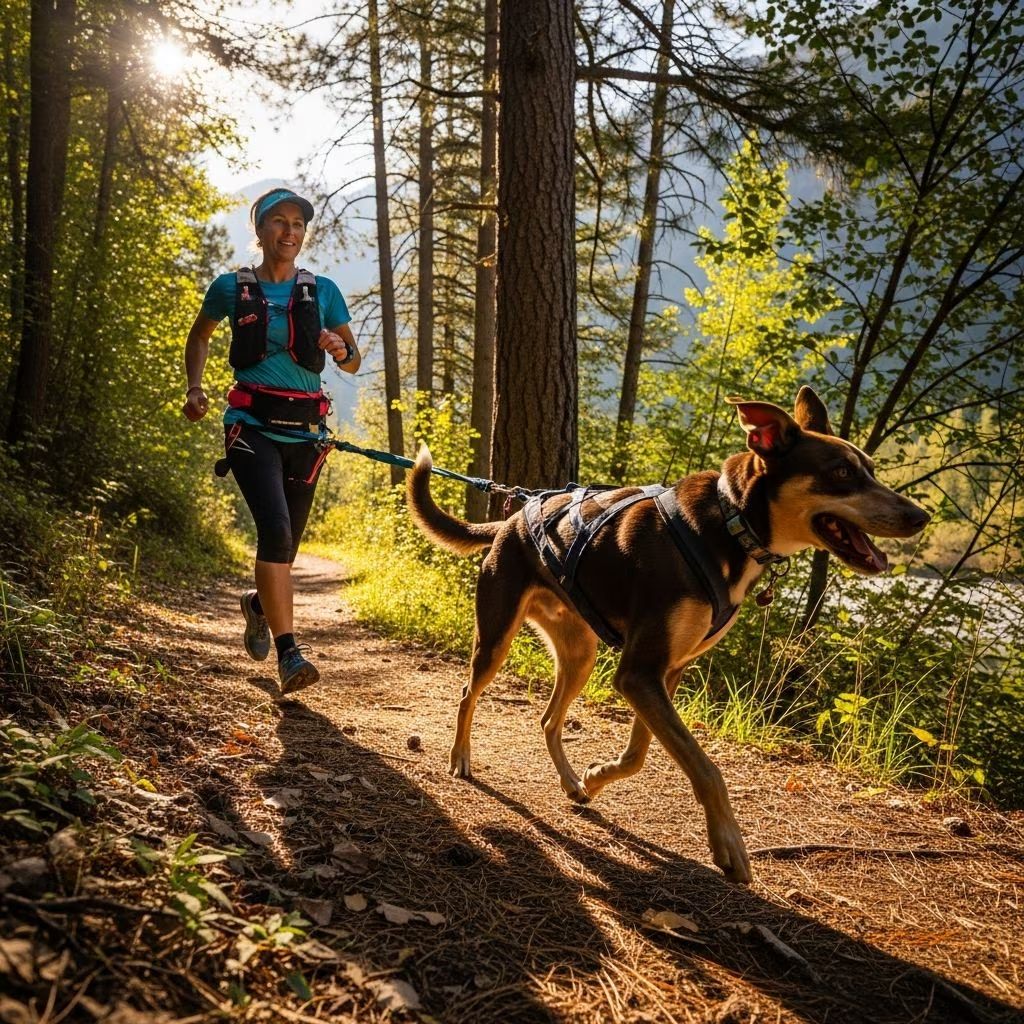
Canicross blends the excitement of trail running with the joy of partnering with your dog, creating a unique activity that boosts fitness for both human and canine participants. This hands-free running sport uses specialized gear to let dogs pull their owners across varied terrains, fostering teamwork and endurance.
The Origins and Rise of Canicross
Developed in Europe as an off-season training method for sled dogs, canicross allowed mushing enthusiasts to keep their huskies and malamutes in peak condition during summer months when snow was absent. Originating in Scandinavia and Northern Europe, it evolved from dryland mushing practices, where dogs pulled handlers instead of sleds.
The term “canicross,” short for canine cross-country, was coined in France, with the first organized race held in Paris. By 2008, the sport gained prominence at the UK’s Crufts dog show, drawing over 100 participants and marking its expansion beyond sled dog circles.
Today, canicross thrives across Europe, the UK, and growing scenes in the US through organizations like Canicross USA. Governing bodies such as the International Canicross Federation and European Canicross Federation standardize rules, promoting safe competition formats typically spanning 5K to 10K distances.
Essential Gear for Safe Canicross Sessions
Proper equipment is crucial for comfort and safety in canicross. Unlike regular leashes, setups prioritize pulling mechanics without straining necks or waists.
- Dog Harness: A padded, non-choke harness distributes pull force across the chest and shoulders, ideal for breeds of all sizes.
- Runner’s Belt: A wide, padded waist belt with shock-absorbing bungee line attachment allows hands-free running and smooth energy transfer.
- Bungee Leash/Line: Elastic cord (1.5-2.5 meters) absorbs jolts, preventing joint stress during bursts of speed.
- Optional Extras: Trail shoes for uneven ground, water bottles, and poop bags for responsible trail use.
Invest in quality gear from reputable canine sports suppliers; avoid collars or retractable leashes, which can cause injury.
Choosing the Perfect Dog for Canicross
While originally for high-drive sled breeds like Siberian Huskies or Alaskan Malamutes, modern canicross welcomes all healthy dogs over 12-18 months old. Energetic breeds such as Labrador Retrievers, Border Collies, and Vizslas excel, but smaller dogs like Jack Russell Terriers can thrive with adjusted pacing.
| Breed Type | Suitability | Key Traits |
|---|---|---|
| Sled Dogs (e.g., Husky) | Excellent | High stamina, natural pullers |
| Herding (e.g., Collie) | Very Good | Agile, responsive to cues |
| Sighthounds (e.g., Whippet) | Good | Speedy, but monitor endurance |
| Mixed/Small Breeds | Fair to Good | Fun with shorter runs |
Assess your dog’s fitness via vet check; puppies and seniors may need modified activities.
Step-by-Step Training Guide for Beginners
Build foundations gradually to ensure enjoyment and prevent burnout.
- Leash Etiquette: Practice loose-leash walking, ignoring distractions like other dogs or people.
- Introduce Gear: Let your dog wear the harness indoors, rewarding calm behavior.
- Short Walks to Runs: Start with 10-minute brisk walks on flat paths, progressing to jogs over weeks.
- Trail Introduction: Use easy trails; teach voice commands like “gee” (right), “haw” (left), and “easy” (slow).
- Build Distance: Aim for 5K runs after 4-6 weeks, monitoring for fatigue signs like heavy panting.
Consistency is key—train 3-4 times weekly, incorporating rest days. Positive reinforcement with treats and praise strengthens the human-dog bond.
Health and Fitness Benefits for Dogs and Owners
Canicross delivers comprehensive workouts, enhancing cardiovascular health, muscle tone, and mental stimulation for both partners. Dogs gain stamina on challenging terrains, reducing obesity risks and behavioral issues from pent-up energy.
Owners benefit from increased calorie burn—up to 20% more than solo running due to the dog’s pull—improving their own endurance and posture via the belt system.
- Physical: Strengthens core, legs, and joints; improves flexibility.
- Mental: Builds focus, obedience, and confidence through commands.
- Bonding: Shared exertion deepens trust and communication.
Veterinarian oversight ensures suitability; conditions like hip dysplasia contraindicate participation.
Safety Protocols and Common Pitfalls to Avoid
Prioritize welfare with these guidelines:
- Run during cooler hours to prevent heatstroke; provide constant hydration.
- Inspect gear pre-run for frays or fit issues.
- Know your dog’s limits—watch for limping, excessive thirst, or disinterest.
- Use voice cues over tugs; never force pace.
- Follow trail rules: yield to hikers, clean up waste.
Common errors include rushing training, ignoring weather, or using improper gear, leading to strains. Start slow for long-term success.
Finding and Thriving in Canicross Events
Local clubs host non-competitive runs, while races offer categories by dog size/speed. US events via Canicross USA feature 5K-10K courses; Europe boasts championships.
To prepare: Log consistent training miles, study rules (e.g., start lines staggered by bib draw), and arrive early for check-in. Post-race recovery includes cooldown walks and massages.
Success metrics? Fun and fitness over wins—many participants note improved dog behavior at home.
Frequently Asked Questions (FAQs)
What age can my dog start canicross?
Dogs should be at least 12-18 months to allow full skeletal growth; consult a vet for breed-specific advice.
Can small dogs do canicross?
Yes, with shorter distances and slower paces; focus on fun over speed.
How often should we train?
3-4 sessions weekly, with rest days to recover.
What’s the cost to start?
Basic kit: $50-150 for harness, belt, and line—affordable entry to the sport.
Is insurance required for events?
Check organizer rules; personal pet insurance often covers activities.
Nutrition and Recovery for Peak Performance
Fuel runs with high-protein diets suited to active dogs: 25-30% protein, balanced fats for energy. Post-run, offer electrolyte-enhanced water and cooling treats.
Recovery routines include stretching, joint supplements (glucosamine), and massages to soothe muscles. Track progress with apps logging distance and heart rates for optimized plans.
Canicross transforms routine exercise into an adventure, promoting lifelong health and unbreakable bonds. Whether trailside or competitive, it’s a win for every team.
References
- The Sports Archives – Canine Cross Country Running — The Sports Archives Blog. 2014-03-07. https://thesportsarchivesblog.com/2014/03/07/the-sports-archives-canine-cross-country-running-one-of-europes-fastest-growing-sports/
- Canicross 101: The Ultimate Guide to Running With Your Dog — Sniffspot Blog. N/A. https://www.sniffspot.com/blog/dog-enrichment/canicross-guide-to-trail-racing-with-your-dog
- What is Canicross? Team GB athletes explain — Omny.fm Petersfield Stories. N/A. https://omny.fm/shows/petersfieldstories/what-is-canicross-team-gb-athletes-explain-this-human-canine-sport
- What Is Canicross? All You Need To Know — Neeva Dogs. N/A. https://www.neewadogs.com/pages/canicross
- How To Get Started In Canicross — American Kennel Club (AKC). N/A. https://www.akc.org/expert-advice/health/canicross-goes-beyond-running-with-dogs/
- Canicross | dog sport — Britannica. N/A. https://www.britannica.com/sports/canicross
- History – International Canicross Federation — Canicross International. N/A. https://canicross.international/?page_id=3643



