

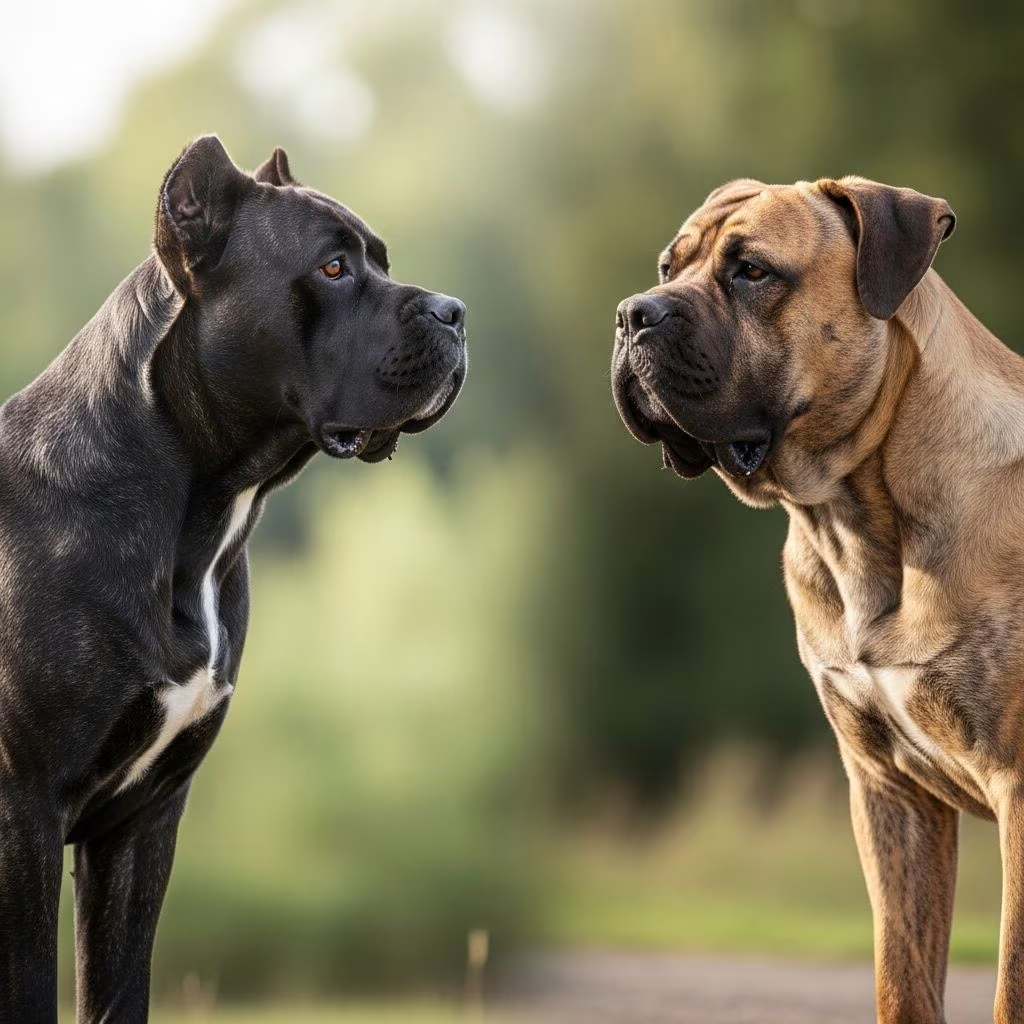
Mighty guardian dogs like the Cane Corso and Bandog often spark curiosity among enthusiasts. While both impress with their muscular builds and protective natures, they represent separate lineages with distinct characteristics. This article delves into their backgrounds, physical attributes, behaviors, training requirements, and lifestyle fits to clarify their differences.
Historical Foundations of These Guardian Types
The Cane Corso traces its roots to ancient Italy, where it served as a versatile working dog. Descended from Roman war dogs, it excelled in hunting large game like wild boars and bears, as well as guarding properties and herding livestock. Its name, derived from the Latin “cohors” meaning bodyguard, reflects its role in protecting Roman cohorts during battles. Over centuries, selective breeding preserved its athletic prowess and loyalty, making it a staple in Italian rural life until nearly facing extinction post-World War II. Dedicated breeders revived the breed, establishing formal standards through organizations like the Italian Kennel Club and later the American Kennel Club (AKC) in 2010.
In contrast, the Bandog—or Bandogge—emerges from a more fluid historical context. Originating in 17th-century England, the term “bandog” referred to chained guard dogs, typically Mastiff-types restrained to prevent wandering. These were not a standardized breed but crossbreeds designed for homestead protection, often mixing Mastiffs with bulldog-like breeds for enhanced tenacity. Modern American Bandogges, a contemporary iteration, commonly blend American Pit Bull Terrier, American Bulldog, and Mastiff bloodlines. This mix aims for amplified strength and agility, though lacking official breed recognition from major kennel clubs due to its hybrid nature.
Physical Profiles: Size, Build, and Appearance
Cane Corsos present a statuesque, imposing figure. Males stand 25 to 27.5 inches tall at the shoulder, females slightly shorter at 23.5 to 26 inches, with weights ranging from 88 to 110 pounds. Their short, dense coat comes in black, gray, fawn, or brindle, complemented by a broad head, pronounced stop, and powerful jaws. The build emphasizes balance: deep chest, straight back, and muscular limbs suited for endurance.
Bandogs tend toward even greater mass. American Bandogges measure 24 to 30 inches in height, with males weighing 70 to 120 pounds and females 60 to 100 pounds. Their coat is short and fine to dense, in colors like brindle, fawn, or black. Expect a bulkier frame with prominent musculature, angular features, and an athletic silhouette from Pit Bull influences, giving them a more agile yet robust presence compared to the Corso’s refined power.
| Attribute | Cane Corso | Bandog (Bandogge) |
|---|---|---|
| Height (inches) | 23.5–27.5 | 24–30 |
| Weight (pounds) | 88–110 | 60–120 |
| Coat | Short, dense | Short, fine-dense |
| Build | Muscular, balanced | Bulky, athletic |
Temperament Breakdown: Loyalty Meets Intensity
Cane Corsos embody quiet confidence. Courageous, loyal, and affectionate with family, they bond deeply, often seeking physical closeness like leaning or snuggling. Reserved with strangers, their protective instincts activate selectively, making them discerning guardians rather than reactive aggressors. They score average in child-friendliness, thriving with proper introductions, and maintain a low barking tendency.
Bandogs amplify protectiveness with higher energy. Loving and gentle toward known humans, they display energetic playfulness, alertness, and cheerfulness. Pit Bull genetics introduce a stronger prey drive, potentially heightening reactivity to small animals or novel stimuli. Sensitivity runs slightly higher, demanding consistent handling to channel their intelligence and gentleness effectively.
- Cane Corso strengths: Quiet demeanor, eager-to-please attitude, family devotion.
- Bandog strengths: Affectionate loyalty, social adaptability, vigilant guardianship.
Training and Socialization Imperatives
Both demand experienced handlers, but approaches differ. Cane Corsos prove highly trainable due to their intelligence and desire to please. Positive reinforcement works best; harsh methods backfire against their sensitive nature. Start socialization early—expose puppies to diverse environments, people, and animals to temper willful protectiveness. Daily mental challenges like obedience drills or scent work keep them engaged.
Bandogs require more structured regimens owing to variable genetics. Their moderate trainability stems from independence and strength; make them “earn” rewards (food, play) to establish leadership. Early, intensive socialization counters prey drive and reactivity—enroll in puppy classes and supervised playdates. Consistency prevents resource guarding or overprotectiveness.
Health, Maintenance, and Daily Routines
Lifespans hover around 9–12 years for both, with similar low-maintenance coats needing weekly brushing and occasional baths. Exercise mandates 1+ hours daily: walks, runs, or yard play to prevent boredom-induced issues like digging or vocalizing.
Health concerns overlap in giants like hip dysplasia, bloat, and heart conditions. Cane Corsos face eyelid issues (entropion); Bandogs inherit Pit Bull allergies or joint strains. Annual vet checks, balanced diets, and joint supplements aid longevity.
Adaptability varies: Corsos manage apartments with outlets; Bandogs prefer spacious homes.
Family Integration: Kids, Pets, and Living Spaces
Supervised, both can harmonize with children, their size necessitating gentle training to avoid accidental knocks. Corsos suit active families; Bandogs need vigilant oversight around toddlers due to exuberance.
Other pets? Early intros mitigate challenges—Corsos average compatibility; Bandogs’ prey drive demands caution.
Choosing Your Ideal Guardian Companion
Opt for Cane Corso if seeking predictability from a recognized breed with abundant reputable breeders. Ideal for experienced owners valuing trainability and apartment potential.
Bandog suits those embracing hybrid vigor, prioritizing raw power for rural settings, but brace for temperament variability.
Both excel as devoted partners for committed lifestyles.
Frequently Asked Questions
Are Cane Corsos and Bandogs the same breed?
No. Cane Corsos are a purebred with AKC standards; Bandogs are mixes without formal recognition.
Which is easier to train?
Cane Corsos, due to higher eagerness to please versus Bandogs’ moderate trainability.
Can they live in apartments?
Cane Corsos adapt better with exercise; Bandogs need more space.
Are they good with kids?
Yes, with supervision and training for both.
What exercise do they need?
At least 60 minutes daily of vigorous activity.
References
- Cane Corso vs. Bandog (Bandogge): Learn to Know the Difference — Hepper. 2023. https://articles.hepper.com/cane-corso-vs-bandog/
- Cane Corso vs American Bandogge Comparison — Dogell. 2024. https://dogell.com/en/compare-dog-breeds/cane-corso-vs-american-bandogge
- Cane Corso Breed Standard — American Kennel Club. 2025-01-15. https://www.akc.org/dog-breeds/cane-corso/



