

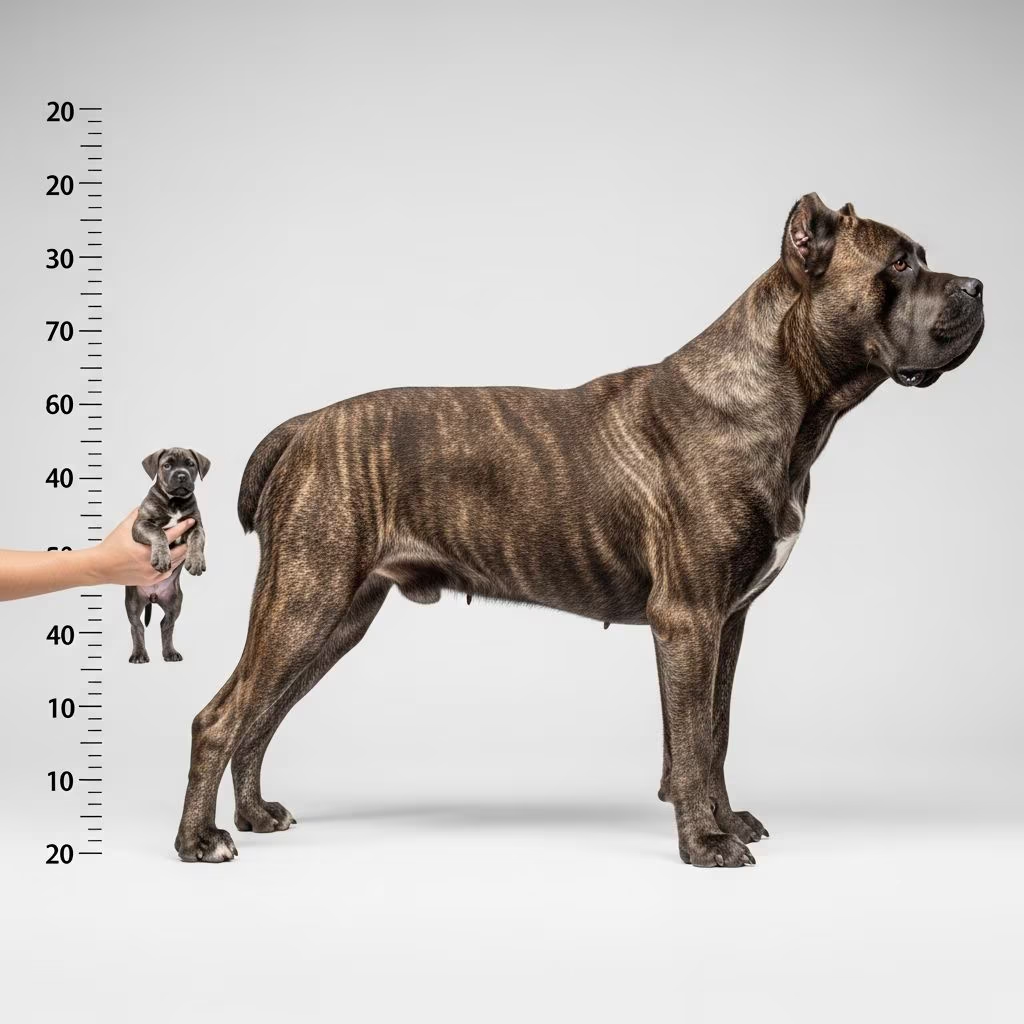
The Cane Corso, a majestic Italian mastiff-type breed, commands attention with its substantial build and athletic prowess. Males typically reach heights of 25 to 27.5 inches at the shoulder, while females measure 23.5 to 26 inches, with weights ranging from 88 to 110 pounds depending on gender and build. This guide delves into their physical dimensions, developmental milestones, and practical considerations for owning such a formidable companion.
Physical Build and Breed Standards
Cane Corsos embody power and grace, featuring a broad head, deep chest, and muscular frame that distinguishes them from other large breeds. According to breed standards, males stand 62-70 cm (24-27.5 inches) tall at the withers, weighing 45-50 kg (99-110 pounds), while females are slightly smaller at 60-64 cm (23.5-25 inches) and 40-45 kg (88-99 pounds). Their short, dense coat accentuates a sleek yet robust appearance, with a wrinkly forehead and substantial bone structure contributing to their imposing presence.
These dimensions make them ideal for guarding roles, as their size alone deters intruders. However, variations occur due to genetics, nutrition, and spaying/neutering, which can influence final stature. Reputable breeders adhere to standards set by organizations like the American Kennel Club (AKC), ensuring puppies grow into balanced adults.
Growth Trajectory from Puppy to Adult
Cane Corso puppies start small but experience rapid growth, doubling in size within the first few months. At 8 weeks, they weigh 10-15 pounds and stand about 12 inches tall. By 6 months, expect 60-80 pounds and 20-24 inches, reaching near-adult height by 12 months while continuing to fill out until 24-36 months.
| Age | Male Height (inches) | Male Weight (lbs) | Female Height (inches) | Female Weight (lbs) |
|---|---|---|---|---|
| 2 months | 14-16 | 15-25 | 13-15 | 12-20 |
| 6 months | 22-25 | 70-90 | 20-23 | 60-80 |
| 12 months | 24-27 | 95-110 | 23-26 | 85-99 |
| Adult (2+ years) | 25-27.5 | 99-110 | 23.5-26 | 88-99 |
This table provides approximate averages; individual growth depends on lineage and health. Monitor progress with regular vet check-ups to prevent over- or under-feeding, which can lead to joint issues in giant breeds.
Factors Affecting Mature Size
- Genetics: Parental sizes predict offspring; select breeders who provide health-tested pedigrees.
Diet: High-quality, large-breed puppy food formulated for controlled growth supports bone health without excess calories.- Neutering: Early procedures may slightly reduce height and weight; consult vets on timing.
- Health: Parasites or illnesses can stunt growth, so maintain deworming and vaccinations.
Males generally outsize females by 10-20 pounds, but exceptional lines produce larger specimens up to 120 pounds, though this risks health complications like hip dysplasia.
Comparing Cane Corso to Similar Breeds
| Breed | Height (inches) | Weight (lbs) | Key Difference |
|---|---|---|---|
| Cane Corso (Male) | 25-27.5 | 99-110 | Athletic build, agile guardian |
| Neapolitan Mastiff | 24-31 | 110-150 | Looser skin, less athletic |
| Rottweiler | 24-27 | 95-135 | Stockier, herding origins |
| Dogue de Bordeaux | 23-27 | 99-110 | More wrinkled, slower pace |
Cane Corsos strike a balance between power and agility, setting them apart from bulkier mastiffs.
Adapting Your Home for a Large Breed
Accommodating a Cane Corso requires forethought. Sturdy furniture withstands their enthusiastic greetings, while wide doorways and ramps aid mobility as they age. Outdoors, a 6-foot privacy fence is essential to contain their strength—standard 4-foot fences won’t suffice. Indoor space should allow free movement; cramped apartments are unsuitable.
- Install baby gates for puppies during house training.
- Provide orthopedic beds to support heavy frames.
- Opt for durable toys that resist powerful jaws.
Climate considerations matter: their short coat offers little insulation against extreme cold, necessitating coats in winter.
Nutrition Strategies for Optimal Growth
Large breeds like Cane Corsos demand calorie-dense, nutrient-balanced diets to fuel development without promoting obesity. Puppies require 3-4 meals daily until 6 months, transitioning to twice-daily adult feedings. Look for formulas with glucosamine for joints and controlled calcium levels (1.2-1.5%) to avoid skeletal issues.
Adults need 3-5 cups daily, adjusted for activity. Overfeeding leads to weight gain, straining hips; maintain lean body condition via portion control and treats under 10% of calories.
Exercise Demands of a Giant Guardian
These athletic dogs require 60-90 minutes of daily vigorous activity to channel energy. Long walks, runs, or hikes prevent boredom-induced destruction. Mental stimulation via puzzle toys or training sessions complements physical outlets.
Participate in sports like agility, tracking, or dock diving to engage their working heritage. Puppies under 18 months need controlled exercise to protect developing joints—no forced runs on hard surfaces.
Training Essentials for Powerful Pups
Intelligence and eagerness make Cane Corsos trainable, but their dominant nature demands firm, positive leadership from experienced owners. Begin socialization at 8 weeks, exposing them to diverse people, sounds, and animals. Obedience classes build impulse control, crucial given their size.
- Use reward-based methods: treats, praise for compliance.
- Teach boundaries early to curb protectiveness turning territorial.
- Practice recall in distractions to manage prey drive.
Without structure, they assume alpha roles, leading to challenges.
Health Implications of Size
Large stature predisposes Cane Corsos to hip dysplasia, bloat, and heart conditions. Annual radiographs screen for orthopedic issues, while gastropexy surgery prevents deadly GDV. Their 10-12 year lifespan benefits from weight management and joint supplements.
Family Compatibility and Lifestyle Fit
Selective with strangers, Cane Corsos bond deeply with families, excelling as protectors. Supervise around children due to size; early introductions foster gentleness. They tolerate other pets if socialized, but high prey drive suits single-dog homes best. Not ideal for novice owners or small spaces.
Frequently Asked Questions
How fast do Cane Corsos grow?
They gain 2-3 pounds weekly initially, nearing full height by 12 months and weight by 2 years.
Do Cane Corsos get along with kids?
With proper training and supervision, yes, but their power suits older children.
What’s the best food for Cane Corso puppies?
Large-breed formulas with balanced minerals for steady growth.
Can Cane Corsos live in apartments?
No, they need ample space and exercise.
How much do they drool?
Moderately, more during meals or excitement.
Choosing Your Cane Corso
Research breeders via AKC or breed clubs for health clearances. Rescue organizations offer adults with known temperaments. Commit to lifelong training and activity for a rewarding partnership with this loyal giant.
References
- Cane Corso Puppies – Petland Naples Florida — Petland Naples. Accessed 2026. https://www.petlandnaples.com/breeds/cane-corso-puppy/
- Cane Corso Breed Guide: Characteristics, History & Care — Pawlicy Advisor. Accessed 2026. https://www.pawlicy.com/blog/cane-corso-dog-breed/
- Is The Cane Corso Right For Me? — CaneCorso.org. Accessed 2026. https://www.canecorso.org/is-the-cane-corso-right-for-me.html
- Cane Corso — Wikipedia. Accessed 2026. https://en.wikipedia.org/wiki/Cane_Corso
- Cane Corso Dog Breed Information — American Kennel Club (AKC). Accessed 2026. https://www.akc.org/dog-breeds/cane-corso/



