

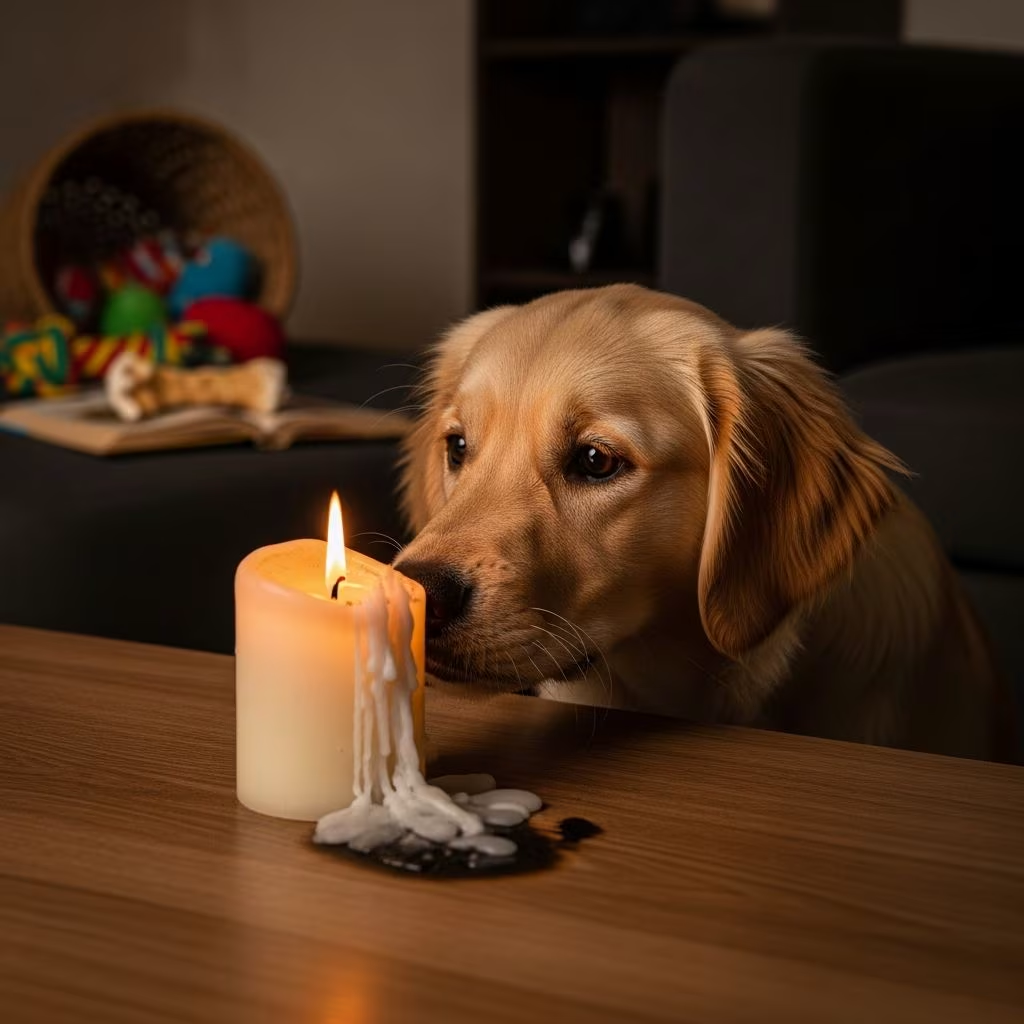
Many pet owners enjoy the warm glow and inviting scents of candles to create a cozy atmosphere in their homes. However, these everyday items can introduce unexpected hazards for dogs, whose sensitive systems react differently to common household elements. From chemical-laden fumes to physical risks, understanding these threats allows owners to make informed choices that prioritize their dog’s well-being.
Why Dogs Are Extra Sensitive to Candle Emissions
Dogs possess an extraordinary sense of smell, equipped with up to 300 million olfactory receptors compared to humans’ mere 6 million. This heightened detection makes them far more vulnerable to airborne particles released when candles burn. Smoke, synthetic fragrances, and volatile organic compounds (VOCs) can overwhelm their respiratory tracts, leading to irritation or more severe issues over time.
Besides olfactory sensitivity, dogs often have shorter snouts or pre-existing conditions that exacerbate exposure effects. Brachycephalic breeds like Bulldogs or Pugs, along with those suffering from allergies or asthma, face amplified risks from even minimal pollutants in the air.
Toxic Ingredients Lurking in Popular Candles
Not all candles are created equal when it comes to pet safety. Paraffin wax, derived from petroleum, dominates the market but releases toxic byproducts like toluene and benzene upon burning. These substances act similarly to pesticides, accumulating in a dog’s body and potentially raising cancer risks with prolonged exposure.
Scented varieties compound the danger through essential oils and synthetic phthalates. Oils such as tea tree, eucalyptus, pine, cinnamon, citrus, and peppermint are particularly hazardous. Inhaled or ingested, they can trigger poisoning symptoms including vomiting, diarrhea, seizures, and liver damage. Phthalates, used to enhance fragrance longevity, pose risks if licked from surfaces or inhaled as fumes, disrupting hormonal balance.
| Candle Type | Risk Level | Key Concerns for Dogs |
|---|---|---|
| Paraffin Wax | High | Toxic fumes, soot, carcinogens |
| Scented with Essential Oils | High | Poisoning, respiratory distress |
| Phthalate-Containing | High | Hormonal disruption, ingestion toxicity |
| Soy/Beeswax (Unscented) | Low | Minimal emissions if properly made |
Immediate Health Reactions to Watch For
Exposure to candle byproducts manifests quickly in observant owners. Common signs of respiratory irritation include watery eyes, excessive sneezing, coughing, wheezing, and nasal discharge. Allergic responses might present as intense itching, skin redness, hives, or paw licking.
More alarming indicators of toxicity or severe distress encompass lethargy, uncoordinated movements, vomiting, loss of appetite, and difficulty breathing. Dogs displaying pacing, whining, or hiding may signal stress from overwhelming scents. Prompt recognition prevents escalation, especially in vulnerable pups.
- Respiratory Signs: Coughing, sneezing, wheezing
- Allergy Indicators: Itching, watery eyes, hives
- Toxicity Symptoms: Vomiting, tremors, lethargy
- Behavioral Cues: Pacing, whining, avoidance
Beyond Fumes: Physical and Fire Threats
Candles extend dangers past inhalation. An open flame invites burns to curious noses or fur, particularly if a dog jumps or wags its tail near a low surface. Unattended candles amplify fire risks; a knocked-over votive can ignite bedding or curtains in seconds.
Ingestion poses choking hazards and internal blockages. Wax remnants, wicks, or packaging appeal to chewers, potentially leading to gastrointestinal obstruction. Battery-operated flameless options, while smoke-free, carry ingestion risks from small components that cause chemical burns if swallowed.
Safer Alternatives for Candle Lovers with Dogs
Opting for pet-friendly options transforms candle use without sacrificing ambiance. Unscented candles crafted from soy, beeswax, or vegetable waxes burn cleaner, emitting fewer toxins. These natural bases paired with cotton or wood wicks minimize soot and VOCs.
For fragrance enthusiasts, select products explicitly labeled pet-safe, avoiding known toxic oils. Ventilation is crucial—burn in well-aired rooms to dilute any emissions. Elevate candles on high shelves beyond jump reach, and extinguish before leaving the room.
Innovative substitutes include LED or battery-free flameless candles mimicking flicker without heat or smoke. Essential oil diffusers should be used sparingly, only with vet-approved scents like lavender in low concentrations, and never directly on pets.
Special Considerations for At-Risk Breeds and Health Conditions
Certain dogs warrant stricter precautions. Flat-faced breeds struggle with airflow, making any smoke irritant problematic. Those with bronchitis, allergies, or heart conditions absorb pollutants faster, potentially triggering acute episodes.
Puppies, seniors, and small breeds metabolize toxins less efficiently, heightening susceptibility. Owners of multi-pet homes or those with cats (similarly sensitive) should prioritize household-wide safety protocols to avoid cross-exposure.
Emergency Response: What to Do If Exposure Occurs
Suspected reactions demand immediate action. Move the dog to fresh air, extinguish the candle, and monitor symptoms. Mild irritation may resolve with rest, but persistent issues require veterinary consultation.
For ingestion or poisoning signs, contact a vet, Pet Poison Helpline, or ASPCA Animal Poison Control without delay. Provide details on candle type, exposure duration, and observed symptoms for tailored advice. Do not induce vomiting unless instructed.
Long-Term Strategies for a Pet-Safe Environment
Preventive habits ensure sustained safety. Regularly trim wicks to 1/4 inch for controlled burns reducing smoke. Choose U.S.-made products with transparent ingredient lists, favoring phthalate-free and natural compositions.
Integrate air purifiers with HEPA filters to capture particulates. Schedule vet check-ups to screen for cumulative effects in frequent-exposure homes. Educate family members on protocols, fostering a culture of caution around flames and scents.
FAQs: Common Questions on Candles and Dog Safety
Are soy candles completely safe for dogs?
Soy candles are safer due to cleaner burning, but unscented versions are best. Avoid those with synthetic fragrances or toxic oils to minimize risks.
Can candles cause allergies in dogs?
Yes, scents and smoke often trigger allergies, showing as itching, sneezing, or watery eyes. Switch to unscented for relief.
What if my dog eats candle wax?
Seek vet help immediately. Wax can block intestines, and scents may contain toxins. Call poison control for guidance.
Are flameless candles okay for pets?
They eliminate fire and smoke but secure batteries to prevent ingestion injuries.
Which essential oils are dog-safe?
Few are; consult a vet. Lavender or chamomile in dilution may work, but avoid tea tree, peppermint, and eucalyptus.
Creating Harmony: Balancing Ambiance and Pet Health
With mindful selections and habits, candle enjoyment coexists with canine companionship. Prioritizing natural materials, vigilant supervision, and symptom awareness safeguards your dog’s health amid home comforts. Small adjustments yield significant protection, allowing shared spaces free from hidden perils.
References
- Scented Candles: Are They Bad For Dogs? — GoodRx. 2023. https://www.goodrx.com/pet-health/dog/are-candles-bad-for-dogs
- Are Candles Bad For Dogs? — Rover.com. 2023. https://www.rover.com/blog/are-candles-bad-for-dogs/
- Are Scented Candles Safe around Your Dog? — Harlem Candle Co. 2023. https://www.harlemcandleco.com/blogs/journal/is-it-safe-to-burn-scented-candles-if-you-have-a-dog
- What Dog Owners Need to Know about Scented Candles and Oils — Doyalson Vet. 2023-03-09. https://www.doyalsonvet.com.au/2023/03/09/what-dog-owners-need-to-know-about-scented-candles/
- Are Candles Bad for Dogs? — Homesick. 2023. https://homesick.com/blogs/news/are-candles-bad-for-dogs
- Are Candles Safe for Pets? A Complete Guide — You Me and Emilio. 2023. https://www.youmeandemilio.com/blogs/my-business-story/are-candles-safe-for-pets-a-complete-guide-for-cat-dog-owners



