

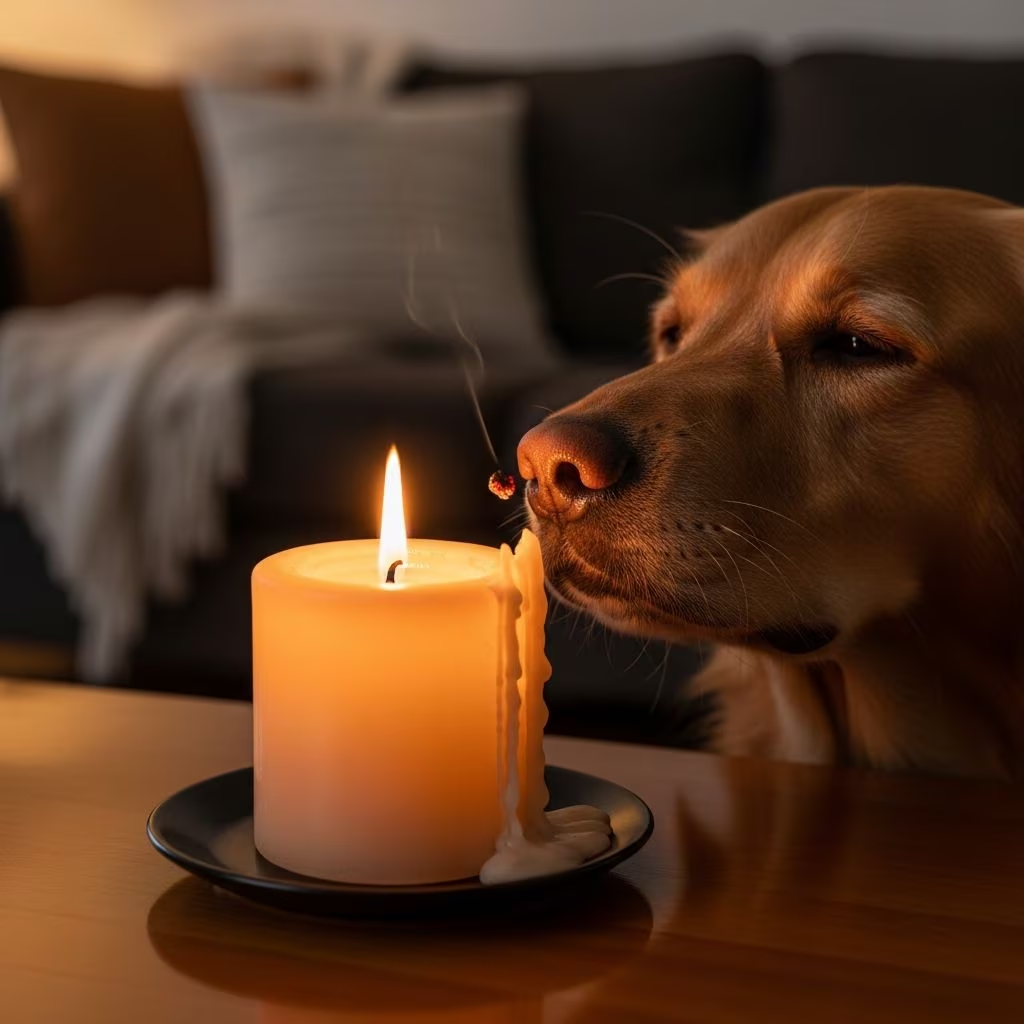
Dogs bring joy and companionship into our homes, but common household items like candles can inadvertently threaten their well-being. While candles create a cozy ambiance, their wax, wicks, fragrances, and open flames present multiple risks that pet owners must understand to keep their furry friends safe.
Why Dogs Are Extra Sensitive to Candle Emissions
A dog’s olfactory system is extraordinarily powerful, equipped with up to 300 million scent receptors compared to humans’ mere 6 million. This heightened sensitivity means even faint candle vapors can overwhelm their respiratory tract, leading to irritation or more severe issues. Burning candles release particulates and volatile organic compounds (VOCs) that linger in the air, potentially aggravating a dog’s delicate nasal passages and lungs.
Breeds with short snouts, such as Bulldogs or Pugs, face amplified dangers due to their anatomy, which already restricts airflow. Senior dogs or those with pre-existing conditions like allergies may react even to low-emission candles. Owners often overlook how prolonged exposure accumulates, subtly eroding respiratory health over time.
Toxic Ingredients Lurking in Common Candles
Not all candles are created equal; many contain substances harmful when inhaled or ingested by dogs. Paraffin wax, derived from petroleum, dominates the market but produces toxic soot and benzene upon burning—carcinogens that dogs readily absorb through their noses.
| Ingredient | Risk Level | Effects on Dogs |
|---|---|---|
| Paraffin Wax | High | Toxic fumes, respiratory irritation, soot inhalation |
| Essential Oils (e.g., Tea Tree, Eucalyptus) | High | Vomiting, diarrhea, liver damage if ingested or inhaled |
| Phthalates | High | Endocrine disruption, toxicity via licking |
| Naphthalene | High | Poisoning from fumes or ingestion |
| Lead-Core Wicks | High | Lead particles in air, banned in US but possible in imports |
Phthalates, synthetic fragrance stabilizers, can disrupt hormones, while naphthalene—found in some mothball-scented varieties—poses acute poisoning risks. Lead wicks, though prohibited domestically since 2003, persist in imports, releasing heavy metals into the home environment.
Respiratory and Allergic Reactions in Dogs
When candles burn, they emit ultrafine particles that penetrate deep into lungs. Dogs exhibiting coughing, sneezing, or watery eyes signal distress from these irritants. Chronic exposure may exacerbate bronchitis or trigger asthma-like episodes, particularly in vulnerable pups.
- Coughing or wheezing: Indicates airway inflammation from VOCs.
- Sneezing and nasal discharge: Allergic response to synthetic scents.
- Eye irritation: Redness or tearing from airborne chemicals.
- Lethargy or appetite loss: Systemic effects from toxin buildup.
For brachycephalic breeds or those with allergies, even premium candles warrant caution. Veterinary experts recommend air purifiers to mitigate particulates, ensuring cleaner indoor air.
Ingestion and Physical Hazards Beyond the Air
Curiosity drives dogs to investigate candles, leading to wax chewing or swallowing. Ingested paraffin can cause gastrointestinal blockages, while scented varieties introduce concentrated toxins like peppermint oil, provoking vomiting, seizures, or organ failure.
Open flames compound risks: playful knocks can ignite fur or fabrics, causing burns or house fires. Hot wax splatters scald skin, and knocked-over candles spread rapidly. Statistics from fire safety agencies highlight pets’ role in 10% of home fires annually, underscoring vigilance.
Spotting Trouble: Key Symptoms to Monitor
Prompt recognition averts escalation. Watch for these indicators post-candle use:
- Pacing, whining, or hiding—stress from overwhelming odors.
- Unsteadiness or tremors—neurological impact from toxins.
- Skin rashes or hives—contact dermatitis from residues.
- Excessive drooling or vomiting—ingestion reaction.
- Breathing difficulties—emergency respiratory compromise.
If symptoms appear, extinguish the candle, ventilate, and consult a vet. For ingestion, contact poison control immediately, providing candle details for tailored advice.
Choosing Safer Candle Alternatives for Pet Homes
Opt for non-toxic options to enjoy scents without peril:
- Soy or beeswax candles: Cleaner-burning, low-soot natural waxes.
- Cotton or wooden wicks: Avoid metal toxins.
- Unscented or pet-safe fragrances: Mild, natural blends like lavender (vet-approved).
- Electric warmers: Melt wax sans flame.
Ventilate rooms, trim wicks to 1/4 inch, and limit burn times. Place candles high, away from tails and jumps.
Practical Strategies for Candle Safety with Dogs
Implement these protocols:
- Supervise every burn session—never leave unattended.
- Use stable holders on elevated, non-flammable surfaces.
- Introduce scents gradually, observing reactions.
- Maintain airflow with fans or open windows.
- Select products labeled pet-friendly, verified by third parties.
For multi-pet homes, designate candle-free zones. Training commands like “leave it” prevents investigative nibbles.
Beyond Candles: Other Scented Products to Scrutinize
Diffusers, sprays, and plug-ins mirror candle risks, dispersing oils nebulized for deep inhalation. Aerosol fresheners deposit residues on fur, prompting grooming ingestion. Prioritize natural, diluted alternatives and vet consultation for therapeutic uses.
FAQs: Candle Concerns Addressed
Are all scented candles toxic to dogs?
No, but many are due to synthetic ingredients. Choose natural soy with safe scents.
What if my dog ate candle wax?
Seek vet care urgently; monitor for blockages or toxins.
Can candles cause long-term health issues in dogs?
Yes, chronic exposure links to respiratory disease and cancer risks from VOCs.
Are beeswax candles safe for sensitive dogs?
Often safer due to purification, but test reactions and ensure no additives.
How do I clean candle soot from my dog’s fur?
Gently bathe with pet shampoo; avoid human products.
Building a Pet-Safe Ambiance Without Compromise
Balancing home aesthetics with pet safety requires informed choices. By selecting quality materials, enforcing supervision, and heeding warning signs, owners safeguard their dogs’ health amid aromatic indulgences. Regular vet check-ups catch subtle impacts early, ensuring tails wag freely in a hazard-free haven.
References
- Are Candles Bad For Dogs? — Rover.com. 2023. https://www.rover.com/blog/are-candles-bad-for-dogs/
- Are Scented Candles Safe around Your Dog? — Harlem Candle Co. 2023. https://www.harlemcandleco.com/blogs/journal/is-it-safe-to-burn-scented-candles-if-you-have-a-dog
- What Dog Owners Need to Know about Scented Candles and Oils — Doyalson Vet. 2023-03-09. https://www.doyalsonvet.com.au/2023/03/09/what-dog-owners-need-to-know-about-scented-candles/
- Are Candles Bad for Dogs? — Homesick. 2023. https://homesick.com/blogs/news/are-candles-bad-for-dogs
- Are Candles Toxic for Your Pet? — Tomlinson’s Feed. 2023. https://tomlinsons.com/blogs/articles/are-candles-toxic-for-your-pet
- Fall Toxins for Your Pet to Avoid — BC SPCA. 2023. https://spca.bc.ca/news/fall-toxins-pets/



