

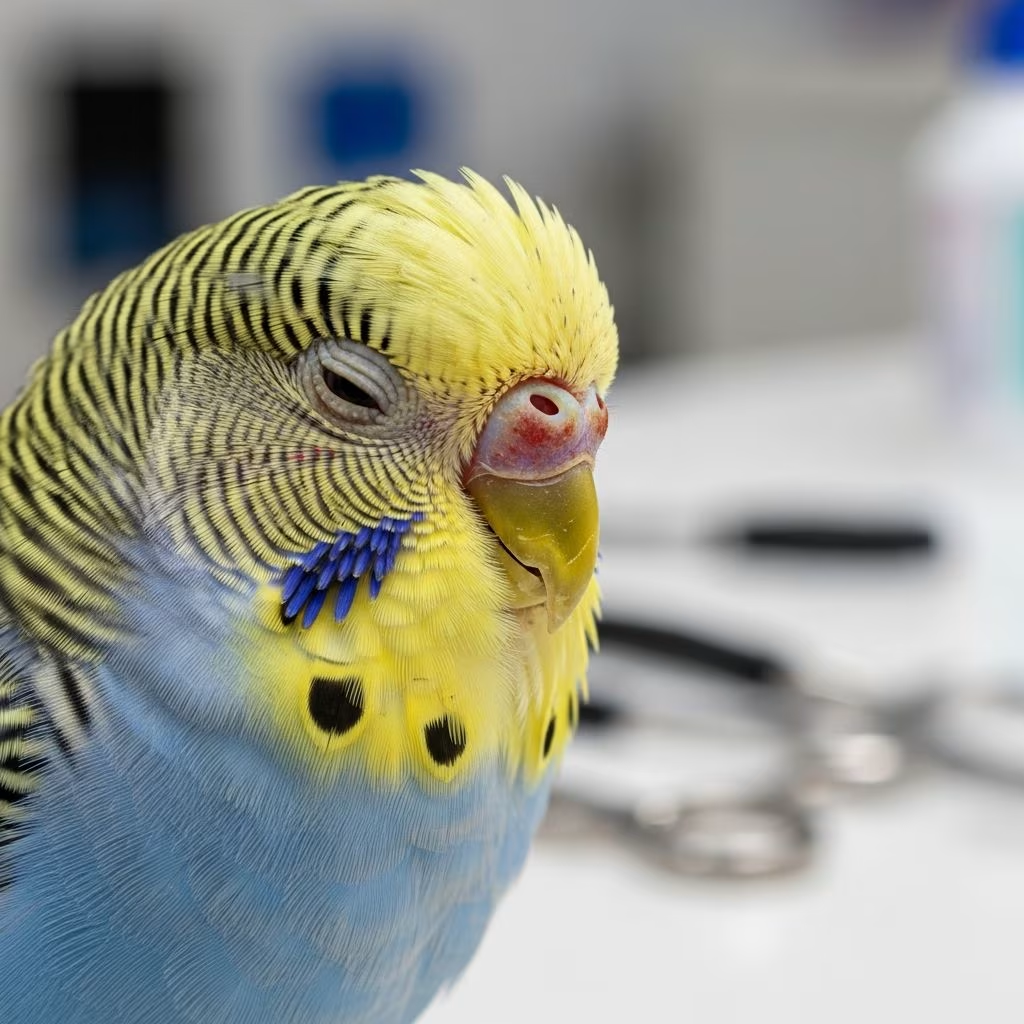
Candidiasis, a yeast infection triggered by Candida albicans overgrowth, commonly impacts the digestive tract of birds, turning a harmless resident fungus into a serious health threat under certain conditions. Pet bird owners must recognize early signs to ensure prompt veterinary intervention and recovery.
Understanding the Nature of Avian Candidiasis
This condition, also known as thrush or crop mycosis, arises when normal yeast populations in a bird’s upper gastrointestinal system proliferate unchecked. Factors like stress, poor nutrition, or antibiotic use disrupt the balance of beneficial bacteria, allowing the yeast to invade mucosal linings and cause inflammation. While primarily affecting the crop and mouth, severe cases can spread to other areas, complicating prognosis.
Birds of all species, from parrots to finches and poultry, are susceptible, with young or stressed individuals at highest risk. Maintaining ecological balance in the bird’s environment is crucial to suppress fungal growth naturally.
Recognizing Early Warning Signs
Observant owners can identify candidiasis through distinct behavioral and physical changes. Key indicators include:
- Lethargy and fluffed-up feathers, signaling discomfort or weakness.
- Loss of appetite or regurgitation of food, often accompanied by weight loss.
- Delayed crop emptying, leading to a distended, mucus-filled crop.
- White, cheesy lesions in the mouth, throat, or crop, resembling thrush patches.
- Diarrhea, slow growth in juveniles, or respiratory distress from obstructive lesions.
These symptoms overlap with other illnesses like vitamin deficiencies or pox, underscoring the need for professional diagnosis rather than self-treatment. For instance, oral plaques may mimic avian pox, but lab confirmation differentiates them.
Factors That Trigger Yeast Overgrowth
Several stressors predispose birds to candidiasis by altering gut flora:
| Risk Factor | Impact on Bird | Examples |
|---|---|---|
| Antibiotic Therapy | Kills beneficial bacteria, enabling yeast dominance | Prolonged use for bacterial infections |
| Poor Sanitation | Promotes fungal proliferation in environment | Dirty cages, moldy feed |
| Nutritional Deficits | Weakens immunity, especially vitamin A lack | Imbalanced diets |
| Stress and Overcrowding | Suppresses immune response | New birds, poor ventilation |
| Parasites or Concurrent Diseases | Compromises overall health | Worms, viral infections |
Addressing these root causes alongside treatment is essential for full recovery.
Veterinary Diagnosis: Confirming the Infection
Diagnosis begins with a thorough history, physical exam, and observation of clinical signs. Veterinarians may collect crop swabs or feces for microscopic exam and fungal culture, where heavy C. albicans growth confirms the issue—light presence in healthy birds is normal. Additional tests rule out differentials like bacterial infections or malnutrition. Early detection improves outcomes, as advanced cases lead to debilitation.
Effective Treatment Strategies
Once confirmed, treatment targets the yeast while managing predispositions. Common antifungals include:
- Nystatin (Mycostatin): Oral suspension, effective against gastrointestinal candida; dosed for 5-7 days.
- Ketoconazole (Nizoral) or Flucytosine (Ancoban): Systemic options for resistant cases.
- Chlorhexidine (Nolvasan): Added to water (1 ml per pint) for supportive disinfection.
Supportive care involves crop flushing for impacted birds, probiotics to restore gut balance, and halting unnecessary antibiotics. For chicks, frequent small feedings aid crop emptying. Veterinary oversight ensures proper dosing, as self-medication risks toxicity or incomplete eradication. Recovery timelines vary, but most birds improve within days if addressed promptly.
Long-Term Prevention for Vibrant Bird Health
Proactive measures form the cornerstone of prevention:
- Maintain Rigorous Hygiene: Clean cages, dishes, and waterers daily; disinfect with avian-safe products weekly.
- Provide Balanced Nutrition: Offer fresh, varied diets rich in vitamins; avoid moldy seeds.
- Minimize Stress: Ensure adequate space, ventilation, and quarantine new arrivals for 30-45 days.
- Use Probiotics Routinely: Boost gut flora, especially post-antibiotics.
- Schedule Vet Checkups: Annual exams detect issues early; limit antibiotics to necessities.
For poultry keepers, copper sulfate in water or products like Megamix help control pH and fungi. Consistent routines reduce recurrence significantly.
Special Considerations for Common Pet Bird Species
Parrots, canaries, and finches show species-specific responses. Parrots often present with regurgitation, while finches may exhibit respiratory signs. Baby birds require gentler interventions, like hand-feeding medicated formulas. Poultry face higher risks in flocks due to crowding, necessitating flock-wide monitoring. Tailor prevention to your bird’s needs for best results.
FAQs on Bird Candidiasis
Q: Can candidiasis spread between birds?
A: Yes, via contaminated food, water, or direct contact; isolate suspects immediately.
Q: How long does treatment last?
A: Typically 5-14 days, but complete the full course to prevent resistance.
Q: Is candidiasis fatal?
A: Rarely if treated early; advanced cases with obstruction have poor prognosis.
Q: Can diet alone cure it?
A: No, antifungals are required; diet supports recovery.
Q: What’s the role of probiotics?
A: They repopulate good bacteria, countering antibiotic-induced imbalance.
Monitoring Your Bird Post-Treatment
After therapy, track weight, appetite, and droppings daily. Resume normal activities gradually, continuing hygiene protocols. Recheck with your vet if symptoms persist or recur, as underlying issues may linger. High-quality care ensures your bird thrives long-term.
References
- Improved Aviculture Management May Prevent Candidiasis in Birds — University of Florida IFAS Extension. 1993 (authoritative veterinary extension resource). https://edis.ifas.ufl.edu/publication/VM031
- Candida Infections in Birds — VCA Animal Hospitals. Accessed 2026. https://vcahospitals.com/know-your-pet/candida-infections-in-birds
- Chicken Thrush – Candidiasis – Treatment and Prevention — Dine a Chook. Accessed 2026. https://www.dineachook.com.au/blog/chicken-thrush-candidiasis-treatment-and-prevention/
- Yeast Infection in Birds — PetMD. Accessed 2026. https://www.petmd.com/bird/conditions/digestive/yeast-infection-birds
- Candidiasis in Birds — MiDOG Test. Accessed 2026. http://www.midogtest.com/blog/candidiasis-in-birds/



