

Understanding Cancer in Dogs
Cancer is one of the most serious health concerns facing pet owners today. Just like humans, dogs can develop various types of cancer that affect different parts of their bodies. Understanding the signs, symptoms, and treatment options available can help you catch the disease early and make informed decisions about your dog’s care. Early detection and prompt veterinary intervention often lead to better outcomes and improved quality of life for your canine companion.
Most Common Types of Cancer in Dogs
Several types of cancer frequently affect dogs, each with distinct characteristics and treatment approaches. Knowing which cancers are most prevalent can help you recognize potential warning signs in your own pet.
Lymphoma
Lymphoma stands as one of the most common cancers diagnosed in dogs, accounting for a significant percentage of canine cancer cases. This cancer affects the lymph nodes and lymphatic system, which are crucial components of the immune system. The disease typically manifests through enlargement of the lymph nodes, lethargy, and unexplained weight loss. The encouraging news is that lymphoma responds well to chemotherapy, making it one of the more treatable forms of canine cancer. Dogs receiving appropriate chemotherapy treatment often experience extended remission periods and improved quality of life.
Osteosarcoma (Bone Cancer)
Osteosarcoma is the most common type of bone cancer in dogs and is particularly prevalent in larger and giant breed dogs. This highly aggressive cancer typically affects the bones of the limbs, causing lameness and visible swelling. Dogs with osteosarcoma often experience significant pain and difficulty moving. Treatment typically involves surgical intervention, frequently requiring limb amputation combined with chemotherapy or radiation therapy. While amputation may seem severe, many dogs adapt remarkably well and enjoy active, pain-free lives following the procedure.
Mast Cell Tumors
Mast cell tumors represent the most common skin cancer in dogs and can appear as lumps or bumps on or beneath the skin. These tumors vary widely in their behavior, ranging from relatively benign to highly aggressive forms. Early detection through regular skin examinations is essential for optimal outcomes. Treatment usually begins with surgical removal of the tumor, and depending on the tumor’s characteristics, additional therapies such as radiation, chemotherapy, or targeted therapy may be recommended. Many dogs live long, happy lives after successful treatment of mast cell tumors.
Melanoma
Melanoma can occur either on the skin or in the oral cavity, with oral melanomas being particularly aggressive and malignant. Dogs with oral melanoma often display symptoms associated with dental disease, including bad breath, difficulty eating, and decreased appetite. Bleeding or unusual masses in the mouth should prompt immediate veterinary attention. Treatment for oral melanoma typically involves aggressive surgery combined with radiation and chemotherapy to achieve the best possible outcomes.
Mammary Gland Carcinoma
Mammary gland cancer is significantly more common in unspayed female dogs, as hormones like estrogen and progesterone play crucial roles in both normal mammary development and cancer formation. Spaying dogs early in life substantially reduces the risk of developing this type of cancer. Regular examination of the mammary glands can help detect tumors at earlier, more treatable stages. Treatment often involves surgical removal of affected tissue and may be combined with chemotherapy depending on the tumor’s stage and characteristics.
Hemangiosarcoma
Hemangiosarcoma is a cancer of the blood vessels that can develop in various locations throughout the body, including the spleen, heart, and liver. This aggressive cancer often goes undetected until it reaches advanced stages because internal tumors don’t produce visible external signs. Dogs may suddenly collapse or show signs of internal bleeding. Treatment options include surgery to remove affected organs when possible, combined with chemotherapy to address any remaining cancer cells.
Recognizing the Symptoms of Cancer in Dogs
Early detection of cancer significantly improves treatment outcomes and quality of life for affected dogs. While symptoms vary depending on the cancer type and location, knowing what to watch for can help you identify problems early. Many cancer symptoms are nonspecific, meaning they could indicate various health conditions, so professional veterinary evaluation is essential.
Visible and Physical Signs
The most noticeable cancer symptoms include lumps or bumps underneath the dog’s skin, new swelling, or wounds that fail to heal properly. You might observe persistent swelling on or under the skin, often not accompanied by pain. Swollen lymph nodes, particularly around the neck, jaw, or rear legs, warrant veterinary investigation. Any abnormal discharge from the eyes, mouth, ears, or rectum should also be evaluated by a veterinarian.
Behavioral and Systemic Symptoms
Cancer can cause significant behavioral changes and systemic symptoms affecting overall health. These include unexplained weight loss and decreased appetite, which may be the only visible signs of internal malignancy. You might notice increased lethargy or depression, reduced energy levels, and reluctance to exercise. Some dogs experience neurological symptoms such as seizures or head tilt. Changes in bathroom habits, including difficulty eliminating waste or changes in stool consistency, can indicate cancer affecting the digestive system.
Respiratory and Digestive Issues
Coughing or changes in breathing patterns may indicate lung cancer or cancer affecting the respiratory system. Similarly, vomiting and diarrhea can signal cancers affecting the digestive tract or internal organs. Abdominal distension or swelling may indicate tumors in the abdominal cavity. Difficulty eating, drooling excessively, or bad breath can point to oral cancers or tumors affecting the mouth and throat.
Other Warning Signs
Abnormal odors emanating from the mouth, ears, or any body part may indicate cancer or secondary infections. Unexplained bleeding that doesn’t stop, evidence of pain or discomfort, and exercise intolerance are also concerning symptoms. Any persistent or progressive changes in your dog’s health warrant veterinary evaluation.
Diagnosis of Canine Cancer
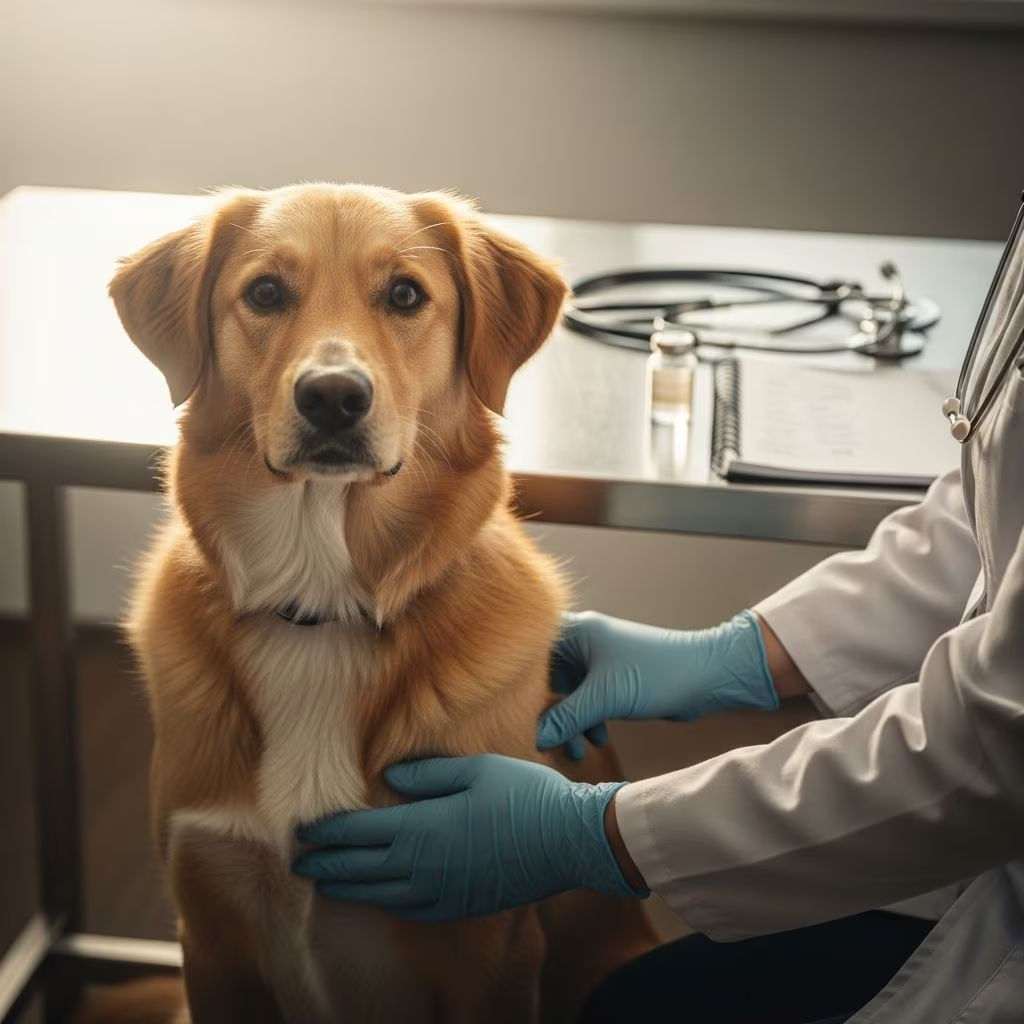
If you notice any concerning symptoms, schedule an appointment with your veterinarian immediately. Your vet will perform a thorough physical examination, carefully palpating your dog’s body to identify any lumps, bumps, or abnormal swellings. They will assess your dog’s overall condition, listen to their heart and lungs, and evaluate lymph nodes.
Diagnostic Testing
To confirm cancer diagnosis, veterinarians may recommend various tests: X-rays and ultrasounds provide detailed images of internal organs and tissues, helping identify tumors and assess their size and location. Blood tests can reveal abnormalities in blood cell counts and organ function. Biopsies involve collecting small tissue samples from suspicious areas for microscopic examination to determine whether cells are cancerous. Advanced imaging techniques like CT scans may be recommended for complex cases requiring detailed information about tumor extent and spread.
Treatment Options for Dog Cancer
Cancer treatment in dogs differs from human cancer treatment because the primary goal is maintaining quality of life rather than pursuing aggressive curative measures. Your veterinarian will consider multiple factors when developing a treatment plan, including your dog’s age, overall health status, cancer type, biological behavior of the tumor, and disease stage.
Surgery
Surgical removal of cancerous tumors remains the most common and often the most effective treatment approach, particularly when performed early. Surgeons work to remove as much cancerous tissue as possible while preserving surrounding healthy tissue. Complete surgical removal offers the best chance for recovery, especially for localized tumors that haven’t spread to other areas.
Radiation Therapy
Radiation therapy uses focused beams of radiation to kill cancer cells and shrink tumors. This treatment is particularly effective for certain cancer types and can be used alone or in combination with other therapies. Radiation is often recommended for tumors that cannot be surgically removed or to target remaining cancer cells after surgery. Multiple treatment sessions are typically required over several weeks.
Chemotherapy
Chemotherapy uses anti-cancer medications to kill rapidly dividing cancer cells. Common chemotherapy drugs used in veterinary oncology include carboplatin, cyclophosphamide, doxorubicin, vincristine, vinblastine, and others. The encouraging news is that dogs tolerate chemotherapy remarkably well compared to humans. They rarely experience severe nausea, and unlike humans, dogs do not lose their hair during treatment. Dosages are typically lower than human doses, minimizing side effects while maintaining therapeutic benefit.
Immunotherapy
Emerging immunotherapies harness the dog’s own immune system to fight cancer. These approaches include tumor-targeting antibodies, checkpoint inhibitors, anti-cancer vaccines, and adoptive cell therapies like CAR-T cells. Immunotherapy may be used alone or combined with conventional treatments to enhance effectiveness. While promising, availability and cost can currently limit access to these treatments, and responses vary depending on cancer type.
Combination Therapy
Some cancers respond best to multiple treatment approaches used together. Your veterinarian may recommend combining surgery, chemotherapy, and radiation therapy to achieve optimal results. However, treatment combinations must be carefully planned, as some therapies may interfere with each other. Your veterinary oncologist will develop a customized treatment plan tailored to your dog’s specific cancer type and overall health status.
Managing Side Effects and Supporting Your Dog’s Quality of Life
While cancer treatment can extend your dog’s life, managing side effects and maintaining quality of life remains paramount. The most common side effects of chemotherapy in dogs include decreased appetite, lethargy, vomiting, and diarrhea. Serious side effects such as bone marrow suppression and infections can occur but are less common. Your veterinarian will monitor your dog closely throughout treatment and adjust medications or dosages as needed to minimize adverse effects.
Supportive care is essential during cancer treatment. Ensure your dog receives balanced nutrition to maintain strength and support the immune system. Provide a comfortable, quiet resting area, and maintain a consistent routine to reduce stress. Monitor your dog’s behavior and appetite closely, reporting any concerns to your veterinarian promptly. Pain management is crucial for dogs experiencing discomfort, so don’t hesitate to discuss pain relief options with your veterinarian.
Prevention and Early Detection
While many cancers cannot be prevented, certain measures can reduce risk or improve outcomes through early detection. Regular veterinary check-ups allow your vet to identify potential problems early. Perform monthly skin examinations on your dog, feeling for any new lumps or bumps. Maintain a healthy weight through proper nutrition and regular exercise, as obesity has been linked to increased cancer risk. Consider spaying female dogs early in life to substantially reduce the risk of mammary cancer. Minimize exposure to environmental toxins and secondhand smoke when possible.
When to Call Your Veterinarian
Contact your veterinarian immediately if you notice any of the following: discovery of new lumps or bumps, persistent swelling that doesn’t resolve, wounds or sores that fail to heal, unexplained weight loss, behavioral changes, difficulty eating or swallowing, persistent coughing, abnormal discharge from body openings, or evidence of pain or discomfort. Remember that early intervention often makes a significant difference in outcomes.
Frequently Asked Questions About Dog Cancer
Q: What are the most common types of cancer in dogs?
A: The most common types include lymphoma, mast cell tumors, osteosarcoma (bone cancer), hemangiosarcoma (blood vessel cancer), melanoma, and mammary gland carcinoma. Each type presents different symptoms and requires different treatment approaches.
Q: What are early warning signs of cancer in dogs?
A: Early warning signs include discovery of lumps or bumps on or under the skin, unexplained weight loss, decreased appetite, lethargy, swollen lymph nodes, persistent coughing, vomiting, diarrhea, and behavioral changes. Any persistent or progressive changes warrant veterinary evaluation.
Q: How is cancer diagnosed in dogs?
A: Diagnosis typically involves a physical examination, X-rays or ultrasounds, blood tests, and biopsy of suspicious tissue. Your veterinarian may recommend additional imaging or testing depending on suspected cancer type and location.
Q: What are the main treatment options for dog cancer?
A: Primary treatment options include surgery to remove tumors, chemotherapy using anti-cancer medications, radiation therapy using focused radiation beams, and emerging immunotherapy treatments. Many cases benefit from combination therapy tailored to the specific cancer type.
Q: Do dogs lose their hair during chemotherapy?
A: No, with rare breed exceptions, dogs do not lose their hair during chemotherapy. Dogs also tolerate chemotherapy remarkably well and rarely experience severe nausea, making it a well-tolerated treatment option.
Q: Can cancer in dogs be cured?
A: Unfortunately, complete cure is difficult to achieve for many canine cancers. However, treatment can relieve symptoms, improve quality of life, extend survival time, and provide extended remission periods, particularly with early detection and appropriate treatment.
Q: What can I do to reduce cancer risk in my dog?
A: Maintain a healthy weight through proper nutrition and exercise, consider early spaying for female dogs, schedule regular veterinary check-ups for early detection, perform monthly skin examinations, minimize exposure to environmental toxins, and avoid secondhand smoke exposure.
Q: How often should I have my dog examined by a veterinarian?
A: Adult dogs should have annual veterinary check-ups, while senior dogs (over seven years old) benefit from check-ups every six months. These regular examinations allow early detection of health problems including cancer.
References
- Cancer in Dogs: Symptoms, Types, and Treatment — PetMD. 2024. https://www.petmd.com/dog/conditions/cancer/cancer-dogs-symptoms-types-and-treatment
- Cancer in Dogs: Types, Symptoms & Treatment — Hill’s Pet Nutrition. 2024. https://www.hillspet.co.nz/dog-care/healthcare/dog-cancer-symptoms-and-treatment
- Common Types of Cancer in Pets and What to Watch For — University of Wisconsin School of Veterinary Medicine. 2024. https://www.vetmed.wisc.edu/common-types-of-cancer-in-pets/
- Cancer in Dogs: Common Types, Symptoms, Diagnosis, and Treatment — OncoDaily. 2024. https://oncodaily.com/oncolibrary/cancer-in-dogs
- Cancer in Dogs: Signs, Symptoms, and Treatment — American Kennel Club. 2024. https://www.akc.org/expert-advice/health/cancer-in-dogs/
- Dog Cancer – Symptoms, Diagnosis & Treatment — Valley West Veterinary Clinic. 2024. https://www.valleywestvets.com/services/dogs/dog-cancer



