
Canary Care: Essential Guide To Housing, Diet, Health
Complete guide to canary care, diet, housing, and health for pet bird owners.
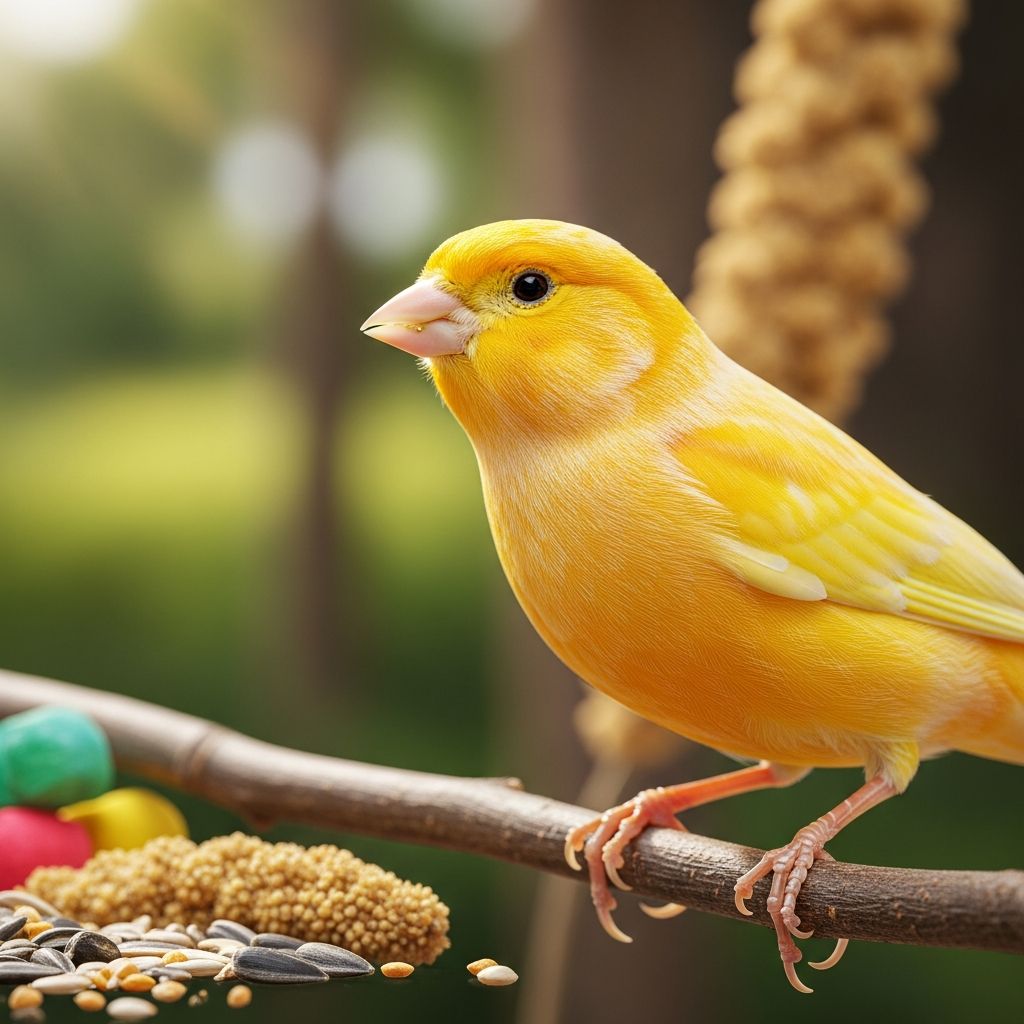
Understanding the Canary: A Centuries-Old Favorite
The canary has captivated bird enthusiasts and pet owners for hundreds of years, earning its place as one of the most beloved pet birds worldwide. This remarkable species has been selectively bred into more than 200 distinct breeds, a diversity that rivals the variety seen in domesticated dogs. From vibrant color canaries to melodious singing varieties, canaries offer unique personalities and charming characteristics that make them exceptional companions. Whether you’re a seasoned bird keeper or considering your first feathered friend, understanding the canary’s needs is essential for providing optimal care.
Canaries are lively birds known for their beautiful plumage and, in many cases, their enchanting songs. These small but spirited creatures bring beauty, serenity, kindness, and peace to their surroundings, making them ideal for households seeking a low-maintenance yet rewarding pet. With proper care and attention to their specific requirements, canaries can live well beyond a decade, with some living more than 14 years.
Canary Personality and Behavioral Characteristics
Canaries possess distinct personality traits that set them apart from other pet birds. They are predominantly “hands-off” pets, meaning they prefer observation and listening over constant handling and interaction. However, canaries can recognize their owners and develop a form of bond based on familiarity and routine rather than physical affection.
One of the most distinctive behavioral features of canaries is their singing ability. Male canaries are particularly known for their melodious and complex songs, which they typically perform during fall, winter, and spring months. During the summer molting season, singing may decrease significantly or stop entirely as the birds focus their energy on replacing their feathers. This natural cycle is completely normal and doesn’t indicate a health problem.
Canaries are territorial by nature, a characteristic that has significant implications for housing arrangements. Unlike some bird species that can cohabitate peacefully, canaries are solitary birds that do not tolerate being housed together. Attempting to house multiple canaries in the same cage typically results in territorial disputes and can be deadly. Each canary requires its own individual cage to remain healthy and stress-free.
Physical Characteristics and Sexual Dimorphism
Canaries display remarkable diversity in appearance, particularly regarding their coloration. The full plumage is most evident during fall and winter months when mature feathers have grown in and birds are physiologically prepared for mating season. Color canaries are categorized into two main groups based on their pigmentation patterns.
The melanin group includes canaries with brown, black, and other darker colorations, while the lipochrome group encompasses canaries with white, red, and yellow plumage. Male canaries typically possess more melodious and complex songs compared to females, making song quality a reliable indicator of sex in many cases, though visual confirmation requires careful observation of subtle physical differences.
White canaries have a higher dietary vitamin A requirement compared to other color varieties, necessitating careful attention to nutritional supplementation. Red and yellow canaries may benefit from color-enhancing foods containing natural pigments, though this is often optional for general health maintenance.
Housing Requirements: Creating the Perfect Environment
Proper housing is absolutely essential for maintaining a healthy and content canary. The cage serves as the bird’s primary living space, and its size, design, and features directly impact the canary’s physical and psychological well-being.
Cage Specifications
A canary requires a cage measuring at least 18 inches in both length and width. This minimum size provides adequate space for movement and flight, which is crucial for maintaining muscle tone and overall fitness. The cage bar spacing should be approximately 3/8 inch (approximately 1 centimeter) to prevent the bird from escaping or becoming trapped between bars.
Perches are vital components of the cage setup. The perch diameter should range from 5/8 to 3/4 inch (approximately 1 to 1.9 centimeters) in diameter, providing appropriate grip for the canary’s small feet. Natural wood perches are preferable as they maintain varying diameters and provide foot exercise. Perches should be positioned at varying heights within the cage to encourage movement and natural behavior.
Environmental Enrichment
Beyond basic cage requirements, enrichment items enhance the canary’s quality of life. A bird bath should be provided at least twice weekly to allow for natural bathing behavior, which is essential for feather maintenance and overall hygiene. Some canaries enjoy additional toys and foraging opportunities, though they require less intensive enrichment than some other bird species.
Environmental temperature is another critical factor. Canaries thrive at approximately 75°F (24°C), though they can be acclimated to somewhat colder temperatures with gradual adjustment. Consistent temperature and protection from drafts are important for preventing stress and illness.
Nutrition: Going Beyond Seeds
A common misconception among new canary owners is that simply filling a seed bowl provides adequate nutrition. This approach is fundamentally flawed and will not sustain a canary’s health long-term. Even seed mixes coated with vitamins and minerals fall short on complete nutrition because when a bird cracks and hulls the seed, the nutritional coating is lost, leaving only the nutritionally deficient interior.
The Foundation: Quality Pellets
All-seed diets are inherently deficient in critical vitamins and minerals, including vitamins A, D3, E, and K, certain amino acids, calcium, and other essential minerals. Over time, seed-only diets lead to vitamin A deficiency, poor feather quality, behavioral problems, and serious health complications. To ensure your canary receives complete nutrition, quality pellets should form the foundation of the diet.
Lafeber’s Premium Daily Pellets for Canaries were specifically developed to address these nutritional deficiencies. These pellets are crafted from high-quality natural ingredients including ground non-GMO corn, soybean meal, whole egg as a digestible protein source, and essential vitamins, minerals, and amino acids. Each pellet provides balanced nutrition, ensuring that your canary receives complete dietary requirements regardless of what individual pieces it may avoid. The pellets are appropriately sized for small canaries and can be offered as a complete diet or integrated with other dietary components.
Balanced Fatty Acids
Quality canary pellets contain balanced Omega 3 and Omega 6 fatty acids, which provide multiple health benefits. These essential fatty acids support immune system function, strengthen bones, and promote healthy feather development. The inclusion of natural flavoring and natural preservation methods ensures palatability without artificial additives.
Supplementary Foods
While pellets form the nutritional foundation, canaries benefit from dietary variety. Fresh fruits and vegetables should be offered regularly as supplements, providing additional vitamins, minerals, and enrichment value. Suitable options include leafy greens, carrots, apples, and berries, though certain foods should be avoided. A protein source such as egg food provides additional amino acids and supports overall health. Many canary owners find that their birds thrive on a combination of high-quality pellets, select seeds, fresh produce, and occasional egg food offerings.
Water and Specialized Needs
Fresh, clean water must be available at all times, as canaries have high water requirements and may die if water is withheld for more than 48 hours. While canaries do not require grit for digestion, they should be offered a cuttlebone to provide additional calcium and satisfy natural foraging behaviors. White canaries may require additional vitamin A supplementation beyond standard formulations, requiring consultation with an avian veterinarian for specific recommendations.
Health and Common Conditions
Understanding potential health issues helps canary owners recognize problems early and seek appropriate veterinary care. Canaries are susceptible to several parasitic conditions that require attention and treatment.
Mite Infections
Mite infections represent one of the most common health concerns in canaries. Several types of mites affect canaries differently:
Air-sac mites colonize the bird’s respiratory system, potentially causing breathing difficulties and wheezing. Scaly mites produce visible scaly buildup around the bird’s beak, eyes, and legs, creating a characteristic appearance. Feather mites infest the feathers themselves, while red mites are nocturnal parasites that feed on the bird’s blood during nighttime hours, causing irritation and potential anemia with severe infestations.
Prevention and Early Detection
Maintaining excellent cage hygiene, providing appropriate perches and environmental conditions, and regular health monitoring help prevent and identify problems early. An annual physical examination by an avian veterinarian is recommended for all pet canaries. Newly acquired birds should be quarantined for 30 days before introduction to existing birds or aviaries to prevent disease transmission. Canaries housed outdoors should receive poxvirus immunization to protect against this serious viral disease.
Basic Canary Physiology and Normal Values
Understanding normal physiological parameters helps owners recognize when their bird may be experiencing health issues. Canaries have a normal body temperature of 108°F (42°C) and a resting heart rate of approximately 274 beats per minute. Their respiration rate ranges from 60-80 breaths per minute, and typical body weight ranges from 12-30 grams depending on the breed variety.
Canaries possess a very high metabolic rate that is approximately 65% higher than non-passerine birds, requiring frequent food and water intake. Daily food consumption can reach up to 30% of body weight. Water requirements are substantial at 250-300 milliliters per kilogram of body weight daily. Their life expectancy typically ranges from 6-12 years, with some individuals living up to 15 years with exceptional care.
Breeding and Reproductive Information
For those interested in canary breeding, understanding reproductive biology is essential. Canaries typically reach puberty before one year of age. Breeding canaries normally have clutches containing 4 eggs for Type canaries (the most common varieties identified by body shape and appearance) and 4-7 eggs for Color canaries. Incubation requires approximately 12-14 days, and fledgling age (when birds leave the nest) occurs around 14 days. Weaning age is approximately 21 days.
Frequently Asked Questions
Q: Can canaries be housed together?
A: No, canaries are highly territorial birds and should never be housed together. Each canary requires its own individual cage, as housing them together typically results in deadly territorial conflicts.
Q: Why did my canary stop singing?
A: Canaries naturally decrease or stop singing during their summer molting season as they redirect energy toward growing new feathers. This is completely normal. If singing stops during other seasons or the bird shows other signs of illness, consult an avian veterinarian.
Q: Is a seed-only diet acceptable for canaries?
A: No, seed-only diets are nutritionally deficient and will lead to vitamin deficiencies, poor feather quality, and health problems. Quality pellets should form the foundation of the diet, supplemented with fresh fruits, vegetables, and occasional protein sources.
Q: What is the minimum cage size for a canary?
A: A canary requires a cage measuring at least 18 inches in both length and width. Larger cages are beneficial if space permits, as they provide more room for flying and movement.
Q: How often should I provide a bird bath?
A: A bird bath should be provided at least twice weekly to allow canaries to maintain proper feather hygiene through natural bathing behavior.
Q: How long do canaries typically live?
A: With proper care, canaries typically live 6-12 years, with some individuals living up to 15 years. Lifespan depends on genetics, diet, healthcare, and environmental conditions.
References
- Canary Personality, Food & Care – Pet Birds by Lafeber Co. — Lafeber Company. Accessed 2025-11-28. https://lafeber.com/pet-birds/species/canary/
- Basic Information Sheet: Canary — LafeberVet, Lafeber Company. Accessed 2025-11-28. https://lafeber.com/vet/basic-information-sheet-for-the-canary/
- Canary Pellets – Lafeber Company — Lafeber Company. Accessed 2025-11-28. https://lafeber.com/product/canary-pellets/
- Pet Canary Food – Lafeber Company — Lafeber Company. Accessed 2025-11-28. https://lafeber.com/pet-food/bird-species/canary/
- Canary Tropical Fruit Gourmet Pellets – Lafeber Company — Lafeber Company. Accessed 2025-11-28. https://lafeber.com/product/canary-tropical-fruit-gourmet-pellets/
Similar Articles








Read full bio of medha deb


