

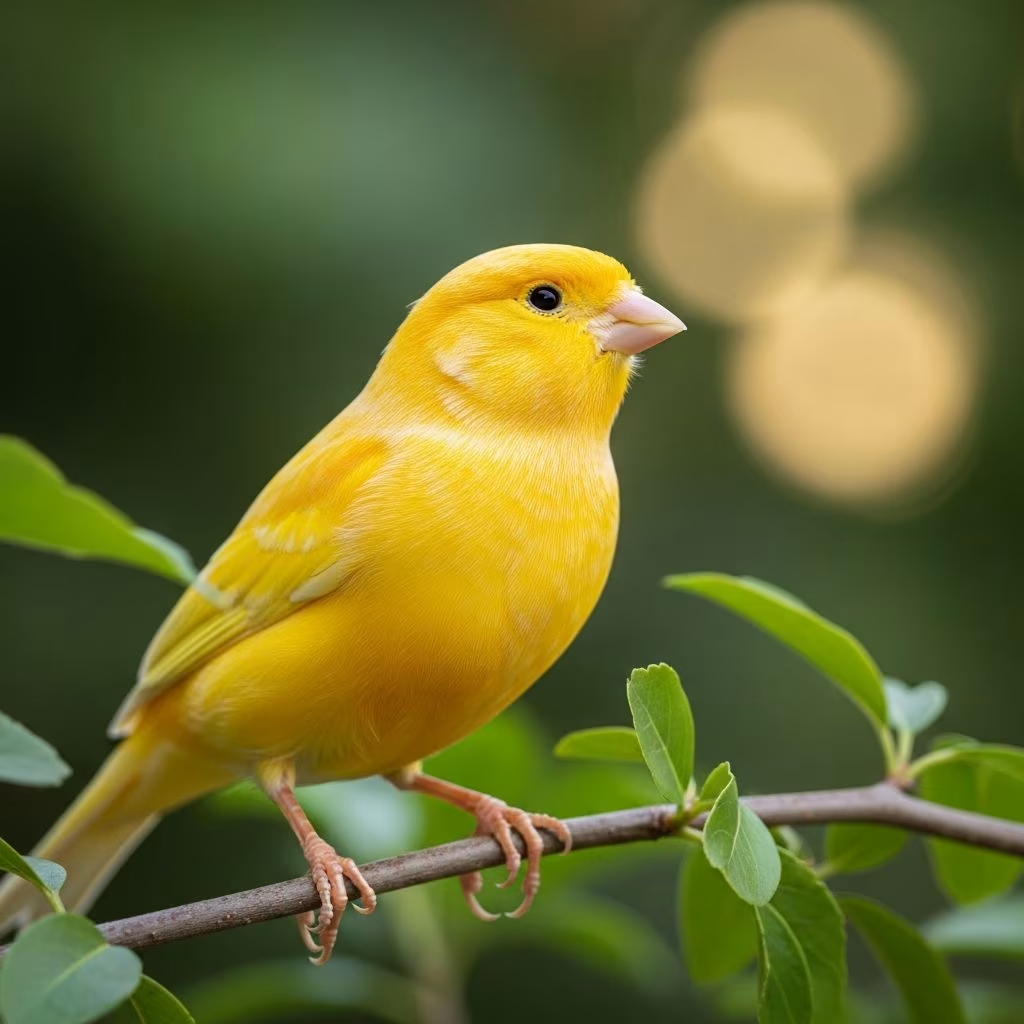
Canaries: General Care and Maintenance
Canaries are popular pet birds known for their beautiful plumage and melodious singing. These small, hardy birds can thrive in captivity when provided with proper care, appropriate housing, and a well-balanced diet. Whether you are a first-time canary owner or an experienced bird enthusiast, understanding the fundamentals of canary care is essential to ensuring your feathered companion lives a long, healthy, and fulfilling life. This comprehensive guide covers all aspects of canary ownership, from selecting the right cage to providing veterinary care.
Housing and Cage Requirements
Providing an appropriate living environment is the foundation of proper canary care. A single canary requires a cage that measures at least 20 inches wide by 24 inches long, with closely spaced bars to prevent injury and escape. The cage should be constructed from safe materials and positioned in a location that provides natural light while avoiding direct sunlight that could cause overheating.
Cage Setup and Accessories
The bottom of your canary’s habitat should feature a removable metal grate that allows droppings to fall below the bird’s feet. Line the tray beneath the grate with bird-specific cage paper or paper-based bedding to maintain cleanliness and minimize dust accumulation. This specialized bedding makes cleaning considerably easier and prevents messy situations when water is splashed onto the cage floor.
Canaries require adequate perching spaces for resting and exercise. Provide a variety of wooden perches in different diameters, strategically placed at varying heights throughout the cage. Natural wooden perches are ideal for maintaining foot health and promoting natural behavior. However, limit sandpaper perches to just one, as excessive sandpaper contact can damage your bird’s feet. You can also incorporate branches from outdoor sources such as fruit trees, maples, or willow, provided they have not been chemically treated or sprayed.
Lighting Requirements
Birds require exposure to ultraviolet (UV) light to produce vitamin D in their skin, which enables them to absorb dietary calcium from their food. Standard window glass filters out UV radiation, making placement next to an indoor window insufficient for your canary’s UV needs. Consider providing your canary with access to outdoor time in a secure enclosure or investing in a full-spectrum UV light designed for avian use.
Cleaning and Sanitation
Maintaining a clean habitat is crucial for preventing respiratory infections and other health issues in canaries. Daily spot-cleaning removes soiled material, discarded food, and other contaminants from the cage environment. Water and food bowls must be washed thoroughly each day to prevent bacterial growth and disease transmission.
Deep Cleaning Protocol
Perform a complete habitat cleaning at least once weekly, or more frequently if multiple canaries share the same cage. Follow these steps for thorough sanitation:
- Move your canary to a secure, separate environment such as a travel cage or temporary habitat in a different room
- Remove all substrate, bedding, toys, and accessories from the main cage
- Clean the entire cage and all accessories using a bird-safe habitat cleaner or a 3% bleach solution
- Rinse thoroughly with water to remove all traces of cleaning agents and bleach residue
- Allow the cage and all components to dry completely before reassembling
- Replace with fresh bedding and clean accessories before returning your canary to its habitat
Use only cleaning products formulated specifically for pet bird habitats, as canaries have sensitive respiratory systems vulnerable to aerosolized fumes from household cleaners. Replace perches, dishes, and toys when they become worn or damaged to maintain a safe and hygienic environment.
Nutrition and Feeding
A well-balanced diet is fundamental to your canary’s health, longevity, and vibrant plumage coloration. Canaries require high-quality seeds, fresh vegetables, and supplemental nutrition to meet their dietary needs.
Primary Diet Components
High-quality pellets combined with fresh fruits and vegetables provide a nutritionally complete foundation for your canary’s diet. Seeds should be offered as part of a varied diet but should not exceed 10% of total food intake, as excessive seed consumption can lead to nutritional imbalances. Millet spray can be offered as an occasional treat no more than a few times weekly.
Red-factor canaries, prized for their striking orange-red plumage, require specialized food or dietary supplements rich in beta-carotene to maintain their distinctive coloring. Beta-carotene is a naturally occurring pigment that enhances feather pigmentation when included in the diet.
Supplements and Minerals
Cuttlebone provides an accessible source of calcium, phosphorus, and other essential minerals critical for bone health and metabolic function. Replace cuttlebone every couple of months, as it absorbs environmental odors and tastes from cooking fumes and household smoke. Birds on seed-based diets may benefit from high-quality liquid or powdered supplements, though consult your veterinarian about appropriate supplementation for your specific bird.
Canaries do not require dietary grit for digestion, unlike some bird species, as they naturally remove seed shells before consuming the kernel.
Water and Hydration
Fresh, clean water is essential for all body functions in canaries. Water should be changed daily and kept at a lukewarm temperature for optimal palatability. Provide water in bowls, bottles, or fountains designed for bird use, ensuring these containers are positioned away from perches where they could become contaminated with droppings. Always refresh your canary’s drinking water at least once daily to maintain water quality and promote hydration.
Grooming and Personal Hygiene
Canaries maintain their feathers through natural preening behaviors, but owners can support their grooming needs through environmental management and professional care when necessary.
Bathing
Most canaries are natural self-groomers and will preen themselves when water is available. Provide water dishes large enough for your canary to bathe in, allowing them to splash and wash naturally several times weekly. For birds that do not regularly bathe themselves, gently mist them with lukewarm water from a clean spray bottle a few times weekly to maintain feather health and hygiene. Offer a small birdbath or bowl of fresh water every second day to encourage bathing behavior.
Wing Clipping
Canaries require regular flight for exercise and cardiovascular health. Their wings’ flight feathers should not be clipped, as flight is essential for proper physical conditioning and psychological well-being.
Nail Trimming
Nails require trimming as needed, with frequency varying from every few weeks to several months depending on wear and growth rate. To prevent injury, nail trimming should only be performed by trained professionals, avian veterinarians, or individuals with specific training in bird nail care. If bleeding occurs during trimming, apply styptic powder immediately to stop bleeding quickly.
Beak Maintenance
Most canaries maintain healthy beaks naturally through daily use and will not require professional trimming. However, underlying health conditions such as liver disease or trauma-related deformities may cause abnormal beak growth requiring evaluation by an avian veterinarian.
Environmental Enrichment and Toys
While canaries are less demanding than larger parrot species, they still benefit from environmental enrichment and mental stimulation. Unlike parrots that require numerous toys for cognitive engagement, canaries are satisfied with simpler enrichment options. Provide a single toy, branch, or mirror to keep your canary mentally active throughout the day, occasionally rotating these items with swings, bells, or wooden toys to maintain novelty and prevent boredom.
Veterinary Care
Professional veterinary care is an essential component of responsible canary ownership. Canaries should be examined by an avian veterinarian at least once annually to assess overall health status and address any emerging concerns.
Veterinary Examination Preparation
When transporting your canary to a veterinary appointment, use a secure transport cage that limits flying and falling to prevent injury. Protect the enclosure from temperature fluctuations and harsh weather conditions during transport. Bring photographs of your canary’s home cage setup, as well as packaging from all food items, treats, supplements, medications, and toys, to provide your veterinarian with comprehensive information about your bird’s living conditions and nutritional intake.
Common Health Considerations
Maintaining a clean environment and providing proper nutrition are the most effective preventive health measures for canaries. Keep cages clean to prevent respiratory infections, ensure proper UV light exposure for calcium metabolism, and provide high-quality nutrition tailored to your canary’s specific needs. Monitor your bird for signs of illness, including changes in behavior, appetite, or plumage appearance, and consult your veterinarian if you notice any concerning symptoms.
Housing Summary
| Aspect | Requirement |
|---|---|
| Minimum Cage Size (Single Canary) | 20 inches wide x 24 inches long |
| Bar Spacing | Closely spaced to prevent head entrapment |
| Bedding Type | Bird-specific cage paper or paper-based lining |
| Bedding Replacement | At least weekly, or more frequently with multiple birds |
| Perch Materials | Natural wood in varying diameters |
| Sandpaper Perches | Maximum one per cage |
| Water Accessibility | Fresh water available at all times |
| Water Replacement Frequency | Daily minimum |
Frequently Asked Questions
Q: How long do canaries typically live?
A: With proper care, canaries can live 10 to 15 years or longer, making them a long-term commitment for pet owners.
Q: Can multiple canaries be housed together?
A: While some canaries can coexist peacefully, many are territorial and prefer solitary housing. Consult with your veterinarian about compatibility before housing multiple canaries together.
Q: What temperature range is ideal for canaries?
A: Canaries thrive in temperatures between 65 and 75 degrees Fahrenheit. Avoid extreme temperature fluctuations and drafts from windows or air conditioning units.
Q: How can I encourage my canary to sing?
A: Canaries sing more robustly when provided with adequate light, proper nutrition, social interaction, and a comfortable living environment. Natural daylight cycles and consistent routines also promote singing behavior.
Q: What foods should I avoid feeding my canary?
A: Avoid avocado, chocolate, salt, caffeine, and fatty foods, which can be toxic to canaries. Additionally, ensure all fresh produce is thoroughly washed and free from pesticide residue.
Q: How often should I handle my canary?
A: Canaries are delicate birds that can be easily stressed by excessive handling. Most canaries do not enjoy being held and prefer to observe their owners from a distance. Allow your bird to acclimate gradually to your presence and handle only when necessary.
References
- Daily Care for My Canaries — The Martha Stewart Blog. 2019-02-01. https://www.themarthablog.com/2019/02/daily-care-for-my-canaries.html
- Canary Care Sheet — PetMD. 2024. https://www.petmd.com/bird/canary-care-sheet
- Canary Care 101 — Dockery Mobley Veterinary Hospital. 2022-05-30. https://www.dockerymobleyvets.com/site/blog/2022/05/30/canary-care
- Canary Care 101 — Southgate Animal Hospital. 2023-06-21. https://www.southgateanimalhosp.com/site/blog/2023/06/21/canary-care



