

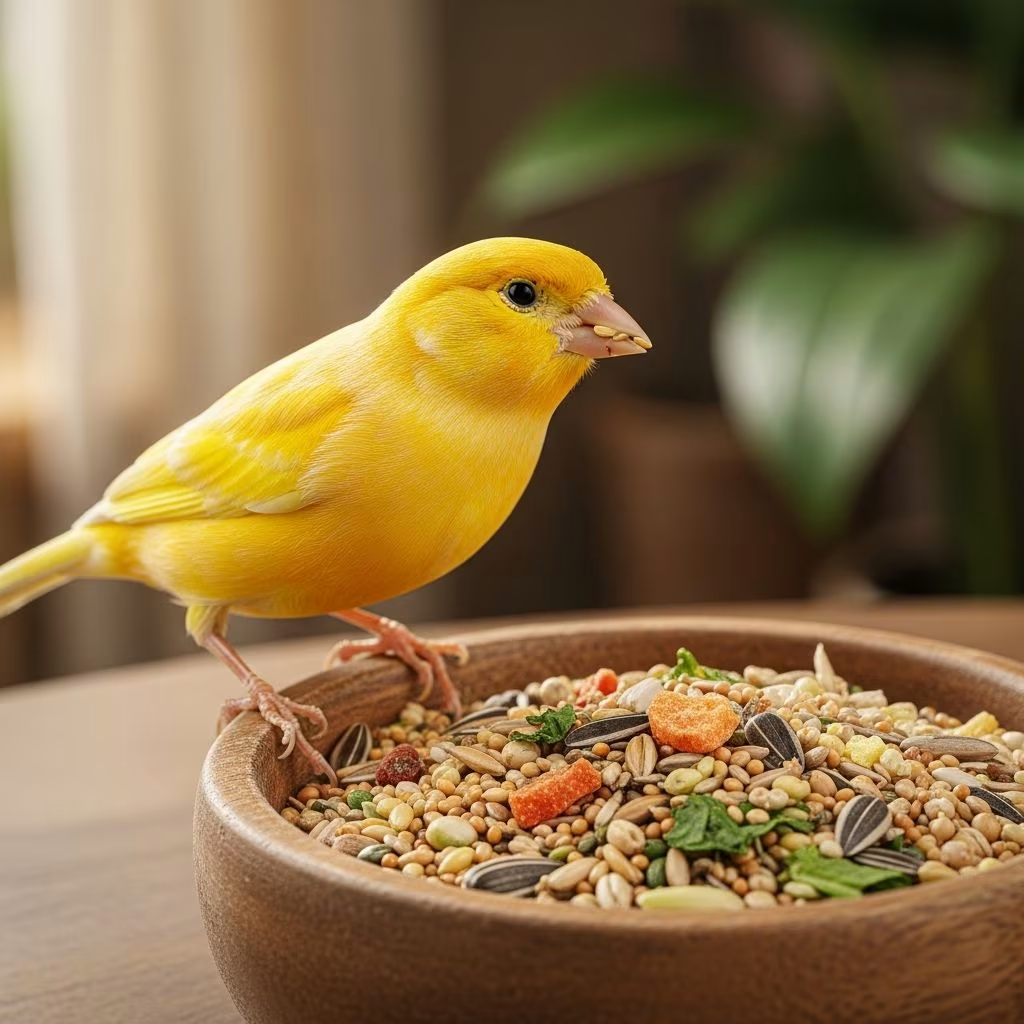
Canaries Feeding Guide: Proper Nutrition for Your Pet Bird
Canaries are delightful small birds that bring joy and beautiful melodies to any household. To ensure your canary remains healthy, active, and vibrant, providing proper nutrition is essential. A well-balanced diet forms the foundation of good health for canaries, supporting their immune system, feather quality, and overall well-being. Understanding what to feed your canary and in what quantities can make a significant difference in the lifespan and quality of life of your pet bird.
Daily Feeding Guidelines for Canaries
Establishing a consistent feeding routine is crucial for maintaining your canary’s health. Most canaries can be maintained on 1-2 teaspoons per bird per day of a combination of a pelleted diet with a small amount of various seeds offered in a shallow dish or food bowl. The amount may vary depending on the individual bird’s size and activity level, so it is important to monitor your canary’s weight and adjust portions accordingly.
If you have more than one canary in the cage, it is recommended to use separate dishes or food bowls to ensure that all birds have equal access to food. In a flock situation, the feeding dish should be large enough to allow several birds to eat at the same time, preventing competition and stress during mealtimes. Always discard any uneaten pellets before each feeding to prevent spoilage and contamination.
The Foundation: Pelleted Food
A high-quality pelleted food formulated specifically for canaries should make up the primary component of your bird’s diet. Nutritionally complete pelleted food should comprise at least 60-70% of a canary’s daily diet, providing balanced nutrition including essential proteins, carbohydrates, fats, vitamins, and minerals. Pelleted diets are scientifically formulated to meet the specific nutritional requirements of canaries, ensuring they receive all necessary nutrients in appropriate proportions.
When selecting pelleted food, choose products made from human-grade ingredients that are specifically designed for canaries rather than generic bird food. Always follow the manufacturer’s instructions to determine the appropriate daily amount for your bird. Quality matters significantly when it comes to pelleted food, as inferior products may contain fillers and lack essential nutrients that your canary needs to thrive.
Seeds: A Supplementary Component
While seeds are often associated with bird feeding, they should not form the primary diet for canaries. Seeds should comprise only a small portion of your canary’s diet, typically around 10-20% of their daily intake when combined with pelleted food. Seeds alone are not nutritionally complete and lack balanced nutrients, making them insufficient as a sole food source. However, seeds do provide variety, enrichment, and are a substantial source of energy for these diminutive birds.
When offering seeds, choose varied combinations that include different types of nutty seeds. Some of the best seeds for canaries include canary grass seed, which is considered the best seed in many canary mixes; millet, which serves as a carbohydrate source for continuous energy; nyjer seeds, which are high in healthy fats and omega-3 fatty acids; and flaxseeds, which help maintain feather health and provide a shiny coat. A seed mixture of canary seed and rape seed, supplemented with nyjer seed and various other seeds, provides a good balance of basic nutrients.
Fruits and Vegetables: Essential Vitamins and Minerals
Fresh fruits, vegetables, and leafy greens should account for approximately 20-25% of your canary’s daily diet. These foods provide vital vitamins, minerals, and antioxidants that enhance your canary’s immune system and overall well-being. About 5-10% of a canary’s diet should consist of bite-sized fruits and vegetables that are safe and nutritious for birds.
Some excellent vegetable options include leafy greens such as spinach and kale, which are rich in calcium and fiber; carrots, which are excellent for eye health and feather pigmentation; and cucumbers, which offer hydration and gentle digestive aid. Safe raw fruits and vegetables that can be offered include apples, oranges, broccoli, and shredded carrots. However, iceberg or head lettuce and celery offer very little nutritional value and should not be offered as they provide minimal benefits to your bird’s diet.
It is critically important to note that avocado is reported to be potentially toxic to some birds and should never be fed to your canary. Fresh fruits and vegetables that have not been eaten must be removed within a few hours to prevent spoilage and contamination, which could potentially harm your bird. Always ensure that fruits and vegetables are fresh, pesticide-free, and cut into appropriately sized pieces for your canary to consume safely.
Nutritional Requirements for Canaries
Like all living beings, canaries require a balanced intake of essential nutrients to thrive. Understanding these nutritional components helps ensure your bird receives everything needed for optimal health.
Proteins
Proteins are crucial for feathering, muscle tone, and overall energy levels. Approximately 10 percent of a canary’s diet must consist of proteins, making protein-rich seeds and supplements important components of their nutrition. All proteins are built from various amino acids, which are essential for body function and tissue development. Canaries require about ten different amino acids to maintain good health and can manufacture some of them in their own body.
Carbohydrates
Carbohydrates provide energy to sustain your canary’s active lifestyle and metabolic functions. These nutrients come in the form of sugars and starches found in seeds and grains. Whole grains such as quinoa, brown rice, oats, and millet serve as excellent carbohydrate sources. Starches are converted into sugar by the enzyme amylase, which occurs in the bird’s saliva, and are then absorbed into the bloodstream via the small intestine. In the tissues, these sugars are burned up to produce energy and body warmth.
Fats
Fats are important for hormone production and brain activity. Most fats in a bird’s diet are in the form of vegetable oils from various seeds. The digestion of fats takes longer than carbohydrates, making them particularly useful during winter months when they help keep canaries fueled through long nights. However, diets high in fat can contribute to obesity in birds, so moderation is important.
Vitamins and Minerals
Vitamin A is necessary for growth and helps prevent night blindness. It is found in cod-liver oil, green food, germinating seeds, milk, and root vegetables. The vitamin B-complex consists of 14 vitamins, most of which are found in yeast, cod-liver oil, liver, milk, lean meat, eggs, vegetables, legumes, corn, bananas, beans, and peanuts. Minerals are essential for bone health, beak maintenance, and overall well-being. Fresh fruits and vegetables rich in beta-carotene such as carrots, dark leafy greens, butternut squash, beets, red pepper, and yams should be included in your canary’s diet.
Egg Food: A Vital Supplement
Egg food is a very good source of protein and is responsible for feathering, muscle tone, and energy levels in birds. Egg food is especially useful during breeding, molting, and chick-rearing seasons because canaries need extra protein at these times. This supplement supports growth, feather quality, and breeding capabilities, making it an important addition to your canary’s diet during these critical periods.
Foods to Avoid
While knowing what to feed your canary is important, understanding what not to feed them is equally crucial for their safety and health. Certain foods can be toxic or harmful to canaries and should never be offered:
- Avocado is reported to be potentially toxic to some birds and should never be fed to your canary
- Excessive simple carbohydrates such as too many fruits or refined grains can cause obesity
- Salted or roasted nuts and seeds
- Chocolate, caffeine, and salt
- Fatty foods and high-fat seed diets exclusively
Feeding Schedule and Portion Control
Consistency is key when establishing a feeding routine for your canary. Feeding your canary twice daily, mimicking their natural foraging patterns, can support their natural behaviors and metabolism. Morning and evening feeding times work well for most households. Always provide fresh water daily, as water is vital for hydration, digestion, and overall health.
Monitor your canary’s consumption and adjust portions based on their individual needs and activity level. Some canaries may be more active than others and require slightly different amounts of food. Regularly check your bird’s weight and body condition to ensure proper nutrition. If you notice significant weight changes or appetite loss, consult with an avian veterinarian to rule out health issues.
Complete Diet Composition Summary
A nutritionally complete and well-balanced diet for your canary should include the following composition:
| Food Component | Percentage of Diet | Purpose |
|---|---|---|
| Pelleted Food | 60-70% | Balanced nutrition and essential nutrients |
| Seeds | 10-20% | Energy, variety, and enrichment |
| Fruits & Vegetables | 20-25% | Vitamins, minerals, and antioxidants |
| Egg Food (Seasonal) | As needed | Extra protein during breeding and molting |
Frequently Asked Questions About Canary Feeding
Q: How much should I feed my canary daily?
A: Most canaries can be maintained on 1-2 teaspoons per bird per day of a combination of pelleted diet with a small amount of various seeds. The exact amount may vary based on your individual bird’s size and activity level.
Q: Can canaries eat only seeds?
A: No, seeds alone do not provide complete nutrition for canaries. A varied diet combining pelleted food (60-70%), seeds (10-20%), and fresh produce (20-25%) is necessary for optimal health.
Q: What fruits and vegetables are safe for canaries?
A: Safe options include apples, oranges, broccoli, carrots, dark leafy greens, cucumbers, and squash. Avoid iceberg lettuce, celery, and avocado, as they lack nutritional value or may be toxic.
Q: How often should I change my canary’s food and water?
A: Provide fresh water daily. Discard any uneaten pellets before each feeding. Remove fresh fruits and vegetables within a few hours to prevent spoilage and contamination.
Q: Is egg food necessary for my canary?
A: While not necessary for all canaries year-round, egg food is particularly important during breeding, molting, and chick-rearing seasons when canaries need extra protein for feather development and energy.
Q: Can I feed my canary nuts?
A: Nuts such as almonds, walnuts, pecans, and cashews can be offered, but they should be raw and unsalted. Use nuts and seeds as rewards or training treats, not as a main source of food.
Q: What should I do if my canary stops eating?
A: Loss of appetite can indicate health problems. Consult with an avian veterinarian if your canary shows signs of illness, significant appetite loss, or unusual behavior changes.
Conclusion
Providing proper nutrition for your canary is one of the most important aspects of pet bird care. By offering a balanced combination of high-quality pelleted food, a variety of seeds, fresh fruits and vegetables, and egg food when appropriate, you ensure your canary receives all necessary nutrients for a long, healthy, and vibrant life. Remember that feeding your canary should be consistent, varied, and monitored regularly to maintain optimal health. A well-fed canary is more likely to be active, vocal, and a delightful companion for years to come.
References
- Canaries – Feeding — VCA Animal Hospitals. 2024. https://vcahospitals.com/know-your-pet/canaries-feeding
- Canary Care Sheet — PetMD. 2024. https://www.petmd.com/bird/canary-care-sheet
- Best Bird Food for Parrots, Canaries & Finches: A Comprehensive Guide — Supertails. 2024. https://supertails.com/blogs/posts/best-bird-food-for-parrots-canaries-finches-a-comprehensive-guide
- Bird Food Guide: An Insider’s Guide to The Ideal Avian Diet — Lafeber. 2024. https://lafeber.com/pet-birds/bird-food-guide/
- A Little Guide to Feeding Canary Birds — Seedzbox. 2024. https://www.seedzbox.co.uk/blogs/news/a-little-guide-to-feeding-canary-birds
- Ultimate Canary Bird Diet Guide: Essential Nutrition for a Happy Canary — Univen FM. 2024. https://univenfm.co.za/blog/canary-bird-diet/



