

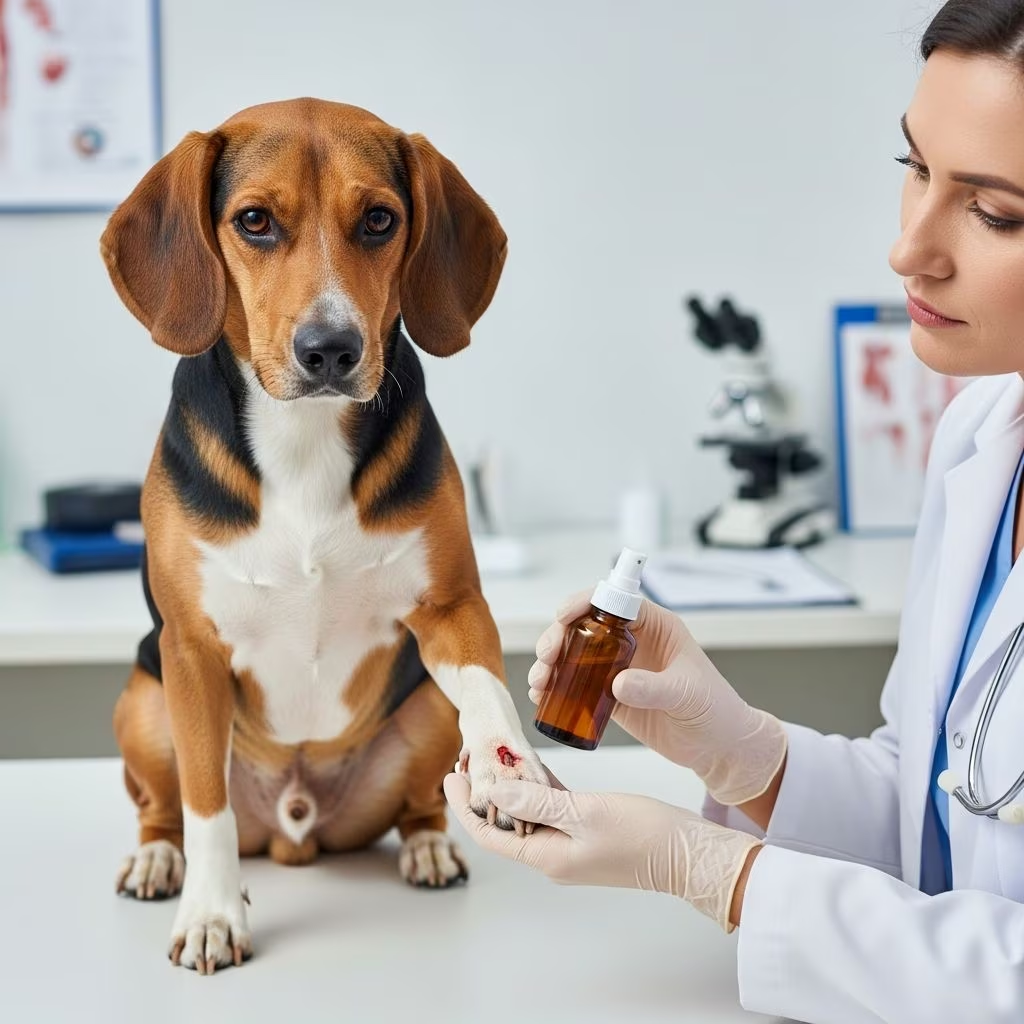
Hydrogen peroxide is a common household item often considered for pet first aid, but its use on dogs requires caution. While it has limited applications under veterinary guidance, it poses significant risks including tissue damage, gastrointestinal irritation, and aspiration pneumonia. This article examines its safety for cleaning wounds, inducing vomiting, ear care, teeth cleaning, and more, drawing from veterinary sources to provide evidence-based guidance.
What Is Hydrogen Peroxide?
Hydrogen peroxide (H2O2) is a mild antiseptic and bleaching agent available in concentrations like 3%, commonly used in households. It works by releasing oxygen, creating bubbles that lift debris and kill some bacteria through oxidation. For dogs, only 3% solutions are ever considered, as higher concentrations can cause chemical burns or corrosion to tissues.
In veterinary contexts, it’s occasionally referenced for emergency emesis (vomiting induction), but recent studies highlight its drawbacks. A 2017 JAVMA study found that oral hydrogen peroxide in dogs caused gastritis, esophagitis, and gastric ulcers via endoscopy-confirmed lesions. Despite this, some vets may still recommend it in controlled scenarios when professional care is delayed.
Can You Use Hydrogen Peroxide to Clean Dog Wounds?
No, hydrogen peroxide should not be used to clean dog wounds. As a strong oxidizer, it destroys healthy tissue alongside bacteria, delaying healing and potentially causing scarring. The bubbling reaction irritates sensitive areas, leading to pain and inflammation.
Veterinarians recommend gentler alternatives:
- Saline solution: Mix 1 teaspoon salt in 1 pint warm water for flushing wounds without tissue damage.
- Chlorhexidine: A pet-safe antiseptic (0.05% solution) that kills bacteria while preserving healing cells.
- Povidone-iodine (diluted): 1% solution for minor cuts, rinsed after 5 minutes.
For deep wounds, punctures, or bites, skip home treatment and see a vet immediately to prevent infection.
Can You Use Hydrogen Peroxide to Induce Vomiting in Dogs?
Hydrogen peroxide (3%) has traditionally been used to induce vomiting in dogs after toxin ingestion, but it’s risky and no longer first-line. Dosage is 1 teaspoon per 5 pounds of body weight (max 3 tablespoons), but it irritates the GI tract, causing ulcers, excessive vomiting, or esophagitis.
| Risk | Description | Source |
|---|---|---|
| Aspiration Pneumonia | Vomit enters lungs during induction. | |
| GI Ulcers/Esophagitis | Oxidative damage to stomach/esophagus. | |
| Ineffectiveness | Doesn’t work on all toxins (e.g., corrosives, sharps). | |
| Overdose | Too much causes dehydration, lethargy. |
Do not use if: Dog ingested sharps, acids/alkalis, is unconscious/seizing, or has laryngeal issues. Contact ASPCA Poison Control or a vet first; apomorphine is safer in clinics. Salt, ipecac, or gagging are dangerous alternatives.
Can You Put Hydrogen Peroxide in a Dog’s Ear?
Avoid hydrogen peroxide in dog ears unless vet-directed. It can irritate the sensitive ear canal, disrupt natural flora, and worsen infections like yeast or bacterial otitis. Bubbles may cause discomfort without effectively cleaning wax or debris.
Better options:
- Vet-prescribed cleaners: Epi-Otic or similar with squalene for gentle wax removal.
- Saline flush: For minor cleaning, followed by drying.
If ears smell foul, are red, or discharge pus, it’s likely an infection needing antibiotics—not peroxide.
Can You Use Hydrogen Peroxide on Dog Teeth?
Hydrogen peroxide is unsafe for routine dog dental care. Diluted forms (1-2%) in pet toothpastes are sometimes used, but undiluted or frequent application erodes enamel and irritates gums. It doesn’t replace professional cleaning.
Recommended dental routine:
- Enzymatic toothpaste (poultry or beef flavor) with dog-safe brush.
- Dental chews (VOHC-approved) to reduce plaque.
- Annual vet cleanings under anesthesia.
Peroxide-based products should only be vet-approved for specific gingivitis cases.
Is Hydrogen Peroxide Safe for Dogs’ Skin?
Direct application to intact skin is generally low-risk in 3% form but unnecessary. On cuts or hotspots, it causes oxidative damage, slowing recovery. Some dogs develop allergic reactions like redness or itching.
Alternatives for skin issues:
- Epsom salt soaks: For hotspots.
- Pet shampoos: Medicated for fleas/mange.
Monitor for burns if used sparingly.
What Happens If a Dog Drinks Hydrogen Peroxide?
If a dog ingests hydrogen peroxide, effects depend on amount/concentration:
- Small amounts (3%): Vomiting, drooling, mild GI upset.
- Large amounts/higher %: Ulcers, difficulty breathing, burns.
Call vet or Pet Poison Helpline (855-764-7661) immediately. Do not induce further vomiting; treatment may include antacids, sucralfate, or endoscopy.
When Can Vets Recommend Hydrogen Peroxide for Dogs?
Vets may advise 3% hydrogen peroxide for emesis only if toxin ingestion occurred <2 hours prior, dog is stable, and clinic access is delayed. Precise dosing and follow-up (e.g., GI protectants) are essential. Safer clinic options like apomorphine are preferred.
Never use on cats, small pets, or compromised dogs.
Safe Alternatives to Hydrogen Peroxide for Dogs
Opt for vet-endorsed products:
| Use Case | Alternative | Why Better |
|---|---|---|
| Wounds | Chlorhexidine/saline | No tissue damage |
| Vomiting Induction | Vet-administered apomorphine | Faster, safer |
| Ears | Epi-Otic cleaner | Gentle, effective |
| Teeth | Enzymatic paste | Enamel-safe |
Stock a pet first-aid kit with these.
Frequently Asked Questions (FAQs)
What is the correct dosage of hydrogen peroxide to induce vomiting in dogs?
1 teaspoon (5ml) per 5 pounds body weight, max 3 tablespoons. Administer orally; repeat once after 5 minutes if no vomit. Vet approval required.
Will hydrogen peroxide kill my dog?
Not typically in small 3% doses, but overdose risks ulcers, pneumonia, or death. Seek immediate help.
Can I use hydrogen peroxide on puppies or small dogs?
High risk due to sensitivity; avoid entirely without vet guidance.
How long does it take for hydrogen peroxide to make a dog vomit?
5-15 minutes; if no effect, do not repeat—call vet.
Is 3% hydrogen peroxide safe for dog baths?
No, it strips natural oils, causing dry skin. Use dog shampoo.
Always prioritize professional veterinary care over home remedies. Hydrogen peroxide’s risks often outweigh benefits for dogs.
References
- Is Peroxide Safe for Dogs? — Pet Poison Helpline. 2023. https://www.petpoisonhelpline.com/pet-tips/is-peroxide-safe-for-dogs/
- Why You Shouldn’t Use Hydrogen Peroxide on Your Pet — DoveLewis. 2023. https://www.dovelewis.org/blog/why-you-shouldnt-use-hydrogen-peroxide-your-pet
- Can I use hydrogen peroxide in the canine poisoned patient? — VETgirl. 2017-09-18. https://vetgirlontherun.com/can-i-use-hydrogen-peroxide-in-the-canine-poisoned-patient-vetgirl-veterinary-continuing-education-blog/
- Making Dogs Throw Up — PetMD. 2023. https://www.petmd.com/dog/poisoning/making-dogs-throw-up
- Can You Use Peroxide on Dogs? — Warrenville Grove Animal Hospital. 2023. https://warrenvillevet.com/blog/can-you-use-peroxide-on-dogs/
- Hydrogen Peroxide 3 Oral — VCA Animal Hospitals. 2023. https://vcahospitals.com/know-your-pet/hydrogen-peroxide-3-oral
- Inducing Vomiting at Home — Ellicott Street Animal Hospital. 2023. https://www.ellicottvets.com/inducing-vomiting/
- Is It Ever Safe to Induce Vomiting? — ASPCA. 2023. https://www.aspca.org/news/it-ever-safe-induce-vomiting



