

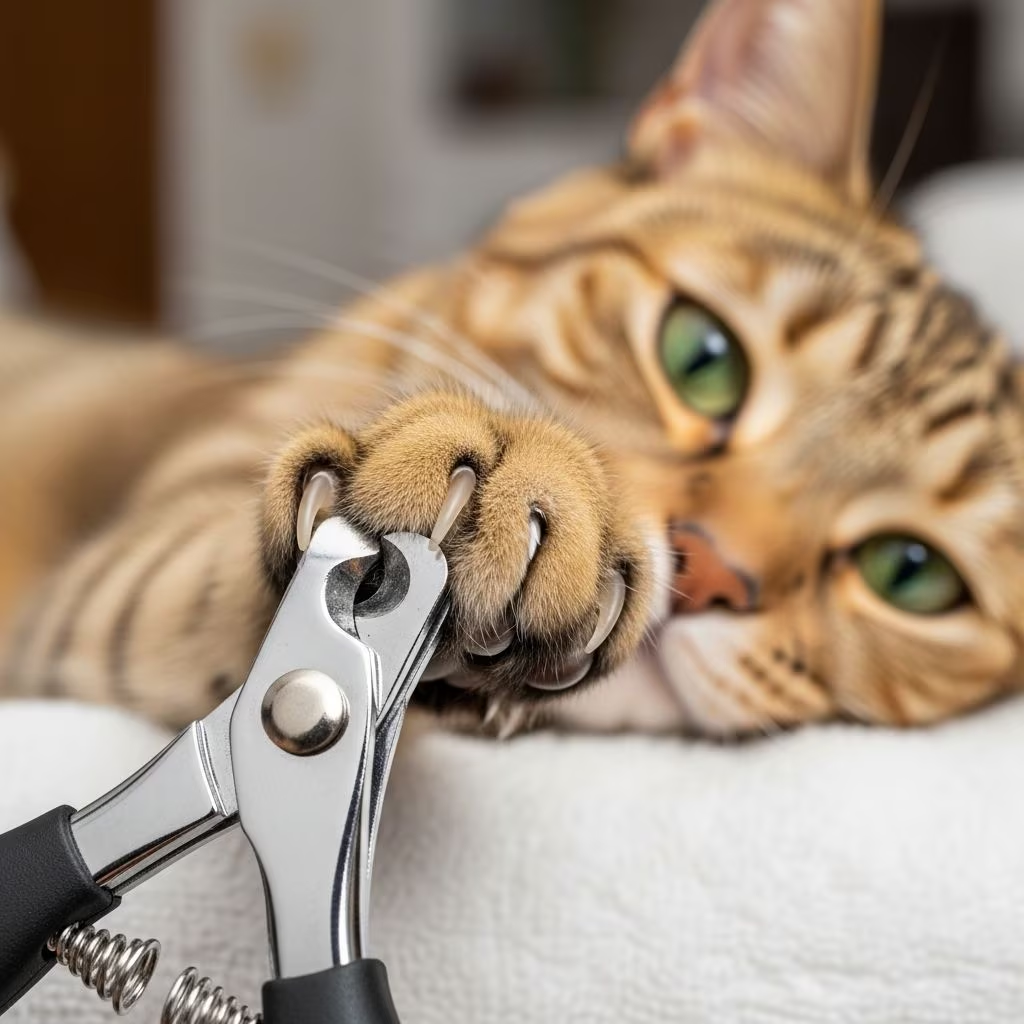
Yes, human nail clippers can safely trim a cat’s nails if used carefully, though cat-specific tools are often recommended for better control and reduced risk of splintering. Regular nail maintenance prevents overgrowth, protects furniture, and avoids painful issues like ingrown claws.
Why Trimming Your Cat’s Nails Matters for Health and Home
Cat nails grow continuously, and without natural wear from scratching posts, they can become sharp, long, or curved, leading to snags on fabrics or embedding into paw pads, which risks infection. For senior cats less active on scratching surfaces, routine trims are essential to prevent overgrown nails from causing discomfort or health complications. This simple grooming task also keeps your household safe from scratches and preserves upholstery.
Beyond protection, trimmed nails promote better mobility. Cats with overly long claws may walk awkwardly or avoid jumping, impacting their quality of life. Vets emphasize that consistent care mimics natural behaviors while minimizing veterinary visits for overgrown nail issues.
Understanding Cat Nail Anatomy Before You Start
A cat’s claw consists of a hard outer shell covering the quick, a sensitive core with blood vessels and nerves. In light-colored nails, the pink quick is visible; in dark ones, it’s hidden, requiring caution to avoid pain and bleeding. The nail tip, beyond the quick, is safe to cut and turns opaque white.
- Quick: Pink inner part—never cut here.
- Nail tip: Sharp, curved end—target for trimming.
- Paw pad: Press gently to extend the claw.
Knowing this anatomy helps beginners clip confidently without harm. Overgrown quicks in neglected nails make trimming trickier, so early habits pay off.
Choosing the Right Tools: Human Clippers vs. Pet-Specific Options
Human nail clippers work for cats due to similar sizing, but pet versions offer designs tailored for animal claws. Here’s a comparison:
| Tool Type | Pros | Cons | Best For |
|---|---|---|---|
| Human Nail Clippers | Readily available, inexpensive; straight blades for clean cuts. | May splinter nails if not positioned top-to-bottom; smaller size limits grip. | Occasional use on calm cats. |
| Guillotine Clippers | Precise hole for nail; adjustable blade minimizes quick risk. | Learning curve for positioning. | Beginners and frequent trims. |
| Scissors-Style Pet Clippers | Ergonomic handles; sharp for smooth snips. | Costlier than human ones. | Professional-like results at home. |
| Nail File/Emery Board | Smooths edges post-trim; no cutting risk. | Time-consuming for length reduction. | Finishing touches. |
Dedicate tools to pet use only to prevent bacterial cross-contamination between human and cat nails. Start with what you have, upgrading as needed.
Step-by-Step Guide to Trimming Cat Nails at Home
Follow these steps for a safe session, ideally every 2-4 weeks depending on your cat’s activity level.
- Prepare the space: Choose a quiet, elevated surface like a table. Have treats, styptic powder, and clippers ready.
- Acclimate your cat: Gently massage paws daily for 3-5 seconds per toe, rewarding with treats to build trust.
- Position comfortably: Hold cat securely on your lap or table, facing away. For wiggly cats, use a towel wrap (burrito method) exposing one paw at a time.
- Extend the nail: Grasp paw in non-dominant hand, press center pad with thumb and forefinger to protrude claw.
- Identify cut point: For white nails, stop before pink quick. For dark nails, trim where nail bends downward, using small snips.
- Clip carefully: Position clippers top-to-bottom, make tiny cuts, checking after each. Aim off 1-2 mm at a time.
- Smooth edges: File rough spots to prevent snags.
- Reward generously: Treat after each paw to associate positively.
Back paws are harder as cats retract them more; enlist help or do fronts first. Limit to 2-4 nails per session initially.
Desensitization Techniques for Stress-Free Sessions
Many cats resist paw handling, but gradual training turns trims into routine. Start sessions with play to relax, never when agitated.
- Touch paws playfully during pets, progressing to presses and releases with treats.
- Introduce clipper sound: Clip dry spaghetti near cat, rewarding calm.
- Practice full motions without cutting for a week.
- For anxious cats, use pheromone sprays or consult vets for mild sedatives.
Patience is key—one paw per day beats force. Positive reinforcement fosters cooperation over time.
Frequently Asked Questions About Cat Nail Care
Is it okay to use human nail clippers on kittens?
Yes, but their tiny nails need ultra-small snips. Start early to habituate them.
How often should I trim my indoor cat’s nails?
Every 10-14 days for inactive cats; more active ones may need less frequent trims.
What if my cat hates nail trimming?
Build tolerance slowly or seek professional grooming. Never punish resistance.
Are nail caps a good alternative?
Yes, soft plastic covers blunt claws without trimming; combine with regular checks.
Can overgrown nails cause serious problems?
Yes, they can pierce pads, leading to infections requiring vet intervention.
What to Do If You Cut the Quick: Bleeding and First Aid
Accidents happen, especially with dark nails. If blood appears, stay calm—it’s often minor.
- Apply styptic powder, flour, or cornstarch to the tip with pressure for 1-2 minutes until clotting.
- Wet cotton ball first if needed to clean, then powder.
- Monitor for excessive bleeding or limping; see a vet if persists.
Small tip cuts cause brief sting but heal fast. Prevention via tiny snips is best.
Alternatives to At-Home Trimming for Reluctant Cats
Not every cat suits DIY grooming. Options include:
- Vet or groomer visits: Professional trims with restraint tools.
- Scratching posts: Promote natural filing; choose sisal or cardboard.
- Nail caps: Glue-on covers last 4-6 weeks.
- Soft paws products: Veterinary-approved claw covers.
Declawing is discouraged by humane societies as it involves toe amputation.
Long-Term Nail Health: Schedule and Monitoring
Track growth by checking weekly. Adjust frequency by lifestyle:
| Cat Type | Trim Frequency | Tips |
|---|---|---|
| Indoor Kitten | Every 2 weeks | Train young for ease. |
| Active Adult | Every 3-4 weeks | Provide posts. |
| Senior/Indoor Only | Every 10 days | Check for overgrowth weekly. |
Consult vets for abnormal growth, like splitting or discoloration, signaling nutrition or health issues.
Expert Tips from Vets for Perfect Paws
Veterinarians recommend starting slow, using dominant hand for clipping, and non-dominant for paw control. For back nails, have an assistant hold the cat. Always end positively to build trust for future sessions.
Incorporate grooming into bonding time, pairing with brushing or play. Healthy nails mean happier, more agile cats.
References
- How to Trim a Cat’s Nails — VCA Animal Hospitals. 2023. https://vcahospitals.com/know-your-pet/how-to-trim-a-cats-nails
- Trim Your Cat’s Nails — Nash County Animal Hospital. 2024. https://nashpetcare.com/trim-your-cats-nails/
- Cat Nail Trimming 101 — Wisconsin Humane Society. 2023. https://www.wihumane.org/behavior/ask-the-experts/cat-behavior/cat-nail-trimming-101
- ASPCA Grooming 101 – Nail Trimming for Cats — ASPCA (YouTube). 2022. https://www.youtube.com/watch?v=MnQjdTWku5U
- How to Clip Your Cat’s Nails — Cummings School of Veterinary Medicine (YouTube). 2023. https://www.youtube.com/watch?v=-sPYDanosVI



