

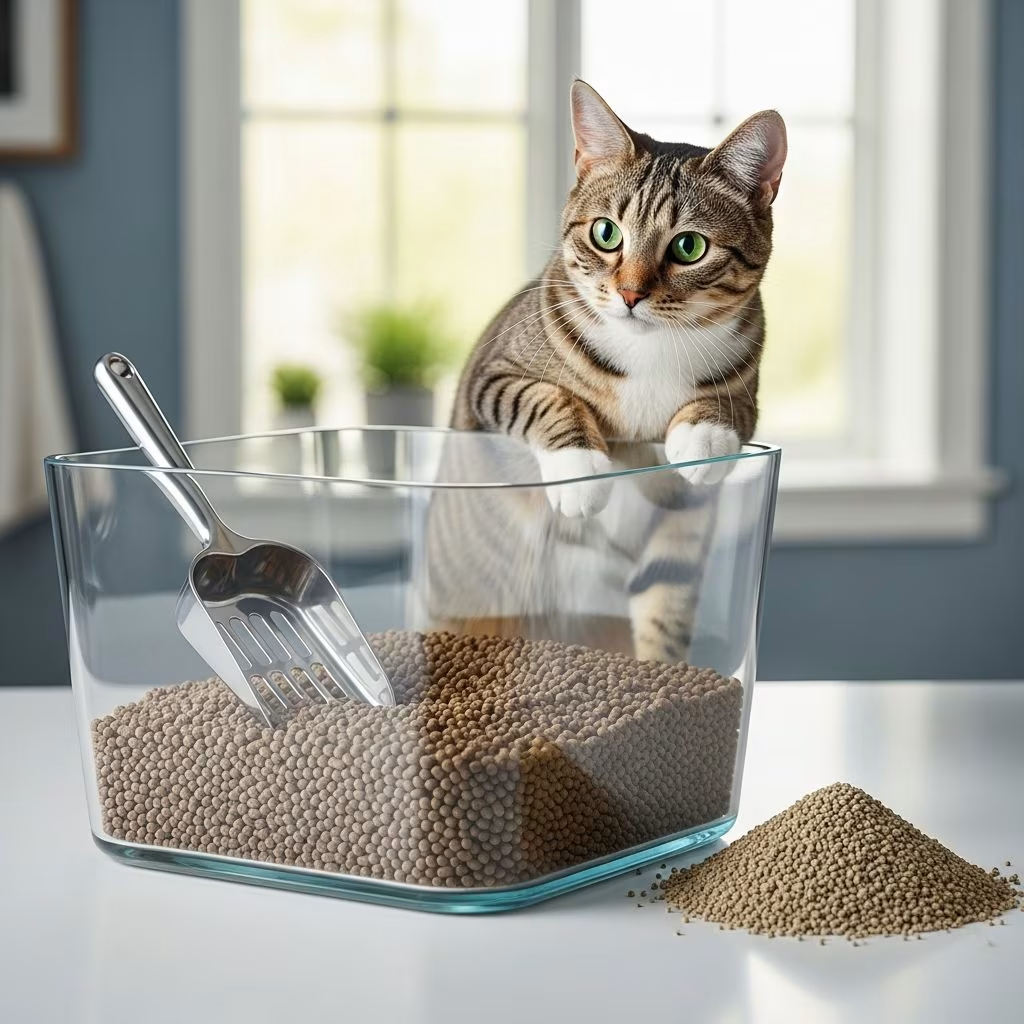
Cat owners face endless choices in litter options, from clumping clay to crystal varieties. Many seek cost-effective, natural alternatives, leading to questions about repurposing horse bedding pellets for feline use. The short answer is yes, horse pellets can function as cat litter, but success hinges on careful selection, frequent maintenance, and your cat’s preferences.
Horse pellets offer moisture absorption and odor control similar to some litters, potentially saving money while reducing dust exposure. However, challenges like mold growth, larger particle size, and scooping difficulties mean they’re not ideal for every household. This guide dives into what horse pellets are, their safety for cats, pros and cons, practical tips, and transition strategies to help you decide.
What Are Horse Pellets?
Horse pellets, often called horse bedding pellets, are compressed wood fibers primarily designed for equine stables. Made from softwoods like pine or fir, they expand upon contact with moisture to form a soggy mass that’s easy to remove from stalls. This design absorbs urine and controls ammonia odors effectively in horse environments.
Typically available in 40-pound bags at farm supply stores, these pellets are kiln-dried for stability and low moisture content. Their affordability—often under $10 per bag—appeals to budget-conscious pet owners experimenting with litter substitutes. Unlike clay litters mined from bentonite, wood pellets are renewable and biodegradable, aligning with eco-friendly preferences.
The pellets’ uniform cylindrical shape (about 1/4-inch diameter) allows good airflow, reducing bacterial growth in dry conditions. However, in a cat’s enclosed litter box, dynamics shift, requiring vigilant monitoring to prevent issues like clumping failure or dust generation during pouring.
Are Horse Pellets Safe and Appropriate for Cat Litter?
Horse pellets are technically safe for cats when chosen correctly, as they mimic the absorbency of pine-based cat litters. Veterinary experts note that 100% natural wood pellets without chemical additives pose minimal toxicity risk. However, several factors determine appropriateness.
- Mold Risk: Wood-based pellets can harbor mold if urine-soaked areas remain uncleaned, especially in humid climates. Cats in confined boxes may inhale spores, risking respiratory irritation or infections. Daily sifting is essential.
- Particle Size: Larger than fine-grit litters, pellets may deter picky cats, causing accidents outside the box. Kittens or seniors often struggle with the texture.
- Scooping Challenges: Non-clumping pellets don’t form tight balls, making spot-cleaning tedious. Many users dump the entire box weekly, increasing waste volume.
- Dust Levels: Kiln-dried pellets produce less respirable dust than clay, benefiting cats with asthma, though initial pouring creates some airborne particles.
Odor control is decent but lags behind enzyme-treated commercial litters in multi-cat homes. For enhancement, consider additives like bio-enzyme deodorizers that neutralize ammonia without disrupting pellet structure.
| Aspect | Horse Pellets | Traditional Clumping Litter |
|---|---|---|
| Absorbency | High (expands 3-4x) | High (forms clumps) |
| Odor Control | Moderate (natural) | Excellent (scented/enzyme) |
| Dust | Low | Medium-High |
| Cost per Month (Single Cat) | $5-10 | $15-25 |
| Trackability | Low (pellets stay put) | High (fine grains scatter) |
This comparison highlights pellets’ edge in cost and tracking but underscores maintenance needs.
Pros and Cons of Using Horse Pellets as Cat Litter
Pros
- Cost-Effective: Bulk bags cost pennies per use, slashing litter expenses by 50-70% for single-cat homes.
- Low Dust and Tracking: Cats track less, keeping floors cleaner; ideal for homes with allergies.
- Biodegradable and Eco-Friendly: Compost used pellets (after composting for safety) or dispose as yard waste.
- Superior Absorbency: Outperforms non-clumping litters in liquid hold, reducing sogginess.
- Natural Odor Neutralization: Pine oils inhibit bacterial growth, providing subtle scent without synthetics.
Cons
- Acceptance Issues: Up to 40% of cats reject the coarse feel, per owner forums and reviews.
- Frequent Cleaning: Soaked pellets crumble, demanding daily full removal in heavy users.
- Mold and Phenol Concerns: Undried pellets retain phenols, potentially toxic to cats’ livers over time.
- No Clumping: Harder to isolate waste, leading to more frequent total changes.
- Storage Needs: Bulk bags require dry storage to prevent pre-mold.
Useful Tips for Using Horse Pellets as Cat Litter
To maximize success, follow these vet-recommended steps:
- Select Safely: Choose 100% natural, kiln-dried pine or aspen pellets without binders, glues, or treatments. Verify with manufacturers for cat-safe formulations.
- Start Small: Mix 25% pellets with current litter, gradually increasing over 1-2 weeks to acclimate your cat.
- Litter Box Setup: Use high-sided boxes to contain pellets; fill 3-4 inches deep for digging satisfaction.
- Cleaning Routine: Scoop twice daily, fully change every 3-5 days. Use a pellet-specific scoop with larger holes to avoid sifting issues.
- Odor Management: Sprinkle baking soda or enzyme sprays between changes; ensure good box ventilation.
- Monitor Health: Watch for sneezing, refusal to use, or digestive upset. Consult a vet if issues arise.
- Mixing Options: Blend with clumping litter for hybrid benefits—pellets absorb, clay clumps.
For multi-cat households, dedicate separate boxes: one pellet, one traditional, letting cats self-select.
How to Transition Your Cat to Horse Pellets
Abrupt switches cause stress and elimination problems. Employ a phased approach:
- Week 1: Add 25% pellets to existing litter. Praise and treat post-use.
- Week 2: Increase to 50%; provide multiple boxes.
- Week 3: 75% pellets; remove old litter box if acceptance is good.
- Week 4: Full pellets. If rejection persists, revert or try flavored attractants.
Patience is key—some cats adapt in days, others never do. Track preferences with a journal.
Alternatives to Horse Pellets
If pellets fail, consider these:
- Pine Cat Litter: Specifically formulated for pets, phenol-free, and clumping options available.
- Wheat or Corn Litters: Biodegradable, clumping, plant-based scents.
- Walnut Shell: Hardwood absorbents with natural deodorizing.
- Silica Crystals: Ultra-absorbent for low-maintenance.
Frequently Asked Questions (FAQs)
What type of horse pellets are best for cats?
Opt for 100% kiln-dried pine pellets without additives. Avoid oak or treated varieties due to phenol risks.
Will my cat like horse pellets?
Many do for their natural feel, but finicky cats may prefer finer textures. Trial periods reveal preferences.
Are horse pellets flushable?
No—expanded pellets can clog plumbing. Compost or trash them.
Can I compost horse pellet litter?
Yes, after hot composting (140°F+) for 3-6 months to kill pathogens. Not for edible gardens.
How often to change horse pellet litter?
Scoop daily, full change every 3-7 days depending on cat count and urine volume.
Final Thoughts
Horse pellets offer a viable, economical cat litter alternative with low dust and strong absorbency, but demand rigorous safety checks and maintenance to sidestep mold or rejection. Prioritize vet input for health concerns, and let your cat’s behavior guide the decision. With proper implementation, they can simplify litter chores while supporting sustainable practices.
References
- Veterinary Partner: Pine Bedding Safety for Cats — Veterinary Information Network. 2024-05-15. https://veterinarypartner.vin.com/default.aspx?pid=19239&id=4952689
- ASPCA: Toxic and Non-Toxic Plants and Woods for Pets — ASPCA Animal Poison Control. 2023-11-20. https://www.aspca.org/pet-care/animal-poison-control/toxic-and-non-toxic-plants
- Journal of Equine Veterinary Science: Wood Pellet Bedding Efficacy — Elsevier. 2022-08-10. https://doi.org/10.1016/j.jevs.2022.103892
- USDA Forest Service: Kiln-Drying Processes for Wood Products — USDA. 2025-01-05. https://www.fs.usda.gov/research/treesearch/
- AVMA Guidelines on Litter Box Substrates — American Veterinary Medical Association. 2024-09-12. https://www.avma.org/resources-tools/pet-owners/petcare



