

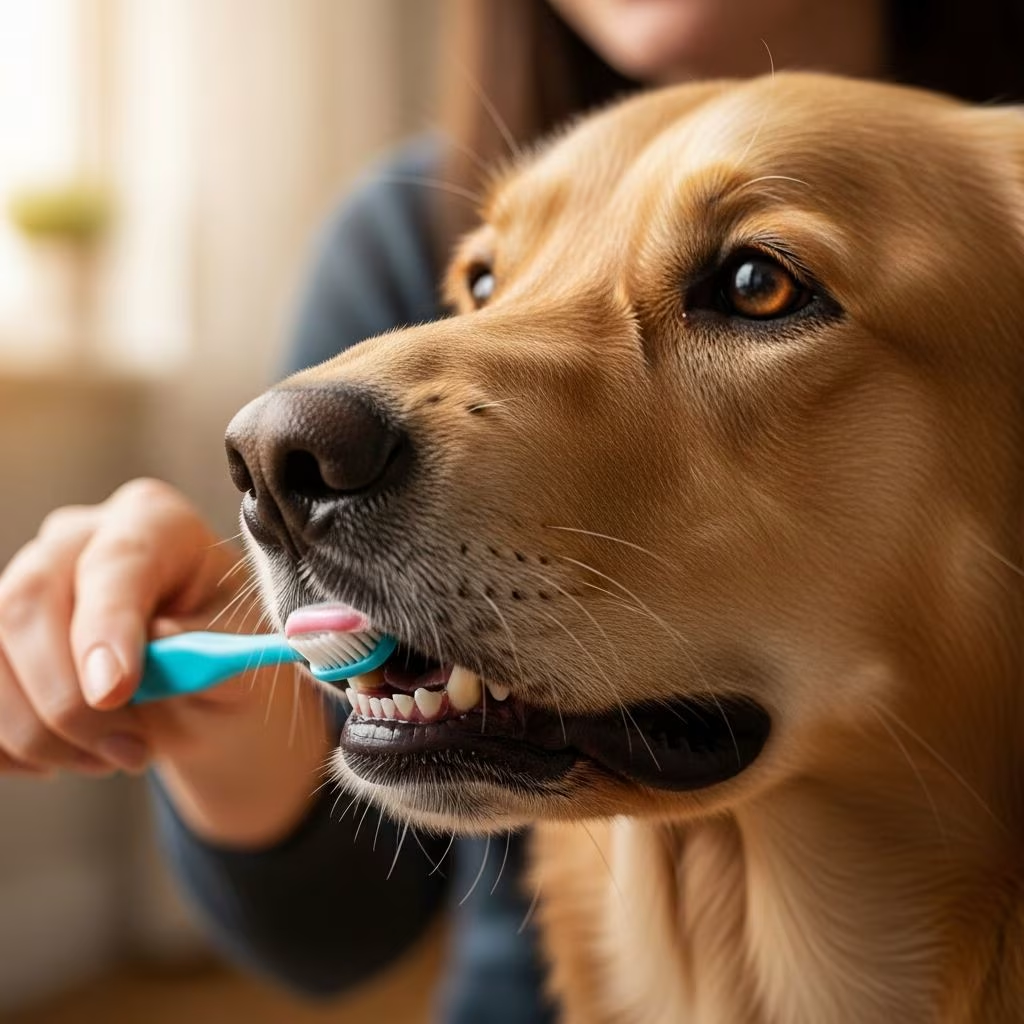
It’s never too late to initiate dental hygiene practices for dogs, even if they’ve reached adulthood or senior years with existing plaque buildup. Starting brushing and other care routines can significantly halt disease progression, alleviate discomfort, and enhance overall vitality, as supported by veterinary insights on preventing severe periodontal issues.
The Critical Role of Oral Hygiene in Canine Wellness
Dogs frequently encounter dental challenges due to their anatomy and diet. Plaque, a sticky bacterial film, accumulates on teeth daily and mineralizes into tartar within days if undisturbed. This process initiates gingivitis, escalating to periodontitis, which erodes gum tissue and bone, potentially leading to tooth loss and systemic infections. By age three, over 80% of dogs show signs of dental disease, underscoring the prevalence and urgency of intervention.
Beyond local effects, unchecked oral bacteria enter the bloodstream, risking endocarditis in the heart, nephritis in kidneys, and hepatitis in the liver—a phenomenon termed bacteremia. Proactive care mitigates these risks, fostering longevity and comfort. Even late starters benefit from reduced pain, fresher breath, and improved eating ability.
Assessing Your Dog’s Current Dental Condition
Evaluate your dog’s mouth regularly to gauge the need for action. Signs of trouble include persistent bad breath (halitosis), red or swollen gums, visible tartar (yellow-brown deposits), loose or missing teeth, drooling, pawing at the mouth, or reluctance to chew hard food.
- Early Stage (Gingivitis): Reversible with consistent home care; gums bleed easily but inflammation subsides quickly.
- Moderate (Early Periodontitis): Tartar below gumline; requires professional scaling for reversal.
- Advanced: Bone loss, abscesses; extraction may be needed, but hygiene prevents worsening.
For older dogs, starting now prevents further deterioration. Veterinary exams via X-rays reveal hidden issues like root abscesses invisible externally.
Building an Effective Home Dental Care Routine
Initiating brushing later demands patience, but gradual introduction yields results. Begin with familiarization: let your dog sniff and lick dog-specific enzymatic toothpaste (poultry or beef-flavored, never human varieties containing xylitol, which is toxic).
- Week 1: Apply toothpaste to a finger brush or gauze, rub outer surfaces gently for 10-30 seconds daily.
- Week 2-3: Use a dual-ended dog toothbrush or finger cot, targeting outer canines and molars.
- Ongoing: Brush 2-3 times weekly for 30 seconds per side, focusing on gumline at a 45-degree angle.
Complement with dental chews (VOHC-approved for proven efficacy), water additives, and treats that mechanically scrape plaque. Consistency trumps perfection; partial sessions build habit without stress.
Professional Interventions: When Home Care Isn’t Enough
For dogs with established tartar, veterinary dental cleanings under general anesthesia are essential. These procedures include:
| Procedure | Purpose | Frequency |
|---|---|---|
| Full-Mouth Radiographs | Detect subgingival issues | Annually for at-risk dogs |
| Scaling & Polishing | Remove supra/subgingival tartar | Every 6-12 months |
| Extractions if Needed | Eliminate non-viable teeth | As diagnosed |
| Local Antibiotics/Irrigation | Treat pockets/infections | During cleaning |
Anesthesia-free cleanings only address visible tartar cosmetically and are ineffective—and potentially illegal—without veterinary oversight, as they ignore subgingival disease. Post-cleaning, home routines amplify longevity of results.
Age-Specific Strategies for Late-Starters
Puppies and Young Adults
Ideal for prevention; start at 6 months post-teething. Daily brushing prevents 70% of calculus.
Mature Dogs (3-7 Years)
Commonly affected; combine prophy with chews. Expect initial resistance but rapid improvement in comfort.
Seniors (8+ Years)
Gentler tools, softer diets. Benefits include pain relief, better nutrition absorption, and vitality boost despite extractions. Studies show cleaned seniors regain appetite and energy.
Brachycephalic breeds (e.g., Bulldogs) and small dogs face higher risks due to crowded teeth; toy breeds overrepresent periodontal cases.
Overcoming Common Challenges in Late Dental Training
Dogs unaccustomed to brushing may resist. Tips:
- Reward heavily with high-value treats post-session.
- Keep sessions positive, short; end on success.
- Desensitize gradually; touch mouth during play.
- Use flavored gels for appeal.
If aggressive disease persists, pain meds or sedation aids training. Track progress with photos.
Holistic Benefits Extending Beyond the Mouth
Dental health interconnects systemically. Clean mouths correlate with lower antibiotic needs, fewer organ biopsies, and extended lifespan—up to 2-3 years in severe cases. Economically, prevention averts $1,000+ extraction bills. Behaviorally, pain-free dogs engage more, strengthening bonds.
FAQs on Starting Dog Dental Care Late
Is brushing once a week sufficient?
No; aim for 3+ times weekly, supplemented by chews. Daily is optimal.
What if my dog has lost teeth already?
Care for remaining teeth prevents further loss; soft foods aid seniors.
Can diet alone maintain teeth?
Dental diets help but don’t replace brushing; combine approaches.
How to tell if professional cleaning is urgent?
Consult vet for bleeding gums, facial swelling, or eating changes.
Are natural remedies effective?
Limited; vet-approved products outperform unproven alternatives.
Long-Term Maintenance for Lifelong Oral Health
Annual vet checkups, biannual cleanings for high-risk dogs, and daily habits ensure sustained benefits. Monitor for changes; adapt as age advances. Empowering owners with knowledge transforms overlooked mouths into healthy ones, proving timely action redeems past neglect.
References
- 5 Reasons Why Dog Dental Care Is Important — PetMD. 2023-10-15. https://www.petmd.com/news/view/5-reasons-why-dog-dental-care-important-38003
- Why Dental Hygiene is Important For Dogs — Village Veterinary Hospital. 2024-05-20. https://vvhvet.com/blog/1212790-why-dental-hygiene-is-important-for-dogs_2
- Why Dog Teeth Cleaning is Important for Your Pet’s Health — Chimacum Valley Veterinary Hospital. 2024-02-10. https://chimacumvet.com/blog/dog-teeth-cleaning/
- 5 Reasons Why Dog Dental Care Is Important — Torrance Animal Hospital. 2021-07-23. https://www.torranceanimalhospital.com/site/blog/2021/07/23/5-reasons-why-dog-dental-care-is-important
- Why Pet Dental Care is Essential for Your Furry Friend’s Health — Meadow Branch Animal Hospital. 2023-11-05. https://www.meadowbranchanimalhospital.com/blog/why-pet-dental-care-is-essential-for-your-furry-friends-health
- How Pet Dental Cleanings Improve Overall Health — Grace Animal Hospital. 2024-01-12. https://www.graceanimalhospital.com/blog/how-pet-dental-cleanings-improve-overall-health
- Cleaning Your Dogs Teeth – Dog Dental Health — RSPCA. 2023-09-18. https://www.rspca.org.uk/adviceandwelfare/pets/dogs/health/teeth



