

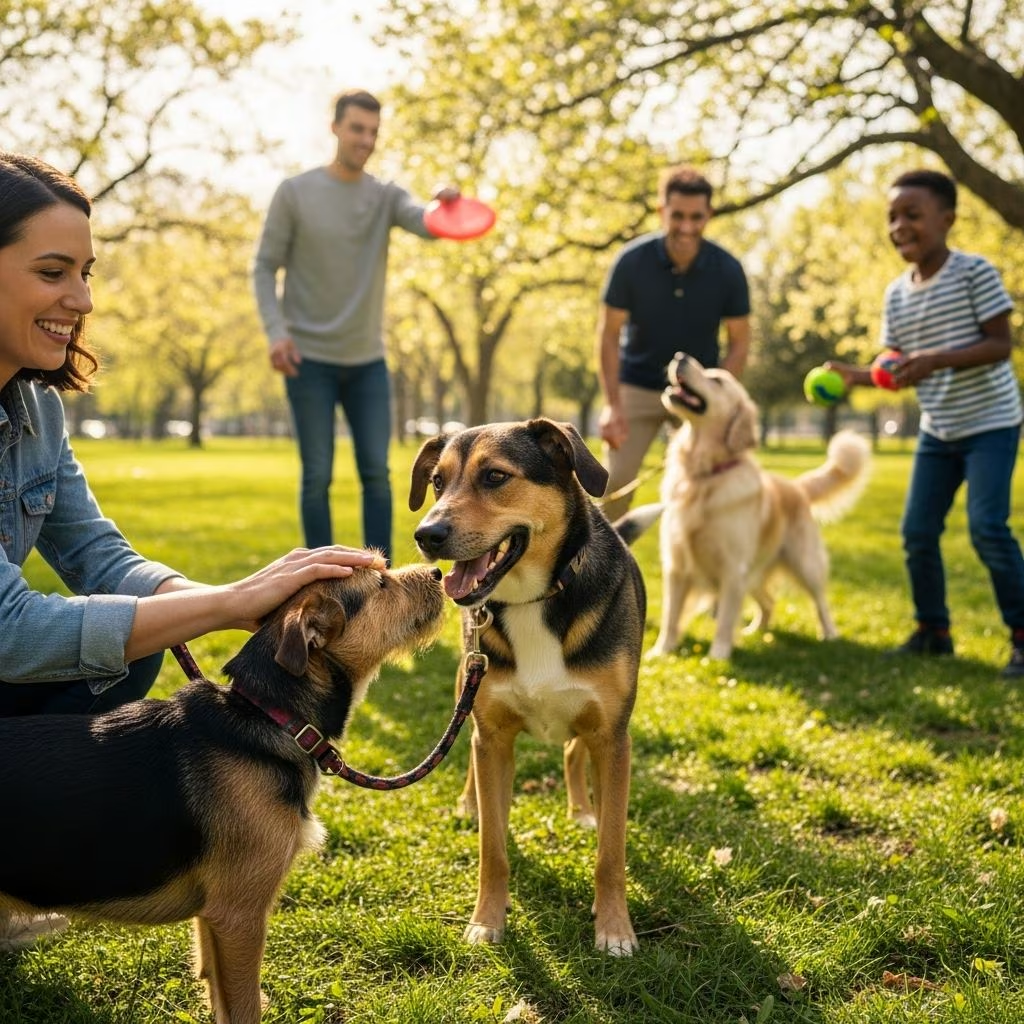
Can You Socialize an Adult Dog? Yes, It’s Never Too Late
Many dog owners believe that socialization is only possible during a dog’s early puppyhood, but this is a common misconception. The truth is that adult dogs can absolutely be socialized, and it’s never too late to help your furry companion become more confident and comfortable in the world around them. Whether you’ve recently adopted a rescue dog, inherited an older pup, or simply never prioritized socialization when your dog was younger, there are proven strategies to help your adult dog develop social skills and overcome fear or anxiety.
While socializing an adult dog requires more patience, time, and consistency than socializing a puppy, the rewards are incredibly worthwhile. An adult dog that successfully completes socialization training becomes a happier, more confident companion who can enjoy new experiences and interact positively with people and other animals.
Why Adult Dog Socialization Matters
Socialization is the process of helping dogs become comfortable and confident in different situations with people and other animals. For adult dogs, proper socialization can transform their behavior and quality of life significantly. Dogs that lack early socialization often exhibit fear, anxiety, or aggression in new situations—behaviors that can limit their ability to enjoy activities, visit new places, or interact safely with others.
The good news is that adult dogs are capable of learning new behaviors and overcoming past experiences. When you commit to socializing your adult dog, you’re not just improving their behavior; you’re building a stronger bond and creating a more enjoyable life for both of you.
Understanding the Challenges of Adult Dog Socialization
While adult dog socialization is absolutely possible, it does come with unique challenges. Unlike puppies who begin life with a relatively blank slate, adult dogs have already formed habits, beliefs, and emotional responses to various situations. An older dog may be more hesitant to accept new experiences and may require more encouragement to step outside their comfort zone.
Additionally, you may not know the complete history of your adult dog, especially if it’s a rescue or shelter dog. Understanding why your dog exhibits certain fears or anxieties can be difficult but is important context for developing an effective socialization plan. Despite these challenges, with the right approach, patience, and consistency, adult dogs can absolutely learn to become more confident and social.
Step-by-Step Guide to Socializing Your Adult Dog
Step 1: Start Small and Go at Their Pace
The foundation of successful adult dog socialization is understanding that every dog is different and progress should be tailored to your individual pet. Begin by identifying your dog’s current comfort level and areas where they struggle. If your dog is comfortable in your backyard but becomes tense and freezes in the front yard, start with the backyard and work on confidence-building exercises there first.
Before introducing any new trigger, person, or place, make sure your dog is in a calm state. Stick to controlled environments initially where you can intervene if needed. Build easy cues such as name recognition and basic commands like “come” and “touch.” These foundational skills give you and your dog easy ways to connect and help you regain your dog’s attention in potentially stressful situations.
Step 2: Begin with Regular Walks
One of the easiest and most effective ways to begin socializing an adult dog is through regular walks in your neighborhood. Walks serve a dual purpose: they provide essential exercise while simultaneously exposing your dog to new sights, smells, and sounds. This gradual exposure helps desensitize your dog to the stimulation of the outside world.
Always ensure your dog is on a properly secured leash during walks. Bring high-value treats with you to reward positive interactions with other dogs and people you encounter. If your dog encounters a situation that makes them uncomfortable, simply turn around and head home—back to their safe place. This teaches your dog that they can trust you to protect them while gradually building their confidence. Frequent visits to the same locations help your dog feel increasingly at ease in familiar environments.
Step 3: Introduce Your Dog to Another Adult Dog
Once your dog shows comfort during neighborhood walks, the next step is introducing them to another adult dog in a controlled manner. The key is choosing the right canine companion—select a calm, well-socialized adult dog that won’t trigger fear or aggression in your dog.
Start by meeting your friend and their dog for a relaxed walk in a familiar location. Allow plenty of space between the two dogs initially. If your dog remains calm and polite, reward them immediately with a treat. After the walk, when both dogs appear relaxed, allow them to sniff each other while still on-leash. Reward all positive interactions with treats and praise.
If both dogs continue to show good behavior, gradually progress by moving to a fenced-in area where they can observe each other from a distance. Build up to interacting on-leash, then off-leash, rewarding good behavior at each stage. If your dog has fun, schedule regular playdates with this dog, making each session longer than the last as confidence grows.
Step 4: Introduce Your Dog to New People
Some adult dogs that are fearful of other dogs actually love people, but if your dog struggles with human interaction, it’s important to address this systematically. Start by inviting a friend over to your house. Ask them to initially ignore your dog while you observe from nearby. If your dog remains calm, reward them with treats. As the pair grows more comfortable, allow your friend to give your dog treats directly.
Treats are powerful tools for building positive associations with new people. Continue this process by slowly introducing your dog to additional people. Start with individual visitors, then gradually work toward group settings as your dog gains confidence. This measured approach helps prevent overwhelming your dog while building their comfort with human interaction.
Step 5: Expose Your Dog to Puppies and Children
Once your dog has successfully interacted with adult dogs and humans, they may be ready for exposure to puppies and children. This step requires extra caution because puppies and children are unpredictable and can be overly enthusiastic or rough, which may frighten or frustrate your adult dog.
Follow the same gradual introduction process you used for adult dogs and people. Keep the environment calm and positive. Always remain in control, keeping your dog on a leash during initial interactions. Be ready to step in immediately if either the child or puppy becomes too rough or if your dog shows signs of stress. Reward all positive interactions generously with treats and praise. Remember that progress may be slower with unpredictable youngsters, and that’s perfectly normal.
Step 6: Explore New Environments
Part of socialization involves exposing your dog to different types of environments and situations. Gradually take your dog to various locations such as different parks, busy streets, quiet neighborhoods, and dog-friendly public spaces. Each new environment presents different sights, sounds, and smells that help broaden your dog’s comfort zone.
Start with less stimulating environments and gradually progress to busier, more challenging settings. Always bring treats and maintain a positive, calm demeanor. Your dog will pick up on your emotional state, so staying relaxed helps them feel more secure.
Step 7: Consider Group Training Classes or Daycare
Once your dog has made progress with one-on-one socialization, group training classes designed for adult dogs can be an excellent next step. Look for classes that cater to your dog’s experience level and focus on building confidence in a controlled group setting. These classes allow your dog to interact with multiple dogs and people while under professional guidance.
For dogs that have made significant progress, attending a cage-free doggy daycare can be an excellent way for them to practice their new social skills in a supervised, controlled environment. This setting allows your dog to interact with multiple dogs and people while trained staff monitors play and behavior.
Essential Tips for Success
Use Positive Reinforcement Consistently
Positive reinforcement is the most effective training method for adult dogs. Reward calm, confident behavior with high-value treats, praise, toys, or playtime. The rewards must be meaningful enough to your dog that they associate new experiences with positive outcomes. Be prepared to reward frequently during early stages of socialization.
Practice Desensitization Techniques
For dogs fearful of specific triggers—such as other dogs, loud noises, or certain types of people—desensitization is valuable. This involves slowly exposing your dog to the trigger at a distance where they feel safe, then gradually decreasing the distance as they become more comfortable. For example, if your dog fears other dogs, you might start socializing from across a large park, then progressively move closer as comfort increases.
Maintain Patience and Consistency
Adult dog socialization requires more time and effort than puppy socialization, especially if your dog has had negative experiences in the past. Old habits truly do die hard. Commit to consistent, repeated exposure to new situations. Progress may feel slow, but consistency yields results. Avoid forcing your dog into anxiety-causing situations; instead, work at their pace while gradually expanding their comfort zone.
Stay Positive and Calm
Your dog reads your emotions and energy. If you approach socialization with frustration or anxiety, your dog will sense this and become more anxious themselves. Maintain a positive, encouraging attitude throughout the process. Celebrate small victories and remain patient during setbacks.
Prioritize Your Dog’s Stress Triggers
Make a list of situations, people, or animals that cause your dog stress, anxiety, or overexcitement. Rank these from least to most stressful. Focus your socialization efforts on gradually exposing your dog to these triggers in order of difficulty, starting with less stressful situations and progressing to more challenging ones as confidence builds.
Common Signs of Stress During Socialization
As you work on socializing your adult dog, it’s important to recognize signs that your dog is feeling overwhelmed. These may include:
- Excessive panting or yawning
- Tucking the tail between the legs
- Pinning ears back
- Trembling or freezing
- Attempting to hide or seek escape
- Excessive barking or growling
- Refusing treats or showing loss of appetite
- Whining or other vocalizations of distress
If you notice these signs, immediately remove your dog from the situation and return to a safe, calm environment. Work at a slower pace going forward, possibly repeating earlier stages of socialization before progressing.
When to Seek Professional Help
While many adult dogs can be successfully socialized by their owners, some situations warrant professional assistance. Consider consulting a certified professional dog trainer or veterinary behaviorist if:
- Your dog shows aggressive behavior toward other dogs or people
- Your dog’s anxiety or fear is severe enough to prevent any progress
- You feel overwhelmed or unsure how to proceed
- Your dog has had traumatic experiences you don’t fully understand
- Progress plateaus after consistent effort
Professional trainers can create customized socialization plans tailored to your dog’s specific needs and history. They can also teach you advanced techniques and help you avoid common mistakes that might reinforce negative behaviors.
Frequently Asked Questions
Q: Is it truly never too late to socialize an adult dog?
A: Yes, it is genuinely never too late. While adult dog socialization is more challenging than puppy socialization and requires more patience, adult dogs are capable of learning, changing their behaviors, and becoming more confident. The key is consistency, positive reinforcement, and going at your dog’s pace.
Q: How long does it take to socialize an adult dog?
A: The timeline varies significantly depending on your dog’s age, prior experiences, personality, and the severity of their fear or anxiety. Some dogs may show improvement within weeks, while others require months of consistent work. There’s no set timeline, but regular, repetitive exposure is essential for progress.
Q: What if my adult dog has never been socialized before?
A: Adult dogs that have never been socialized may require more patience and a slower pace, but they can absolutely learn. Start with very basic exposure in calm, controlled environments and progress extremely gradually. Consider working with a professional trainer who specializes in adult dog socialization.
Q: Can I socialize a senior dog?
A: Yes, senior dogs can be socialized, though they may progress more slowly than younger adult dogs. The process is similar to socializing younger adults but may require even more patience, shorter training sessions, and attention to your dog’s physical limitations and comfort.
Q: What are the best treats to use for socialization training?
A: Use high-value treats that your dog truly loves and doesn’t get regularly. Small, soft treats that are easy to eat quickly work best. Good options include small pieces of chicken, cheese, hot dog, or commercial training treats. Variety prevents your dog from becoming bored with rewards.
Q: How do I know if my adult dog is ready to progress to the next socialization step?
A: Your dog is ready to progress when they consistently show calm, confident behavior in their current situation without treats or prompting. They should approach new stimuli with curiosity rather than fear and should recover quickly if startled. When you see these signs, you can gradually increase the difficulty level.
Q: What should I do if my dog has a setback during socialization?
A: Setbacks are normal and don’t mean failure. If your dog regresses, simply go back to an earlier, easier stage of socialization and progress more slowly. Avoid frustration and maintain confidence that your dog can succeed. Every dog learns at their own pace.
References
- How to Socialize a Dog: Proven Tips for Adult Dogs — Hounds Lounge. 2024. https://www.houndslounge.com/blog/how-to-socialize-an-adult-dog-and-why-its-never-too-late/
- The Importance of Socialization in Puppies and Adult Dogs — Precision Dog Trainer. 2024. https://precisiondogtrainer.com/the-importance-of-socialization-in-puppies-and-adult-dogs/
- How to Help A Dog That’s Missed Early Socialization — Preventive Vet. 2024. https://www.preventivevet.com/dogs/how-to-help-adult-dog-with-socialization
- How To Socialize An Adult Dog — Guide Dog Foundation. 2024. https://www.guidedog.org/gd/events-and-news/How_To_Socialize_An_Adult_Dog.aspx
- How to Socialize an Older Dog — Hill’s Pet Nutrition. 2024. https://www.hillspet.com/dog-care/routine-care/how-to-socialize-an-older-dog
- How to Socialize a Dog — Best Friends Animal Society. 2024. https://bestfriends.org/pet-care-resources/how-socialize-dog
- Socializing Your Dog — Animal Humane Society. 2024. https://www.animalhumanesociety.org/resource/socializing-your-dog



