

Fleas are tiny parasites that can infest dogs quickly, causing discomfort and health issues. While adult fleas are visible to the naked eye under certain conditions, they often hide in fur, making detection challenging. Understanding flea appearance, signs of infestation, and proper checking methods is crucial for pet owners to act swiftly.
What Do Fleas Look Like on Dogs?
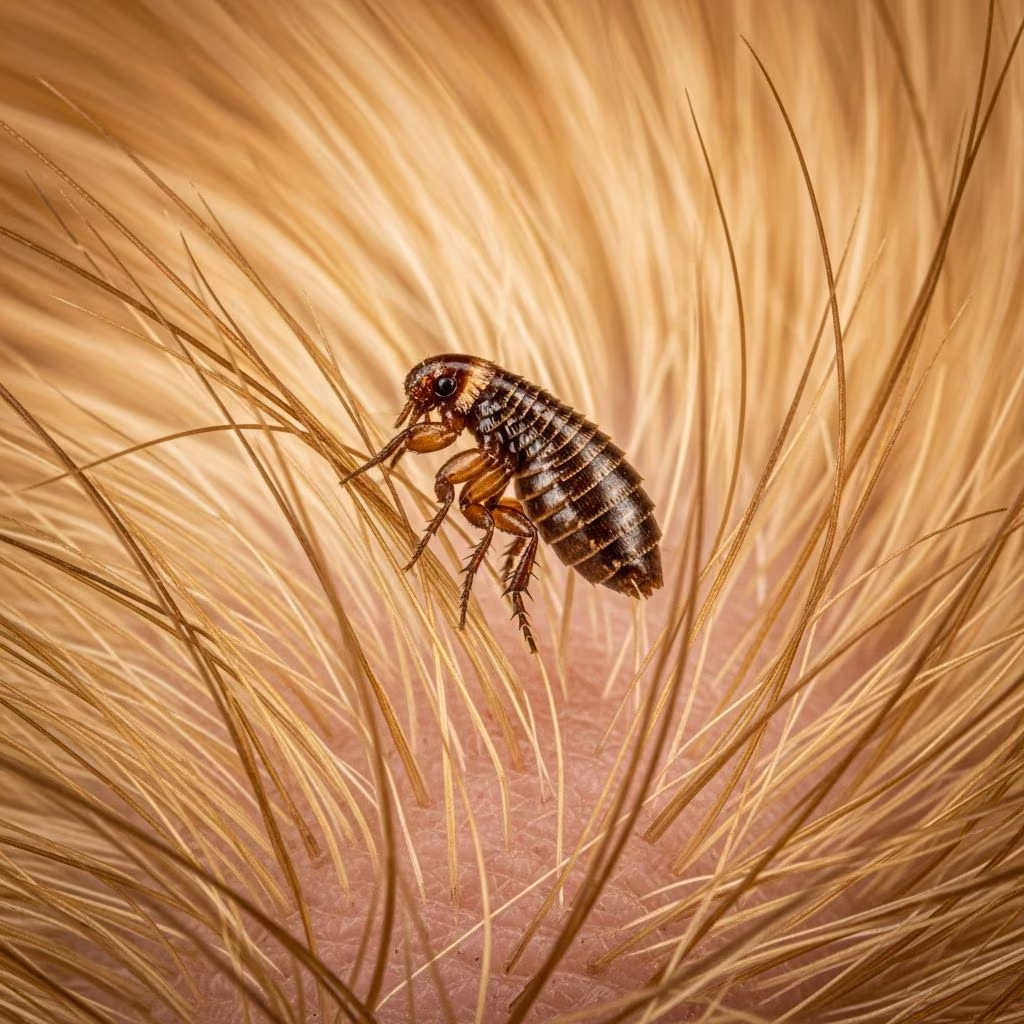
Adult fleas on dogs are small, reddish-brown insects measuring 1-3 millimeters in length, oval-shaped with six legs adapted for jumping up to 200 times their body length. They appear flat from side to side and dark brown to black, making them stand out on light-colored fur but harder to spot on darker coats. In heavy infestations, you may see them scurrying quickly across the skin, especially around the rump, tail base, neck, or groin. Flea eggs are even smaller, white, and oval, often overlooked, while larvae are worm-like and pale.
Signs Your Dog Has Fleas
Fleas cause intense irritation from their bites and saliva, leading to several telltale symptoms. Early detection through these signs can prevent escalation to severe issues like anemia or infections.
- Intense Scratching, Biting, or Chewing: Dogs often scratch frantically, especially at night, targeting the base of the tail, hindquarters, or belly. This stems from itchy flea bites.
- Skin Irritation and Redness: Look for red bumps, scabs, lesions, or hot spots—moist, inflamed areas on the neck, flanks, or tail base. Flea allergy dermatitis exacerbates this in sensitive dogs.
- Flea Dirt: Tiny black or brown pepper-like specks in the fur, actually dried flea feces made of digested blood. Test by wetting on a paper towel; it turns reddish-brown.
- Hair Loss or Bald Patches: Excessive grooming leads to alopecia, rough fur, or wounds from scratching.
- Visible Fleas: In light infestations, they may dart away when fur is parted; heavier cases show them clearly.
- Tapeworm Segments: Rice-like grains near the anus, bedding, or in feces indicate fleas transmitted tapeworm eggs.
- Severe Symptoms: Lethargy, weight loss, pale gums from anemia in puppies or small breeds with heavy infestations.
How to Check Your Dog for Fleas
Regular checks are essential, particularly in warm months or after outdoor exposure. Use these steps for thorough inspection.
- Prepare Tools: Flea comb, magnifying glass, white paper towel, soapy water bowl, and bright light.
- Choose Areas: Focus on flea hotspots: base of tail, rump, neck, ears, armpits, groin, belly, and hind legs.
- Part the Fur: Separate fur in sections against the grain; watch for moving specks or fleas fleeing.
- Comb Thoroughly: Use a fine-tooth flea comb from head to tail. Dip caught fleas in soapy water to kill them. Check comb for fleas or dirt.
- Examine Bedding and Environment: Look for flea dirt, eggs (tiny white ovals), or larvae (small worms) on beds, carpets, or floors.
- Wet Test for Dirt: Place specks on wet towel; red color confirms flea feces.
Dogs with short, light fur make spotting easier, but even absent fleas, symptoms warrant vet consultation.
Fleas vs. Other Pests: Key Differences
Mistaking fleas for ticks or allergies delays treatment. Here’s a comparison:
| Feature | Fleas | Ticks |
|---|---|---|
| Appearance | Tiny (1-3mm), reddish-brown, 6 legs, jump far | Larger, 8 legs, stationary bump when attached |
| Movement | Fast scurrying, jumping | Slow crawling or fixed |
| Signs | Itching, flea dirt, hot spots on back/tail | Bump, no frantic scratching |
| Common Locations | Rump, tail, neck | Head, ears, between toes |
Fleas spread quickly via jumping; ticks embed.
Health Risks of Fleas on Dogs
Beyond itching, fleas transmit diseases and cause secondary issues. Flea allergy dermatitis leads to chronic skin conditions. Heavy infestations cause flea anemia, with pale gums and weakness, especially in puppies. Tapeworms from ingesting fleas affect digestion. Bacterial infections from hot spots or scratches are common. Untreated, these compromise immunity and quality of life.
What to Do If You Find Fleas on Your Dog
Immediate action prevents spread to home and other pets.
- Consult a Vet: Get prescription preventatives like oral topicals safe for your dog’s age/breed.
- Treat the Dog: Bathe with flea shampoo, apply vet-recommended products. Avoid over-the-counter without advice.
- Environmental Control: Vacuum daily, wash bedding hot, use premise sprays or foggers. Treat yard if outdoor access.
- Monitor and Prevent: Monthly preventatives year-round. Re-check weekly.
Treat entire household simultaneously to break the life cycle: eggs, larvae, pupae survive off-host up to months.
Preventing Fleas Year-Round
Prevention beats cure. Use vet-approved monthly topicals, collars, or orals killing fleas at all stages. Regular grooming, yard maintenance (mow, remove debris), and avoiding infested areas help. Indoor dogs need protection too via central heating/AC cycles.
Frequently Asked Questions (FAQs)
Can you always see fleas on dogs?
No, fleas hide in fur and move fast. Light infestations often show via signs like scratching or dirt, not visible bugs.
What does flea dirt look like?
Black pepper-like specks that turn red when wet, indicating digested blood.
Where do fleas hide on dogs?
Commonly at tail base, rump, neck, groin, belly, and hind legs.
Can fleas make my dog anemic?
Yes, severe cases cause blood loss, leading to pale gums, lethargy, worst in puppies.
How do I differentiate fleas from ticks?
Fleas jump with 6 legs; ticks attach with 8 legs, feeling like bumps.
References
- 9 Telltale Signs of Fleas in Dogs — Chewy. 2023. https://www.chewy.com/education/dog/flea-and-tick/signs-of-fleas-on-dogs
- How to Tell If Your Dog Has Fleas and What to Do Next — Bond Vet. 2023. https://bondvet.com/blog/how-to-tell-if-your-dog-has-fleas
- 6 Signs a Dog Has Fleas — Veterinary Emergency Group. 2023. https://www.veg.com/post/dog-has-fleas
- What Do Fleas Look Like on Dogs? — PetMD. 2024-05-15. https://www.petmd.com/dog/what-do-fleas-look-dogs
- How to Check Your Pets for Fleas — Banfield Pet Hospital. 2023. https://www.banfield.com/Wellness-at-banfield/Skin-and-coat-care/How-to-check-for-fleas



