

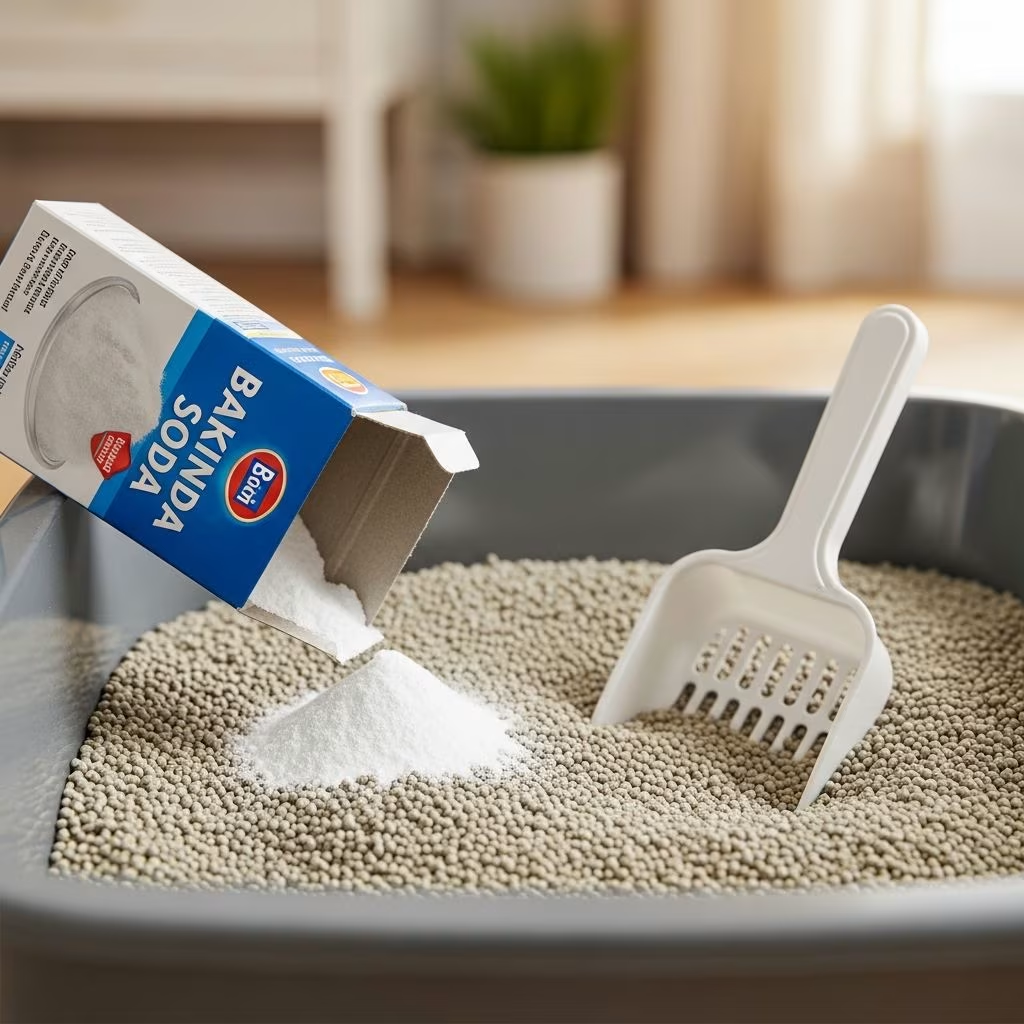
Many cat owners wonder if adding baking soda to cat litter is a safe and effective way to control odors. Baking soda, or sodium bicarbonate, is a popular household deodorizer known for neutralizing smells in refrigerators and carpets. In the context of cat litter boxes, it seems like a natural choice for tackling urine and feces odors. However, opinions are divided: some sources praise it as a non-toxic, cost-effective solution, while others warn of potential health risks and counterproductive effects. This comprehensive guide examines the science, safety, application methods, benefits, drawbacks, and alternatives to help you decide if baking soda belongs in your cat’s litter box.
Is Baking Soda Safe for Cats?
Baking soda is generally considered non-toxic for cats when used in moderation. As a natural mineral compound, it lacks harsh chemicals found in some commercial deodorizers, making it appealing for pet owners seeking gentle options. Veterinary sources confirm that small amounts sprinkled in litter boxes pose minimal risk of ingestion-related harm, as cats typically avoid consuming litter additives. However, safety hinges on proper use—excessive amounts can alter litter texture, potentially deterring cats from using the box or causing irritation if inhaled.
That said, not all experts agree on its harmlessness. Fine baking soda particles can become airborne, contributing to respiratory dust that may irritate a cat’s sensitive lungs, especially in multi-cat households or poorly ventilated areas. Long-term exposure to any dust is a concern for feline asthma sufferers. Always observe your cat’s behavior after introducing it; reluctance to use the litter box or signs like sneezing warrant discontinuation and a vet consultation.
How Does Baking Soda Work in Cat Litter?
Baking soda neutralizes odors through its alkaline properties, with a pH of around 8.4. It absorbs moisture and acidic compounds from urine (pH 5-7), forming less volatile salts that reduce ammonia release—the primary culprit behind litter box smells. This mechanism works well in open-air settings like fridges but behaves differently in enclosed, moist litter environments. When mixed with clay litters (pH 8-9), it can raise overall pH, paradoxically promoting ammonia volatilization instead of containment. This scientific nuance explains conflicting reports on its efficacy.
In practice, a thin layer at the box bottom absorbs initial odors, while mixing small amounts into litter provides ongoing control. Effectiveness peaks with daily scooping and weekly full changes, as baking soda cannot replace proper hygiene.
Pros and Cons of Using Baking Soda in Cat Litter
Using baking soda offers clear advantages but comes with caveats. Below is a comparison table summarizing key pros and cons based on expert insights:
| Pros | Cons |
|---|---|
| Natural and Non-Toxic: Safe for cats and humans, free of synthetic fragrances. | Increased Dust: Fine powder becomes airborne, worsening litter dust issues. |
| Cost-Effective: Inexpensive (under $1 per box treatment) compared to deodorizers. | Poor Odor Control in Some Litters: Raises pH, releasing more ammonia in clay litters. |
| Easy to Apply: No special tools needed; quick daily sprinkle. | Health Risks: Ammonia irritation to respiratory system; gritty texture may deter cats. |
| Versatile Odor Neutralizer: Absorbs urine and feces smells effectively short-term. | Not a Cleaning Substitute: Cannot break down waste; requires frequent litter changes. |
Step-by-Step Guide: How to Use Baking Soda in Cat Litter
If you decide to try baking soda, follow these steps for optimal results and safety:
- Prepare the Box: Empty all old litter, scrub with mild soap and warm water, rinse thoroughly, and dry completely to prevent clumping.
- Base Layer: Sprinkle 1/4 to 1/2 cup of baking soda evenly across the bottom for a standard box (adjust for size).
- Add Litter: Pour 2-3 inches of high-quality clumping litter over the baking soda, ensuring full coverage.
- Mix Additional Soda: Gently stir in 1-2 tablespoons per pound of litter for enhanced control, avoiding excess to prevent grittiness.
- Maintain Routine: Scoop daily, top up litter as needed, and fully replace every 1-2 weeks. Spot-clean with soda between changes.
- Monitor Cat: Watch for avoidance or irritation; reduce amount if issues arise.
Pro Tip: Use in well-ventilated areas and pair with low-dust litters like corn or pine-based options for best outcomes.
Potential Risks and Side Effects
While benefits tempt many, risks deserve attention. Dust from baking soda exacerbates litter box clouds, which cats and owners inhale during digging and scooping. This is particularly problematic for declawed cats or those with respiratory conditions. Elevated pH can liberate ammonia gas, leading to eye/sinus irritation and chronic exposure risks like lung inflammation—concerns echoed in pet health studies on environmental irritants.
Overuse creates a gritty feel, prompting litter box avoidance and potential house soiling. Ingestion is rare but could cause mild gastrointestinal upset. Sensitive cats may react to the taste or texture, rejecting the box entirely. These issues underscore the need for moderation and alternatives if problems occur.
Alternatives to Baking Soda for Litter Box Odor Control
Not convinced by baking soda? Consider these vet-recommended, natural alternatives:
- Enzymatic Cleaners: Break down urine proteins at the molecular level, eliminating odors permanently. Safe, effective for deep cleans.
- Natural Litters: Corn, wheat, or pine litters with built-in odor control; low-dust and clumping.
- Activated Charcoal or Zeolite: Superior absorbers that trap odors without pH alteration.
- Litter Additives: Commercial probiotic powders that promote beneficial bacteria to neutralize waste.
- Air Purifiers: HEPA models with carbon filters capture airborne smells house-wide.
- Silica Gel Crystals: Absorb moisture rapidly, reducing bacterial growth and ammonia.
Combining methods—like enzymatic sprays with natural litters—often yields superior, baking soda-free results.
Frequently Asked Questions (FAQs)
Is baking soda toxic to cats if they ingest it?
Baking soda is non-toxic in small amounts but large ingestions can cause vomiting or electrolyte imbalances. Use sparingly to minimize risk.
Will baking soda stop my cat from using the litter box?
Possibly, if too gritty or dusty. Start with minimal amounts and transition slowly if switching.
How often should I add baking soda to litter?
Sprinkle daily after scooping, with full refresh weekly during litter changes.
Does baking soda work with all litter types?
Best with clumping clay or natural litters; avoid non-clumping varieties where pH effects amplify.
Can I use baking soda for puppy pads or other pets?
Yes, similar principles apply, but consult species-specific advice for safety.
Expert Tips for a Fresh Litter Box
Maintain success with these strategies:
- Scoop twice daily without fail.
- Choose larger boxes for multi-cat homes (1.5x cat length).
- Place in quiet, accessible, ventilated spots.
- Test litters gradually to match cat preferences.
- Address medical issues like UTIs promptly, as they intensify odors.
Ultimately, while baking soda offers accessible odor relief, its limitations make it a supplementary tool—not a panacea. Prioritize hygiene, quality litter, and your cat’s comfort for a harmonious home.
References
- 3 Reasons Not to Use Baking Soda in Cat Litter — World’s Best Cat Litter. 2023-05-15. https://www.worldsbestcatlitter.com/blog/3-reasons-not-to-use-baking-soda-in-cat-litter/
- Baking Soda for Cat Litter Box: A Natural Solution for Odor Control — UAH Pet. 2024-02-10. https://www.uahpet.com/blogs/post/baking-soda-for-cat-litter-box-a-natural-solution-for-odor-control
- How to Eliminate Odor from Cat Litter Boxes Naturally — First Saturday Lime. 2023-11-20. https://firstsaturdaylime.com/blogs/pets-yards/remove-litter-box-odors
- 7 Tips to Make a Stinky Litter Box Smell Fresh & Clean — Modkat. 2024-01-05. https://modkat.com/blogs/modkat-purrr/7-tips-to-make-a-stinky-litter-box-smell-fresh-amp-clean
- 8 Ways To Get Rid of Cat Litter Smell Fast — Rabbit Air. 2023-08-12. https://www.rabbitair.com/blogs/air-purifier/8-ways-to-get-rid-of-cat-little-smell-fast



