

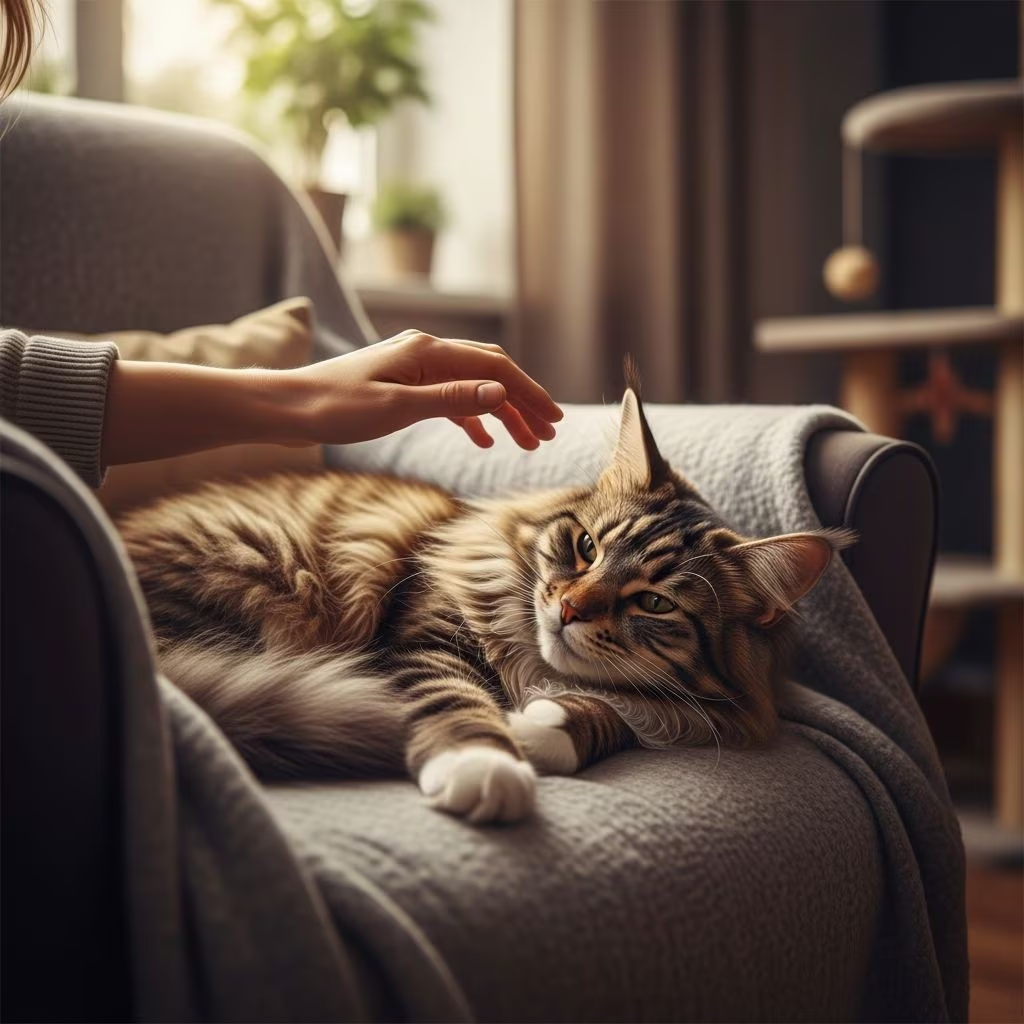
Deep affection for cats is common among pet owners, but there comes a point where love might tip into excess, affecting both the cat’s well-being and the owner’s life. Understanding the boundaries of healthy attachment helps ensure a thriving relationship.
Understanding Cat-Human Bonds
Cats form strong emotional connections with their humans, often displaying affection through purring, rubbing, and slow blinks. These behaviors mimic feline social cues, suggesting cats perceive owners as part of their social group. However, human love expressed through constant interaction can overwhelm a cat’s independent nature.
Research indicates cats thrive with a balance of companionship and solitude. Over-involvement may lead to stress signals like hiding or aggression. Healthy bonds respect the cat’s need for autonomy while providing security.
Signs You Might Be Loving Your Cat Too Much
Excessive love manifests in behaviors that prioritize the cat above all else. Key indicators include:
- Spending over 80% of your free time solely with your cat, neglecting social or professional commitments.
- Treating your cat like a child, such as using baby talk excessively or dressing them in outfits that cause discomfort.
- Experiencing anxiety or distress when separated from your cat for even short periods, like work hours.
- Allowing your home to become cluttered with cat items, impacting livability.
- Ignoring your cat’s stress signals, such as tail flicking or ear pinning, in pursuit of more cuddles.
These signs suggest attachment has shifted from nurturing to dependency, potentially harming both parties.
Effects on Your Cat’s Health and Behavior
Cats are solitary hunters by nature, evolved for independence. Too much love can disrupt this:
- Stress and Anxiety: Constant handling leads to elevated cortisol levels, causing urinary issues or over-grooming.
- Obesity: Overfeeding as an expression of love results in weight gain; the Association of American Feed Control Officials notes obesity affects 60% of indoor cats.
- Social Withdrawal: Cats may become overly dependent, failing to develop resilience for alone time.
- Behavioral Issues: Excessive petting can provoke play aggression or litter box avoidance.
Observing natural behaviors like self-grooming and play hunting ensures your cat remains mentally stimulated without overload.
Impacts on the Cat Owner
Overattachment affects owners profoundly:
| Aspect | Healthy Love | Excessive Love |
|---|---|---|
| Social Life | Maintains friendships and family ties | Isolates from others, prioritizing cat |
| Mental Health | Boosts well-being through companionship | Leads to loneliness or codependency |
| Finances | Reasonable vet and food expenses | Extravagant spending on toys, food, insurance |
| Daily Routine | Balanced schedule | Cat dictates sleep, meals, activities |
Owners may forgo vacations, relationships, or career opportunities, leading to resentment or burnout.
Expert Advice: Finding the Balance
Veterinarians and behaviorists recommend structured interaction. Dr. John Bradshaw, author on cat behavior, emphasizes viewing humans as ‘fellow felines’ – provide resources like multiple litter boxes and scratching posts per cat, mimicking a colony setup.
Best practices include:
- Daily play sessions of 15-20 minutes using wand toys to simulate hunting.
- Enrichment like puzzle feeders and window perches for independent activity.
- Socialization with other pets or people under supervision.
- Professional training for boundary-setting.
Multi-cat households succeed with one litter box per cat plus one extra, preventing territorial stress.
When Loving Multiple Cats Becomes Too Much
The number of cats isn’t the issue; management is. Signs of overload:
- Fights or bullying among cats.
- Inadequate space – aim for 18 square feet per cat minimum.
- Owner exhaustion from cleaning or vet bills.
For multi-cat homes, monitor hierarchies and provide vertical spaces like cat trees.
Healthy Ways to Express Love for Your Cat
Channel affection productively:
- Quality Time: Interactive play over passive lap-sitting.
- Health Focus: Regular vet check-ups, vaccinations, and dental care.
- Training: Teach tricks like high-five for mental engagement.
- Grooming: Brush weekly to build trust without overwhelming.
- Boundaries: Respect ‘no pet’ signals like swatting.
Volunteering at shelters or fostering extends love without home overload.
Can Cats Feel Love? Understanding Feline Affection
Cats express love subtly: head bunting deposits pheromones, kneading releases endorphins, and following you indicates security. Five cat personalities influence this:
- Curious: Explores boldly, affectionate explorers.
- Skittish: Needs gentle coaxing for bonds.
- Social: Thrives on attention but risks codependency.
- Fearful: Prefers distance; force affection harms trust.
- Grouchy: Independent, shows love on terms.
Factors like early socialization and breed affect affection levels.
Frequently Asked Questions (FAQs)
Q: How do I know if my cat loves me?
A: Look for slow blinks, purring while rubbing against you, and bringing ‘gifts’ like toys – these are feline love languages.
Q: Is it bad to sleep with my cat?
A: It’s fine if both enjoy it, but ensure hygiene and no allergies; cats may disrupt sleep cycles.
Q: What if my cat ignores me sometimes?
A: Cats are independent; provide enrichment and don’t force interaction to avoid resentment.
Q: Can too much love make my cat sick?
A: Yes, stress from over-handling can cause health issues like cystitis; watch for hiding or aggression.
Q: How many cats is too many?
A: No fixed number; depends on space, time, and resources. Monitor for stress in cats and yourself.
Q: Should I spoil my cat with treats?
A: Moderation is key; treats should be under 10% of diet to prevent obesity.
This comprehensive guide ensures your love for your cat enhances life without crossing into excess. Prioritize mutual respect for a joyful companionship.
References
- Cat Behaviour: Does Your Cat Believe That You’re a Cat, Too? — Catster. 2023-05-15. https://www.catster.com/lifestyle/cat-behavior-john-bradshaw-book-believe-fellow-feline/
- Can Cats Feel Love? Vet Reviewed Facts & Considerations — Catster. 2024-08-20. https://www.catster.com/lifestyle/can-cats-feel-love/
- How Many Cats Is Too Many? Tips for Happy Multi-Cat Homes — PureWow. 2023-11-10. https://www.purewow.com/family/how-many-cats-is-too-many
- Obesity in Cats: Management & Prevention Guidelines — Association of American Feed Control Officials (AAFCO). 2024-01-01. https://www.aafco.org/
- Understanding Feline Stress and Health Impacts — American Veterinary Medical Association (AVMA). 2025-03-12. https://www.avma.org/resources-tools/pet-owners/petcare/feline-stress



