

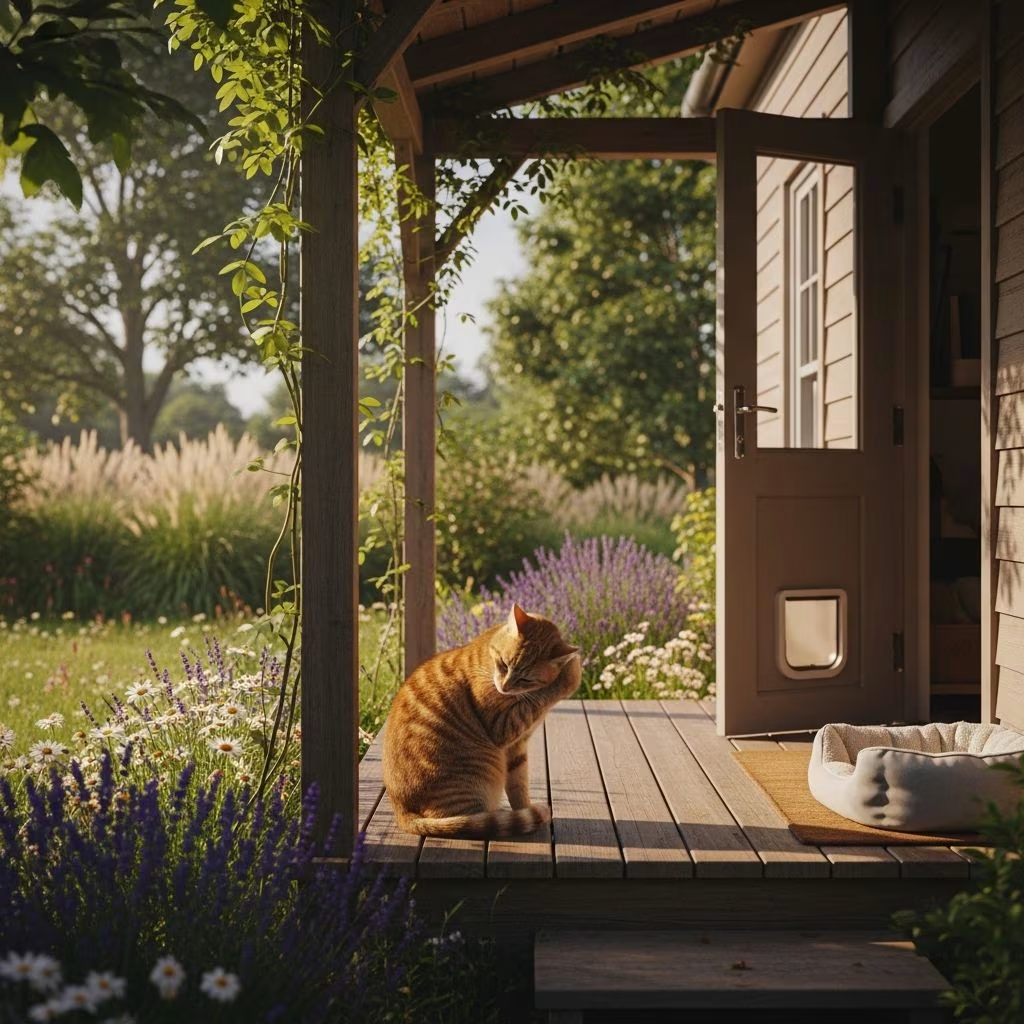
Deciding whether to let your cat roam outdoors is a common dilemma for pet owners. Cats are natural explorers, drawn to the sights, sounds, and smells of the outside world. However, the great outdoors poses significant risks that can shorten a cat’s lifespan and compromise their health. Indoor cats typically live 12-15 years or more, while outdoor cats average only 2-5 years due to hazards like traffic, predators, diseases, and parasites.
This comprehensive guide breaks down the pros and cons of outdoor access, assesses real-world dangers, and offers practical, safe alternatives to satisfy your cat’s instincts without endangering their life. Whether you’re a new cat owner or reconsidering your current setup, understanding these factors is crucial for responsible pet parenting.
The Risks of Letting Cats Outdoors
Free-roaming cats face a multitude of threats that indoor-only cats avoid entirely. Veterinary data consistently shows elevated mortality rates from preventable causes.
- Traffic Accidents: Road traffic is a leading killer. Studies reveal trauma accounts for 39% of sudden cat deaths, with 87% from vehicles. In one analysis, 45% of tracked cats crossed roads, and collisions often result in immediate death or severe injuries like amputations and organ damage.
- Predators and Fights: Coyotes, dogs, feral cats, foxes, and birds of prey target cats. Territorial scuffles lead to abscesses, deep wounds, and disease transmission.
- Diseases and Parasites: Outdoor exposure heightens risks of FIV, FeLV, rabies, upper respiratory infections, fleas, ticks, worms, and lice. Unvaccinated strays amplify transmission.
- Toxins and Hazards: Antifreeze, pesticides, rat poison, and toxic plants are common lures. Cats may ingest them while hunting or grooming.
- Getting Lost or Stolen: Cats wander far, risking permanent separation, trapping in sheds, or theft.
- Environmental Impact: Cats kill billions of birds and small mammals yearly, disrupting ecosystems.
These risks compound in urban or suburban areas with heavy traffic and predators. Even “street-smart” cats aren’t immune—nighttime visibility issues and sudden dangers prove fatal.
Benefits of Outdoor Access for Cats
Despite the dangers, outdoor time offers undeniable welfare perks, fulfilling cats’ innate needs as hunters and climbers.
- Exercise and Weight Control: Roaming prevents obesity through natural activity like climbing and chasing.
- Mental Stimulation: Novel scents, sights, and textures reduce boredom, stress, and behaviors like furniture scratching.
- Sunlight and Fresh Air: Vitamin D from sun exposure boosts immunity and mood; fresh air aids respiratory health.
- Reduced Indoor Conflicts: In multi-cat homes, outdoor escapes ease territorial tension.
- Natural Hunting Instincts: Prey pursuit satisfies predatory drives, promoting psychological well-being.
Supporters argue confined indoor life leads to frustration, but evidence shows enrichment can replicate these benefits safely.
Indoor vs. Outdoor Cats: A Comparison
To quantify the debate, consider this table summarizing key health and lifespan metrics based on veterinary insights:
| Aspect | Indoor Cats | Outdoor Cats |
|---|---|---|
| Average Lifespan | 12-15+ years | 2-5 years |
| Disease Risk (FIV/FeLV) | Low | High |
| Parasite Exposure | Minimal | Frequent (fleas, ticks, worms) |
| Trauma/Predation Risk | Very Low | High (cars, animals) |
| Obesity Risk | Higher | Lower |
| Mental Stimulation | Requires enrichment | Natural and abundant |
Data from clinics and studies confirm indoor cats’ superior longevity and health outcomes, though they need proactive care to thrive.
Can Indoor Cats Be Happy?
Absolutely. Many owners worry indoor life bores cats, but targeted strategies mimic outdoor perks:
- Interactive toys, puzzle feeders, and laser pointers for hunting simulation.
- Window perches, cat trees, and shelves for climbing and viewing wildlife.
- Daily play sessions (15-30 minutes) to burn energy.
- Rotating toys and scents (catnip, silver vine) for novelty.
- Companion animals or aquariums for visual stimulation.
Veterinarians note indoor cats with enrichment show no more behavioral issues than outdoor ones. Transition tips: Gradually acclimate kittens to indoors and provide high resting spots to reduce stress.
Safe Ways to Let Your Cat Enjoy the Outdoors
Compromise with controlled access to blend benefits and safety. Veterinary teams endorse these over free-roaming.
- Catios and Enclosures: Screened patios or balcony cages allow exploration without escape. Custom builds start at $200; pre-made options suit apartments.
- Cat-Proof Fencing: Roller-top or inward-angled fences prevent climbing out. Ideal for yards.
- Leash and Harness Training: Start young; use escape-proof gear. Supervised walks provide adventure.
- Tie-Outs: Secure lines in safe yards, always supervised.
Microchipping, spaying/neutering, and up-to-date vaccines are essential regardless. Consult vets for personalized advice.
Factors to Consider Before Allowing Outdoor Access
Not all environments suit outdoor cats:
- Location: Rural areas have predators; urban spots mean traffic/toxins.
- Cat’s Age/Health: Kittens, seniors, or ill cats fare worse outside.
- Temperament: Bold cats roam farther, heightening risks.
- Local Laws: Some areas ban free-roaming or require leashes.
- Predator Presence: Check for coyotes, hawks via neighborhood reports.
Weigh these against your commitment to monitoring and emergency response.
Frequently Asked Questions (FAQs)
Is it cruel to keep cats indoors?
No. With proper enrichment, indoor cats live longer, healthier lives without welfare deficits.
How do I transition an outdoor cat to indoor life?
Use gradual confinement, ample play, and pheromone diffusers. Most adapt in weeks.
Are there cat breeds better suited for outdoors?
No breed is inherently safer; all face similar risks. Focus on individual needs.
What if my cat begs to go out?
Redirect with toys or safe alternatives. Begging often stems from habit, not necessity.
Do outdoor cats need different vaccines?
Yes, plus FeLV/FIV testing and regular parasite preventives.
Conclusion: Prioritize Safety with Smart Alternatives
While outdoor access tempts with natural joys, the evidence overwhelmingly favors indoor living supplemented by secure outdoor options. Free-roaming shortens lives and invites suffering—choose catios, leashes, or enrichment to let your cat thrive safely. Your decision shapes their future; opt for longevity and joy over risky freedom. Consult your vet to tailor a plan today.
References
- Should I Let my Cat Outside in Winter Haven, FL? — VHA Vets. Accessed 2026. https://vhavets.com/blog/should-i-let-my-cat-outside-in-winter-haven-fl/
- Pros and cons: Indoor vs. outdoor cats — Banfield Pet Hospital. Accessed 2026. https://www.banfield.com/Wellness-at-banfield/kitten-hub/indoor-vs-outdoor-cats
- Indoor vs. Outdoor Cats: Health Risks and Benefits — Orchard Road Animal Hospital. Accessed 2026. https://www.orchardroadanimalhospital.com/services/cats/blog/indoor-vs-outdoor-cats-health-risks-and-benefits
- Should You Let Your Cat Outside? Risks, Benefits, and Safer Options — OVRS. Accessed 2026. https://www.ovrs.com/blog/should-you-let-your-cat-outside-risks-benefits-and-safer-options/
- Uncontrolled Outdoor Access for Cats: An Assessment of Risks and Benefits — PMC (Peer-reviewed). 2020-03-04. https://pmc.ncbi.nlm.nih.gov/articles/PMC7070728/
- Are outdoor cats happier? — Animal Humane Society. Accessed 2026. https://www.animalhumanesociety.org/resource/are-outdoor-cats-happier



