

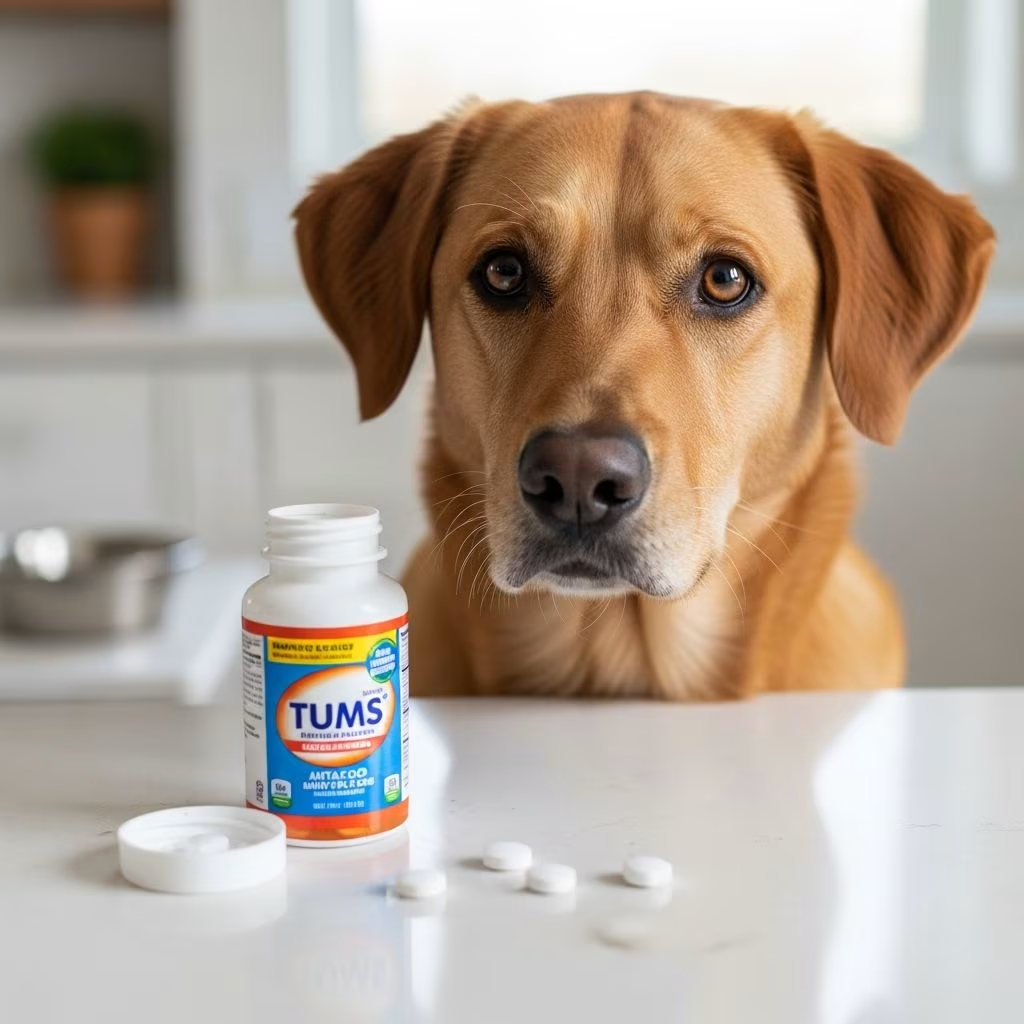
When your dog is experiencing stomach discomfort, gas, or acid reflux, it’s natural to look for quick relief. Many pet parents wonder if human antacids like Tums are safe and effective for dogs. Tums, with their active ingredient calcium carbonate, are commonly used by humans for heartburn and indigestion. But can you give dogs Tums? The short answer is yes, in small, vet-approved doses, Tums are generally non-toxic and safe for most healthy dogs. However, they are not the first-line treatment for canine gastrointestinal issues and should only be administered under veterinary guidance.
This comprehensive guide covers everything you need to know about giving Tums to dogs, including safety, dosages, potential side effects, when to use them, and better alternatives for managing your dog’s upset stomach. We’ll also address common scenarios like post-whelping calcium needs and grape toxicity concerns.
Are Tums Safe for Dogs?
Tums are considered non-toxic to dogs when given in appropriate amounts. The primary active ingredient, **calcium carbonate**, is a naturally occurring compound found in sources like eggshells, oyster shells, and leafy greens. It works as an antacid by neutralizing stomach acid, providing relief from heartburn, flatulence, and indigestion.
However, safety depends on your dog’s health status, size, and the specific Tums variety. Most dogs tolerate small doses well, but those with kidney disease, hypercalcemia (high blood calcium), or on certain medications may experience complications. Always consult your vet before offering Tums, as they can interact with other treatments or exacerbate underlying conditions.
- Generally safe for: Healthy dogs with mild acid reflux or short-term indigestion.
- Use with caution in: Dogs with kidney issues, heart disease, or pregnant/lactating females.
- Never give to: Dogs with known hypercalcemia or allergies to calcium carbonate.
What Are Tums Used for in Dogs?
Veterinarians may recommend Tums for specific canine health needs beyond simple antacid use. Here’s a breakdown of common applications:
| Use Case | Purpose | Typical Dosage (Vet-Approved) |
|---|---|---|
| Antacid for Upset Stomach | Neutralizes excess stomach acid, relieves gas and heartburn | 0.5–5 grams every 4 hours as needed (e.g., 500mg small dog, 2000mg large dog) |
| Calcium Supplementation | Post-whelping support for nursing mothers to prevent hypocalcemia | 70–185 mg/kg/day, divided doses |
| Phosphate Binder | Manages phosphorus buildup in kidney failure patients | Vet-monitored, low doses to avoid calcium overload |
| Grape/Raisin Toxicity Aid | May bind tartaric acid during transport to clinic (experimental) | 70–185 mg/kg single dose en route |
Note: Dosages are approximate and must be tailored by a veterinarian. Overdosing can lead to serious issues like constipation or hypercalcemia.
Are Tums Recommended for Dogs with Upset Stomachs?
While Tums can provide temporary relief, they are not typically the first choice for treating dog stomach aches. Canine digestive systems differ from humans, and issues like gastroenteritis, dietary indiscretion, or pancreatitis require targeted interventions. Tums may help with acid-related symptoms but won’t address underlying causes like infections or obstructions.
Vets often prefer canine-specific medications such as:
- Famotidine (Pepcid): H2 blocker for faster acid reduction.
- Omeprazole: Proton pump inhibitor (PPI) for longer-lasting relief.
- Sucralfate: Protects the stomach lining.
Conditions where Tums might be suggested include mild reflux or as a bridge until vet care is available. For grape toxicity, some vets recommend Tums during transport to potentially bind the toxin (tartaric acid) as calcium tartrate, though evidence is anecdotal and not a substitute for decontamination and IV fluids.
Possible Side Effects of Tums in Dogs
Even safe medications carry risks. Common side effects of calcium carbonate in dogs include:
- Gastrointestinal: Diarrhea, constipation, vomiting (especially sugar-free varieties with sorbitol).
- Metabolic: Hypercalcemia, leading to weakness, increased thirst/urination, or kidney strain.
- Drug Interactions: Reduces absorption of antibiotics, thyroid meds, or iron supplements.
Dogs with chronic kidney disease are particularly vulnerable, as excess calcium can worsen phosphorus imbalances or cause soft tissue calcification. Monitor for signs of overdose: lethargy, tremors, or irregular heartbeat, and seek emergency care immediately.
Do Tums Have Xylitol or Other Toxins?
Standard varieties (Regular, Extra-Strength, Ultra-Strength) do not contain xylitol, a deadly sugar substitute for dogs causing hypoglycemia and liver failure. However:
- Sugar-Free Tums: Contain sorbitol, which may cause diarrhea in large amounts but is safer than xylitol.
- Flavored Tums: Some fruit or mint flavors might include artificial sweeteners—always read labels.
**Pro Tip:** Choose plain, unflavored Tums and verify ingredients. Crush tablets into powder for easier administration if your dog won’t chew them.
Tums Dosage for Dogs: A Vet-Guided Chart
Dosage varies by dog weight and condition. Use this as a reference only—consult your vet for precise amounts.
| Dog Weight | Antacid Dose (mg calcium carbonate) | Frequency | Approx. Tums Tablets (750mg each) |
|---|---|---|---|
| <10 lbs (Small) | 500 mg | Every 4-6 hours | ½–1 tablet |
| 10-50 lbs (Medium) | 750–1000 mg | Every 4-6 hours | 1–1.5 tablets |
| >50 lbs (Large) | 2000 mg | Every 4-6 hours | 2–3 tablets |
Do not exceed 90 mg/kg per dose or use long-term without monitoring blood calcium levels.
Better Alternatives to Tums for Dog Stomach Issues
For optimal care, consider these vet-recommended options:
- Bland Diet: Boiled chicken/rice for 24-48 hours.
- Probiotics: Restore gut flora (e.g., FortiFlora).
- Prescription Meds: Famotidine (0.5 mg/kg), omeprazole (0.7 mg/kg)—more effective than antacids.
- Home Remedies: Slippery elm bark or canned pumpkin for mild cases.
PPIs like omeprazole outperform calcium carbonate for sustained acid control, with fewer side effects in pets.
When to See a Vet Instead of Giving Tums
Skip Tums and rush to the vet if your dog shows:
- Bloody/vomiting, diarrhea lasting >24 hours.
- Lethargy, abdominal pain (hunched posture).
- Signs of bloat, dehydration, or toxin ingestion (e.g., grapes).
Early intervention prevents complications like aspiration pneumonia or renal failure.
Frequently Asked Questions (FAQs)
Can you give dogs Tums for an upset stomach?
Yes, in vet-approved doses for mild cases, but alternatives like famotidine are often better.
What happens if a dog eats a whole bottle of Tums?
Possible hypercalcemia, GI upset—induce vomiting if recent and call a pet poison hotline or vet ER.
Can I give my pregnant dog Tums?
Avoid pre-whelping; safe post-whelping for calcium support under supervision.
Do Tums help dogs with kidney disease?
Only as a vet-prescribed phosphate binder—never self-administer.
Is sugar-free Tums safe for dogs?
Sorbitol may cause loose stools, but no xylitol risk in standard formulas.
References
- Could Tums Help Dogs With Grape Toxicity? — IndeVets. 2023. https://indevets.com/blog/can-tums-help-dogs-grape-toxicity/
- Can You Give Dogs Tums? How to Relieve Stomach Aches — Kinship. 2023. https://www.kinship.com/dog-health/can-you-give-dogs-tums
- Vet Guide to Antacids in 2025: Safe Stomach Relief for Dogs & Cats — AskAVet. 2025. https://askavet.com/blogs/news/vet-guide-to-antacids-in-2025-safe-stomach-relief-for-dogs-cats-%F0%9F%90%BE
- Calcium Carbonate (Tums) for Dogs and Cats — PetPlace. 2023. https://www.petplace.com/article/drug-library/drug-library/library/calcium-carbonate-dogs-cats
- Can I Give Antacids to My Pet? — PetMD. 2023. https://www.petmd.com/pet-medication/can-i-give-antacids-my-pet
- Can Dogs Have Tums? — Whole Dog Journal. 2023. https://www.whole-dog-journal.com/health/digestion/can-dogs-have-tums/



