

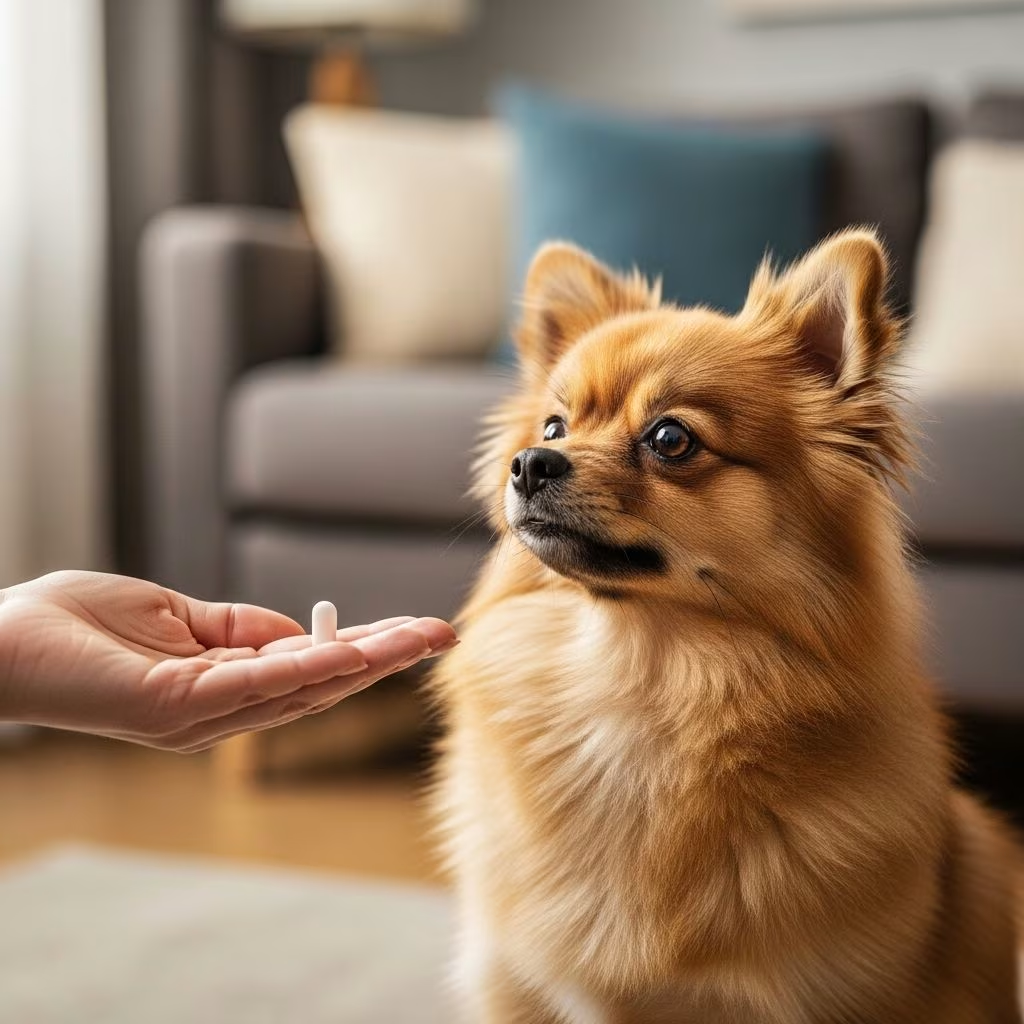
Can You Give Dogs Melatonin?
Many pet owners search for natural ways to help their dogs with sleep problems, anxiety, and other health concerns. Melatonin has emerged as a popular supplement option that some consider safer than prescription medications. But before giving your dog melatonin, it’s important to understand whether it’s safe, how much to give, and what potential side effects to monitor.
Is Melatonin Safe for Dogs?
Yes, melatonin is generally considered safe for dogs when administered properly. According to the American Society for the Prevention of Cruelty to Animals (ASPCA), melatonin is a safe supplement to give to your dog. The limited research available on melatonin use in animals has not identified a toxic dose, meaning a significant amount of the supplement would be needed to cause an overdose.
Melatonin is a naturally produced hormone that regulates sleep-wake cycles in both humans and animals. As a supplement, it has a low risk of harmful effects when dosed appropriately. There have been no official reports of severe side effects or death in dogs resulting from melatonin use. However, it’s crucial to use melatonin supplements specifically formulated for dogs rather than human supplements, as these may contain harmful additives.
One important consideration: avoid melatonin supplements that contain xylitol, a common sweetener that is toxic to dogs. Always check product labels carefully and consult with your veterinarian before starting any supplement regimen.
Why Might You Give Your Dog Melatonin?
Pet owners consider melatonin for several reasons, including:
- Sleep disorders: Melatonin can help dogs sleep better, especially those experiencing canine cognitive dysfunction disorder (doggy dementia)
- Anxiety and restlessness: The supplement’s calming effects may help dogs with separation anxiety or noise-related anxiety
- Hair loss (alopecia): Some veterinarians recommend melatonin to help manage certain skin conditions
- Behavioral issues: Dogs with nighttime anxiety or restlessness may benefit from melatonin’s natural calming properties
How Long Does Melatonin Take to Work?
Melatonin can take between 30 minutes to 2 hours to become effective. This means you should plan to give the supplement well in advance of when you want the calming or sleep-inducing effects to occur. For example, if you’re using melatonin to help your dog sleep through the night, administer it 30 minutes to 2 hours before bedtime. If you’re preparing for an anxiety-inducing event like a thunderstorm or fireworks, give it accordingly to ensure it takes effect before the stressful situation begins.
Melatonin Dosage for Dogs by Weight
The proper dosage of melatonin depends on your dog’s weight, age, health status, and the condition being treated. Rather than using a one-size-fits-all approach, veterinarians recommend weight-based dosing guidelines. Here’s a comprehensive breakdown:
| Dog Size/Weight | Recommended Dosage | Common Uses |
|---|---|---|
| Toy dogs (10 lbs and under) | 0.75 to 1 mg | Sleep, anxiety |
| Small dogs (10-25 lbs) | 1 to 1.5 mg | Sleep, anxiety |
| Medium dogs (25-50 lbs) | 2 to 3 mg | Sleep, anxiety, alopecia |
| Large dogs (50-100 lbs) | 3 to 5 mg | Sleep, anxiety, alopecia |
| Extra-large dogs (over 100 lbs) | 3 to 6 mg | Sleep, anxiety, alopecia |
Over-the-counter melatonin supplements typically range from 1 to 6 milligrams. The exact dosage your dog needs will depend on what condition you’re treating and what your veterinarian recommends. For sleep disorders and anxiety, dogs generally need 1-5 mg depending on size, while hair loss treatment may require 3-12 mg depending on the dog’s weight.
It’s essential to note that these are general guidelines, and individual dogs may require dosage adjustments based on their specific health needs and other medications they take. Always consult with your veterinarian to determine the appropriate dosage for your pet.
Can You Give Your Dog Too Much Melatonin?
Based on current research, it would be extremely difficult to overdose on melatonin. Melatonin is typically safe even in high doses, so overdosing is uncommon. However, if your dog were to consume an entire bottle or a massive dose, the main concern would be a ball of pills forming in the stomach that could get stuck in the intestinal tract. In such cases, you may want to call the pet poison helpline, and your dog may need hospitalization and treatment depending on symptoms.
That said, giving your dog more melatonin than recommended can lead to unpleasant side effects, even if it’s not considered toxic. The key is to follow your veterinarian’s recommended dosage and observe your dog’s response to the initial dose.
Common Side Effects of Melatonin in Dogs
While melatonin is generally safe, some dogs may experience side effects. It’s uncommon for melatonin to cause harmful effects in dogs, but pet owners should be aware of potential reactions:
- Lethargy upon waking: The most common side effect is drowsiness or sleepiness the morning after administration
- Digestive issues: Stomach upset, indigestion, cramping, or altered bowel movements
- Irregular sleep patterns: Some dogs may experience disrupted sleep cycles
- Increased heart rate: Melatonin can sometimes cause changes in heart rhythm
- Weight gain: Long-term use may contribute to weight changes
- Increased itchiness: Some dogs may experience skin-related itching
- Confusion or vivid dreams: Dogs may appear disoriented or have unusual dream activity
- Changes in fertility: Long-term use may affect reproductive function
Most side effects are mild and resolve with dosage adjustment or discontinuation of the supplement. When giving your dog melatonin for the first time, watch carefully for possible side effects such as indigestion, stomach cramps, confusion, or allergic reactions.
Special Considerations for Diabetic Dogs
In rare cases, melatonin might affect insulin levels in diabetic dogs, making blood sugar monitoring important for these pets. If your dog has diabetes, inform your veterinarian before starting melatonin, and ensure regular blood sugar monitoring if the supplement is recommended.
Choosing the Right Melatonin Supplement for Dogs
Not all melatonin supplements are created equal. When selecting a melatonin product for your dog, keep these considerations in mind:
- Choose dog-specific formulations: Use melatonin supplements specifically formulated for canine health rather than human supplements
- Check for harmful ingredients: Avoid products containing xylitol or other potentially harmful additives
- Look for preweighed options: Supplements that come preweighed allow for easy and accurate dosage administration
- Verify product quality: Purchase from reputable manufacturers and check for third-party testing when available
- Read product labels carefully: Understand all ingredients and follow the manufacturer’s recommendations
When to Consult Your Veterinarian
While melatonin is generally safe, consulting with your veterinarian is essential before starting any supplement regimen. Your vet can:
- Determine if melatonin is appropriate for your dog’s specific condition
- Prescribe the correct dosage based on your dog’s weight, age, and health status
- Discuss potential interactions with any medications your dog takes
- Monitor your dog’s response to the supplement over time
- Adjust dosages as needed based on your dog’s individual response
Frequently Asked Questions
Q: Will melatonin make my dog sleep?
A: Yes, melatonin can help dogs sleep better, especially those experiencing canine cognitive dysfunction disorder or nighttime anxiety. However, the effectiveness varies by individual dog, and it typically takes 30 minutes to 2 hours to take effect.
Q: Is human melatonin safe for dogs?
A: Human melatonin supplements are not recommended for dogs because they may contain additional ingredients that are harmful to canines, particularly xylitol, a common sweetener. Always use melatonin specifically formulated for dogs.
Q: How often can I give my dog melatonin?
A: The frequency depends on your dog’s condition and your veterinarian’s recommendations. Some dogs may take melatonin daily, while others may only need it occasionally for specific situations like anxiety-inducing events.
Q: What should I do if my dog overdoses on melatonin?
A: If your dog consumes a massive dose of melatonin, contact the pet poison helpline. While melatonin is not typically toxic, excessive amounts could cause a ball of pills to form in the stomach. Veterinary treatment may be necessary depending on symptoms.
Q: Can melatonin be combined with other supplements?
A: Some supplements, like CBD, can work together with melatonin to help dogs with restlessness and sleep issues when used properly under veterinary guidance. Always consult your veterinarian before combining any supplements.
Q: Are there any breeds that shouldn’t take melatonin?
A: Melatonin dosing depends on weight and health status rather than breed. However, dogs with certain health conditions, particularly diabetes, may require special considerations and veterinary supervision.
References
- Melatonin for Dogs: Safety, Dosage, and Side Effects — MetLife Pet Insurance. https://www.metlifepetinsurance.com/blog/pet-health/melatonin-for-dogs/
- Melatonin for Dogs: Safe Use, Recommended Dosages, and Side Effects — GoodRx. https://www.goodrx.com/pet-health/dog/can-dogs-have-melatonin
- Can You Give a Dog Melatonin? Here’s What To Know — PetMD. https://www.petmd.com/dog/general-health/melatonin-for-dogs
- Melatonin Dosage for Dogs [All Breeds and Sizes Included] — Holistic Pet. https://www.holistapet.com/blogs/dog-care/melatonin-dosage-for-dogs
- CBD and Melatonin for Dogs: Safety, Dosage & Side Effects — Bailey’s CBD. https://baileyscbd.com/blogs/education/cbd-and-melatonin-for-dogs-safety-dosage-side-effects
- Melatonin for Dogs: Dosage, Benefits, and Safety — Sleep Foundation. https://www.sleepfoundation.org/melatonin/melatonin-for-dogs
- Melatonin For Dogs: Benefits, Dosage & Side Effects — Pumpkin Care. https://www.pumpkin.care/post/melatonin-for-dogs
- Can Dogs Have Melatonin? — Sleep Foundation. https://www.sleepfoundation.org/animals-and-sleep/can-you-give-dogs-melatonin



